 Impact
 Initiatives
 Dashboard
 Alliances

 Impact
 Initiatives
 Dashboard
 Alliances

 Technological
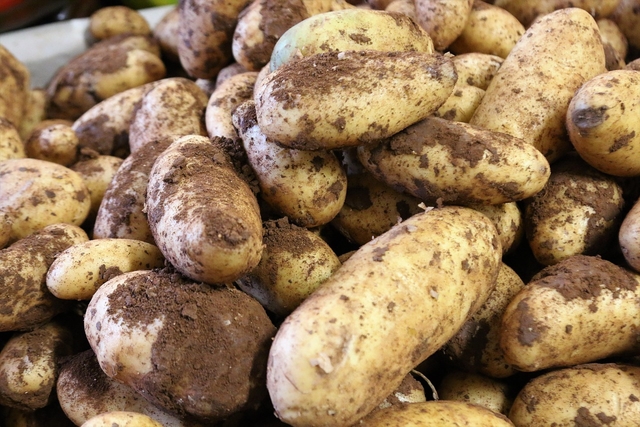
Argentina’s National Seed Institute published in the Official Gazette of the Argentine Republic the application for the registration of PIRU INTA, a potato (Solanum tuberosum L.) plant variety developed by the National Institute of Agricultural Technology (INTA), in the National Register of Cultivar Property. The publication opens the corresponding period for the submission of any objections, in accordance with current regulations.
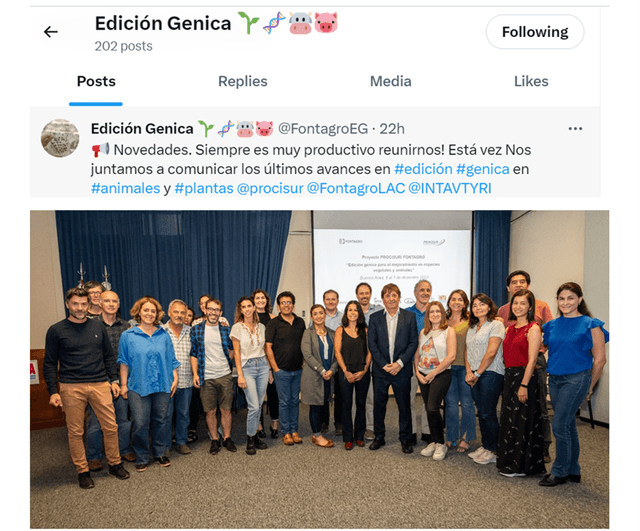
This progress represents a relevant outcome of the project “Gene Editing for the Improvement of Plant and Animal Species,” funded by FONTAGRO, which seeks to strengthen regional research and innovation capacities in gene editing for the improvement of species of agricultural interest, contributing to technological sovereignty, value addition, and the productive development of Latin America and the Caribbean.
According to the official notice, PIRU INTA was compared with the ATLANTIC variety. Both varieties have round-shaped tubers; however, PIRU INTA differs in stem morphological characteristics and, in particular, in its frying quality after prolonged storage at low temperature. Official data indicate significant differences in fry color, with values of 7.3 for PIRU INTA compared with 4.6 for ATLANTIC on the IBVL scale, after 120 days of storage at 4 °C.
The importance of this development lies in its potential to address specific challenges in the potato agro-industrial value chain, particularly postharvest storage, industrial quality, and the reduction of losses associated with storage. Within the framework of the project, FONTAGRO has highlighted that technological solutions in potato seek to improve plant health, nutritional and industrial quality, and the efficiency of production systems.
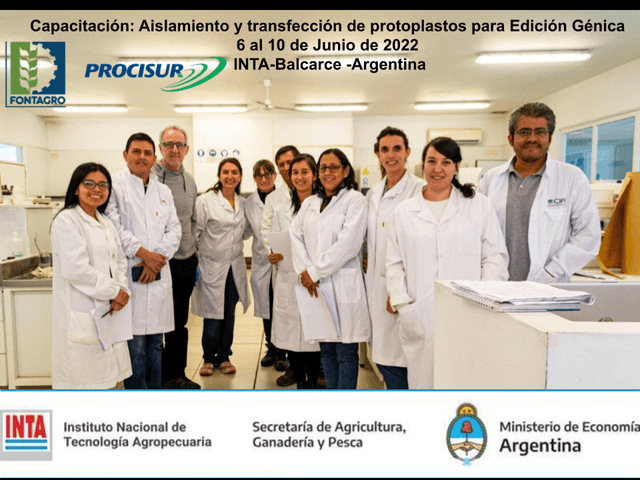
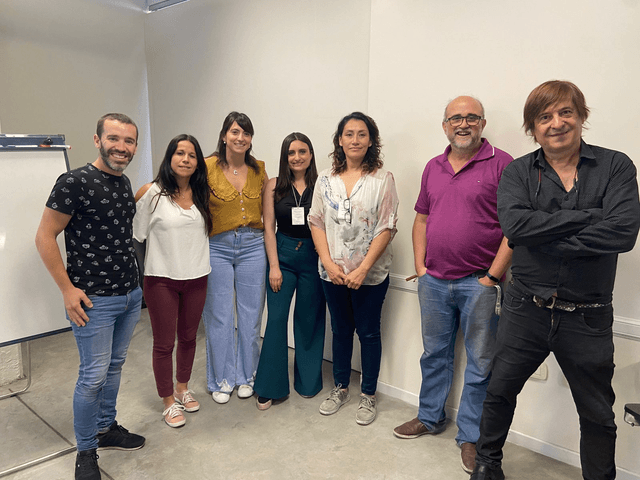
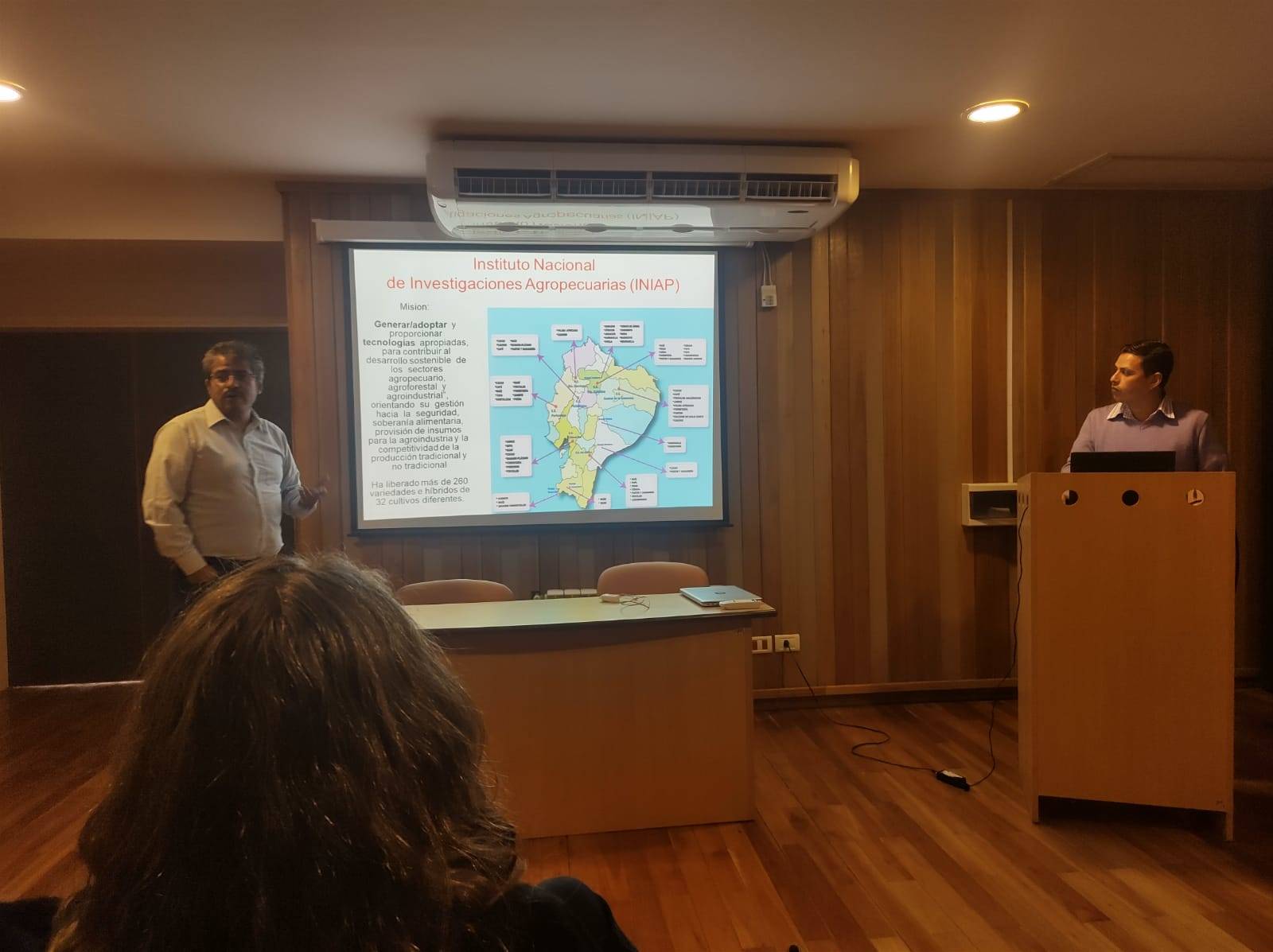
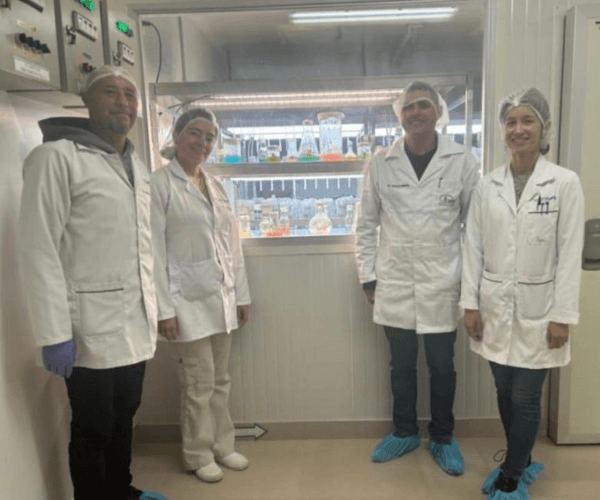
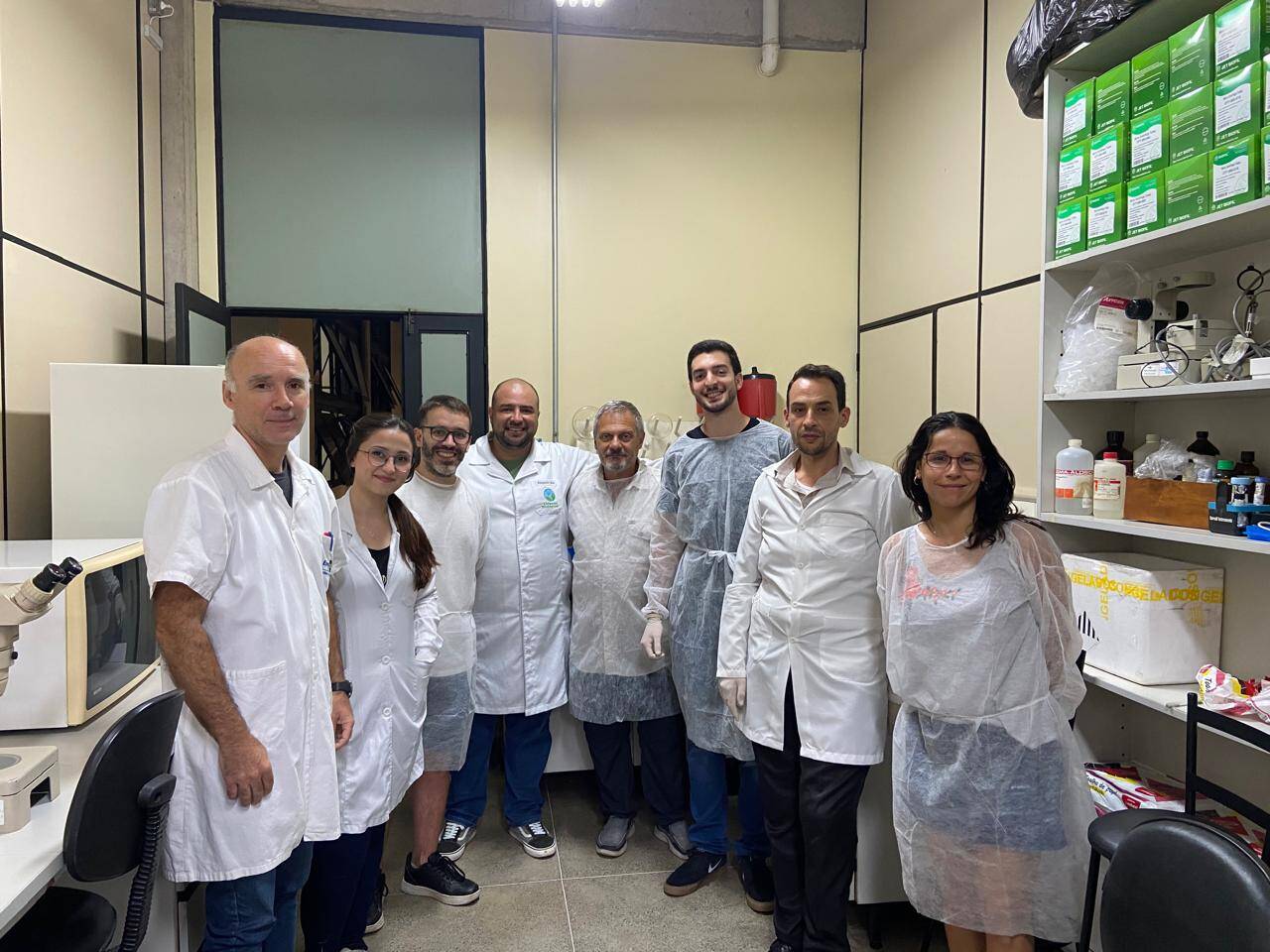
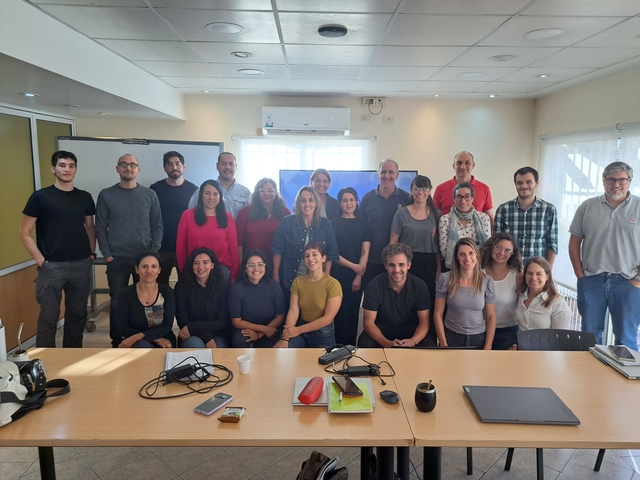
PIRU INTA also reflects the value of the regional scientific cooperation promoted by FONTAGRO. The project has fostered the generation and transfer of capacities in gene editing, including the strengthening of protocols, the training of researchers, and coordination among public research institutions, universities, and stakeholders in the agricultural sector.
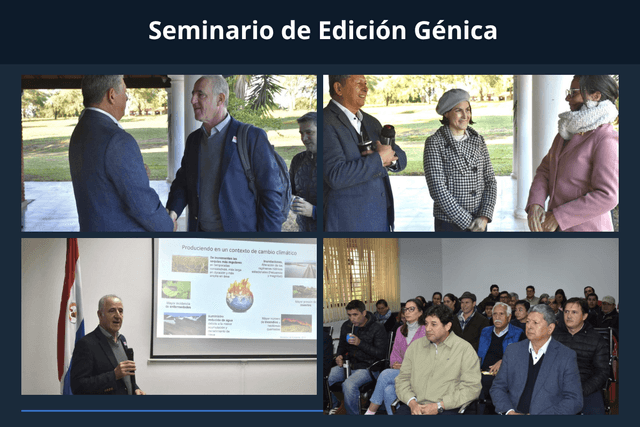
This milestone adds to the progress presented by INTA Argentina in international forums, where the potential of gene editing to increase productivity, improve disease resistance, and strengthen tuber quality has been highlighted, from a perspective of sustainability and food security.
With this progress, FONTAGRO reaffirms its commitment to agricultural innovation, regional cooperation, and the development of applied technologies that contribute to more efficient, resilient, and sustainable agrifood systems.





.png&w=640&q=100)