 Impact
 Initiatives
 Dashboard
 Alliances


 Impact
 Initiatives
 Dashboard
 Alliances

 Technological-Organizational-Institutional
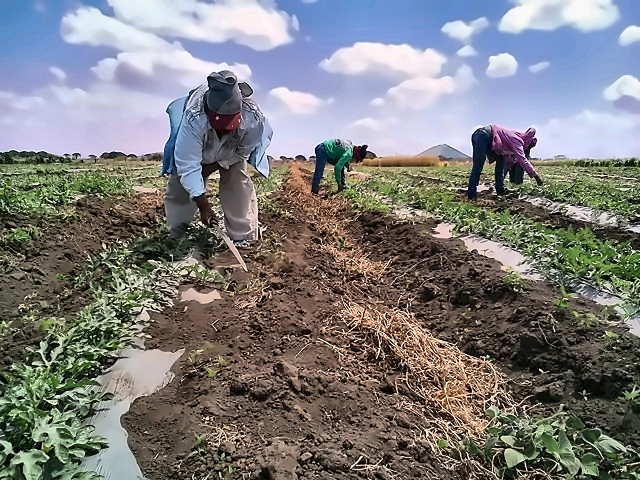
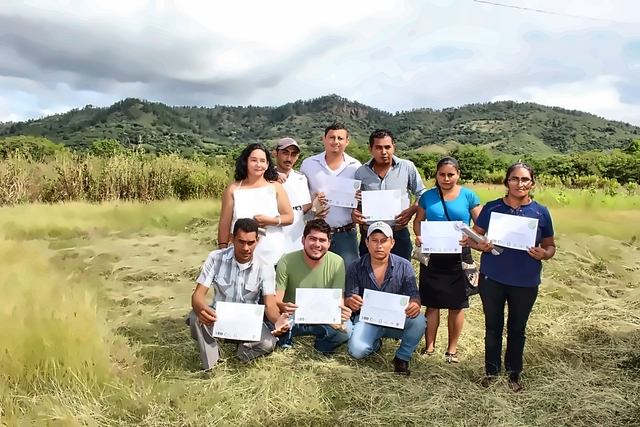
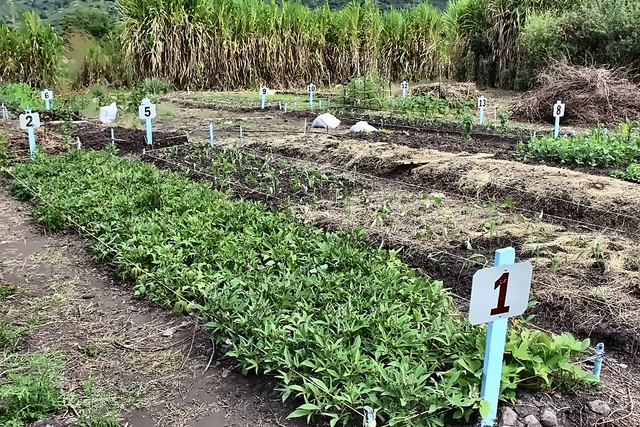
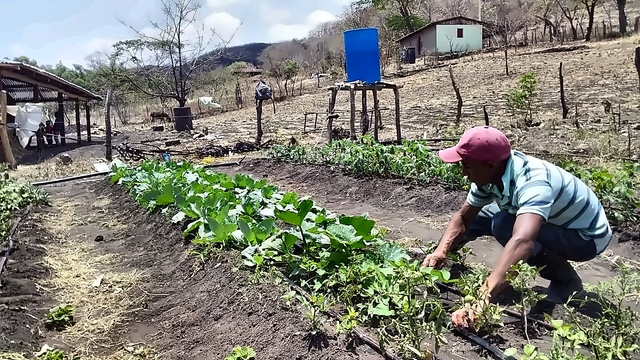
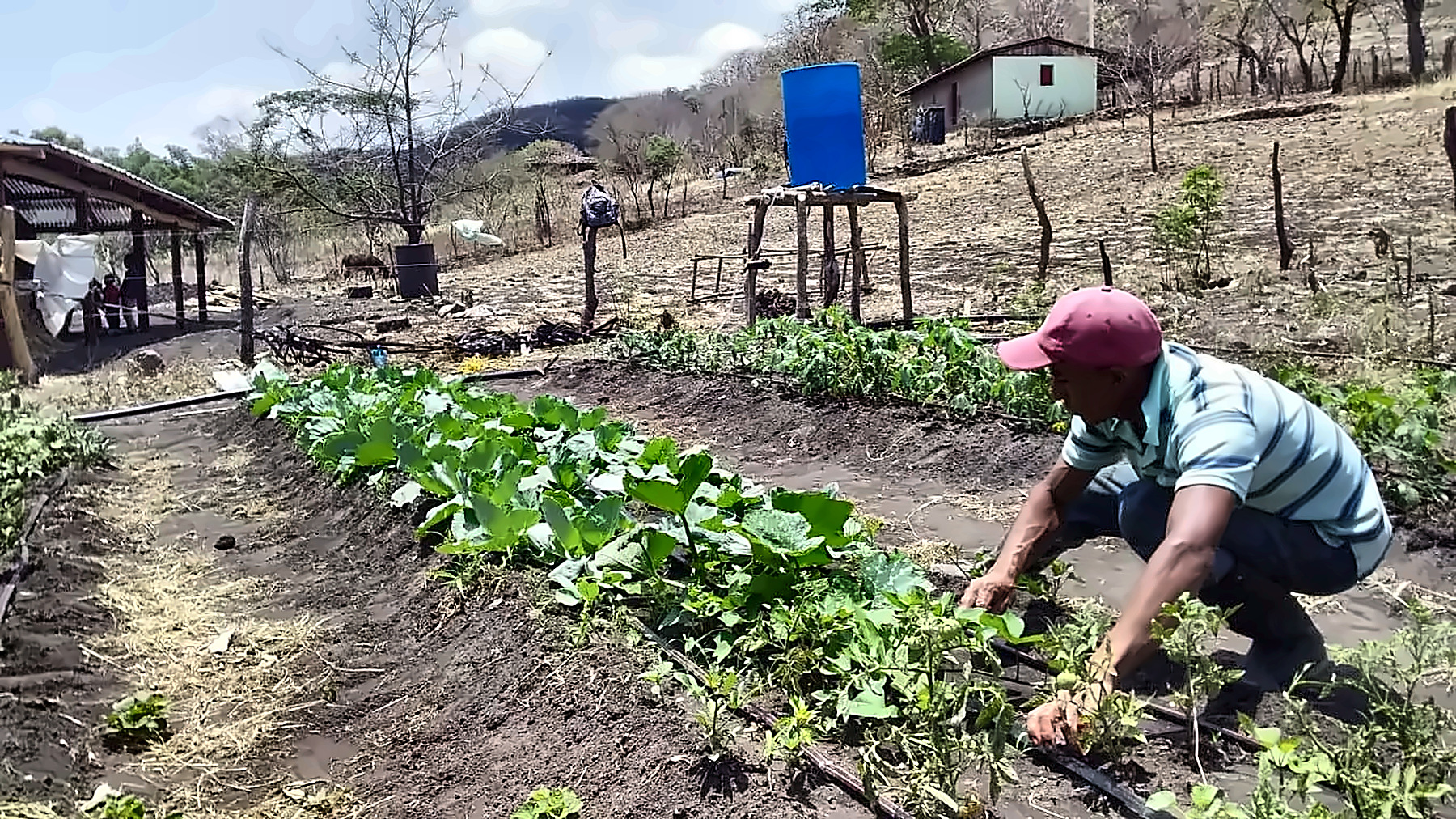
The project “Biointensive farming for rural families in the Dry Corridor” presented its progress in its 2018 poster, with results that show how the method is being adapted to one of the regions most vulnerable to climate change. A total of 252 farmers were trained, 41% of them women, and community promoters led 78 follow-up sessions that reached 806 people in 102 communities. As a result, 408 farmers set up 674 biointensive gardens, and 244 drip irrigation systems, 16 ferrocement water harvesters and 14 tanks of 1,700 litres were installed to irrigate during the dry season.
Access to seeds also improved: 13 seed banks supply 893 families, and at eight fairs 460 farmers exchanged varieties adapted to the Dry Corridor. In addition, six Biointensive Agroecological Reference Centres, three in Nicaragua and three in Honduras, are operating for learning and replicating the method, and a field manual on biointensive farming was produced. Through regional workshops, exchange visits and international forums, the method is beginning to scale up to new levels in Central America.
📄 Project poster 2018 (PDF, in Spanish)
🔗 Project page (in Spanish)