
 Agronomic PracticesClimate changeStrategy 1. Resilient farmsStrategy 2. Sustainables territoriesAppliedTechnological-Organizational-InstitutionalFamily agricultureFamily agricultureRural ExtensionPovertyClimate smart agricultureSeedsProductive systems
 2015
2015 Closed
The Central American Dry Corridor is one of most vulnerable regions to the effects of climate change worldwide, which has already meant longer dry periods that intensify when the El Niño phenomenon is present, reducing rainfall by between 40% and 60%, as has happened during 2014 and 2015. All this translates into high levels of food insecurity in rural areas caused by insufficient and unstable food availability, low purchasing power and inadequate food behavior. The rural population have to fill their nutritional deficiencies and improve their family production systems, so that they can better adapt to the changing climate that seriously affects their crops.
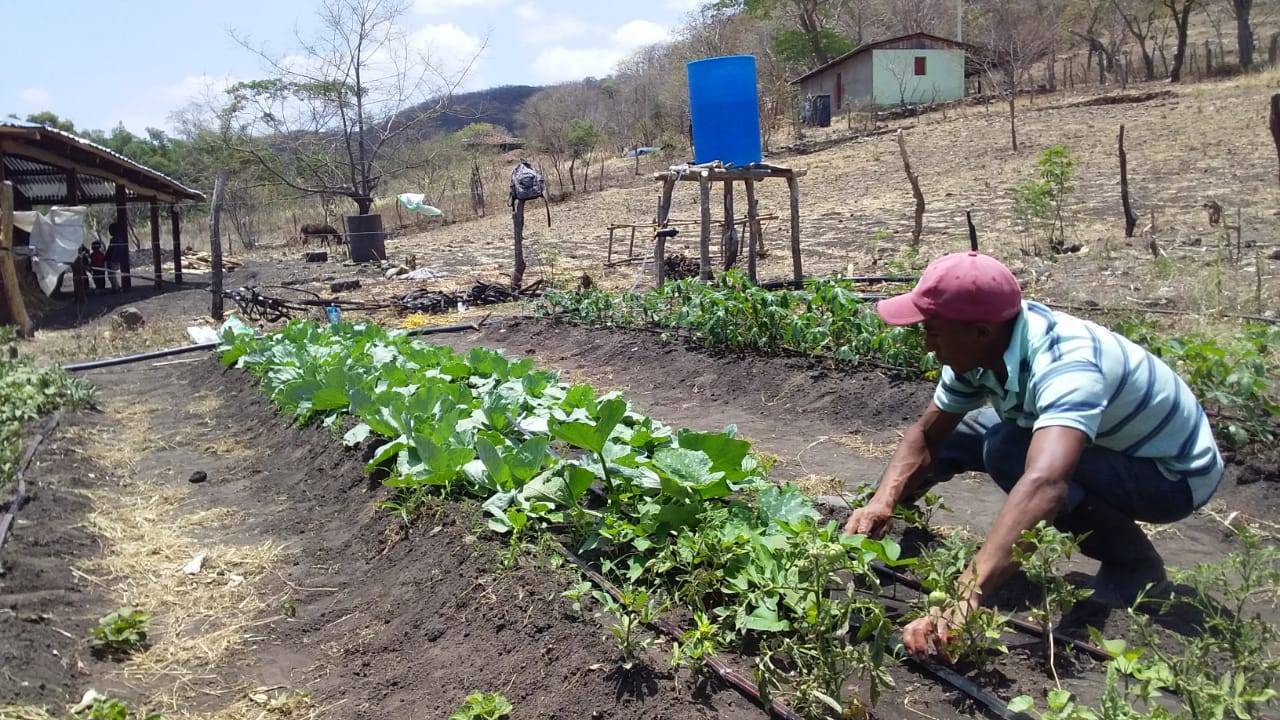
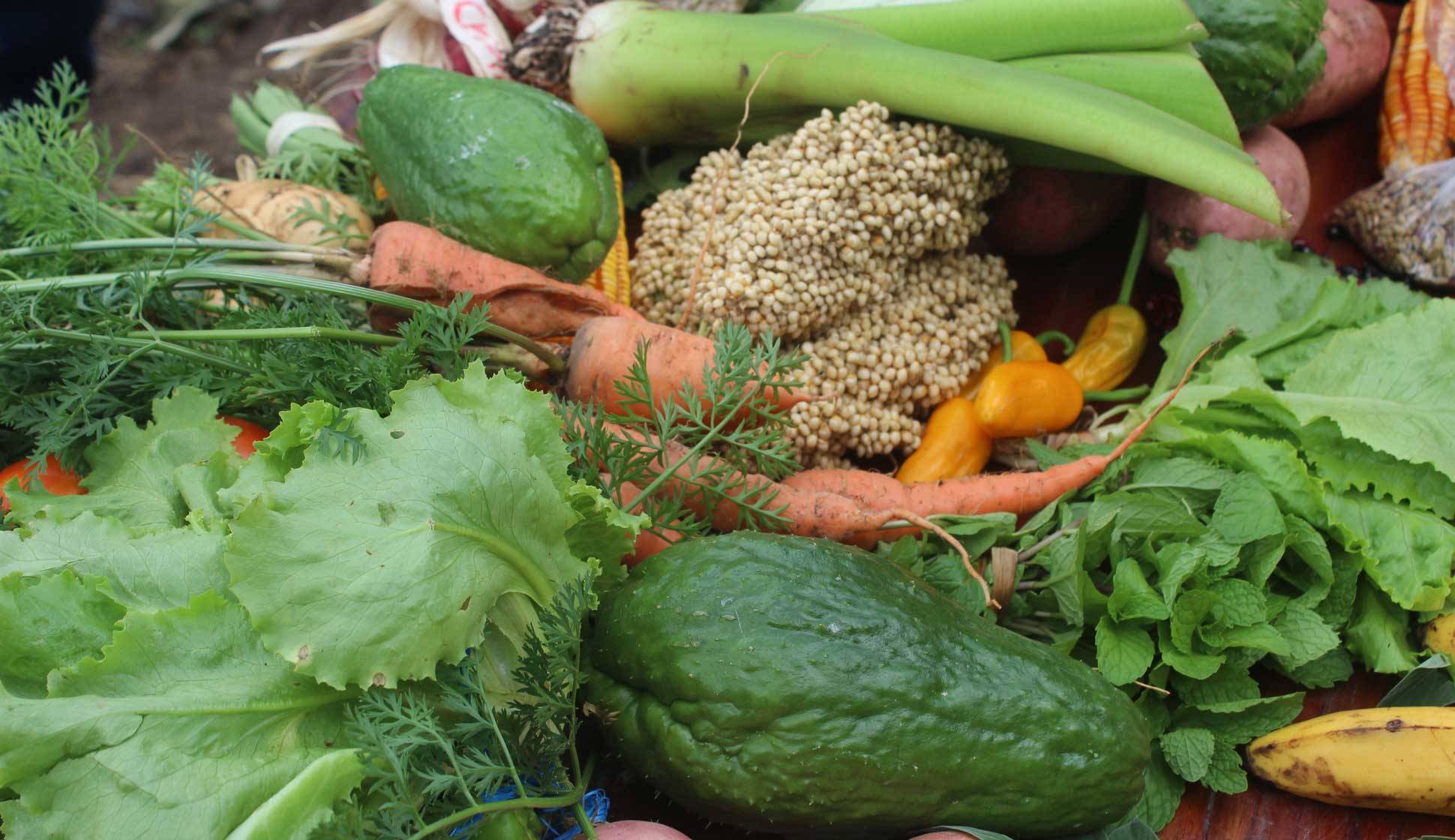
The purpose of the project is to improve the availability and quantity of healthy food, promoting innovative techniques for the sustainable intensification of agricultural production for family farmers of three countries in the Central American Dry Corridor.
Technical solutions to contribute to solving the problems of food security and sovereignty through the use of harvesting and use of water technologies, validation of drought resistant varieties and the establishment of community seed gene banks.
This project actively contributes to achieving the Sustainable Development Goals, promoting more equitable, resilient, and sustainable regional development.
Néstor López
NicaraguaGladis Beatriz Cáceres Leiva
NicaraguaRoberto Blandino Obando
NicaraguaRamón Iván Bertrand
NicaraguaJavier Silva Rivera
NicaraguaThe tangible impact of science and technology in the field
Sponsors


With the support of



 Impact
 Initiatives
 Dashboard
 Alliances
 Impact
 Initiatives
 Dashboard
 Alliances