 Impact
 Initiatives
 Dashboard
 Alliances
 Impact
 Initiatives
 Dashboard
 Alliances


Learn more about this story
Project Webstory
Go to webstory




 Agronomic PracticesClimate changeAdaptativeTechnological
 2019
2019 Closed
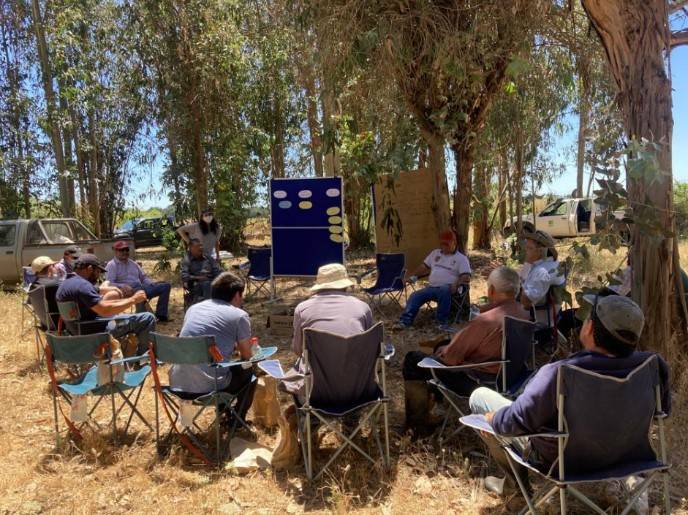
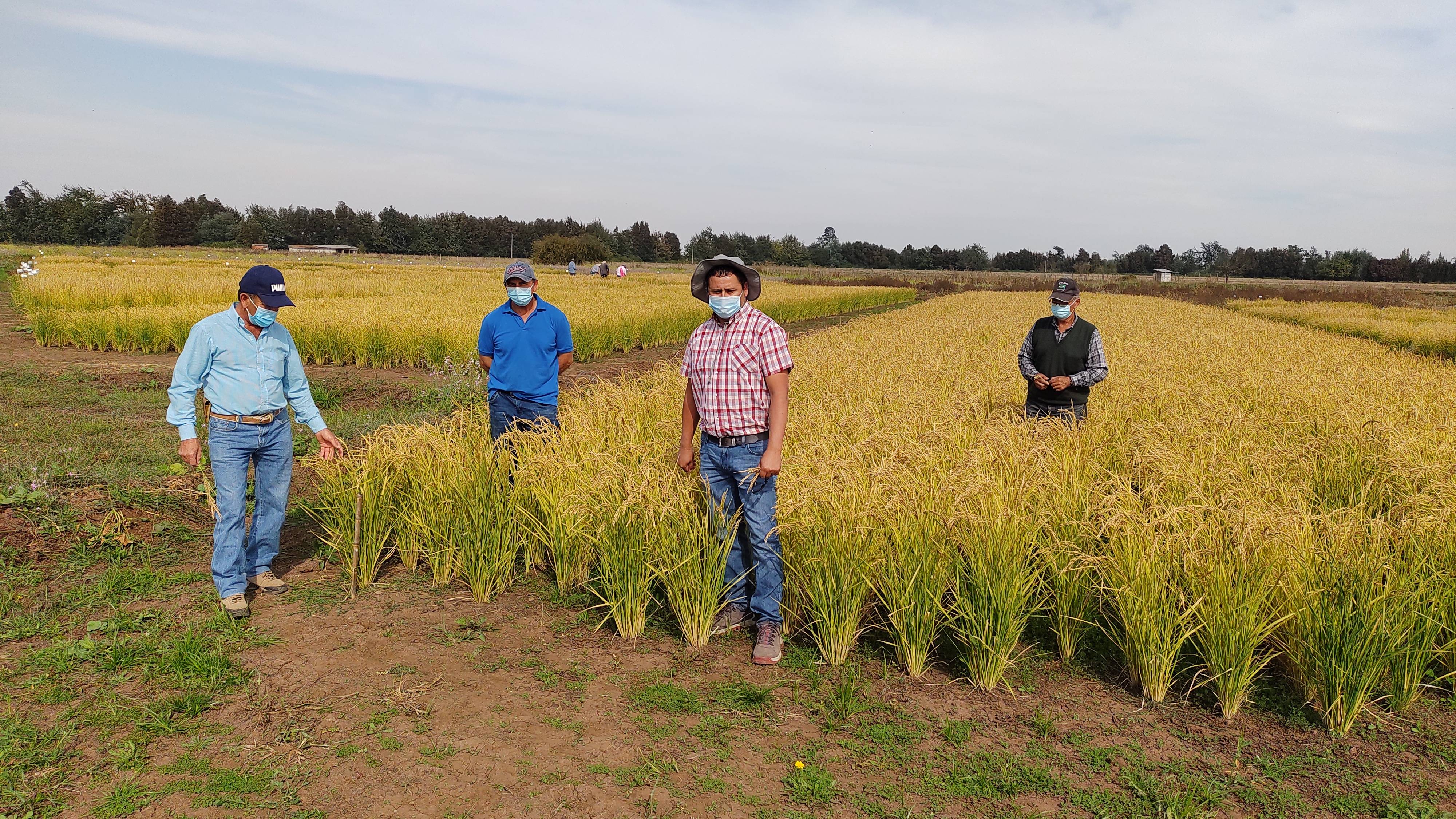
Rice is the fourth most consumed food in Latin America and on average contributes 11% of the caloric intake per capita in the region, making it fundamental for food security. Currently, there are an estimated 5.3 million hectares cultivated with rice in the Americas, mostly by small producers. The high climatic variability associated with climate change has decreased water availability, in turn affecting rice production and the well-being of rice producers. Consequently, more efficient, resilient and environmentally friendly systems are required to remain productive in the face of climate change. The System of Rice Intensification (SRI) has enabled increased yields and reduced water and agrochemical use in production, contributing to the development of a more sustainable agriculture and allowing the development of plants more resilient to the shocks of climate change. SRI has not yet been evaluated in Argentina and other countries in the region. The aim of this project is to disseminate knowledge generated in countries where the SRI methodology has already been adapted, validated and used, in order to advance in the regional scaling of this technology.
The System of Rice Intensification (SRI) favors plant development, improving the efficiency of nutrient, light and water use. It is based on the incorporation of biomass in the soil, transplanting young seedlings in low density, placing one seedling per site, using irrigation (not flooding) and mechanical control of weeds.
- Increased yield of rice cultivation of the intervened plots by at least 1 ton/ha
- Reduced agrochemical use in rice cultivation by 10%
- Reduce use of rice seed in the intervened areas by 30%
- Reduce rice cultivation production costs by 20%.
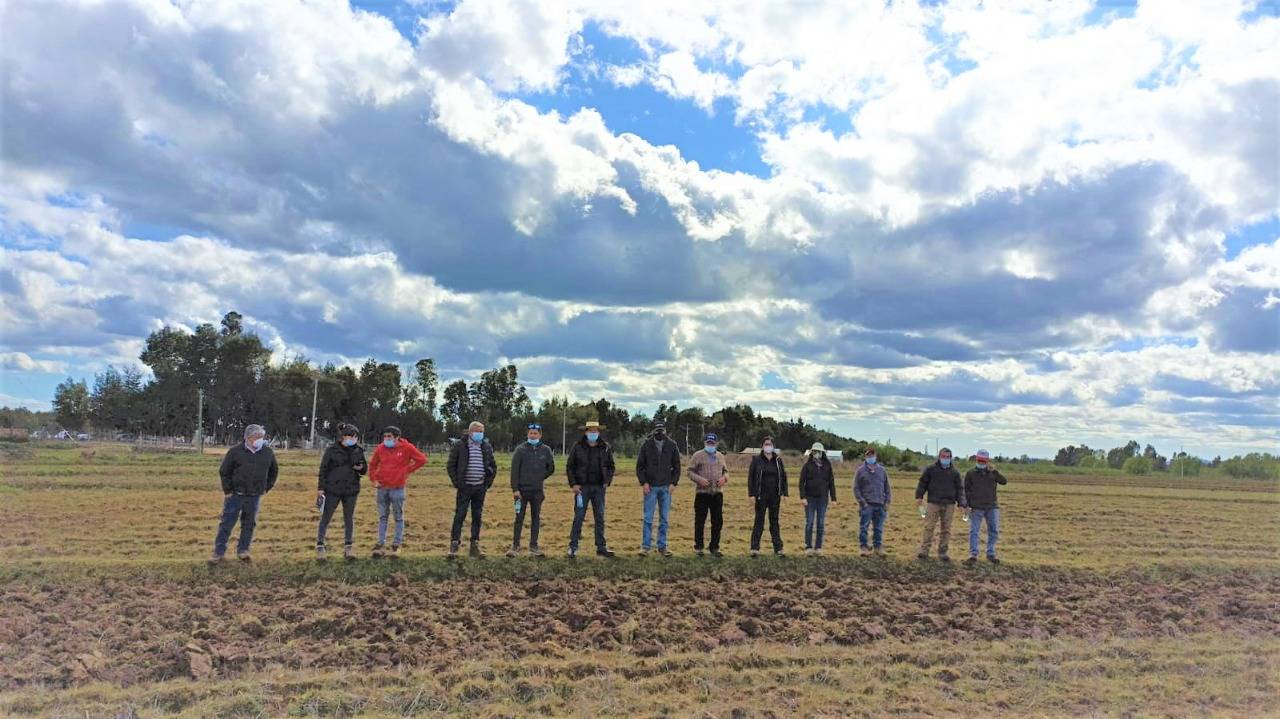
The beneficiaries of the project are 120 rice producers from Chile, 105 from Panama, 450 from Argentina and 300 from Venezuela. There are 28 beneficiary rice producing farms: 10 in Chile, 10 in Panama, 5 in Argentina and 3 in Venezuela. Likewise, 45 technicians trained in the SRI methodology are considered beneficiaries: 12 in Chile, 15 in Panama, 15 in Argentina and 3 in Venezuela.
This project actively contributes to achieving the Sustainable Development Goals, promoting more equitable, resilient, and sustainable regional development.

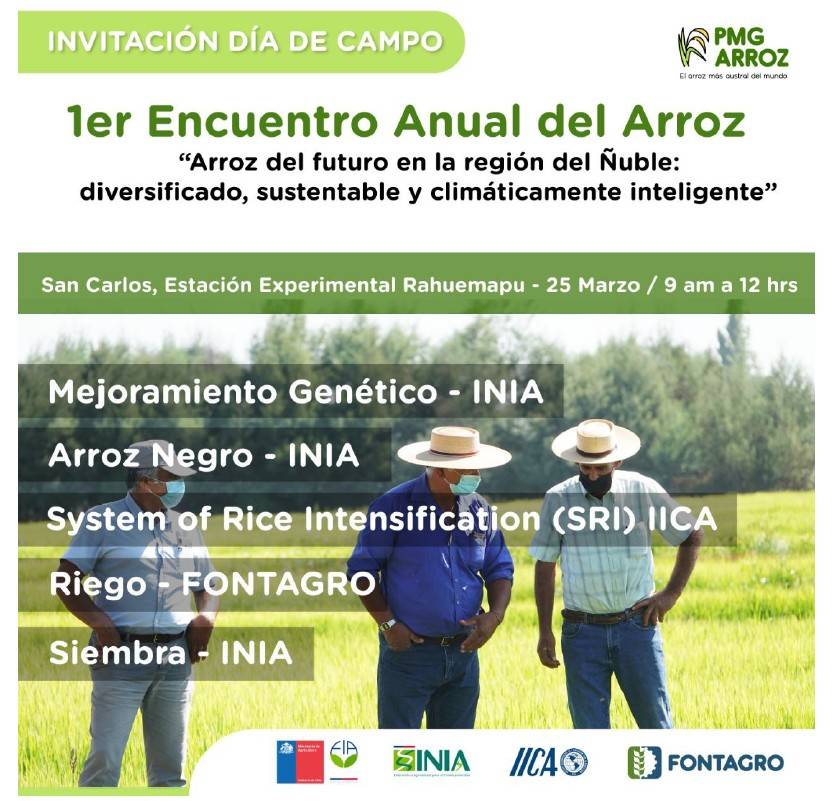
March 31, 2022
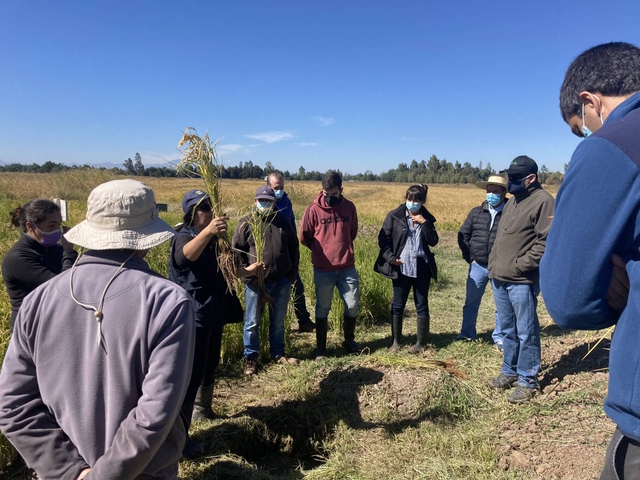
March 31, 2022
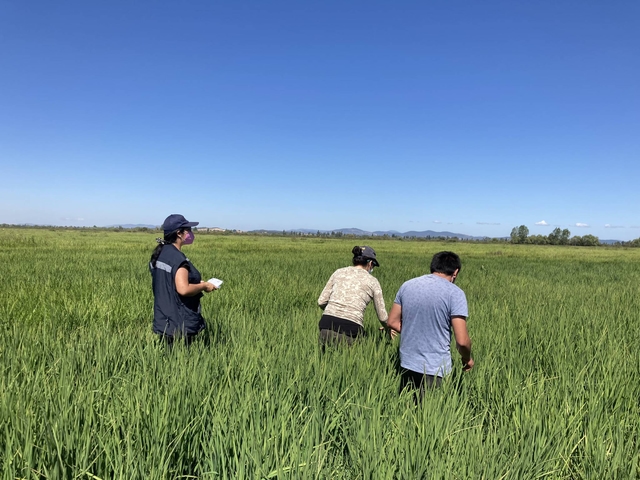
February 11, 2022
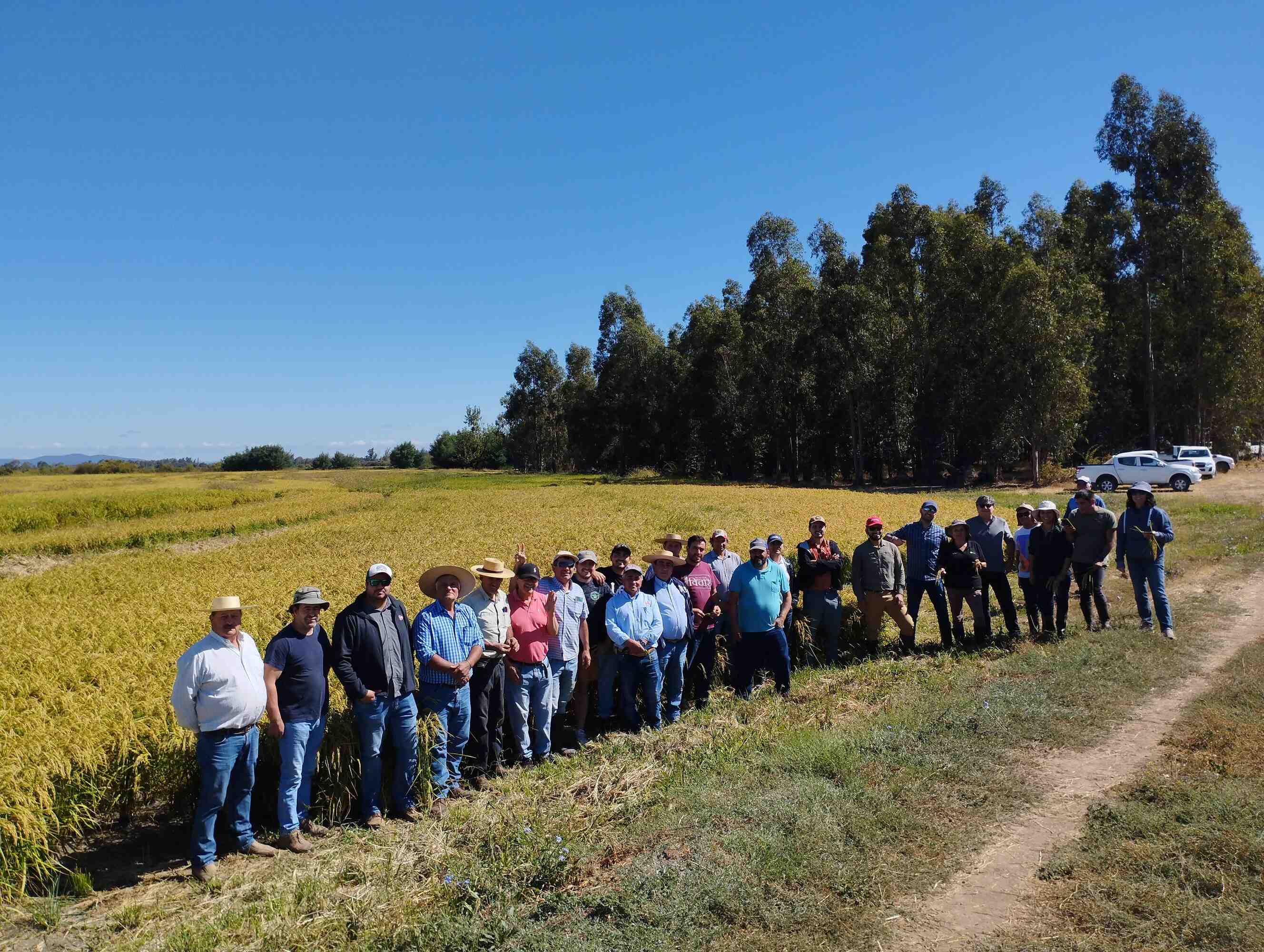
The tangible impact of science and technology in the field
Sponsors

With the support of

Karla Ivonne Cordero Lara
ChileMartha Lucrecia Bonell
ArgentinaAurelio Amaya
VenezuelaRoberto Marano
ArgentinaCesar Eugenio Quintero
ArgentinaKelly Witkowski
Costa RicaEduardo Jose Graterol Matute
ColombiaSergio Alejandro Urioste Daza
ColombiaFernando Barrera
ChileGalit Rodriguez Pizarro
Chile