 Impact
 Initiatives
 Dashboard
 Alliances
 Impact
 Initiatives
 Dashboard
 Alliances


Learn more about this story
Project Webstory
Go to webstory




 Agronomic PracticesAppliedTechnological
 2024
2024 Active
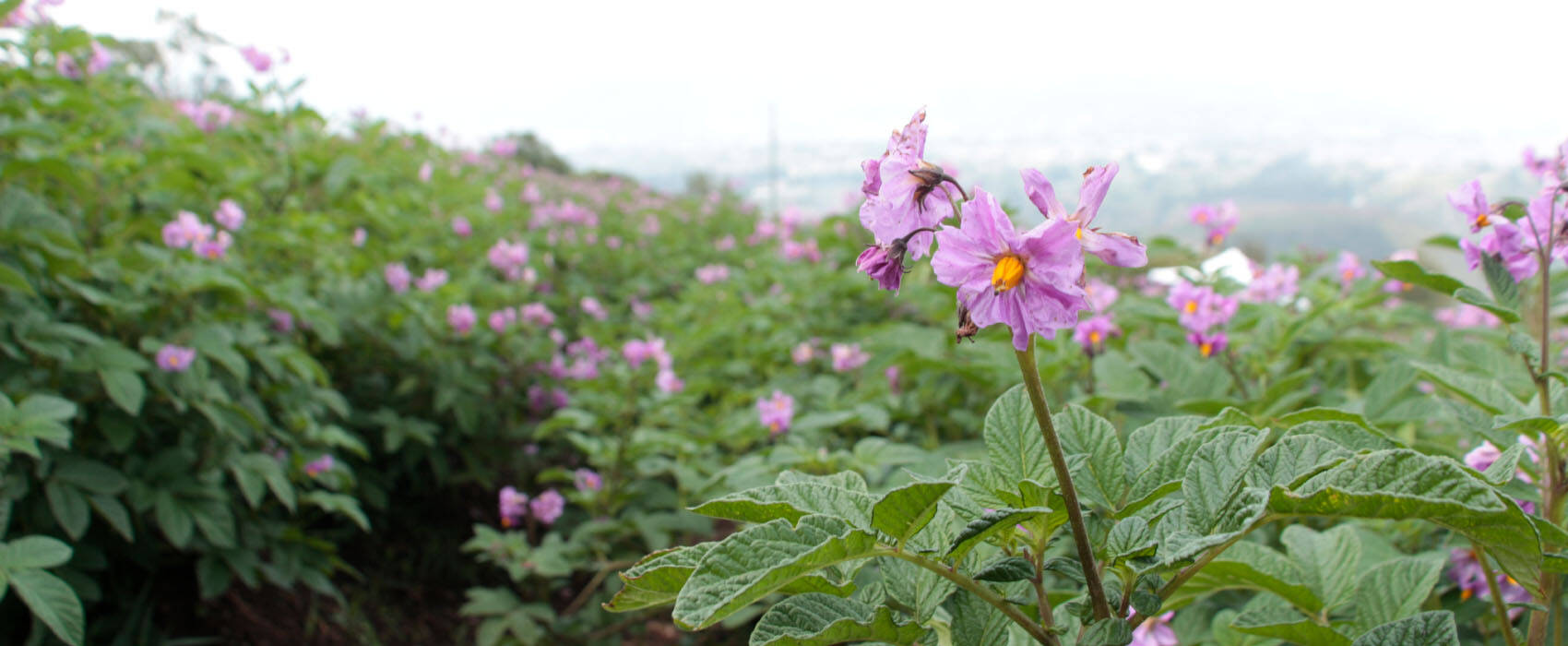
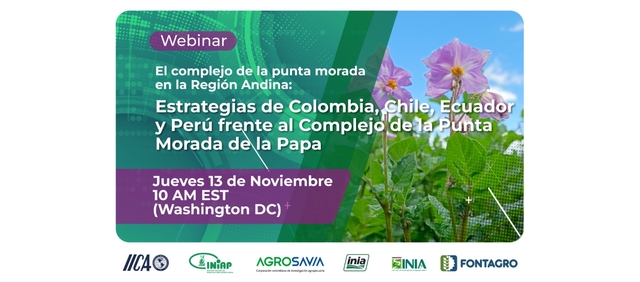
The project focuses on addressing the potato purple top compex (PPTC/CPMP Spanish acronym) problem in the Andean Region (AR), where the potato plays a fundamental role in the diet of millions of people as well as in the contribution to the agricultural sector economy. The PPTC includes the bacteria Candidatus Liberibacter solanacearum (CaLso), phytoplasmas and the potato psyllid (Bactericera cockerelli) that acts as a vector. This complex represents a serious threat to potato crops in the AR. The project proposes to learn more about the situation of the PPTC through a diagnosis in the region with the countries involved in the proposal. In addition, the molecular detection of the plant pathogens and the PPTC management strategies will be optimized, and the results generated will be disseminated to the actors of the potato value chain. At least 1,730 farmers and 370 technicians and other actors in the sector will directly benefit from training, dissemination activities and access to clean seed. The project establishes three components: i) prepare a regional diagnosis of the PPTC problem, through online events with experts and the collection of information through surveys with key actors in the value chain; ii) optimize molecular detection protocols and PPTC management strategies. This includes training laboratory workers in molecular analysis techniques, evaluation of methodologies for the detection of pathogens and disease management practices. It is expected to generate optimized laboratory protocols and technical publications on PPTC management and access to clean seed; iii) disseminate the knowledge generated about PPTC management. This involves strengthening the capacities of value chain actors, organizing training events and implementing learning plots in the field. The development of scientific events, training for laboratory workers and bibliographic material is planned, as well as dissemination and closing events to report the results of the project. Through the project's intervention, a 25% increase in yield is expected, along with a 15-20% reduction in pesticide expenditure for PPTC management, and a 50% decrease in the use of high environmental impact pesticides. In addition, greater knowledge of the PPTC is expected to prevent expansion to new areas or countries.
Experts from public agricultural research institutes in Ecuador, Peru, Colombia, and Chile propose to pool their resources to execute a research project aimed at strengthening knowledge in the diagnosis and management of PPTC, focusing on potato seed quality and pest management in farmers' fields. This will be achieved through the execution of three specific objectives: the first will involve conducting a regional diagnosis of the PPTC issue; the second will focus on optimizing protocols for the molecular detection of PPTC in seeds and developing management strategies for the disease in farmers' fields; finally, the third will promote the effective dissemination of knowledge generated about PPTC management. This project will involve the participation of the International Potato Center (CIP), the Inter-American Institute for Cooperation on Agriculture (IICA), phytosanitary control agencies and ministries of agriculture from the four countries, universities, educational institutes, and producers' associations.
The project intervention is anticipated to reduce yield losses by an average of 25% among producers who adopt the proposed technologies. Additionally, it is expected to decrease pesticide expenditures for PPTC management by 15% to 20%. Furthermore, it is anticipated that 100% of laboratories within the phytosanitary control agencies of the respective countries will implement optimized protocols for detecting this disease. The incorporation of these analyses into the phytosanitary control system will result in a 25% reduction in losses for producers who use certified seed in each of the countries.
It is estimated that the project intervention will reduce the use of high-impact insecticides for PPTC control by 50%. Moreover, this reduction in pesticide use will be crucial for mitigating pesticide resistance in pest populations, a critical factor in sustainable pest management.
1,730 farmers and 370 technicians
This project actively contributes to achieving the Sustainable Development Goals, promoting more equitable, resilient, and sustainable regional development.

March 29, 2026
March 29, 2026
February 23, 2026
.jpg&w=3840&q=100)
Carmen Castillo Carrillo
EcuadorClaudio Salas
ChileNoemí Luz Zúñiga López
PerúVictor Sanchez
Xavier Cuesta
Diego Fernando Peñaherrera Mafla
Gabriela Alexandra Narváez Pavón
Segundo Fausto Yumisaca Jiménez
Victoria Alicia López Guerrero
Eduardo Morillo Velastegui
Pablo Mamani
Pablo LLumiquinga
Cesar Osorio
Cesar Azaquibay
Jose Camacho
María Nieto
Pablo Jaramillo
Jose Velasquez
Andres Araujo
Judith Zapata
Gabriela Cardenas Huaman
Albertino Meza Ojeda
Noemi Zuñiga
Yhoel Leiva Torres
Rosmery Pando Garcia
Noemí Luz Zúñiga López
Karina Zúñiga
Nelson A. Ruesta
Hector Cabrera Hoyos
Pedro Hugo Injante Silva
Carlos Cerna
Maximo Marote
Ladislao Palomino Quispe
Wilfredo Lino Barreda
Ciro Riveros Chahuayo
Rafael Torres Maita
Henry Martinez Santos
Alejandro Coillo
Palermo Barco
Juan Vicente Romero
Donald Riascos
Ana Elizabeth Diaz
Maryory Maricela Cadena
David Alvarez
Andrea Paola Zuluaga Cruz
Edwin Alirio Rodriguez
Lizeth Lorena Davila
Ingrid Marcela Preciado
Eduardo Espitia Malagon
Tatiana Luna
Housseman Steven Ramos
Maria Camila Ortega
David Rodriguez
Jose Manuel Campo
German David Sanchez
Carlos Alberto Marcillo Paguay
Dionicio Bayardo Yepez
Claudio Salas
Andrea Santana
Carolina Folch
Patricia Navarro
The tangible impact of science and technology in the field
Sponsors


With the support of



.png&w=384&q=75)
.png&w=384&q=75)