
 Impact
 Initiatives
 Dashboard
 Alliances
 Impact
 Initiatives
 Dashboard
 Alliances


Learn more about this story
Project Webstory
Go to webstory





 Agronomic PracticesAppliedTechnologicalSustainable intensificationStrategy 1. Resilient farms
 2001
2001 Closed
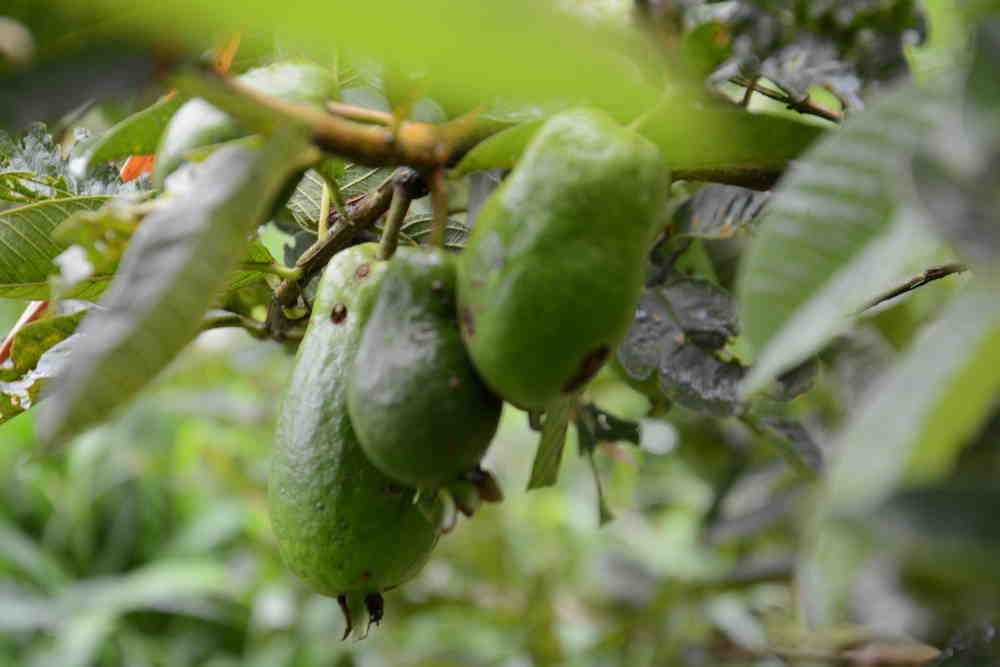
Guava is a species of tropical origin that is found in various agroecosystems of the Colombian-Venezuelan Andes from sea level to 1,800 meters above sea level. Currently, a large proportion of the fruit is produced wild in silvopastoral systems, through the work of small producers who contribute more than 80% of the family workforce and where women play a leading role. In Colombia and Venezuela there are more than 9,000 families of small producers who in different regions manage more than 15,000 hectares and generate a production whose annual value can be estimated between US$ 14 to US$ 20 million. In Colombia, this fruit supports an important rural agro-industry with more than 300 sweet factories, whose annual production is valued at US$ 21 million. In Venezuela, in addition to home consumption, it is used in the soft drinks and processed products industry.
Several institutions linked to research in the agricultural sector, such as INIA, CORPOICA and the Central University of Venezuela, have identified the critical problems related to pre-harvest and post-harvest aspects that affect the quality of the fruit, as well as those related to the use of guava in the food industry. During the three years of work, recommendations were generated to reduce the impact of the main pre-harvest factors that affect fruit quality, such as fruit fly infestation (Anastrepha fraterculus and Anatrepha striata), fungal attack, such as pestalosia. and the apical rot of the fruit. Similarly, in post-harvest, three promising materials were characterized from the physical, chemical, organoleptic and industrial points of view, to define their use and handling as fruit for fresh consumption or in the food industry.
Improve the performance of producers, processors and marketers of guava (Psidium guajava, L.) in Colombia and Venezuela, through the development and transfer of technological alternatives in post-harvest management according to their socioeconomic and environmental conditions.
This project actively contributes to achieving the Sustainable Development Goals, promoting more equitable, resilient, and sustainable regional development.

_18_22_57.png&w=640&q=75)
Orlando Idelfonso Insuasty Burbano

Carlos Ernesto Pedraza
_18_36_49.png&w=640&q=75)
John Wilson Martínez Osorio
_18_43_07.png&w=640&q=75)
Fanor Casierra Posada
_18_47_35.png&w=640&q=75)
Jorge Orlando Blanco Valbuena
Osmar Quijada
_18_58_55.png&w=640&q=75)
Glady Castellano
_19_07_10.png&w=640&q=75)
Luz Esperanza Prada Forero
Orlando Idelfonso Insuasty Burbano
The tangible impact of science and technology in the field
Sponsors


With the support of



