Impact
 Initiatives
 Dashboard
 Alliances

 Impact
 Initiatives
 Dashboard
 Alliances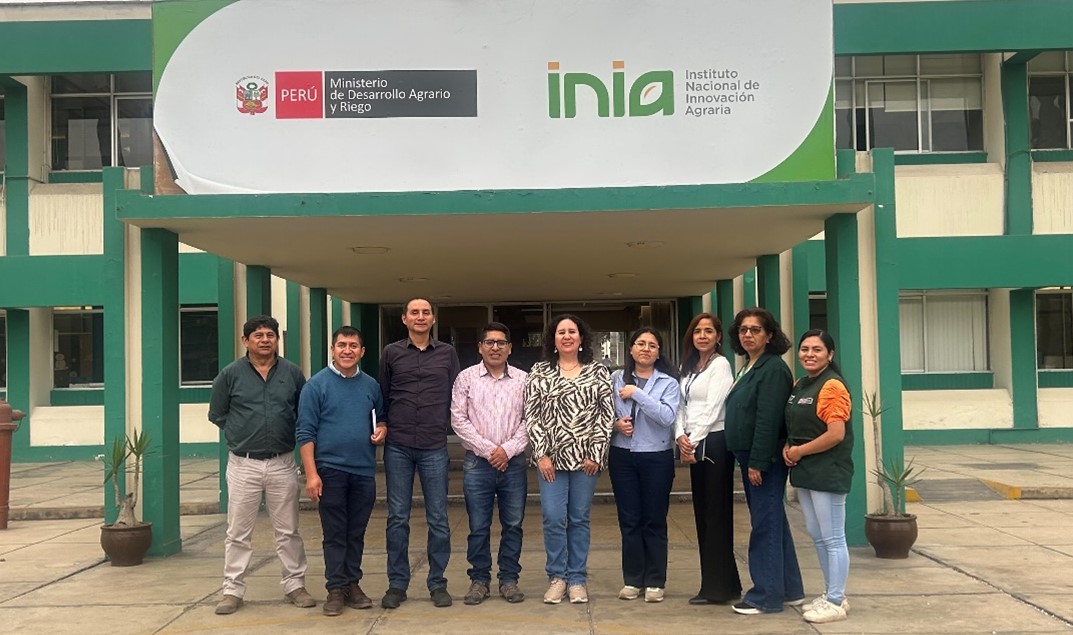

 Technological
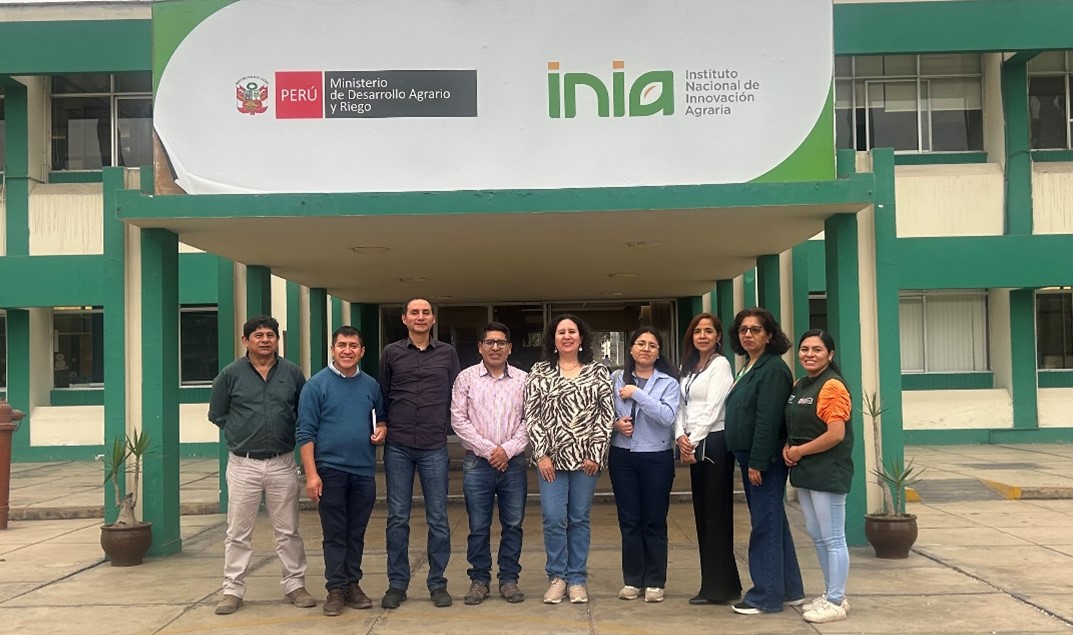
Lima, September 29, 2026 (IICA) – Specialists from four agricultural research institutes in the Andean region took part, from July 7 to 9, in the kickoff workshop for the project "Regional Platform to Boost the Competitiveness of Andean Avocado," an initiative funded by FONTAGRO and implemented by Inter-American Institute for Cooperation on Agriculture (IICA).
The project is technically led by Peru's National Institute for Agricultural Innovation (INIA), with Colombia's AGROSAVIA, Ecuador's INIAP, and Bolivia's INIAF participating as co-executing institutions. Also taking part as associated institutions are Peru's Ministry of Agrarian Development and Irrigation (MIDAGRI) and National Agrarian Health Service (SENASA); Argentina's INTA; Paraguay's IPTA; Chile's INIA; and the University of Florida in the United States.
Over three days of work, technical teams reviewed the progress achieved by INIA Peru during 2026, discussed the project's activities, targets, and scope, and agreed on a technical, operational, financial, and governance roadmap aimed at building a shared vision and defining the roles and commitments of the participating institutions.
Research for a safer and more sustainable production
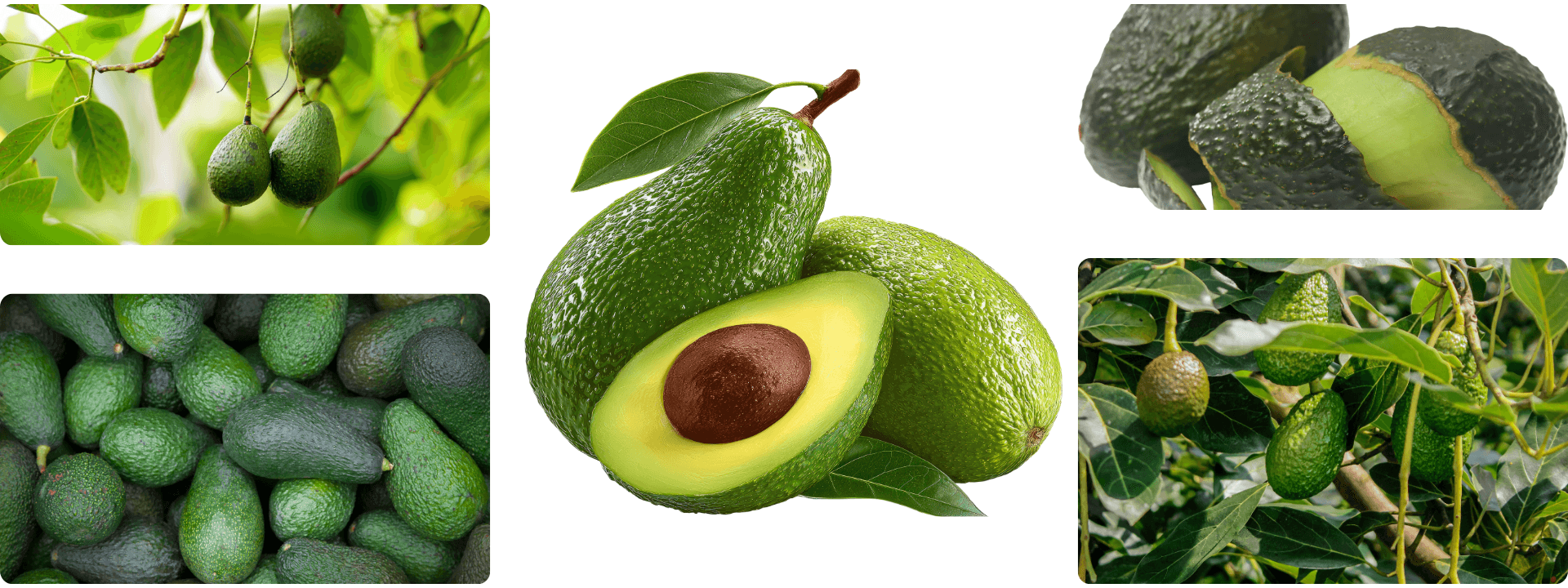
One of the project's core objectives is to generate scientific evidence on the potential risk levels associated with the presence of heavy metals—particularly cadmium (Cd)—in avocado cultivation, and to develop management strategies related to soil, plant nutrition, and crop genetics. These efforts aim to help safeguard the safety and quality of Andean avocado, strengthen its reputation in international markets, and generate climate change adaptation options for the crop. As part of its targets, the project plans to build the capacities of approximately 2,000 producers and 200 extension agents across the region.
The workshop's opening session featured remarks from Dr. Enrique Meseth, Deputy Director of INIA's Research and Technology Transfer Division, and Héctor Cortés, IICA Representative in Peru. During the working sessions, teams from the co-executing institutions reviewed the technical guidelines and activities for each project component and set next steps and follow-up dates for implementation.
In this context, INIA, as technical lead, presented an update on the actions it is undertaking to support the sustainability, quality, and safety of Peruvian avocado. "This synergy among scientific institutions from several countries will allow us to achieve promising results for the regional platform and help secure the quality and positioning of avocado in the most competitive markets," said Roberto Cosme, INIA researcher and the project's technical lead.
For its part, the IICA team highlighted the initiative's comprehensive approach, which brings together scientific research, technological innovation, and local capacity building.
"These technological innovations are designed to safeguard the quality and safety reputation of avocado, while ensuring ownership, scale-up, and long-term sustainability of the knowledge generated," said Erika Soto, IICA specialist.
Sharing experiences across countries
Representatives from the participating countries underscored the project's relevance to their respective production realities. "Avocado is one of Ecuador's priority crops given its export potential. We are here to learn from the experience of Peru and Colombia, where more research has been carried out, in order to strengthen our own work with this crop," said William Viera, Director of Research at Ecuador's National Institute of Agricultural Research (INIAP).
Technical visit to research and production sites in Peru
As part of the project's activities, specialists took part in a technical visit to INIA's facilities and experimental fields, learning firsthand about crop management practices and heavy metal assessment methods. At INIA's avocado field at the La Molina Experimental Center, a demonstration was held on soil, root, leaf, and fruit sampling methodology, along with sample preparation procedures and cadmium readings using EMAX equipment.
At INIA's Climate Change Technology Research Laboratory for the Agricultural Sector, the technical team also demonstrated the use of the portable EMAX analyzer to measure cadmium and other elements in avocado soil and fruit samples.
Participants then toured Hass avocado fields and the packing facility of SAFRESCO, learning about the company's production practices and harvest technologies, including self-propelled platforms that allow workers to move along the rows and pick fruit directly from the trees.
The technical visit provided an opportunity to compare the agreements reached during the workshop with actual production conditions in the Ica region. Specialists also visited avocado plots and the analysis laboratory at INIA's Chincha Agrarian Experimental Station (EEA), where they exchanged insights on methodologies and equipment for assessing heavy metals in avocado cultivation.
The platform will help generate scientific evidence to support decision-making by producers and health authorities, strengthen the competitiveness of Andean avocado, and support compliance with international market requirements.
The Regional Platform to Boost the Competitiveness of Andean Avocado seeks to generate scientific evidence and technological solutions that support decision-making by producers and authorities, strengthen the capacities of value chain actors, and enhance the competitiveness of Andean avocado in the face of sanitary, environmental, and commercial challenges.
In this way, the collaboration among scientific institutions from the participating countries will help advance a regional research and innovation agenda geared toward safer, more sustainable, and more competitive avocado production—contributing to compliance with the demands of international markets.