 Impact
 Initiatives
 Dashboard
 Alliances
 Impact
 Initiatives
 Dashboard
 Alliances


Learn more about this story
Project Webstory
Go to webstory




 Competitiveness StudiesValue chains and marketsStrategy 1. Resilient farmsStrategicTechnological-Organizational-InstitutionalFamily agriculture
 2014
2014 Closed
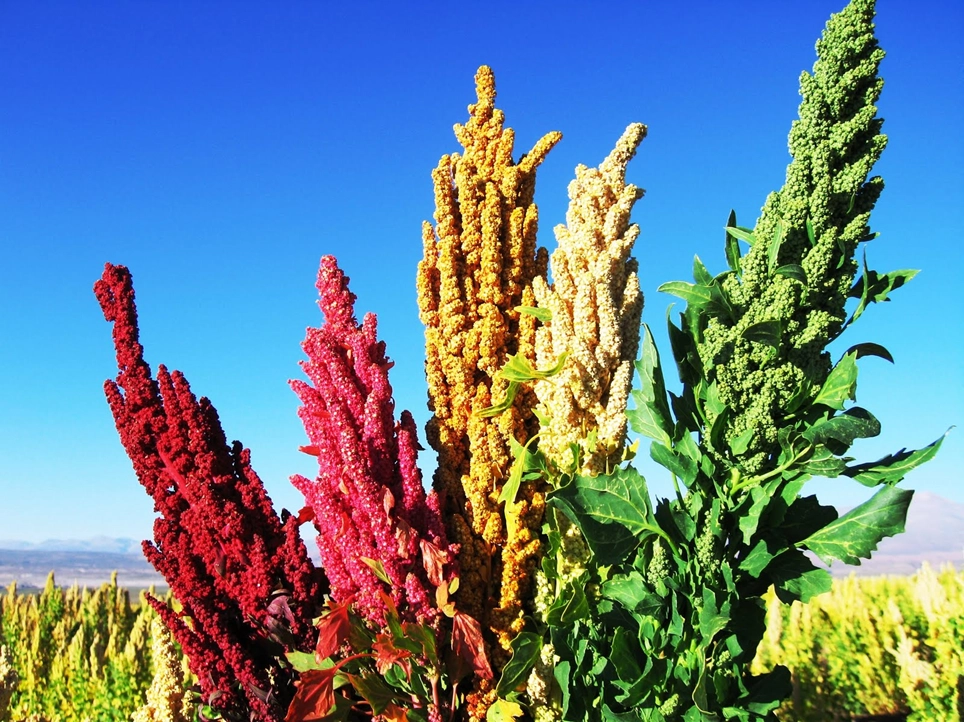
The high demand for quinoa at international markets has meant that in several countries in Asia, Europe and North America they are working intensively in the development of technological innovations that allow them to produce this Andean grain, which forces Bolivia and Peru to prepare to compete. This situation is leading to monoculture cultivation in fragile soils, increasing its erosion due to the destruction of native grassland, as well as the displacement of grazing areas (Bolivia case). In Peru, when the crop is extended to areas of valleys and the coast, the risk of pests increases due to the high humidity and favorable conditions for the development of diseases. Consequently, the high use of pesticides is expected, which in several cases are highly toxic and can generate marketing problems in national and international markets. Additionally, the high price of quinoa has turned it into a product that is not very accessible to the local population, that is, negative or prohibitive conditions are being generated for local consumption and the most affected will be children and the elderly; because their diet will no longer contain this contribution of protein and amino acids as before.
The objective of this seed fund was to formulate a proposal to improve the competitiveness and sustainability of the quinoa value chain in Peru and Bolivia, exploring new areas of intervention.
Identify critical factors and prioritize innovation in the quinoa value chain that allows structuring a bankable project proposal.
Quinoa producers, processors and marketers from Peru and Bolivia.
This project actively contributes to achieving the Sustainable Development Goals, promoting more equitable, resilient, and sustainable regional development.


Roberto E. Valdivia
PerúVicente Choquehuanca Tintaya
PerúAbel Rojas Pardo
BoliviaJOSE LUIS CASAZOLA LÓPEZ
BoliviaThe tangible impact of science and technology in the field
Sponsors


With the support of