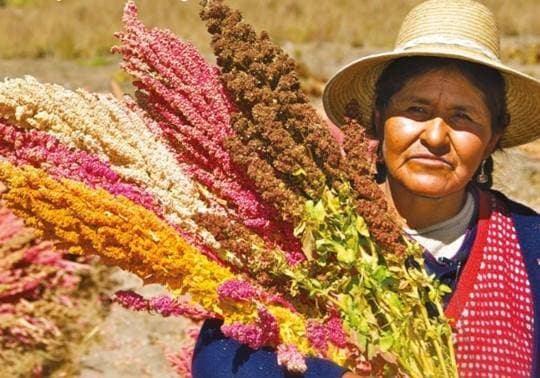
Quinoa from Peru and Bolivia is characterized by its high consumer demand at the national and international level. This scenario has generated new relationships and conditions for production, marketing and consumption, which in one way or another affect the value chain of this crop. For example, critical points and relationships are being found between the different actors in the chain and the cultivation areas have increased, leading to the cultivation of quinoa in monoculture on fragile soils, increasing the use of pesticides that in several cases are highly toxic and they can generate marketing problems in national and international markets.
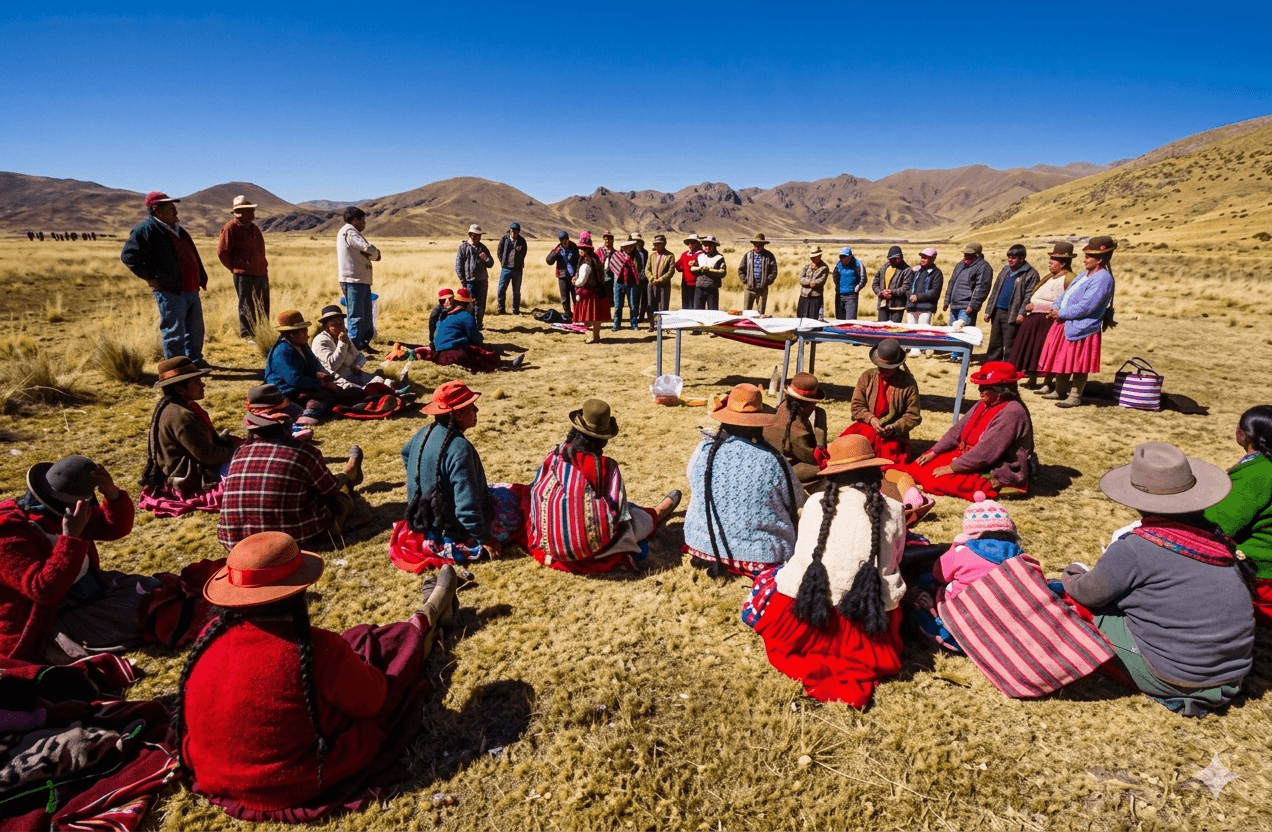
Identify critical factors and prioritize innovation in the quinoa value chain that allows structuring a bankable project proposal. The above should lead us to structure a bankable proposal, where the critical factors of the value chain are addressed in a participatory workshop with key actors and allow the development of improvement proposals and implementation mechanisms that interest financial sources committed to the development of quinoa in areas of traditional agriculture (organic niche) and others of greater socioeconomic development (conventional).
The production of quinoa in the region can reach significant production volumes to supply global demand through the introduction, promotion and dissemination of quinoa as an input in national and international cuisine. It is also possible to grow quinoa in lower areas; the high productivity that could be achieved in this type of agroecology can lead to an increase in supply in volume and quality. Likewise, another opportunity that should be explored is the value that quinoa has in the market with large agro-industrial companies.





 Competitiveness Studies


 Impact
 Initiatives
 Dashboard
 Alliances
 Impact
 Initiatives
 Dashboard
 Alliances