 Impact
 Initiatives
 Dashboard
 Alliances


 Impact
 Initiatives
 Dashboard
 Alliances

 Technological-Organizational-Institutional
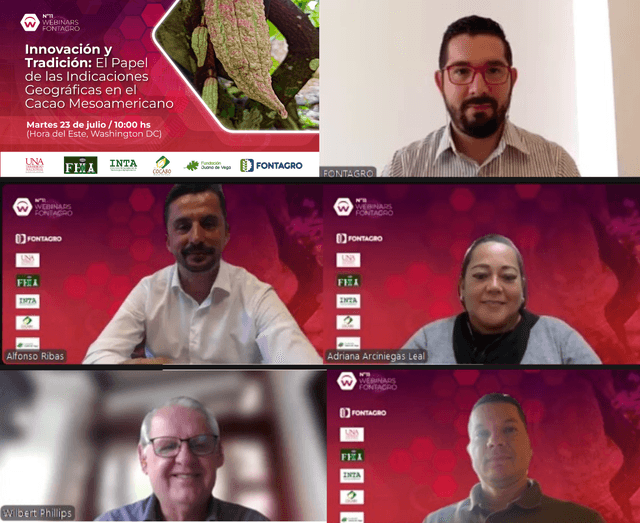
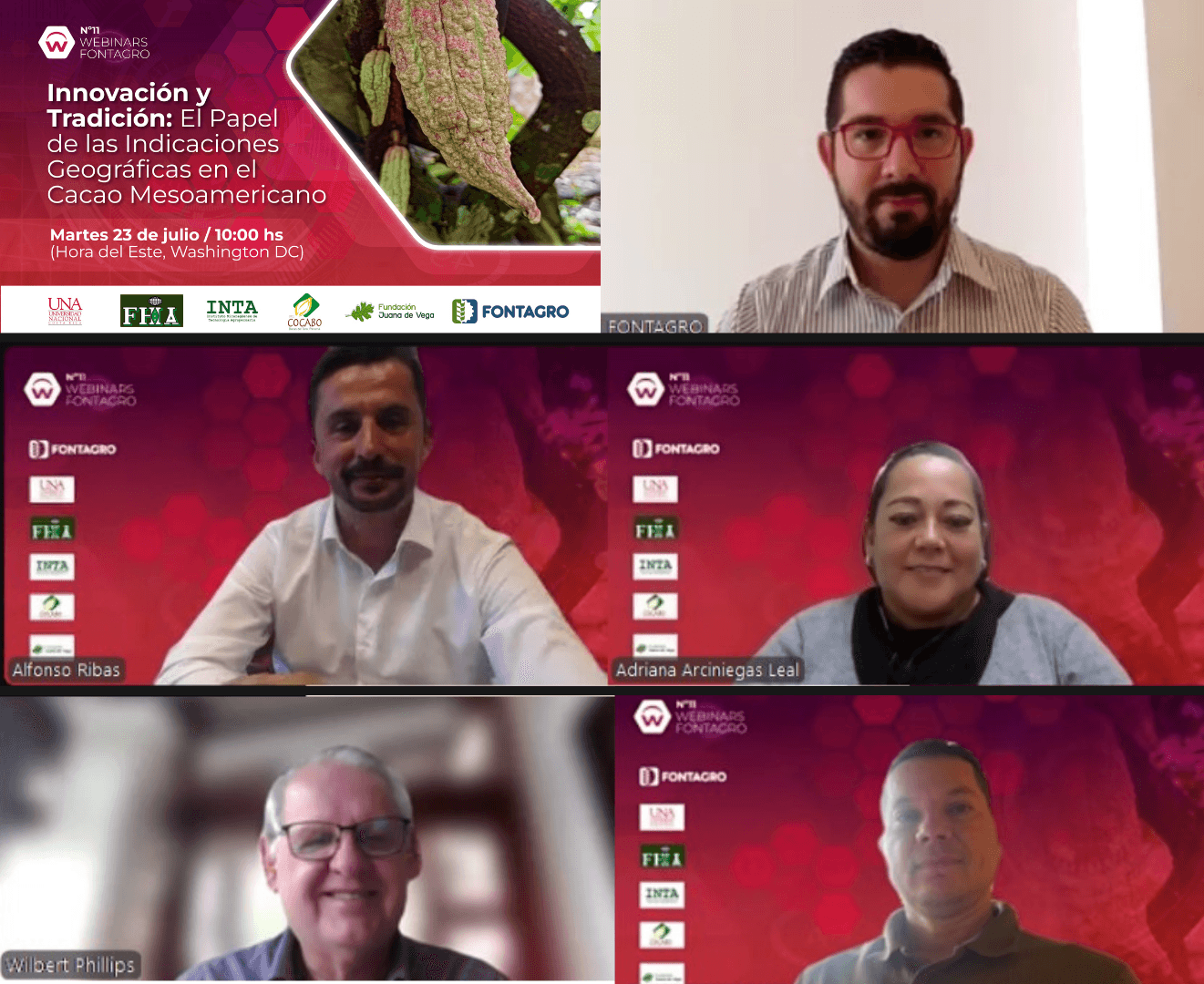
On July 24, FONTAGRO hosted a webinar titled "Innovation and Tradition: The Role of Geographical Indications in Mesoamerican Cacao." The event was held in collaboration with several prominent institutions, including the National University of Costa Rica (UNA), the Honduran Foundation for Agricultural Research (FHIA), the Nicaraguan Institute of Agricultural Technology (INTA), the Bocatoreña Cacao Multi-Service Cooperative of Panama, and the Juana de Vega Foundation (FJDV) of Spain.
The event focused on promoting designations of origin as a means to foster sustainable and participatory development for communities with a deep-rooted tradition in cacao production. It underscored the value of Geographical Indications as formal tools for differentiating quality by linking territorial and biocultural aspects to the production of fine and flavor cacao.
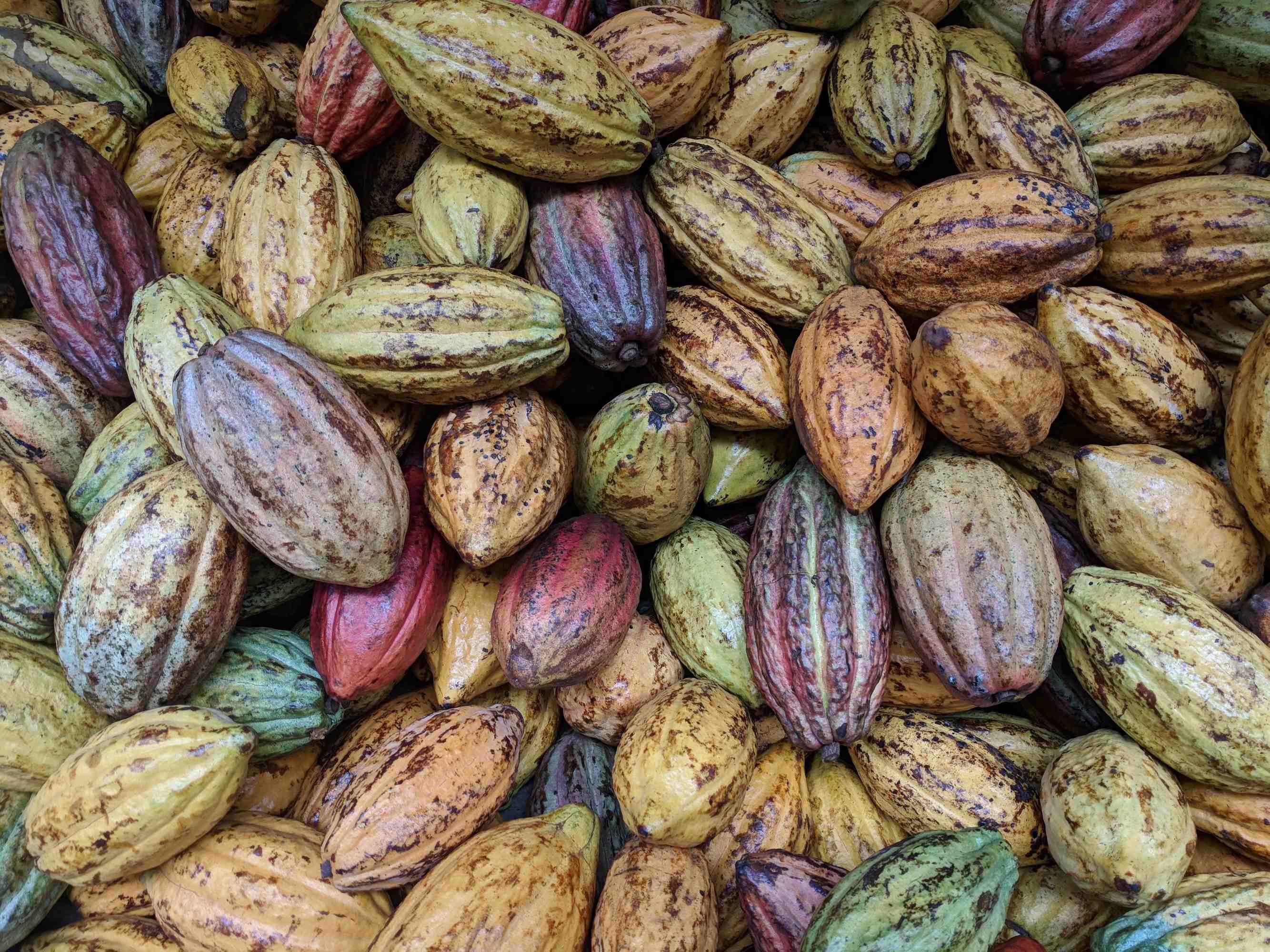
As previously mentioned, the Mesoamerican region has been key to the domestication and diversification of Theobroma cacao, acting as a primary botanical source for fine and flavor cacao—notably the Criollo and Trinitario varieties. Nevertheless, fine and flavor cacao accounts for only a small fraction of the global market, even though its production is vital to the economies of many Indigenous, Afro-Caribbean, and Mestizo communities living in isolated rural regions across Central America. Furthermore, fine cacao is an essential ingredient in the production of "single-origin" (tree-to-bar) chocolate, a sector often driven by artisanal micro-enterprises worldwide.
To access the webinar recording, click here.