 Impact
 Initiatives
 Dashboard
 Alliances


 Impact
 Initiatives
 Dashboard
 Alliances

 Technological-Organizational-Institutional
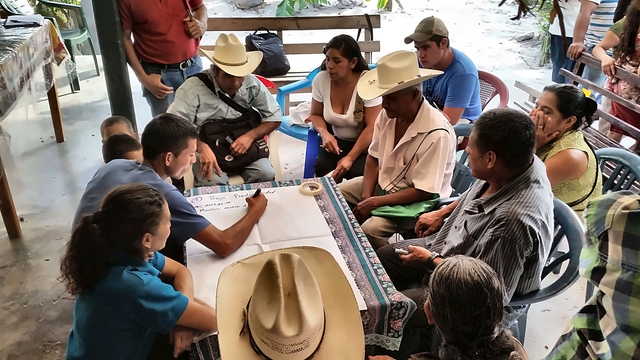
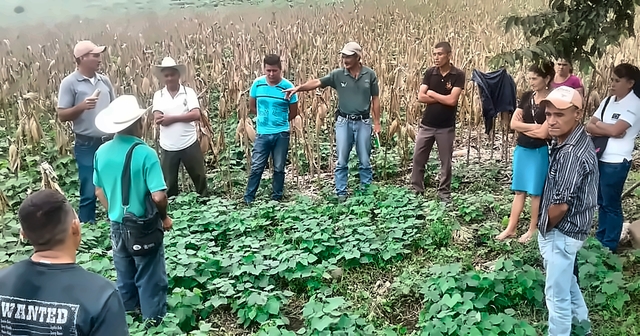
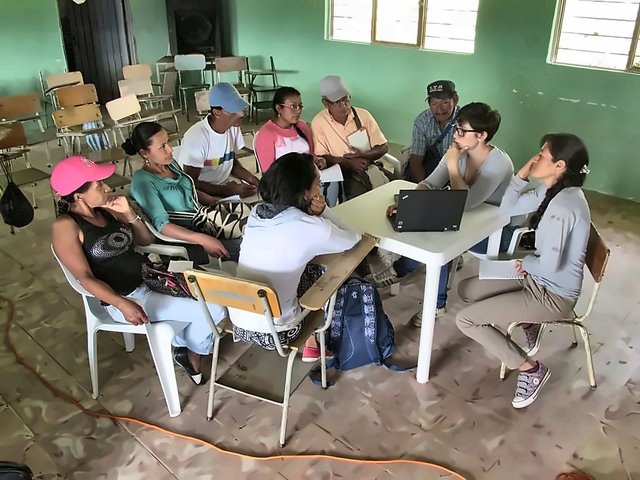
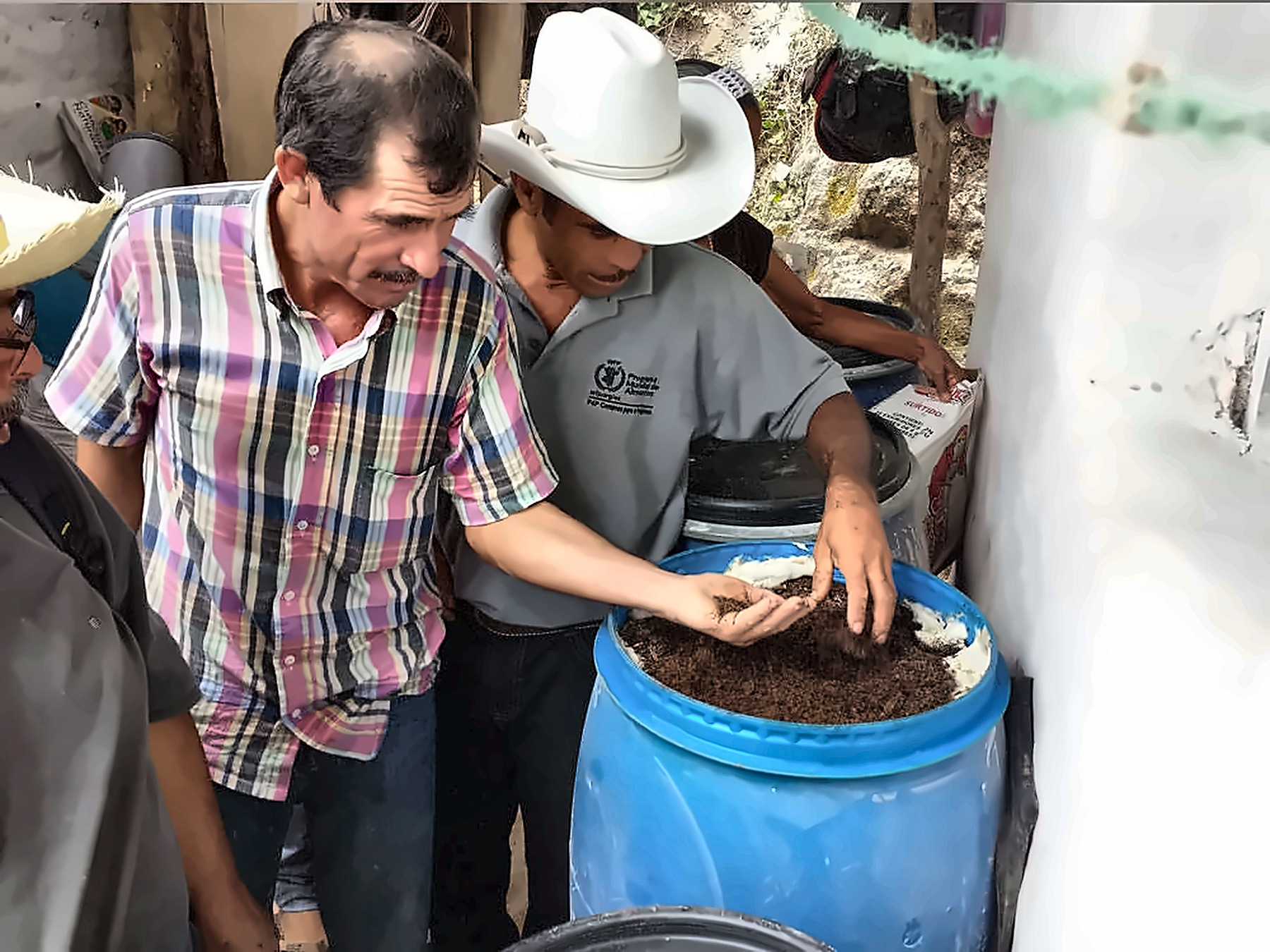
The project closed with very positive results. The number of farmers with a good understanding of climate change, out of a total of 120, increased by more than 30% thanks to training, the practices implemented and technical support. Practices tested with 30 farmers per site achieved:
- An increase of more than 10% in local food availability, through home gardens;
- A 40% improvement in farm resilience, through crop diversification and better access to water;
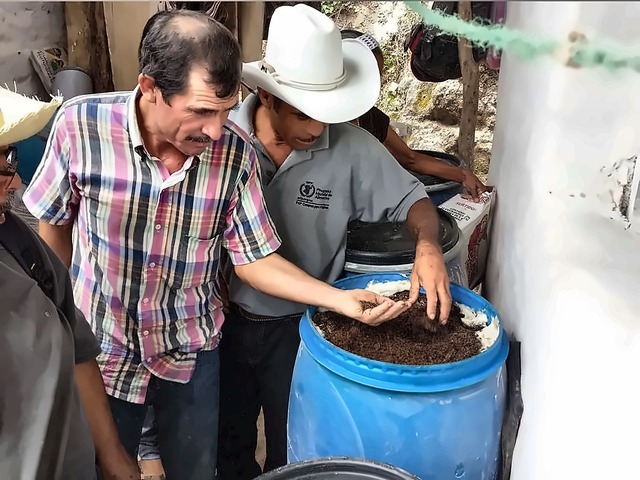
- A 30% cut in greenhouse gas emissions, through compost use and fewer synthetic fertilizers.
Ninety percent of participating farmers are adopting the practices, and others want to join the platforms.
The main legacy is a seven-step methodology for strengthening innovation platforms, set out in a manual for decision-makers and implementers. It includes indicators and tools to analyze the area, set objectives, prioritize technologies, measure changes in farmers’ knowledge and analyze trade-offs between production, adaptation and mitigation. The methodology is already used by the CCAFS program at its 36 research sites in Latin America, Africa and Asia. Overall, the project directly benefited 450 farmers and trained five technicians with master’s and doctoral degrees.
🔗 Results news story (in Spanish) 📄 2018 results poster (in Spanish) 📄 Final technical report (in Spanish) 🎥 Impact story video (in Spanish)