




 Agronomic PracticesClimate changeStrategy 1. Resilient farmsAdaptativeTechnological-Organizational-InstitutionalFamily agriculturePovertyClimate smart agricultureProductive systemsPests y DiseasesPostharvest
 2014
2014 Closed
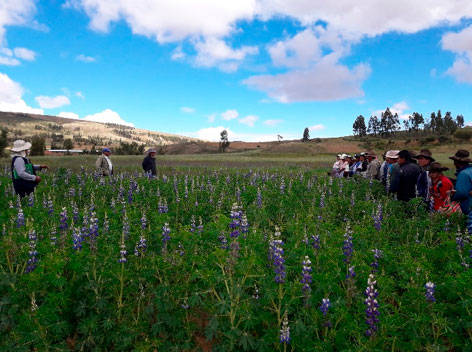
The high Andes of Bolivia and Ecuador, and the Araucania in Southern Chile are highly vulnerable to climate change, show high poverty incidence, and have few economic opportunities. Legumes of the genus Lupinus show high adaptation capacity to adverse weather and soil conditions. In Bolivia and Ecuador the bitter Lupinus (Lupinus mutabilis) prevail, while in Chile, both bitter and sweet (L. albus, L. angustifolius y L. luteum) species are cultivated. It is estimated that in Bolivia approximately 1,500 ha of Lupinus are cultivated mostly by smallholders. In Ecuador it is estimated that there are 9,596 farms that cultivate a total of 5,974 ha. In Chile over the last 5 years, the area dedicated to bitter Lupinus crops has fluctuated between 4,600 and 12,300 ha, while in sweet Lupinus it has fluctuated between 5,900 and 12,700 ha. Bitter lupinus is cultivated mainly by the Mapuche ethnic group, while sweet lupinus is cultivated by entrepreneurs who cater to the animal feed industry. Lupinus have high nutritional value in terms of protein, calcium, iron and zinc, among others.
The purpose of the project is to promote technological innovations to strengthen resilience of production systems in the High Andes of Bolivia and Ecuador and Southern Chile through the introduction of Lupinus and thus contribute to improving farmers’ well-being.
The project developed a series of technological innovations in Lupinus production, processing, and consumption, and thus contributed to increasing knowledge about the crop as well as increased economic and environmental benefits for farmers.
The following technological solutions were developed
1. Lupinus production: Crop management techniques, planting density and inoculum of rhizobia for lupinus seeds were defined.
2. Post-harvest: Tarwi (Lupinus angustifolius) de-bittering technique and tarwi thresher for family use.
3. Local consumption: Different recipes made from tarwi based on local and external knowledge were generated to promote consumption.
4. Transformation: The entire production process of high quality tarwi mote (in Quechua chuchusmuti) was implemented for its commercialization in supermarkets.
In Bolivia, there was large yield variability during a dry year (270 mm) vs a normal year (450 mm).
In Ecuador yields increased from 515 to 909 kg/ha due to fertilization.
In Chile, L. albus showed a superior potential yield than the other two species. The “Alboroto INIA” variety had an average yield of 4.7 t/ha during the first season and 5.7 t/ha during the second one. L. angustifolius had an intermediate yield and L. luteus showed the lowest yield.
Pablo Mamani
BoliviaAna Karina Saavedra
BoliviaElena Villacrés Poveda
EcuadorMario Félix Mera Krieger
ChileNelson Mazon
EcuadorAngel Murillo Ibay
EcuadorEduardo Peralta
EcuadorMaria Belén Quelal Tapia
EcuadorThe tangible impact of science and technology in the field
Sponsors


With the support of

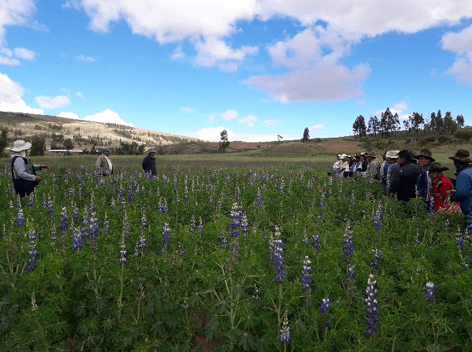
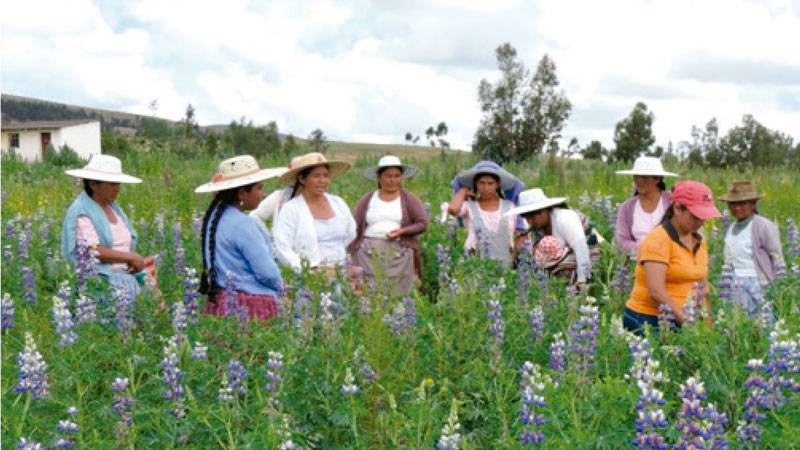
The project trained, through different methods, more than 500 producers, in addition, more than 100 families were direct beneficiaries that currently market tarwi to local companies.
This project actively contributes to achieving the Sustainable Development Goals, promoting more equitable, resilient, and sustainable regional development.





May 1, 2020

 Impact
 Initiatives
 Dashboard
 Alliances
 Impact
 Initiatives
 Dashboard
 Alliances




.png&w=384&q=75)

