
 Impact
 Initiatives
 Dashboard
 Alliances
 Impact
 Initiatives
 Dashboard
 Alliances


Learn more about this story
Project Webstory
Go to webstory





 Agronomic PracticesLivestock and Protein of the Future (“PI-2”)AppliedTechnologicalProductive systemsGas emissionAgriculture
 2025
2025 Active
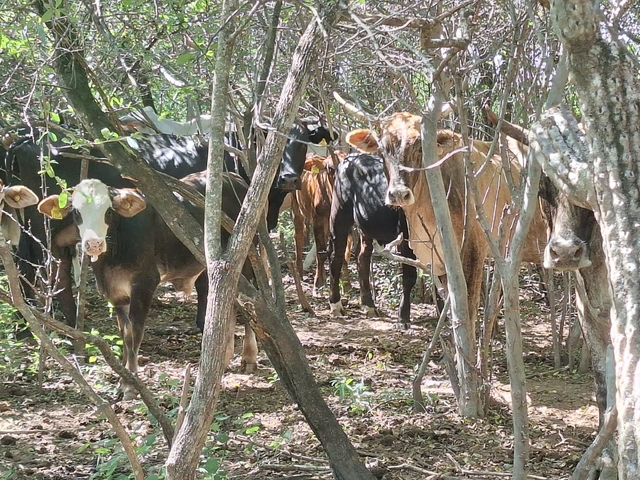
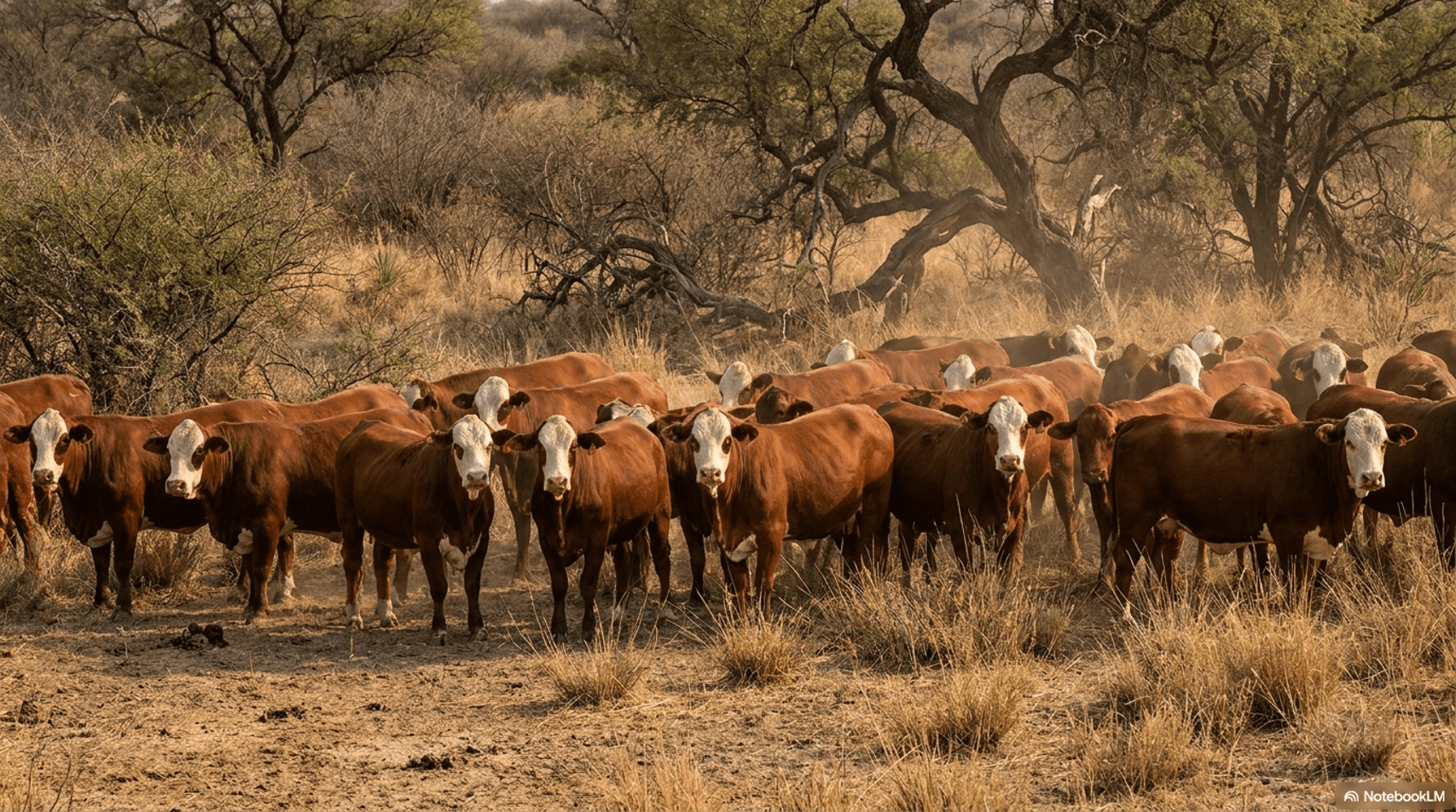
In the Gran Chaco, one of the most biodiverse regions in South America, thousands of small and medium-sized livestock producers face the challenge of sustaining their livelihoods in a context of extreme climate, low productivity, and growing environmental pressure.
Over the past few years, an initial regional effort funded by FONTAGRO and the New Zealand Ministry for Primary Industries, coordinated by INTA and local partners, made it possible to identify simple and effective technologies that improve reproductive efficiency in cow-calf systems. Now, we are going a step further: we seek not only to produce more, but to produce better and with a lower climate impact.
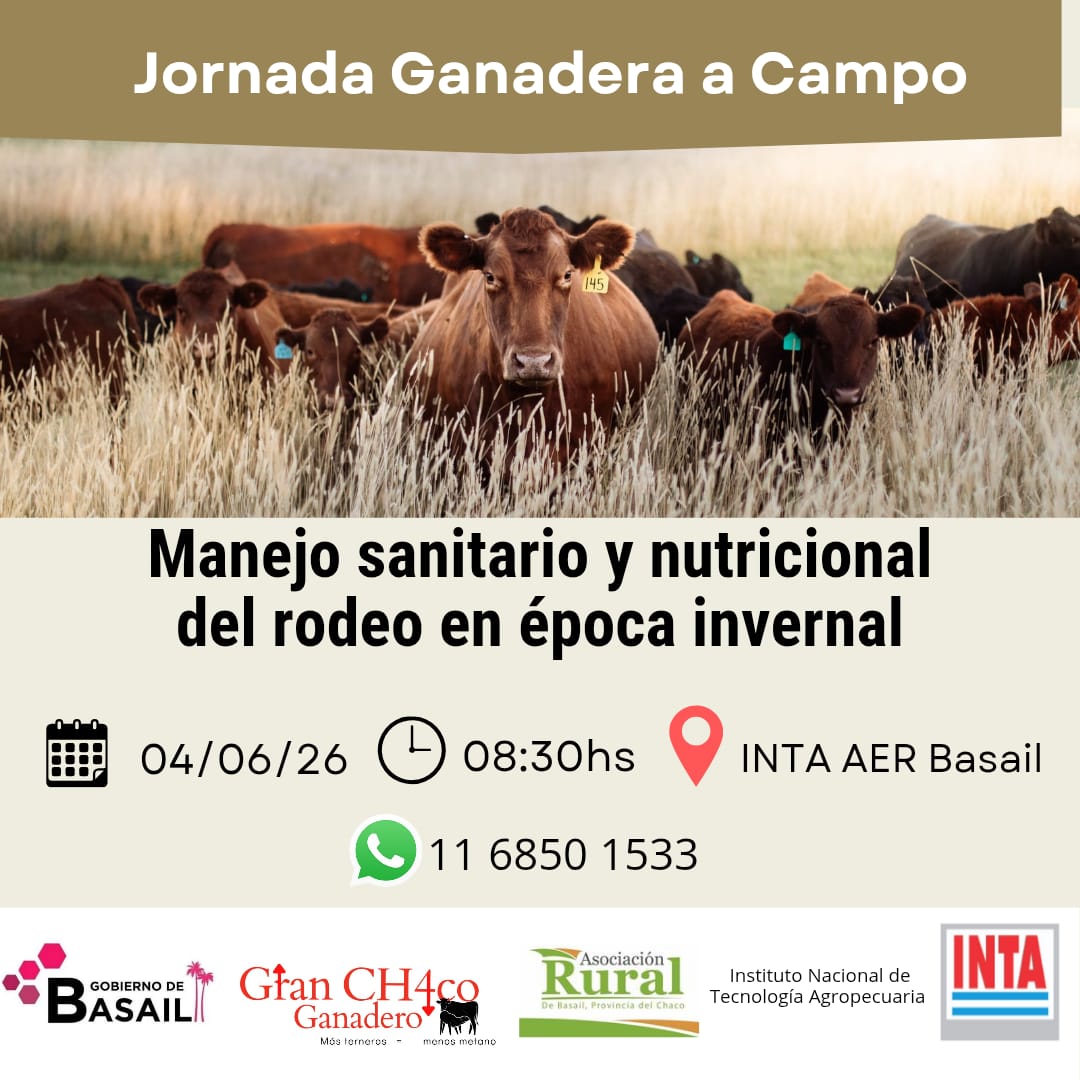
Now, the "Gran Chaco Ganadero: more calves, less methane" project promotes the adoption of livestock technologies adapted to this region, focusing on:
Increasing the productivity of breeding herds (more calves per cow).
Reducing the intensity of methane emissions per kilo of meat produced.
Strengthening local capacities for technical assistance and livestock management.
Generating evidence to scale these solutions and promote public policies and climate financing.
We will work in a network with producers, technicians, local institutions, and community leaders. In 26 pilot sites distributed across Argentina, Bolivia, and Paraguay:
We will implement livestock plans adapted to each farm.
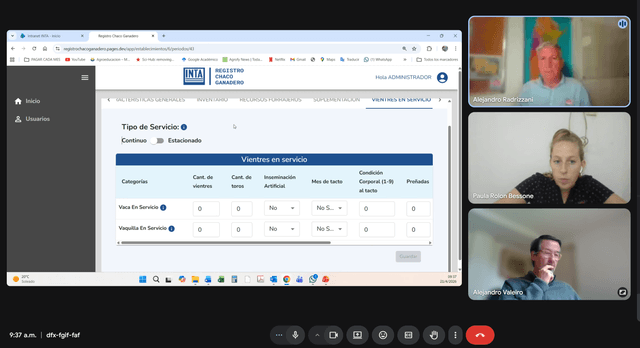
We will apply a real-time monitoring app.
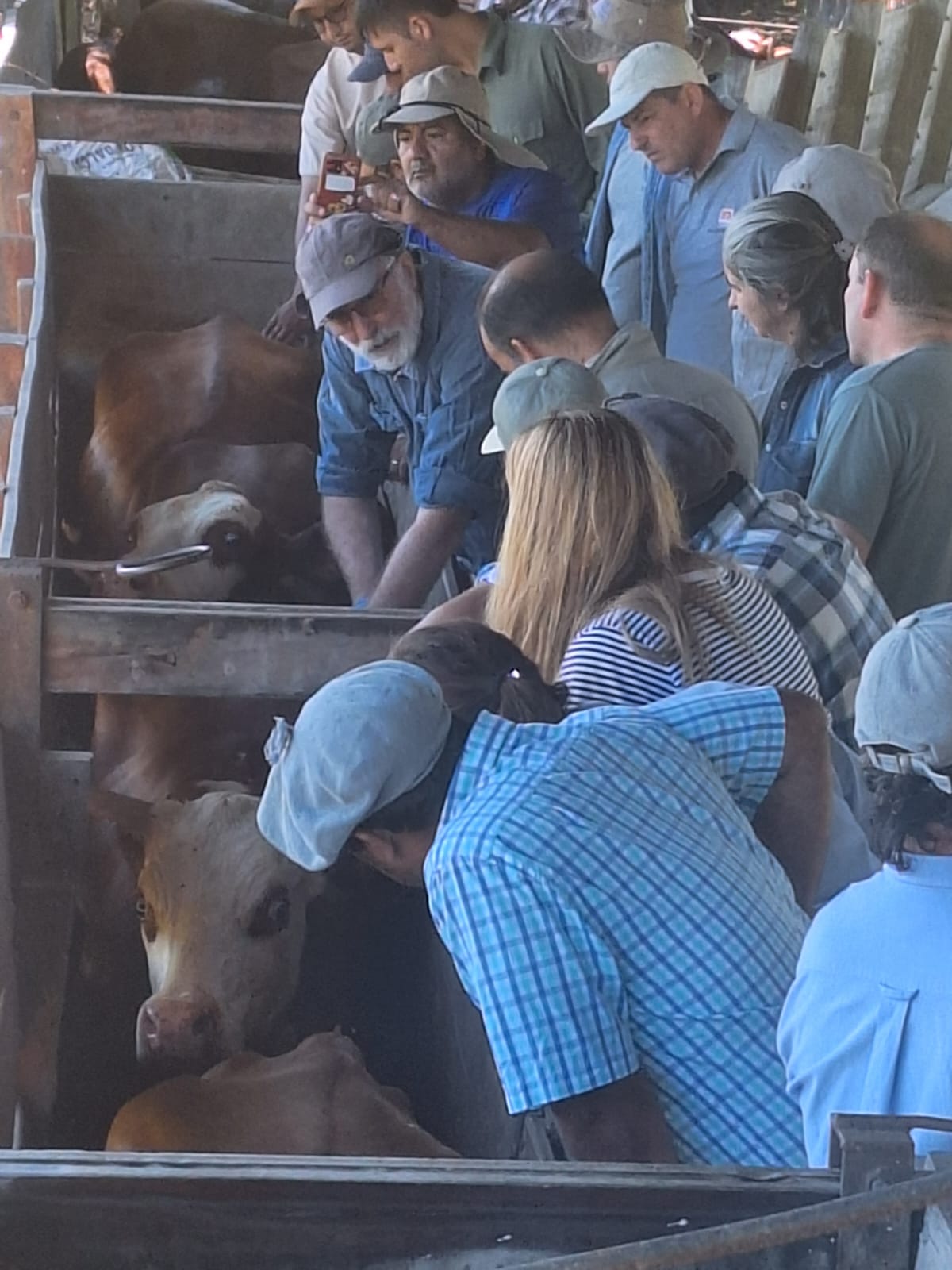
We will train technicians and producers in reproductive management, nutrition, health, and handling.
Productive and environmental impacts will be measured.
We will communicate results to scale up the experience.
Why does this matter?
Because more efficient livestock farming not only improves rural incomes: it is also key to facing climate change, reducing emissions, and conserving Chacoan ecosystems.
Because producing more with less methane... is possible.
The technological proposal focuses on the validation and implementation of critical Technological Innovations (TIs) designed for cow-calf systems, aiming to increase productivity by 30% and reduce enteric methane emission intensity by a similar percentage. These innovations include reproductive management through controlled breeding seasons and monitoring of cattle body condition at key moments. Additionally, weaning management techniques are applied to maintain the condition of the mothers, along with rigorous herd health control and forage planning to balance nutritional needs throughout the year.
To enhance these practices, the project incorporates AgTech tools and silvopastoral systems that optimize forage production and grazing efficiency. Notable is the use of digital applications like "Chaco Ganadero Registry" for monthly indicator tracking, as well as an emissions calculator developed by INTA and specifically adapted to the Chaco region. This combination of biological management and digital tools allows for a precise comparative analysis between the baseline and post-intervention results, facilitating data-driven decision-making for climate-smart livestock farming.
Productive and Environmental Impact
Productivity Increase: A 30% increase in productivity rates is expected, measured specifically through the weaning rate and the kilograms of calf produced per cow.
Emission Reduction: The goal is to achieve a 30% reduction in methane emission intensity (kg of CH4 per kg of meat produced).
Validated Systems: The consolidation of breeding models using Technological Innovations (TIs) validated and adapted to the reality of the Gran Chaco.
Tools and Knowledge
INTA Emissions Calculator: The development and testing of a platform (Excel-based) specifically adapted to estimate greenhouse gases in the region's livestock systems.
Technical Training: The creation of a solid network of extension agents, advisors, and producers trained in these new technologies.
Dissemination Materials: Technical publications and descriptive videos on the technologies implemented to facilitate their adoption by other producers.
Evidence and Scalability
Scientific Publications: Generation of at least one technical report and one peer-reviewed scientific publication on the results obtained.
Final Impact Analysis: A closing report including recommendations for scaling these practices regionally in Argentina, Bolivia, and Paraguay.
The first group is made up of livestock producers, local communities, and rural families from the tri-national region (Argentina, Bolivia, and Paraguay), who seek production models that ensure their rootedness and profitability without compromising the environment. These direct beneficiaries receive technological tools, training in regenerative livestock practices, and access to marketing networks that value sustainability. By strengthening their management capacity in the territory, the project not only improves their livelihoods but also promotes real territorial inclusion, integrating those who have historically safeguarded the Gran Chaco into the formal and modern economy.
The second pillar of beneficiaries includes scientific institutions, civil society organizations, and environmental management bodies operating in the Chaco ecosystem. By generating precise data, traceability maps, and reports on strategic findings, the project becomes a public good that facilitates evidence-based decision-making. This allows technicians and decision-makers to design more efficient public policies, ensure compliance with international regulations (such as those of the European Union), and guarantee biodiversity conservation, ultimately benefiting global society through the preservation of one of the most important biomes on the continent.
This project actively contributes to achieving the Sustainable Development Goals, promoting more equitable, resilient, and sustainable regional development.

October 5, 2026
June 5, 2026
June 1, 2026
Alejandro Radrizzani
Alejandro Valeiro
Juan Carlos Rivera
Marcelo Pamies
Carlos Fernando Davalos
Mariano Lestani Sablich
Paula Rolón Bessone
Rodolfo Stahringer
Maura Ortiz
Antero Cabrera
Efraín Adorno
federico Vera
Eduardo Olmos
Alexandro Etcheverry
Sergio Cardozo
Jorge Cabañas
Sponsors


With the support of



