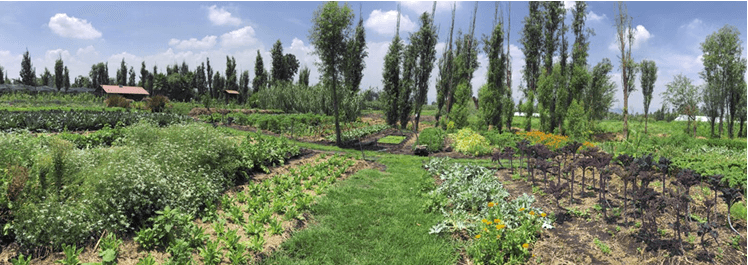
The mining activity developed in both regions competes for the use of agricultural soils and prevents the production of food for fresh consumption due to the potential risk of phytoextraction of heavy metals. In turn, the traction and economic prosperity generated during the mining operation collapses at the closure of the mine. In this context, we proposed a biotechnological alternative to rhizorestation of landfill areas without vegetation cover to mitigate the impact on agricultural productivity of farmily farming communities adjacent to mining areas. This promotes regional microeconomies and their access to new markets based on the production of cosmetics and biologicals from organic products.
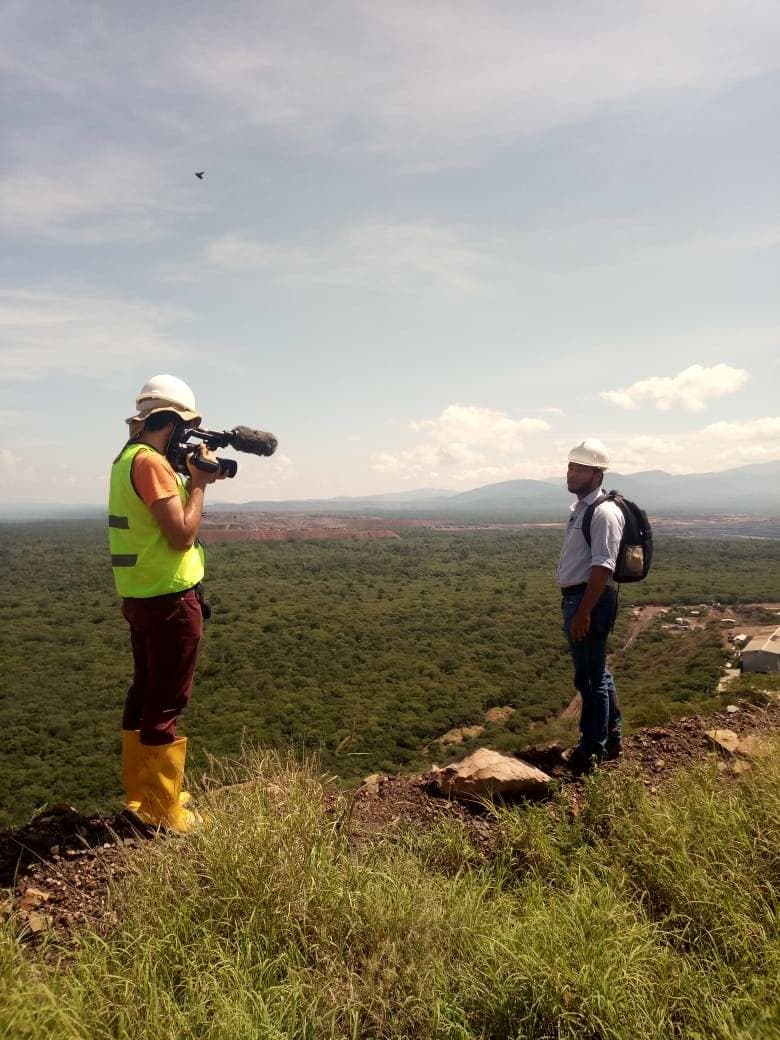
1. MARKET STUDY. It assessed the production of essential oils in Latin America and the Caribbean (LAC) and the potential mining areas to be intervened. A study of national and international market projections was carried out and the socioeconomic and environmental impact of the proposed productive developments was assessed.
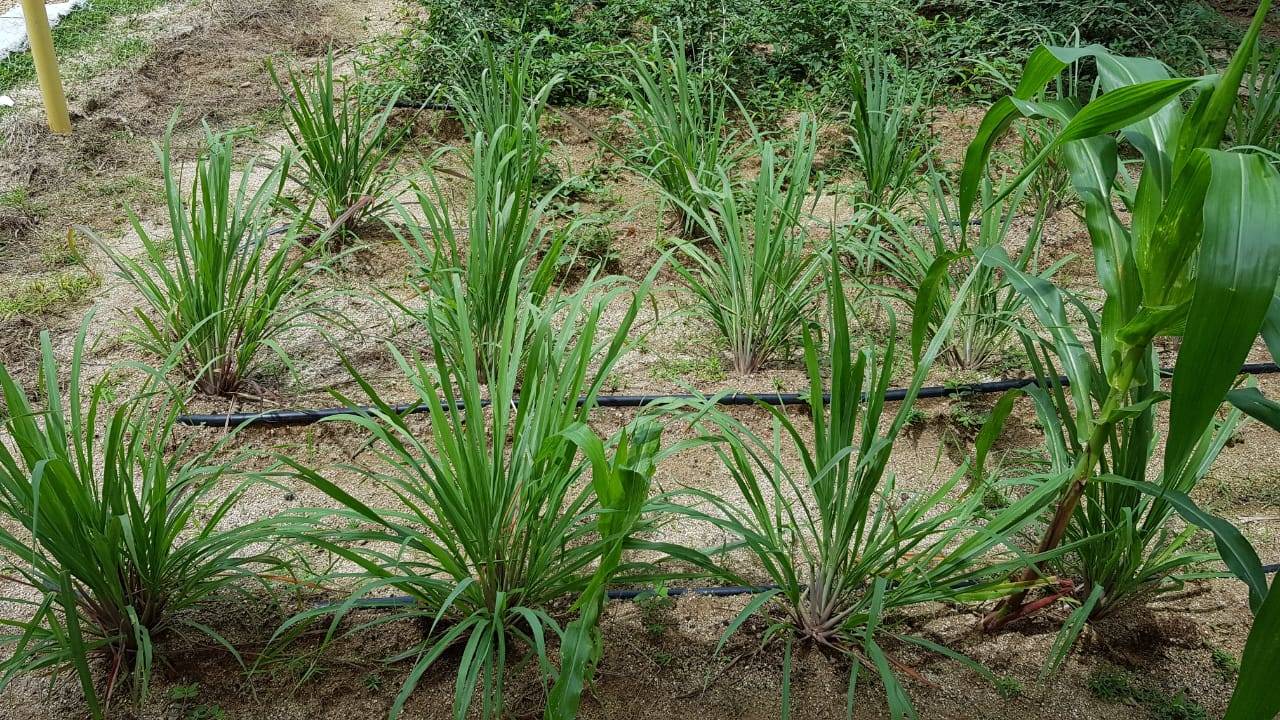
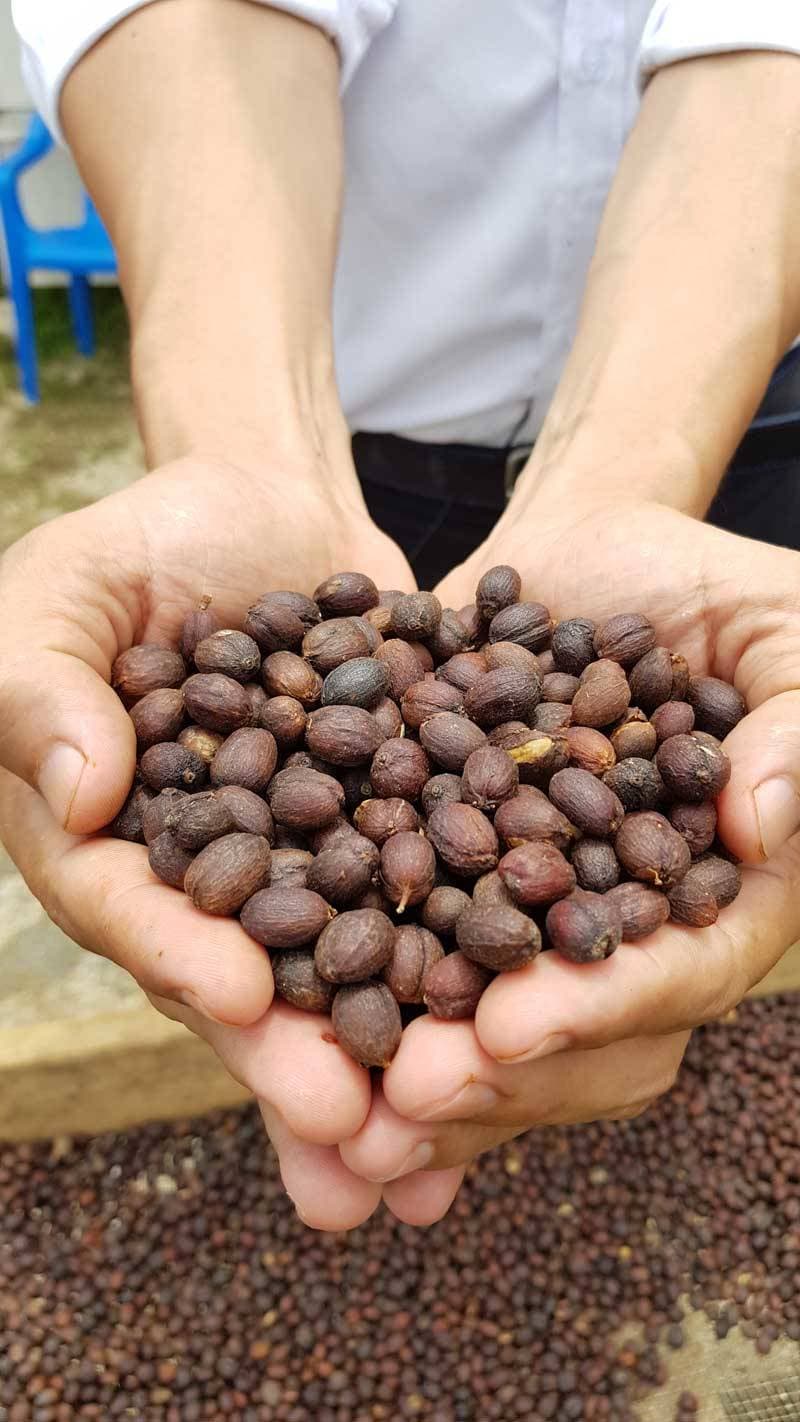
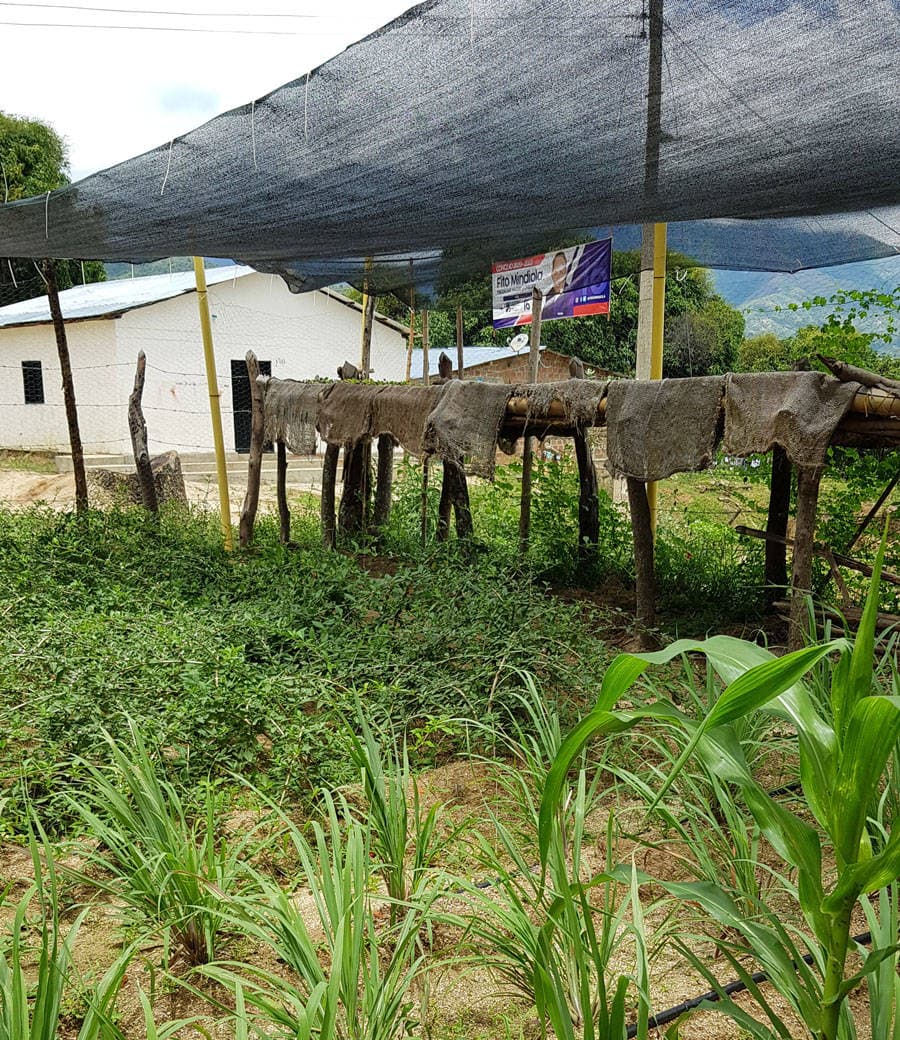
2. REMEDIATION OF MINING SOILS USING AROMATICS. The bioprospecting of new native species tolerant to heavy metals that are of biotechnological interest was carried out, and they were produced on a pilot scale in our own nursery. Soil remediation tests were carried out and evaluated up to the development of biologicals from biomass products. A mine closure protocol was designed.
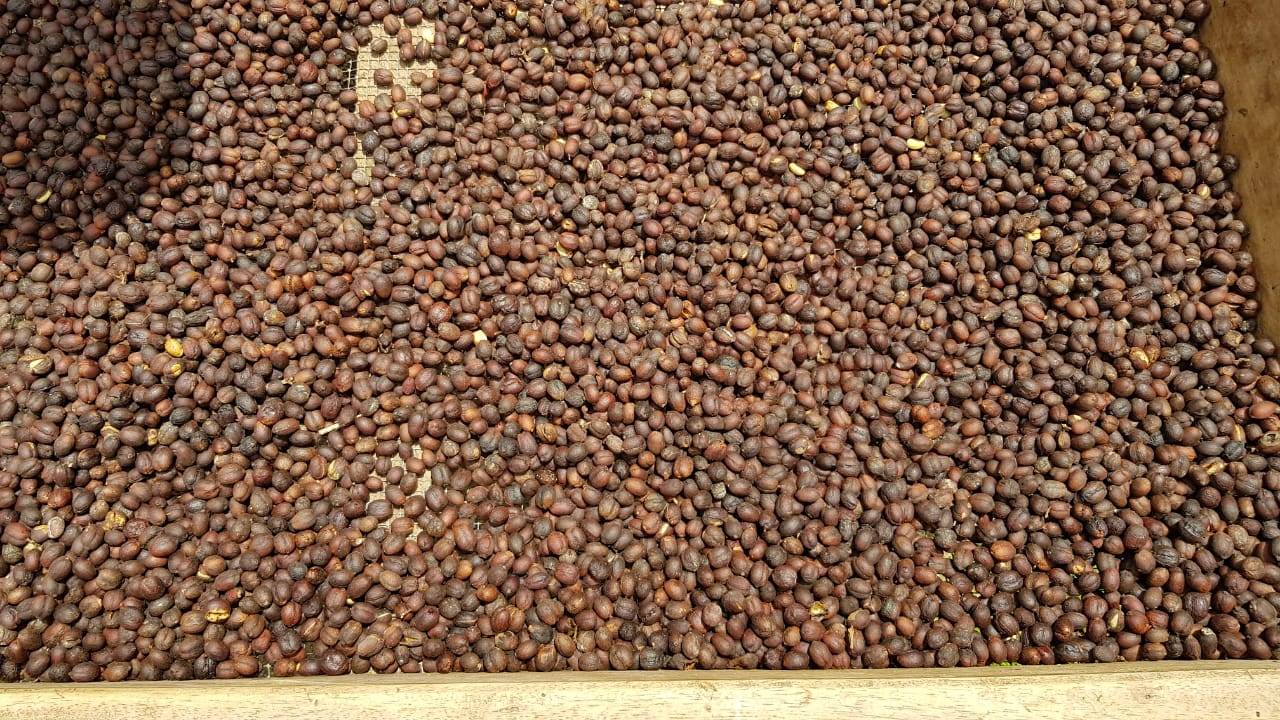
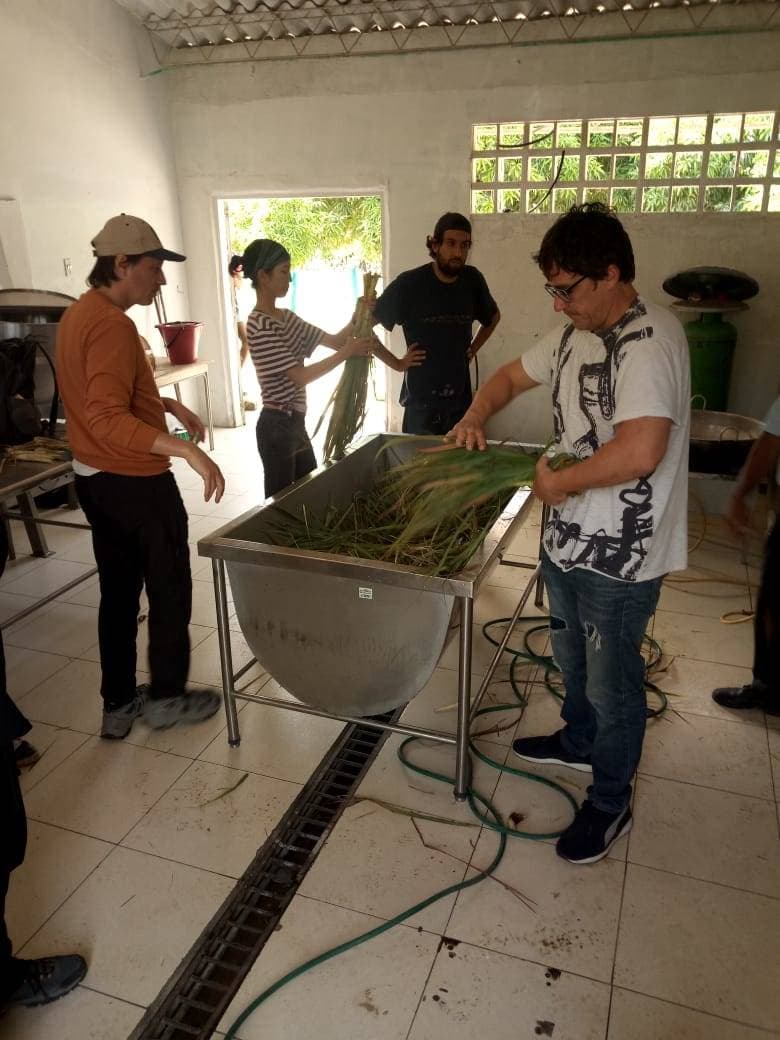
3. DEVELOPMENT OF BIOLOGICALS From the oils obtained from the biomass, cosmetics and biologicals for organic agriculture were developed.
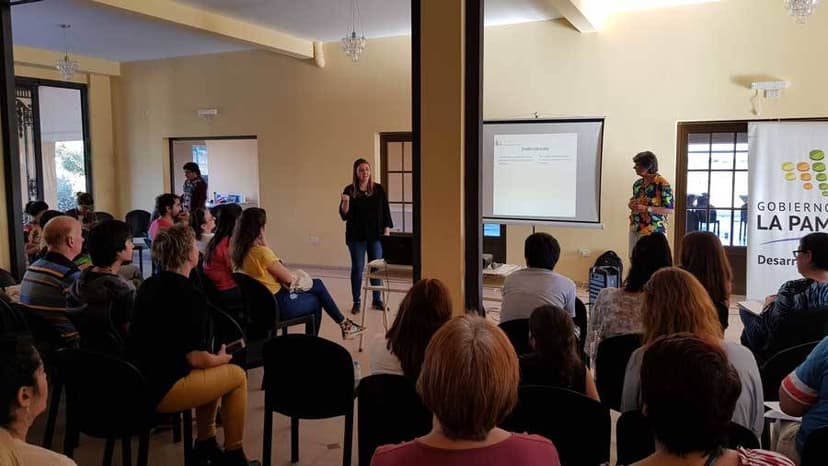
4. DISSEMINATION OF KNOWLEDGE. Based on the dynamics of field schools, tools were designed for the dissemination and democratization of the knowledge generated.
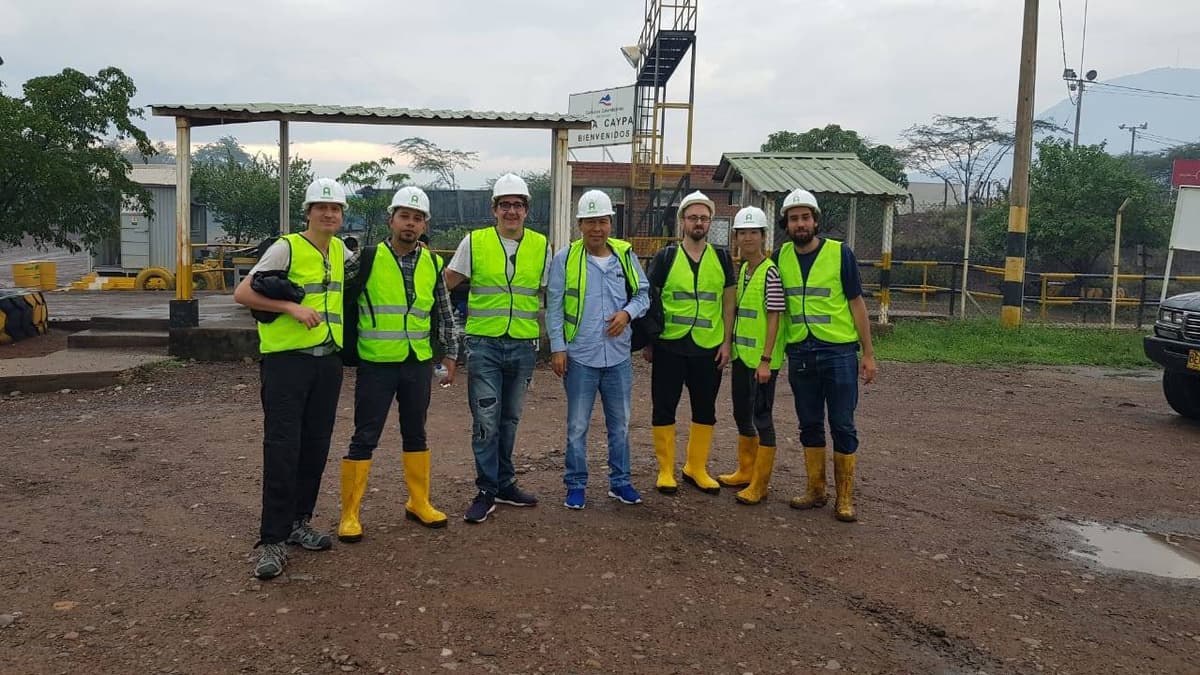
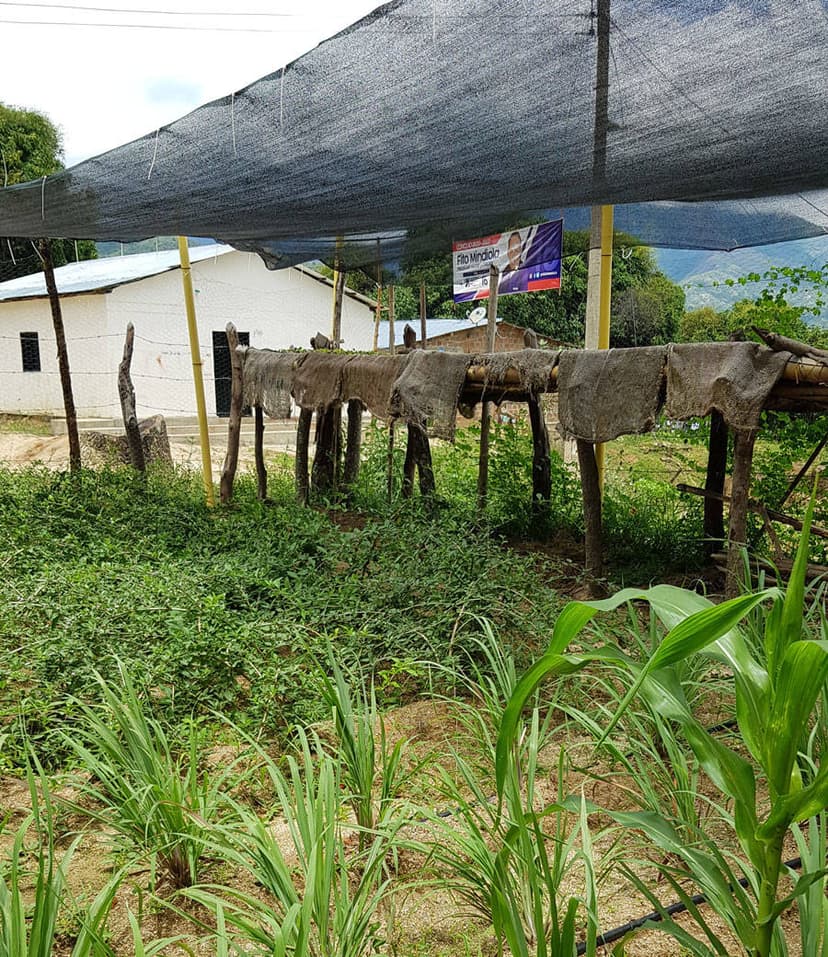
The direct beneficiaries are 600 family farmers (250 from Argentina and 350 from Colombia). In Argentina, about 60 families belonging to 18 organizations were directly benefited, promoted through the Municipality of Santa Rosa and the Secretary of Family Agriculture of the province, in the towns of Santa Rosa, General Pico, Toay, Cachirulo and Anguil. In Colombia, the beneficiaries correspond to 150 members associated with the Kankuamos Agroecological Producers Cooperative and 200 family farmers from new associations in the Caribbean region (Serranía del Perijá, Department of Cesar). The indirect beneficiaries are the rest of the actors in the value chain (distributors, merchants and the province.




 Value chain










 Impact
 Initiatives
 Dashboard
 Alliances
 Impact
 Initiatives
 Dashboard
 Alliances





1.png&w=750&q=75)