Coffee is one of the most consumed beverages globally, produced in over 70 countries, primarily in the "coffee belt" that spans Latin America, Africa, Asia, and some Indian Ocean islands. The industry, valued at three trillion dollars annually, involves 25 million farmers and more than 1.5 million coffee shops. However, it faces environmental and social sustainability issues, such as high water consumption and price variability, which particularly affect Colombian producers. These challenges include extreme weather conditions and economic competition. In response, INNOVAKIT in 2015 introduced a methodology to improve knowledge adoption and coffee quality, integrating advanced technologies and sustainable practices.
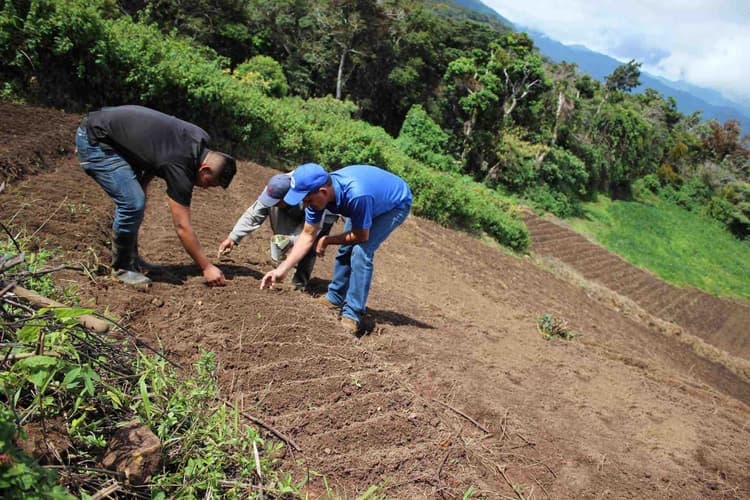
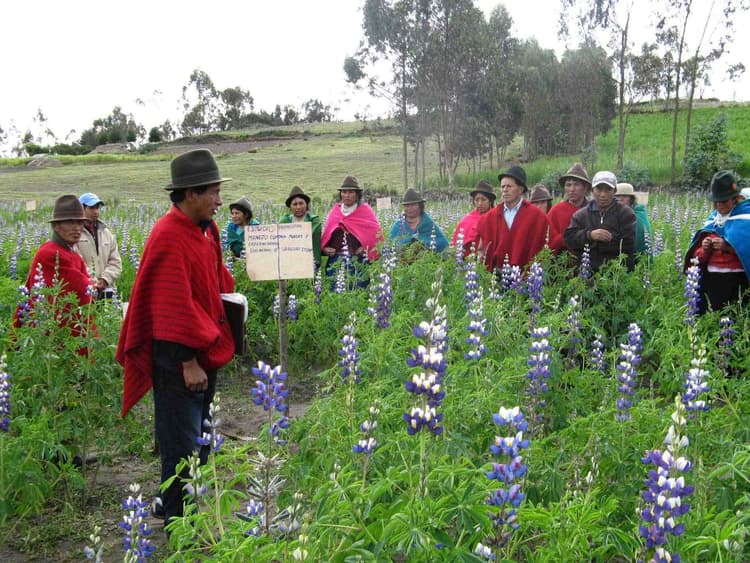
This model, called Technological Innovation Hubs, developed by INNOVAKIT, addresses the challenge of simplifying process implementation in the production of specialty coffees. It focuses on simple and accessible technological tools to enhance productivity, especially for small producers globally. It includes technical assistance that reinforces good environmental practices and climate adaptation, along with organizational, financial, and administrative support. An ecosocial component aims for carbon neutrality and reduces water and plastic footprints. Additionally, it integrates the participation of youth and children in collaborative learning processes that promote traceability and digital visibility, ensuring quality and sustainability in coffee production. This participatory approach involves lead producers in technology transfer, linking rural communities in continuous improvement and the creation of differentiated coffee for exclusive markets.
The Technological Innovation Hubs in coffee production have transformed the bioeconomy in six countries, benefiting 3,000 coffee farmers. Initially established in Cundinamarca, Colombia, in 2015, these hubs have implemented technologies that reduce water consumption by 80% and have captured more than 90 tons of carbon through reforestation, offering bonuses to producers for each tree planted. Additionally, plastic collection has been incentivized and 146 microcredits have been granted, primarily benefiting women. This approach has increased sales of specialty coffee by 10% and doubled the premium paid to producers, solidifying a sustainable and economically viable production model.
Revolutionizing Coffee Production through Cutting-Edge Innovation
Excellence in Coffee: Innovation that Transforms
_11_41_00.png&w=3840&q=100)



_14_01_3111.png&w=3840&q=100)

_14_00_09.png&w=1200&q=75)
_14_01_467.png&w=3840&q=100)
 Bioeconomía
_13_31_53.png&w=3840&q=100)








 Impact
 Initiatives
 Dashboard
 Alliances
 Impact
 Initiatives
 Dashboard
 Alliances