Twenty-five percent of the soils in Panama are suitable for agricultural use. However, some 400,000 people in rural areas consume insufficient amounts of micronutrients, a situation that severely restricts human and socioeconomic development in the region and the country.
Of the 4.2 million inhabitants of Panama, a large percentage of adults and children are overweight or obese, according to official data from 2015.
Anemia affects many children of all ages and almost 50% of all pregnant women, while vitamin A deficiency is present in approximately 25% of all children under 5 years of age.
The solution started with the creation of AgroNutre, an inter-institutional and multidisciplinary partnership that covered technical, social, food, health and educational areas.
With the support of a group of experts that included HarvestPlus, a world leader in biofortification, AgroNutre obtained the biofortified germplasm of corn, bean, rice and sweet potato needed to carry out genetic improvement.
Through crossing,the group obtained nutritionally superior materials that were resistant to the main pests and adaptable to family farming systems.
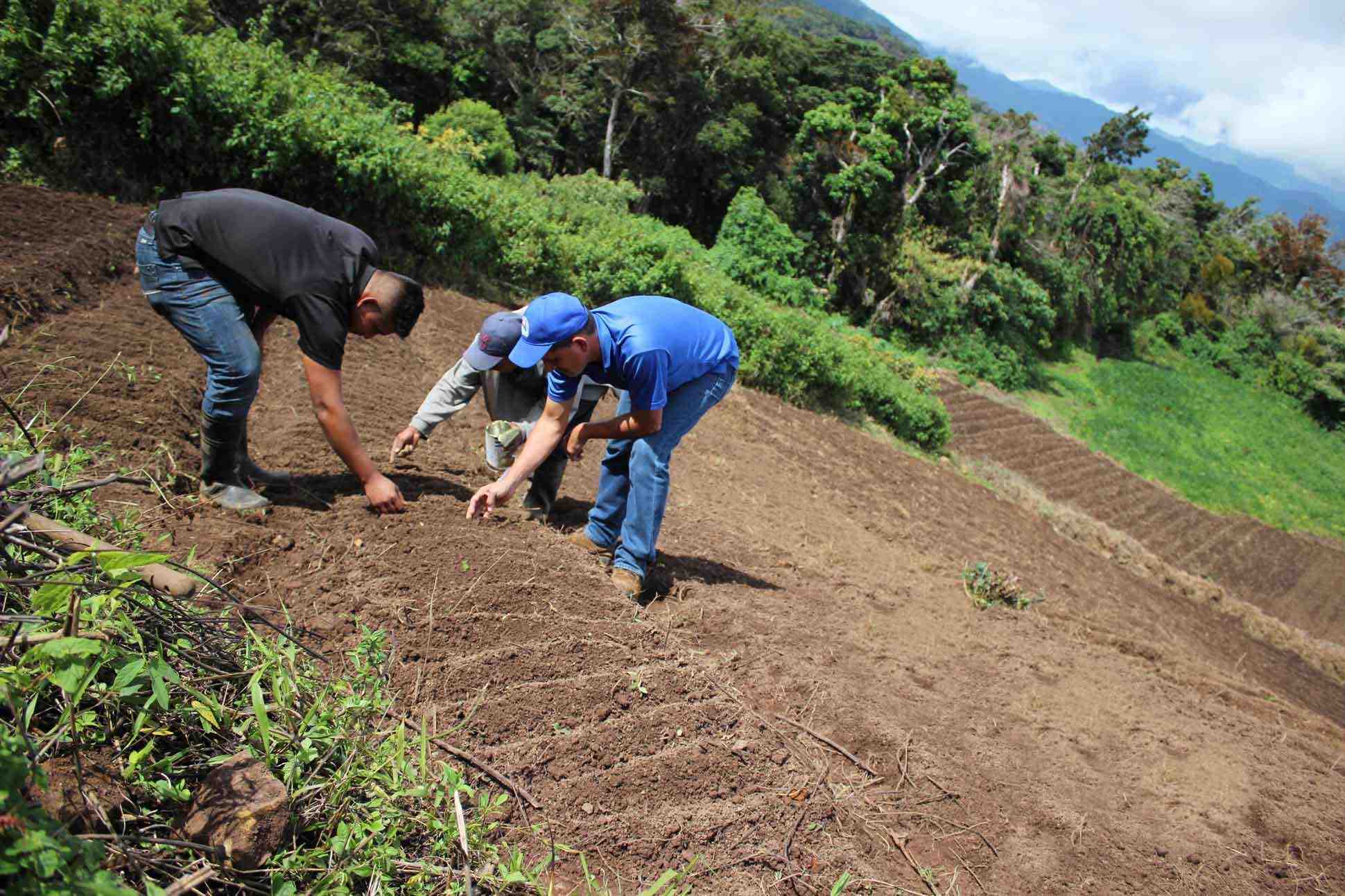
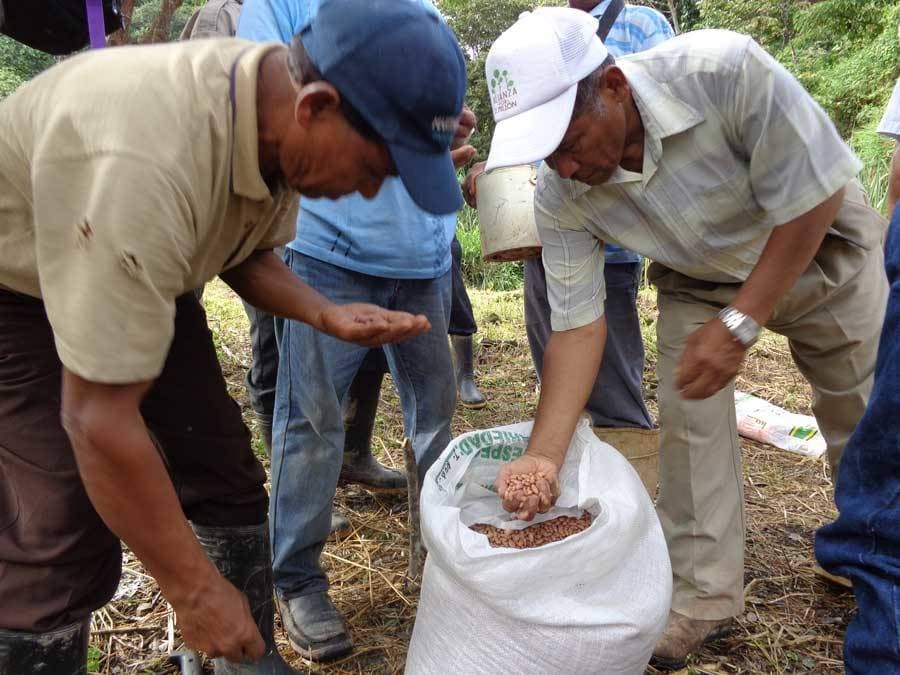
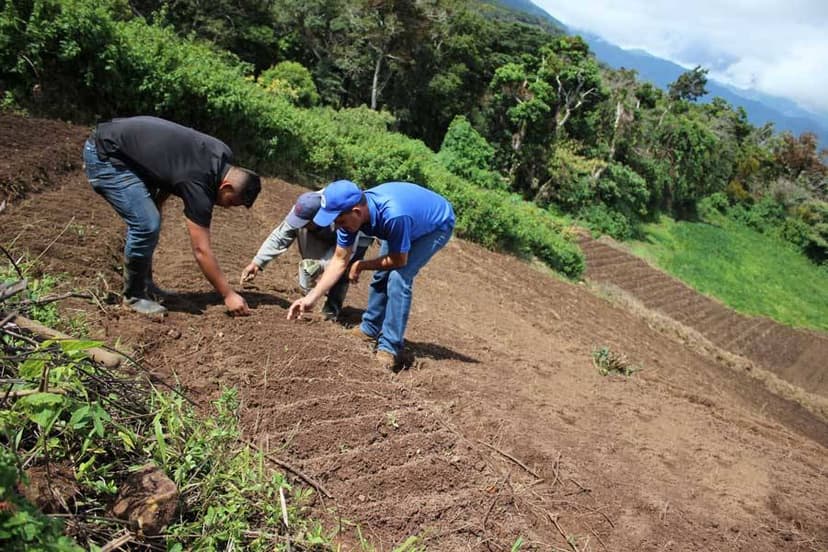
Later, seeds were multiplied so that biofortified varieties could be delivered to farmers in high-risk areas, where the most frequent staples are rice, corn and beans.
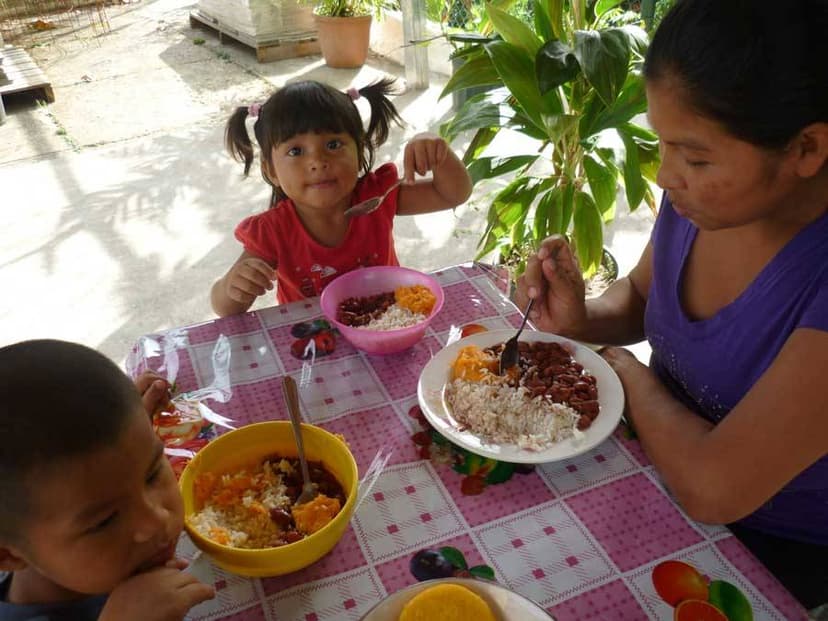
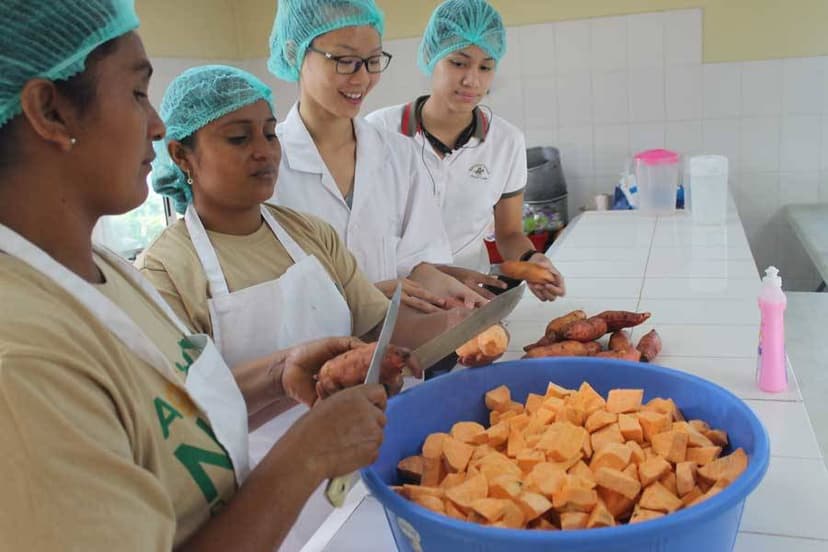
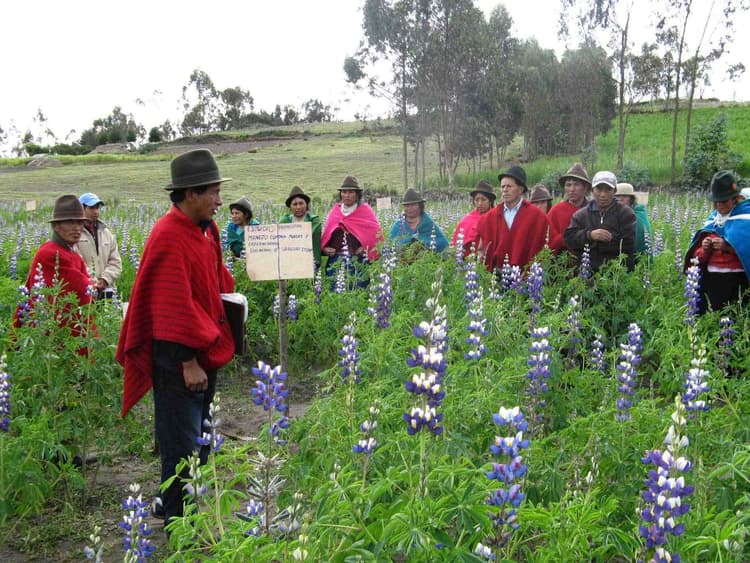
To broaden the impact of the solution, the team continually supplies varieties to respond to zone-specific deficiencies, trains producers in cultivation methods, and promotes food education in school gardens.
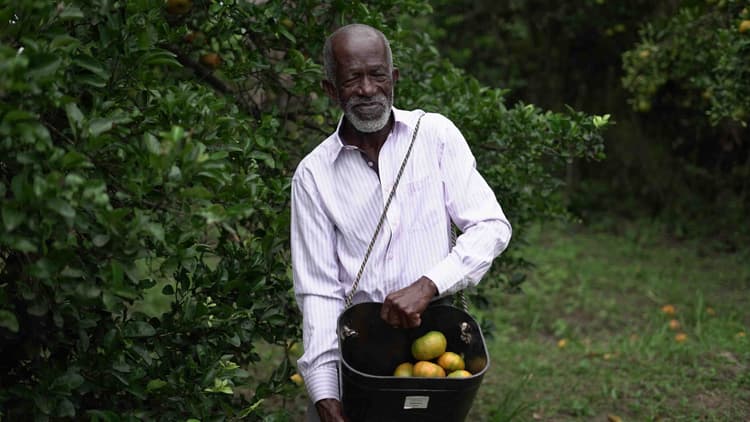
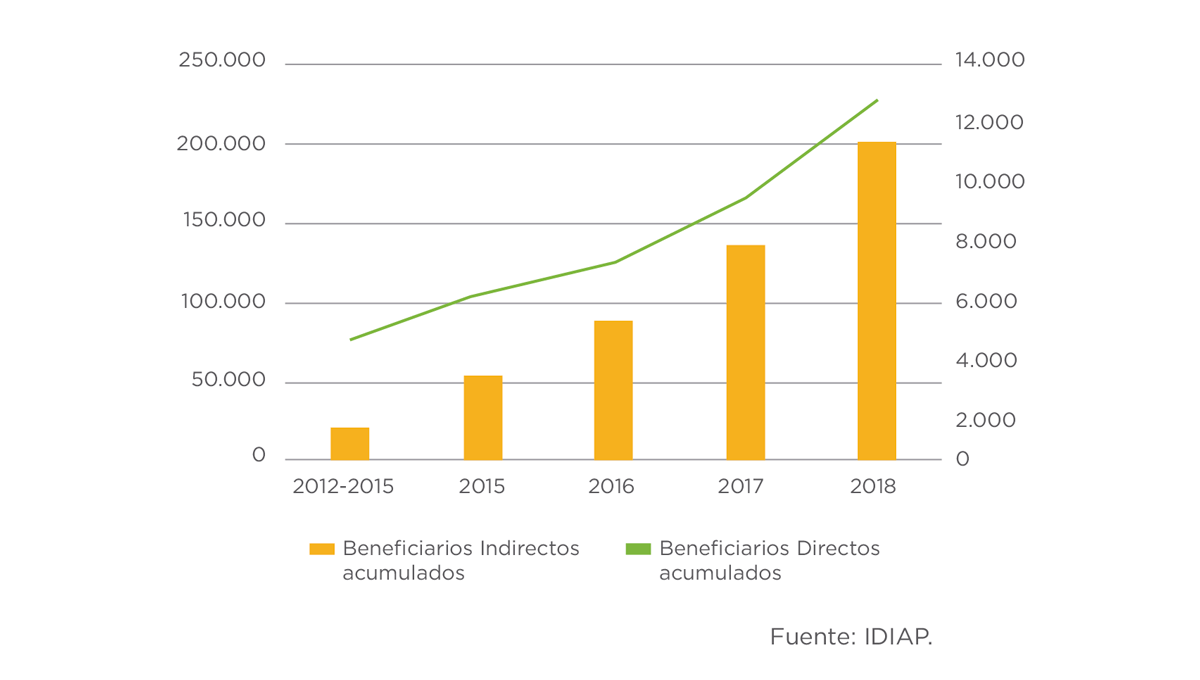
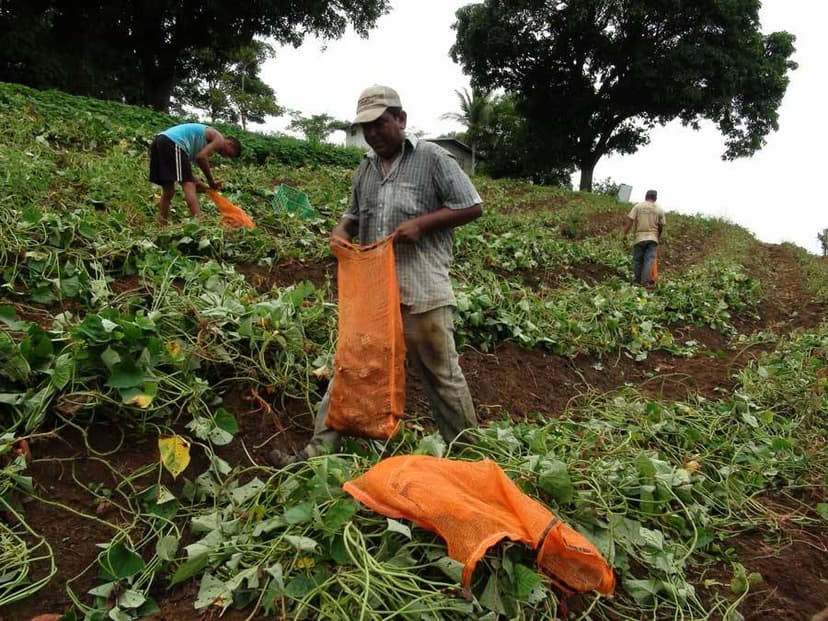
Today Panama produces twelve biofortified varieties, benefiting 812 rural communities and reaching hundreds of locations and thousands of producers.
Between 2014 and 2017, for example, the country produced 173 tons of biofortified seeds.
Intensive cultivation of biofortified rice, aninitiative co-financed by FONTAGRO, resulted in 20 platforms of 250 small producers that achieved greater rice production for their own consumption, with less environmental impact and greater sustainability for family farming
A range of studies have been carried out among the beneficiary populations to validate the acceptance of biofortified foods when compared with traditional varieties.
Statistics
AgroNutre proyect beneficieries




 Basic Genetics














 Impact
 Initiatives
 Dashboard
 Alliances
 Impact
 Initiatives
 Dashboard
 Alliances