In some communities in Ecuador, poverty affects up to 95% of the population, where 35% to 50% of children under five years of age suffer from chronic malnutrition.
In this context, the incidence of anemia reaches alarming levels.
Agriculture, the local main means of subsistence, is developed in an unfavorable ecosystem, disconnected from markets and with minimal access to basic services.
The population, especially the indigenous peoples, consumes carbohydrates in excess.
However, the reassessment of the high nutritional value of ancestral Andean crops, such as quinoa, lupin and amaranth, has emerged as a strategy to transform this situation.
Researchers used cross and selected breeding to produce varieties that show adaptability to the environment and desirable agronomic traits.
The technological solution lowered the content of endogenous antinutritional factors in the food, such as saponins in quinoa and alkaloids in lupin, whose conventional removal requires washing with large amounts of water, thus discouraging famer adoption.
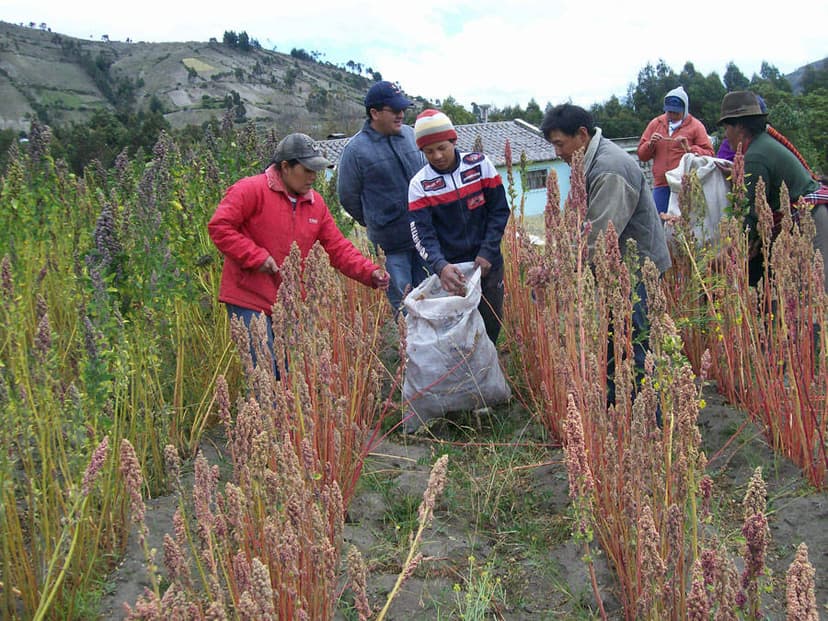
INIAP improved quinoa to release varieties low in saponins and less treatment-intensive.
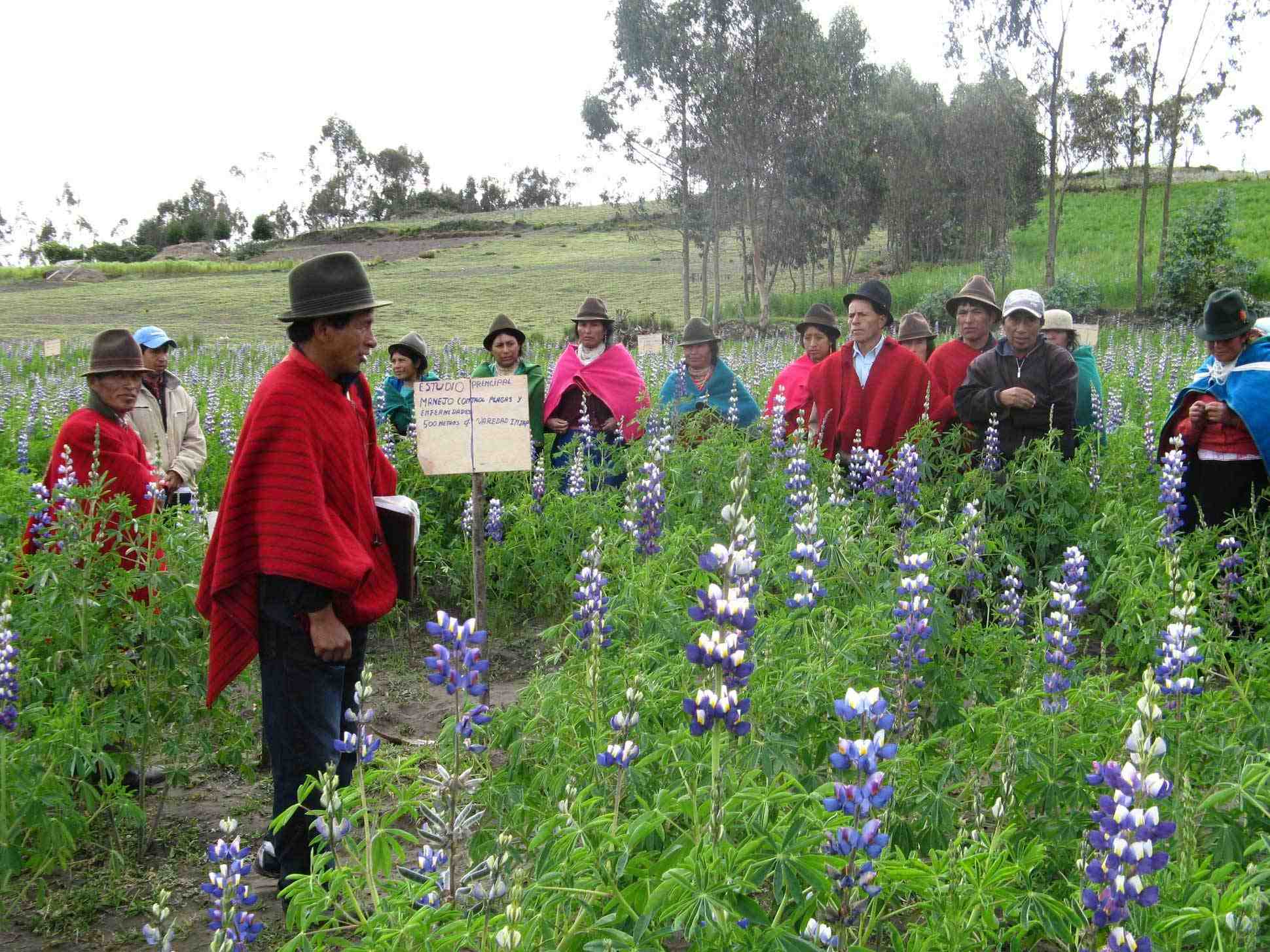
A project supported by FONTAGRO enabled farmers to reduce process time and water use during alkaloid removal to debitter lupin.
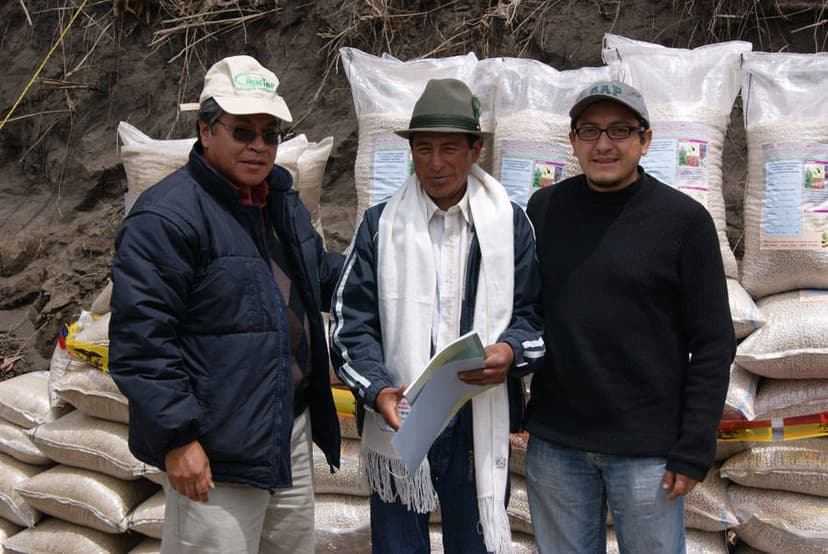
These outcomes, validated in laboratories, test fields and farmers' lands, were introduced to local families.
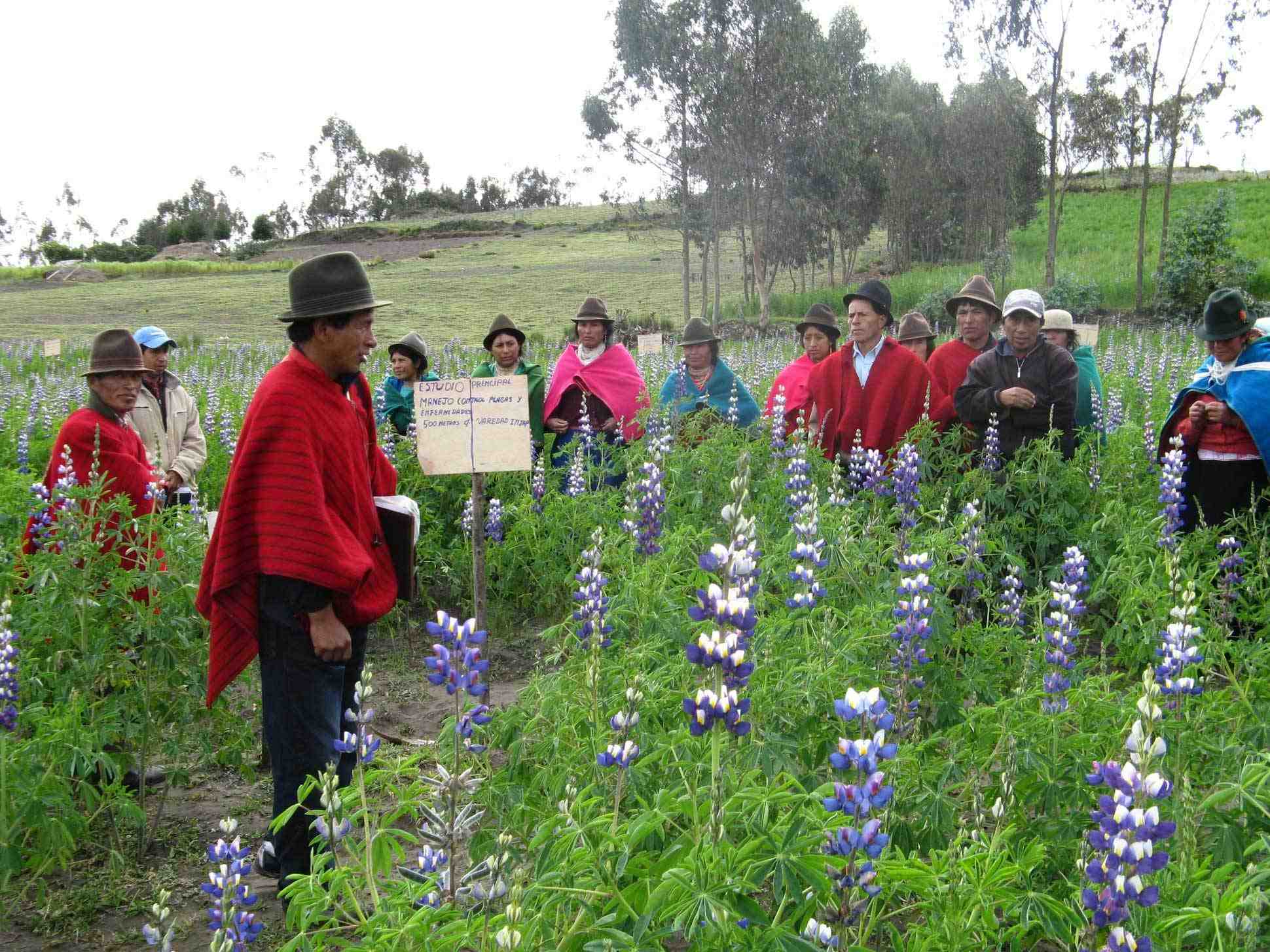
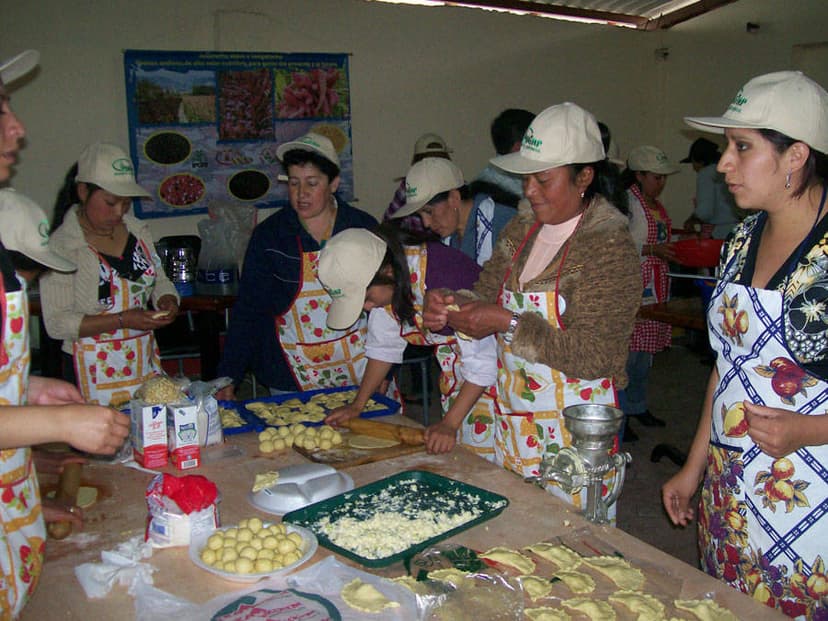
Users participated in workshops that promoted consumption through lessons in good crop management and the use of grains in everyday meals.
Around 500 indigenous have directly benefitted from the case results.
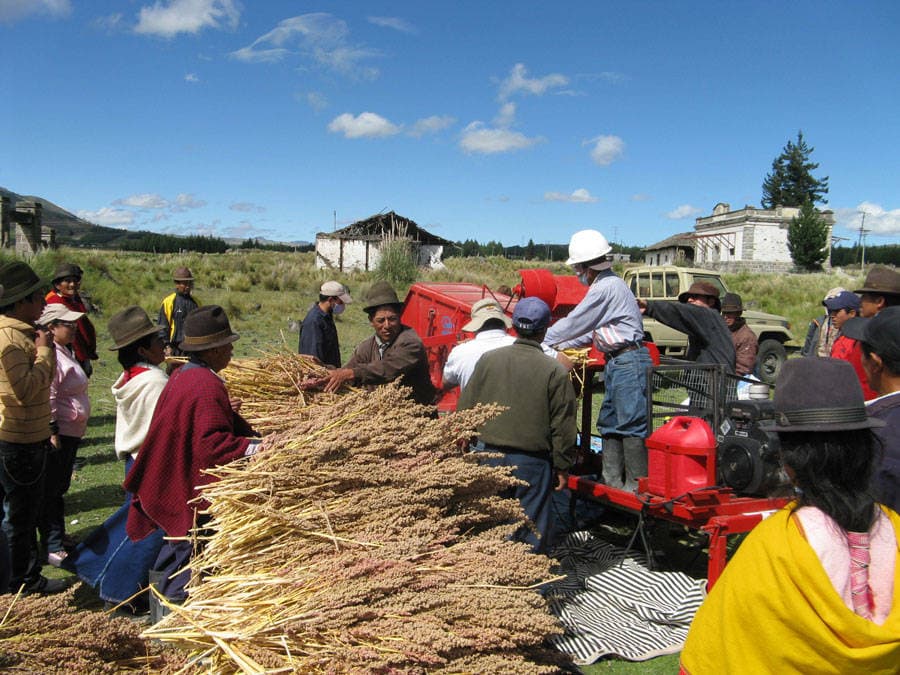
The project increased the production and distribution of seeds and the cultivated.
The combined increase in the consumption of lupin and quinoa reached 30% throughout the period.
As part of a campaign to raise awareness and increase involvement, mothers and school cafeteria managers joined in the promotion of the INIAP varieties.
Experts conducted workshops to provide information on the ways the crops are obtained and their nutritional value.
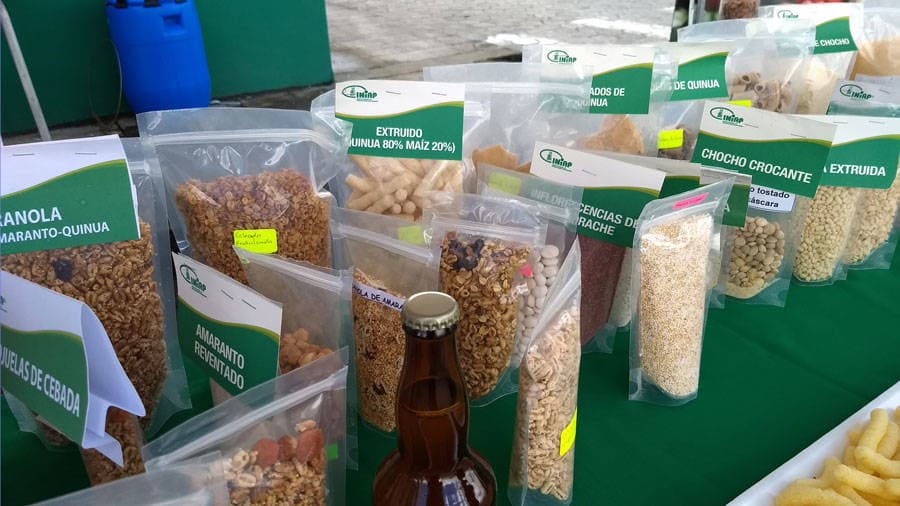
Today lupin and quinoa are consumed in some 15 preparations, with great acceptance among children, the main beneficiaries of nutritional improvement.
The sale of surplus lupin in the urban sector is growing.
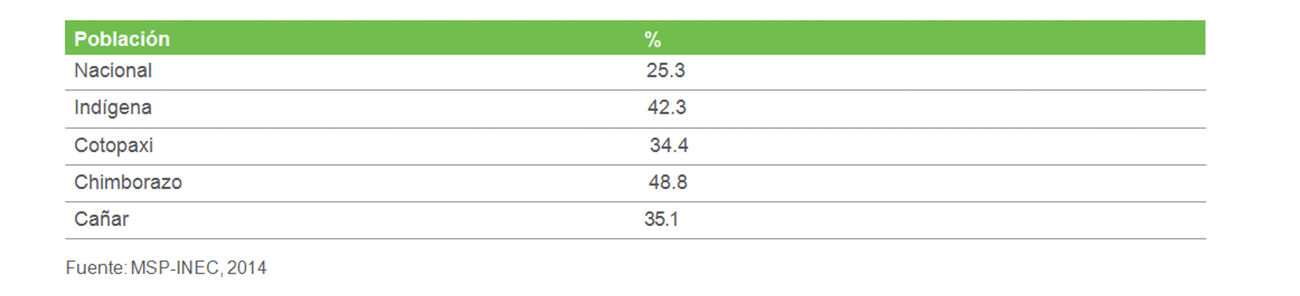
Chronic malnutrition in children under 5 years of age




 Agronomic Practices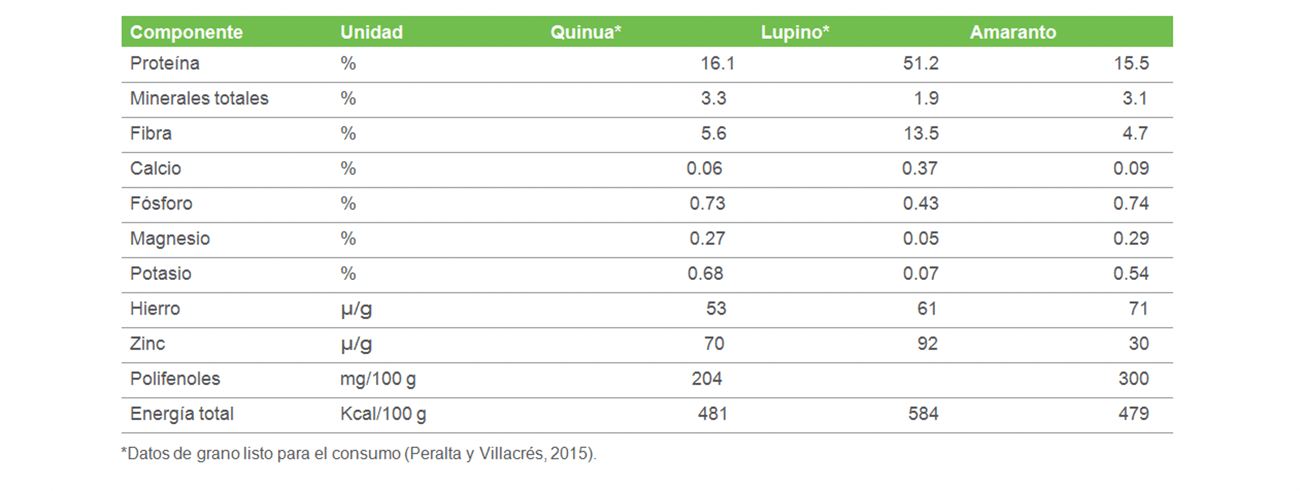






 Impact
 Initiatives
 Dashboard
 Alliances
 Impact
 Initiatives
 Dashboard
 Alliances



_15_37_382.png&w=750&q=75)