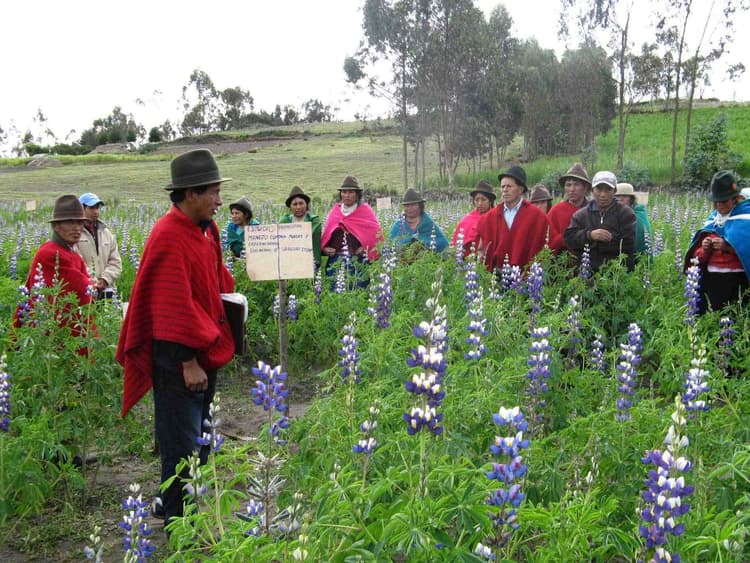
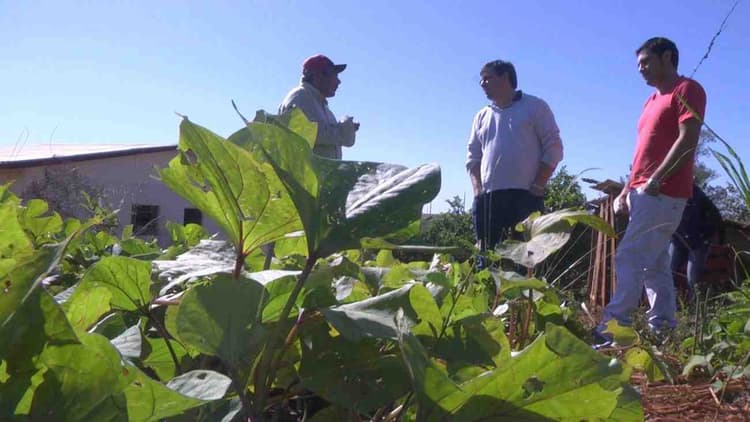
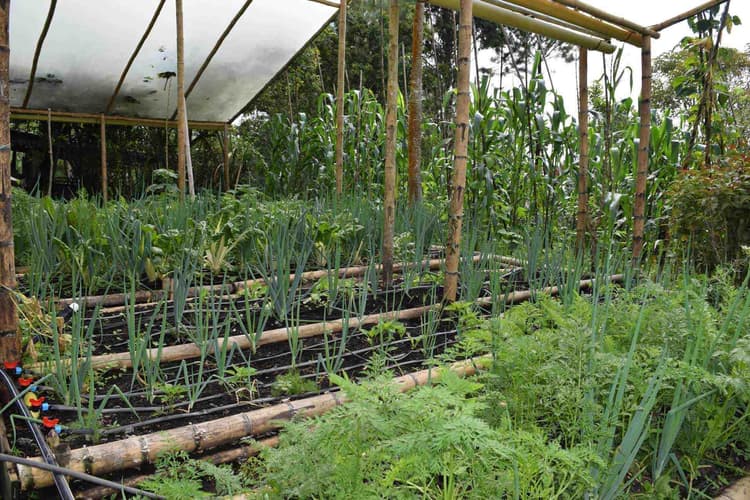
In the Department of Santa Cruz, Bolivia, vegetable production is prominent, though it faces climatic challenges, especially in winter. The Integrated Network of School Gardens "Galileo" emerges as an innovative solution, combining bioeconomy, technology, and a social approach to promote horticulture in peri-urban areas. This project, which includes a mobile application to connect and educate the community, aims to scale its model to other municipalities, promoting sustainability and adaptability in response to climate changes and local needs.
The “Galileo” case presents an effective strategy for addressing food security through technological, organizational, and institutional innovations. This approach combines education and horticultural production, promoting both self-consumption and economic opportunities within the community. Organizing producers and key value chain actors has been crucial. The project is based on a cooperative network of gardens, facilitating collaboration among producers, educators, and communities, which has been essential for its success and replicability. Government support has been vital for the project's implementation and sustainability, evidenced by its expansion to 56 municipalities through close collaboration with local authorities. To replicate this model, establishing strong partnerships between local governments, NGOs, and communities is crucial, as is adapting to different climates and regions through local research and appropriate crop selection. Starting on a small scale allows for model adjustments before broader implementation.
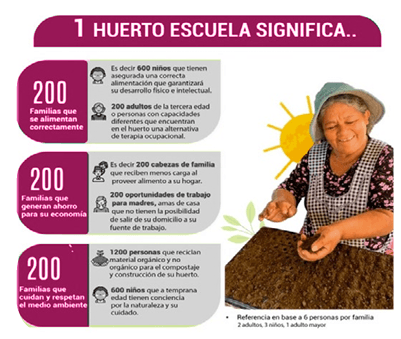
The Integrated Network of School Gardens "Galileo" project in Santa Cruz, Bolivia, has improved food security, environmental sustainability, and the community's economic strength. Before the project, vegetable production was geographically limited and faced climatic challenges. Now, a network of gardens distributed across 56 municipalities offers training in sustainable horticultural practices and marketing techniques, increasing access to nutritious food and generating additional income. The project promotes bioeconomy and ecological agriculture, empowering the community and providing therapeutic occupational activities. The implementation of a mobile application has created a more connected community, socially transforming the area. This comprehensive and adaptable approach has significantly impacted various Sustainable Development Goals (SDGs).
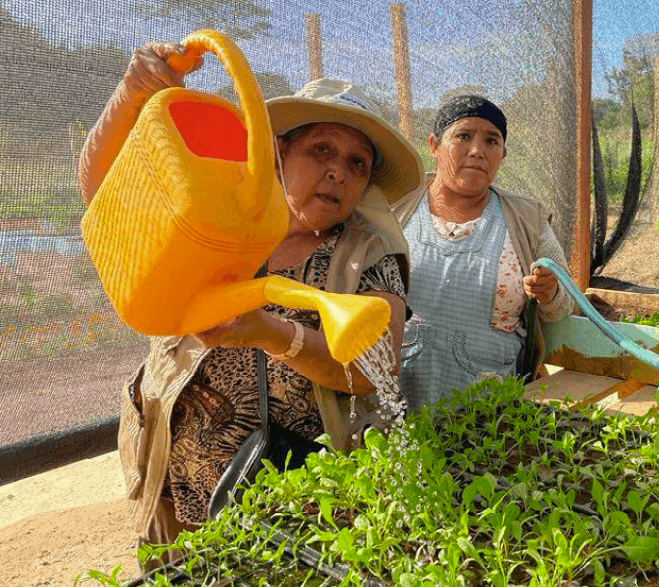
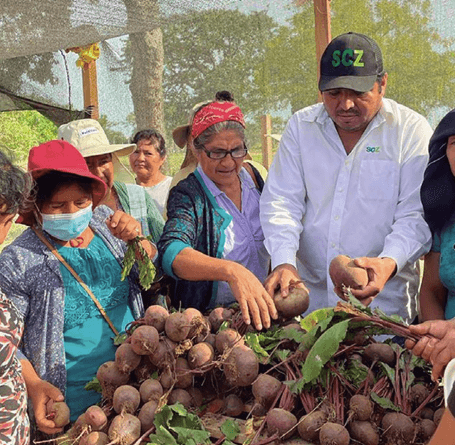
The Galileo School Gardens Project has benefited numerous families in Santa Cruz, Bolivia. Participants have learned to produce vegetables and other crops, as well as marketing techniques and market studies.
Community Transformation and Sustainability: Impact of the Galileo School Gardens Project in Santa Cruz





 Bioeconomía




 Impact
 Initiatives
 Dashboard
 Alliances
 Impact
 Initiatives
 Dashboard
 Alliances