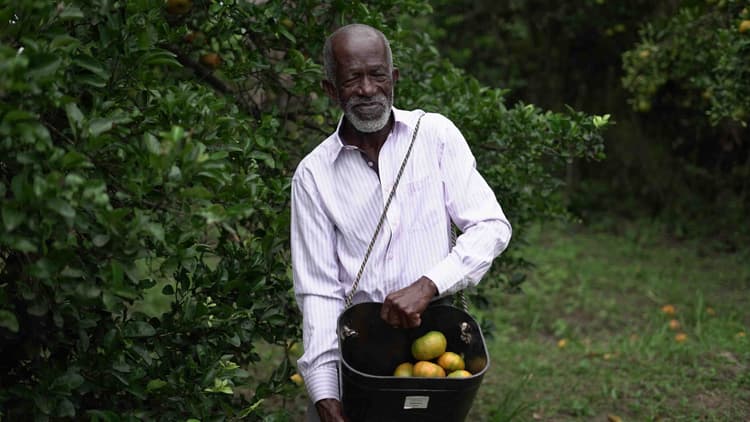
Colombian family farming has been impacted by war, fluctuations in coffee prices, and the growing threat of climate change.
In the department of Cauca, particularly, food insecurity affects 60% of the population. The rate of chronic malnutrition and the prevalence of overweight or obesity among children and adolescents are higher than 20%.
A study showed that almost all 2,000 farming families in the northwest of Popayán, Cauca, produced little amounts of vegetables and greens as a consequence of the variability of rainfall.
For these reasons, Popayán was chosen for a pilot test.
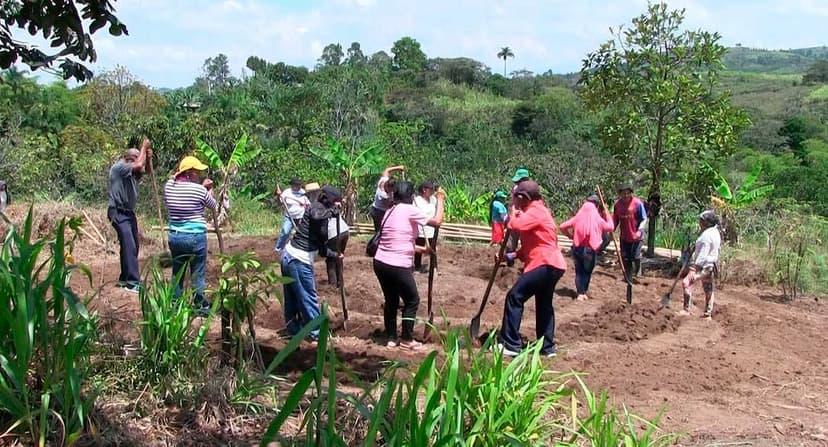
In 2014, Ecohabitats started the design and creation of vegetable gardens adapted to climate variability.
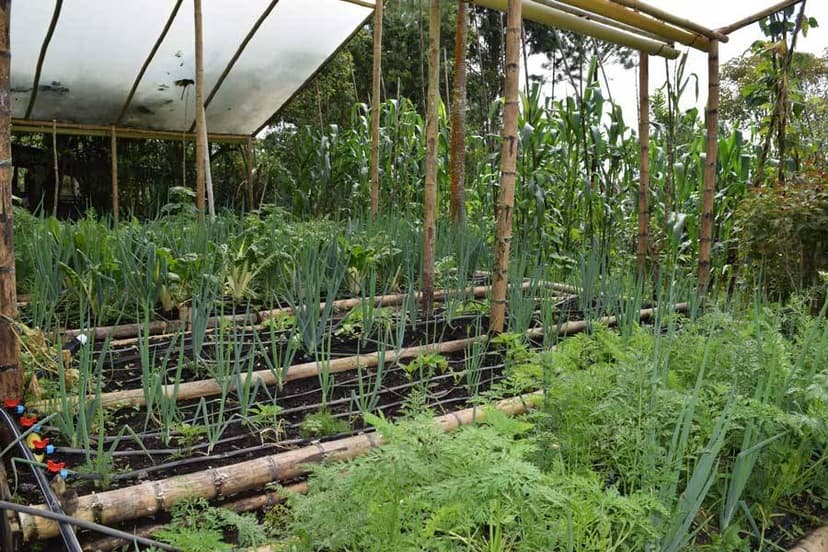
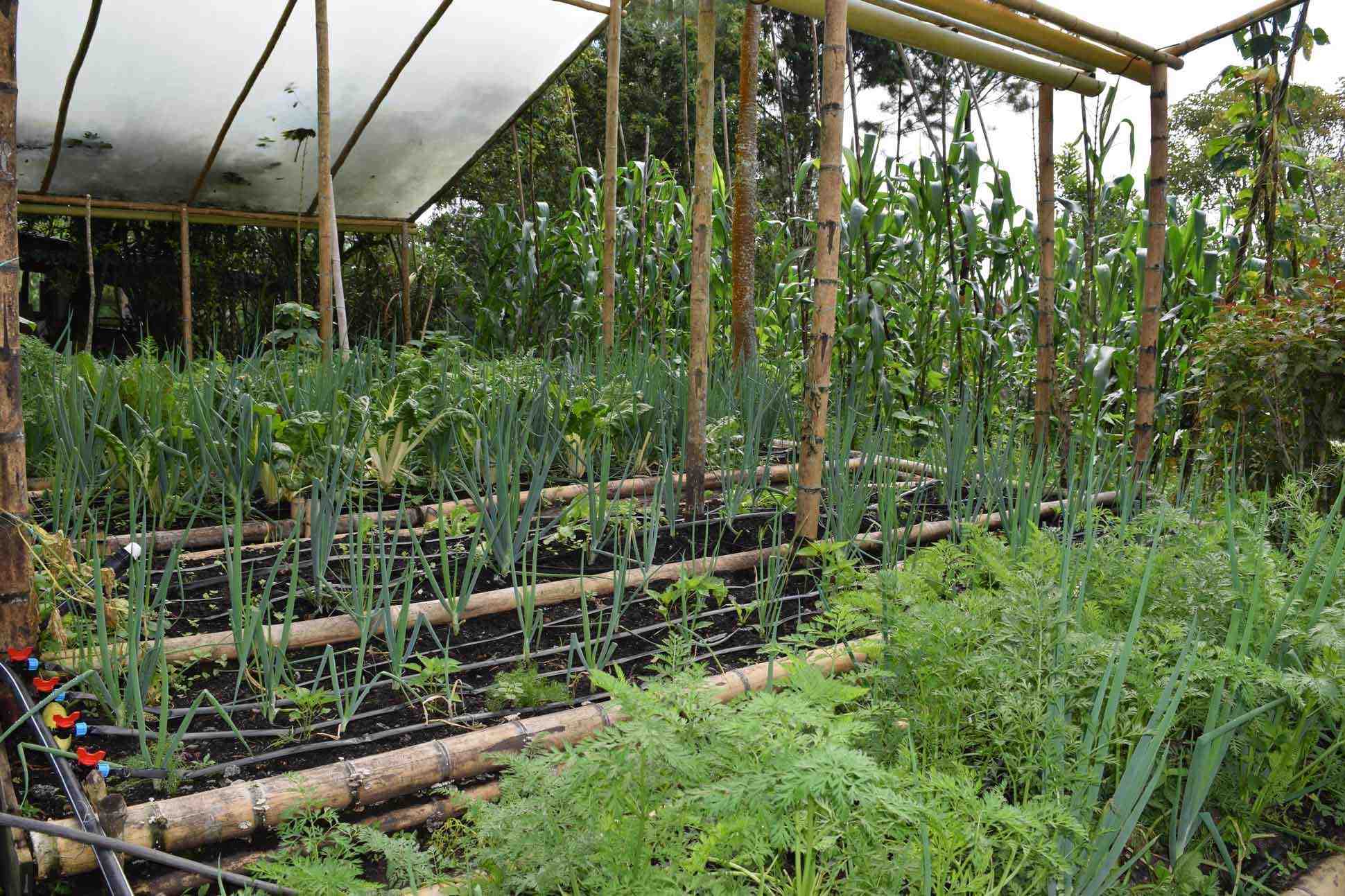
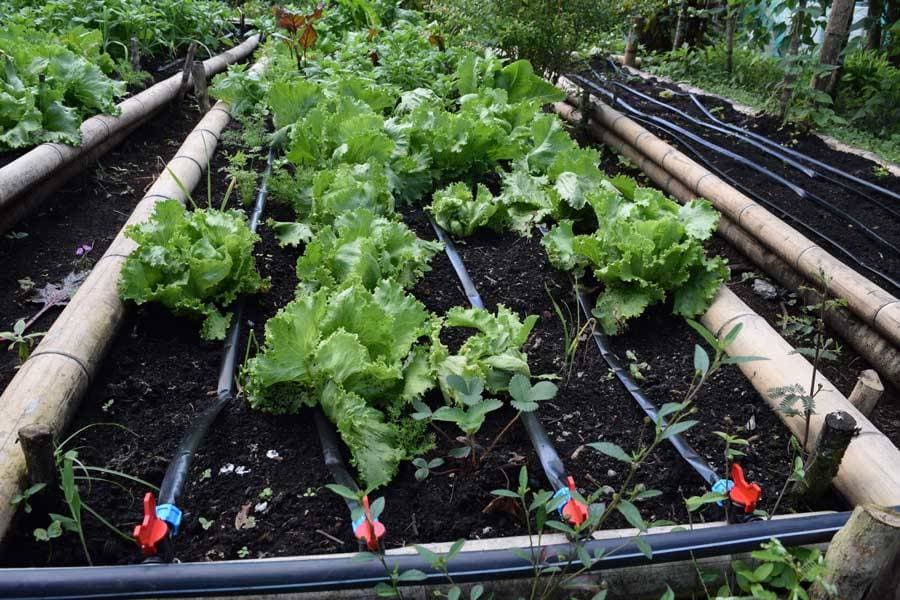
The gardens include greenhouses, tanks to harvest rainwater, and drip irrigation systems. In this way, each garden has access to 10,000 L / month of water, overcoming shortages during dry seasons.
The model promotes the production of more than 30 types of vegetables, traditional crops, and basic grains biofortified with zinc and iron, the latter developed by the CIAT.
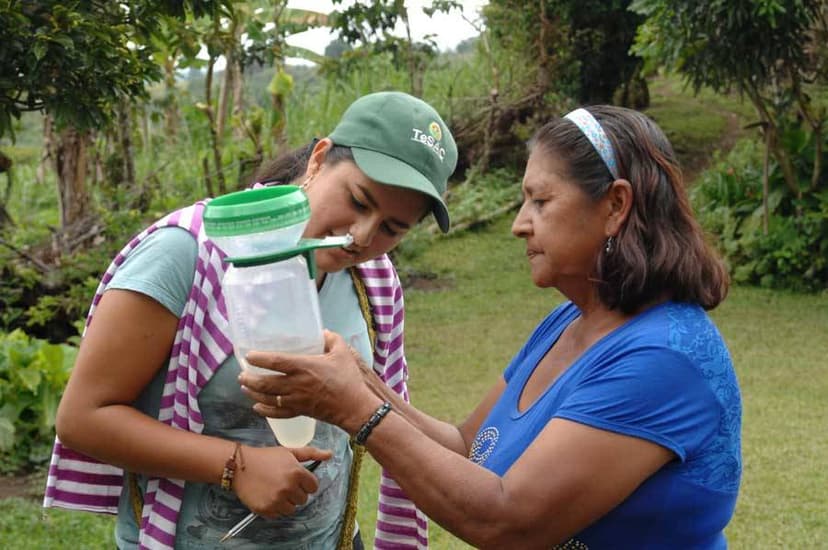
A network of meteorological stations was developed where the producers themselves carry out measurements and share data.
This information helps farmers plan staggered planting, thus ensuring constant food availability.
The production system was designed to be organic as a strategy to reduce costs and environmental impact
Ecohabitats developed a “farmer-to-farmer” methodology carried out by the local women, which prizes the knowledge of the elders and fosters solidarity and coordination among women farmers.
In four years, the experience was extended to 170 families through alliances made by Ecohabitats.
Currently, 4,080 sqm are planted with more than 30 vegetables and greens.
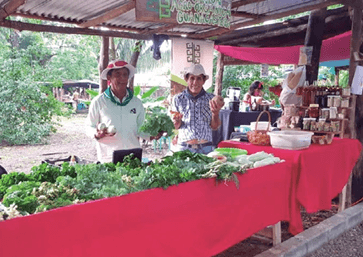
The women sell surplus production every 15 days and are in the process of establishing themselves as a formal business.
It is estimated that some 480 farmers improved their nutrition by consuming organic vegetables throughout the year.
A vegetable garden was created in a home for children under 5 years of age. 30 children succeeded in improving their nutritional habits; 4 recovered from malnutrition and 3 from obesity.




 Agronomic Practices








 Impact
 Initiatives
 Dashboard
 Alliances
 Impact
 Initiatives
 Dashboard
 Alliances