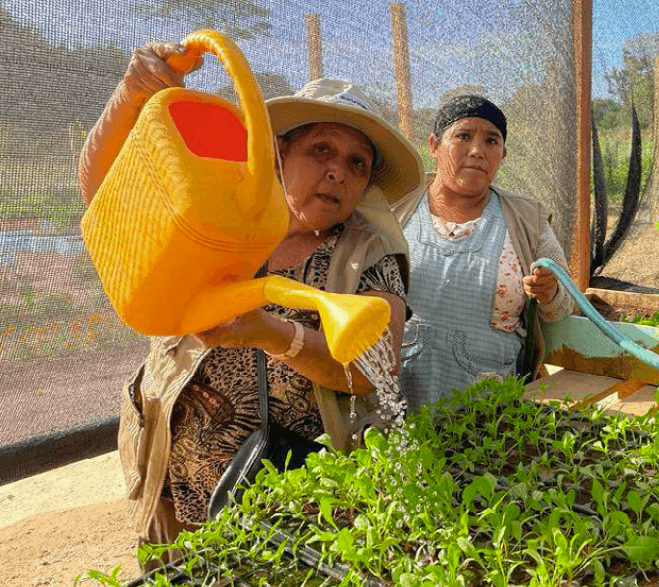
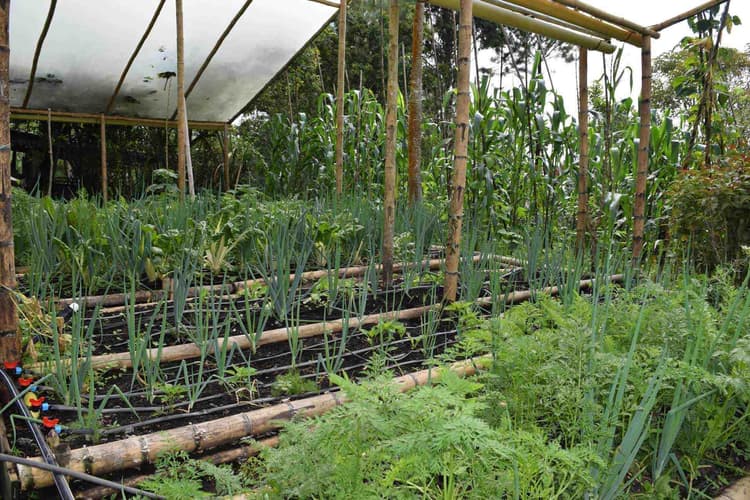
In the era of sustainable development, the need to reconfigure production systems to address environmental and economic challenges has become crucial. In this context, the agricultural sector of Michoacán, Mexico, known for its production of avocados and berries, faces the challenge of excessive agrochemical use, which degrades the soil and contaminates water sources. The implementation of more sustainable agricultural practices, such as the use of organic biostimulants based on microalgae, offers a promising solution. These innovations not only improve the quality and productivity of crops but also contribute to the health of the ecosystem and local communities, establishing a sustainable and responsible agricultural model.
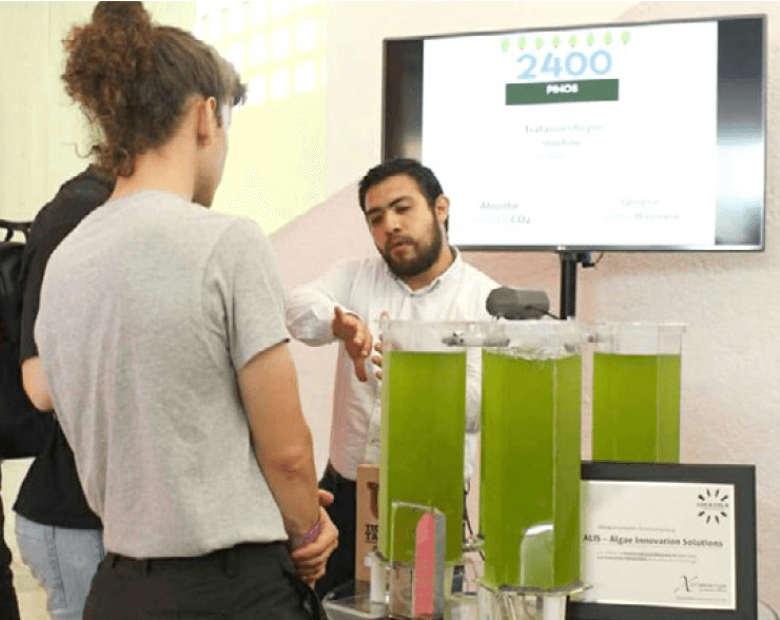
Microalgae technology has revolutionized agriculture in Michoacán. Gexus has developed specific technological packages such as Fitomaxi Radix, Fitomaxi Optimus, and Fitomaxi Boost, which enhance soil health and plant resistance. These innovations have reduced pesticide use by 70% and decreased dependence on agrochemicals by 15%, resulting in more sustainable and higher-quality crops. The implementation of these solutions has led to a more ecological and safer agricultural environment.
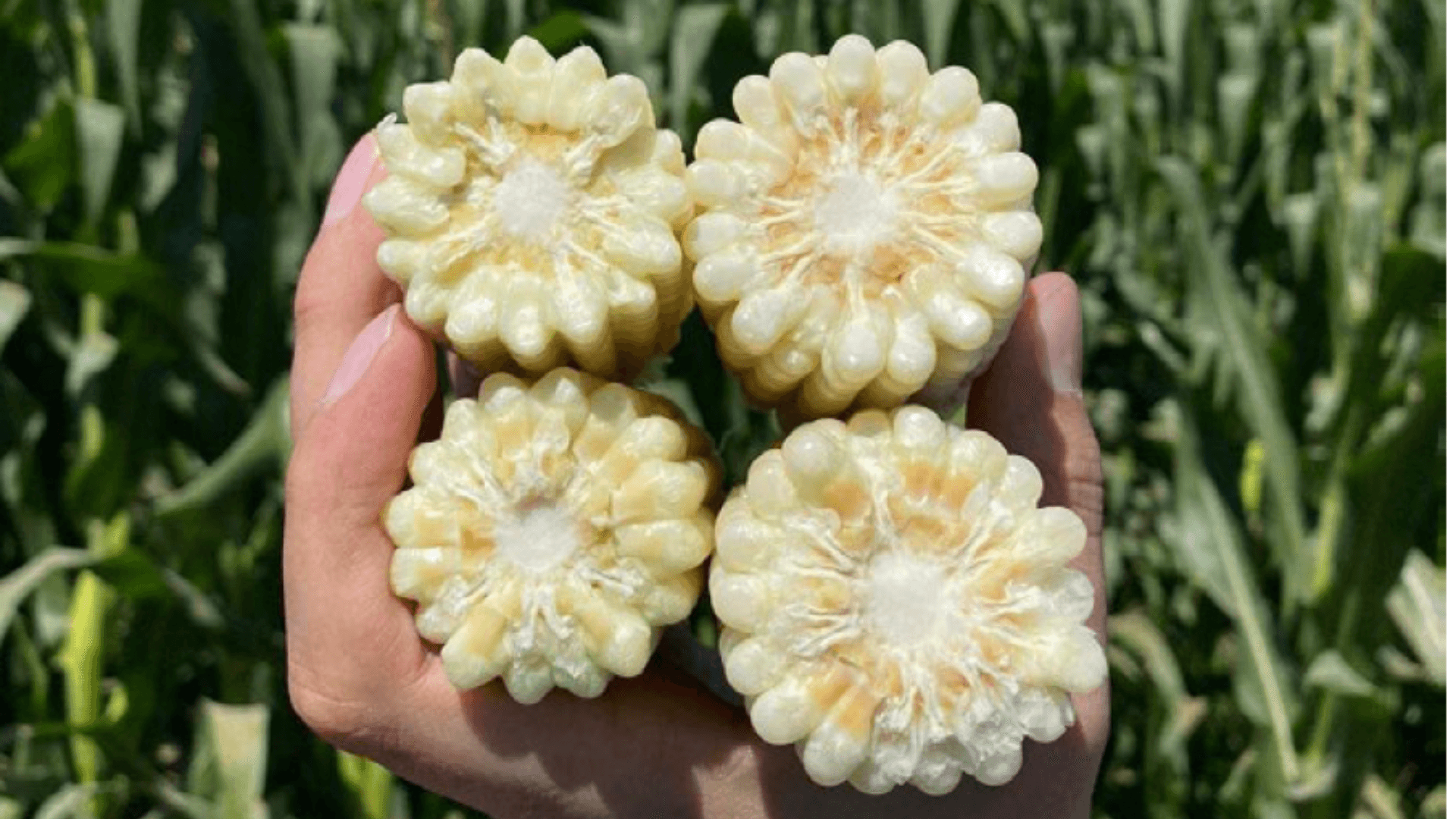
The key factors for the success of this innovation are diverse. Close collaboration with producers and education on the use of biostimulants were crucial. The efficacy of microalgae-based biostimulants allowed farmers to see results quickly. Gexus adapted its products to the conditions in Michoacán, benefiting over 300 local producers. 80% of these producers have seen increases in their yields, even under water stress conditions. Additionally, the initiative has increased productivity on over 2,000 hectares without harming the environment and has contributed to the well-being of farmers through the state program "Zero Hunger."
Healing the Soil with Microalgae





 Bioeconomía





 Impact
 Initiatives
 Dashboard
 Alliances
 Impact
 Initiatives
 Dashboard
 Alliances