 Impact
 Initiatives
 Dashboard
 Alliances


 Impact
 Initiatives
 Dashboard
 Alliances

 Technological-Organizational-Institutional
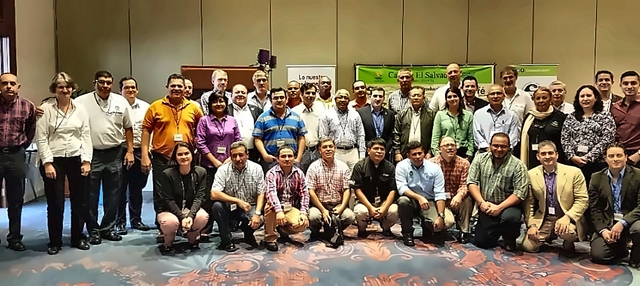
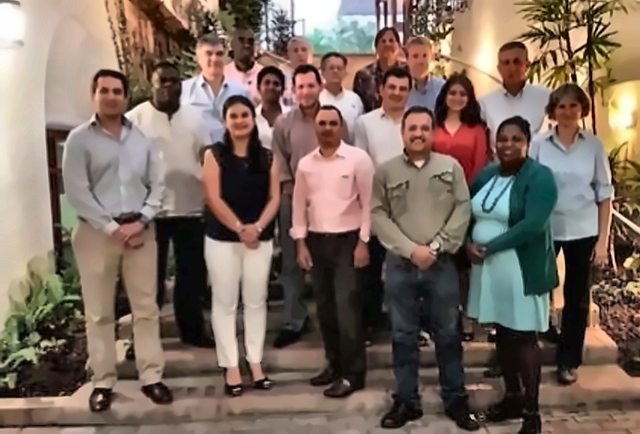
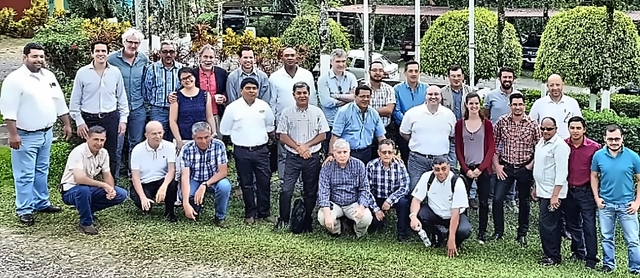
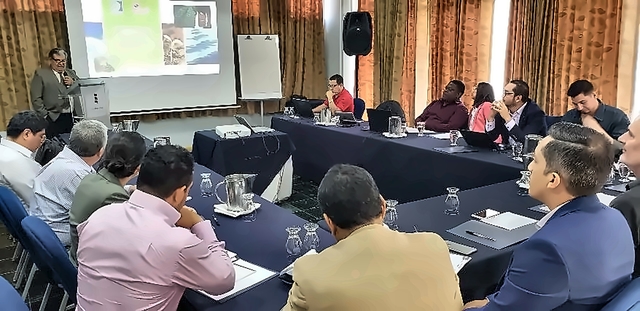
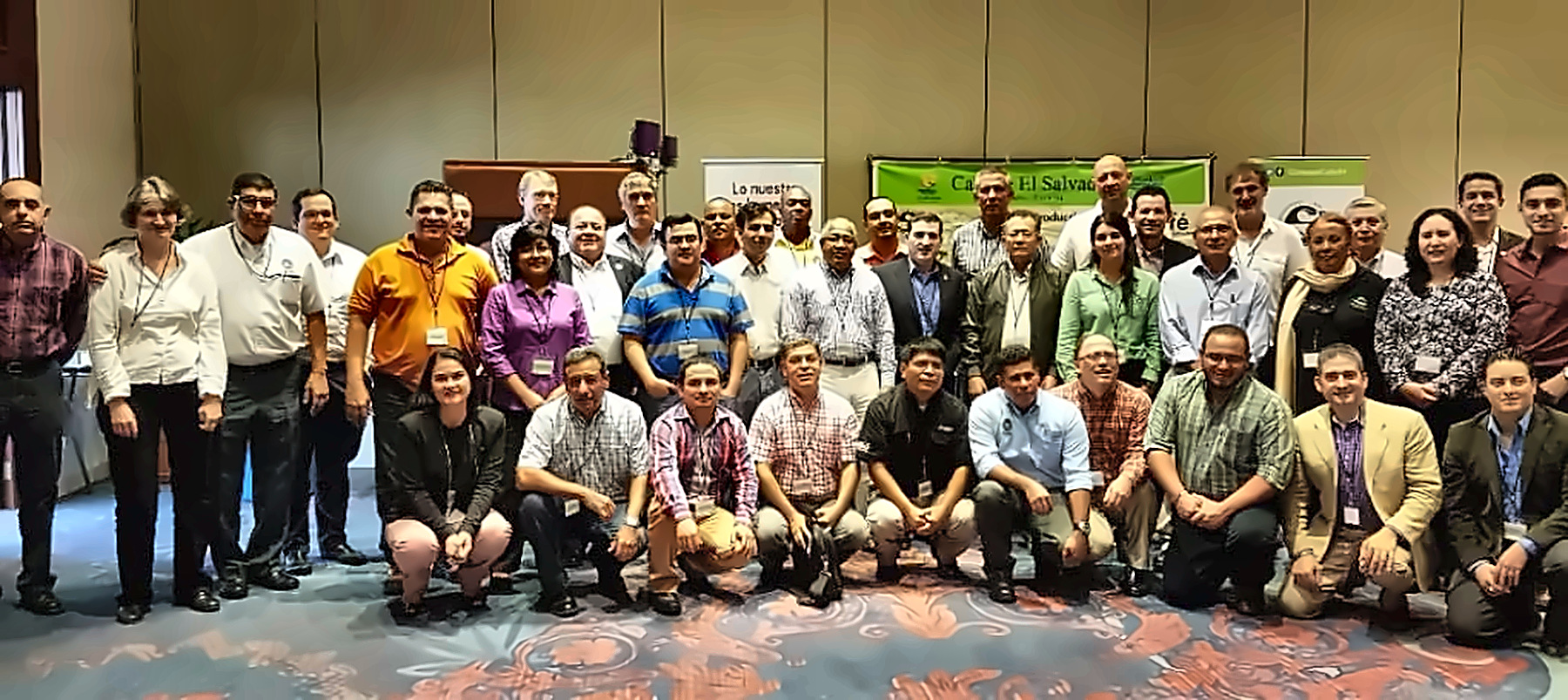
On 5 and 6 December, San Salvador hosted the first workshop on “Mapping Early Warning Systems and Tools in Mesoamerica”, the starting point of the project “Laying the foundations for a Regional Early Warning System for Coffee Rust – SRAT” (FTG/FG-15072-RG). The initiative, implemented by IICA’s Regional Cooperative Program for the Technological Development and Modernization of Coffee Growing (PROMECAFE), with technical and scientific support from CATIE and CIRAD, brings together the coffee institutes of Guatemala, El Salvador, Honduras, Costa Rica, Panama, the Dominican Republic, Jamaica and Peru, among others. It has an investment of USD 515,340, including USD 150,000 from FONTAGRO.
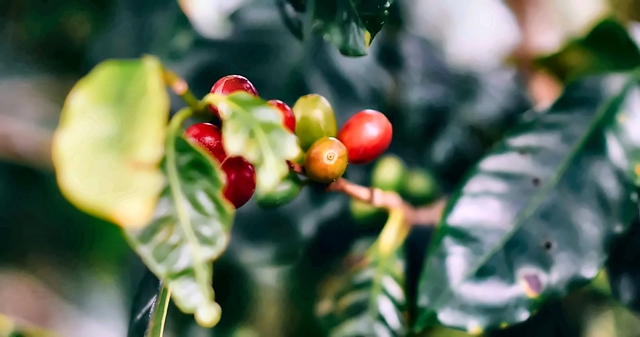
Coffee is vital for Central America: it covers some 958,000 hectares, involves around 2 million people and generates more than USD 3 billion in exports every year. After the 2012–2014 rust epidemic, which caused losses of 15% to 20% of production, the region decided to be better prepared. At the workshop, 47 stakeholders analysed at least eight early warning systems, from coffee models by FAO, OIRSA and USAID to experiences in wheat, bananas and floods, and agreed on a theoretical model for a regional network that the coffee institutes committed to promote.
🔗 Project page (in Spanish)
📄 Project proposal (PDF, in Spanish)
📄 Final technical report (PDF, in Spanish)