
 Impact
 Initiatives
 Dashboard
 Alliances
 Impact
 Initiatives
 Dashboard
 Alliances


Learn more about this story
Project Webstory
Go to webstory




 Integrated Pest ManagementResilient Crops and Carbon Neutrality (“PI-1”)AppliedTechnologicalGenetic improvementBio-inputsPests y Diseases
 2026
2026 Active
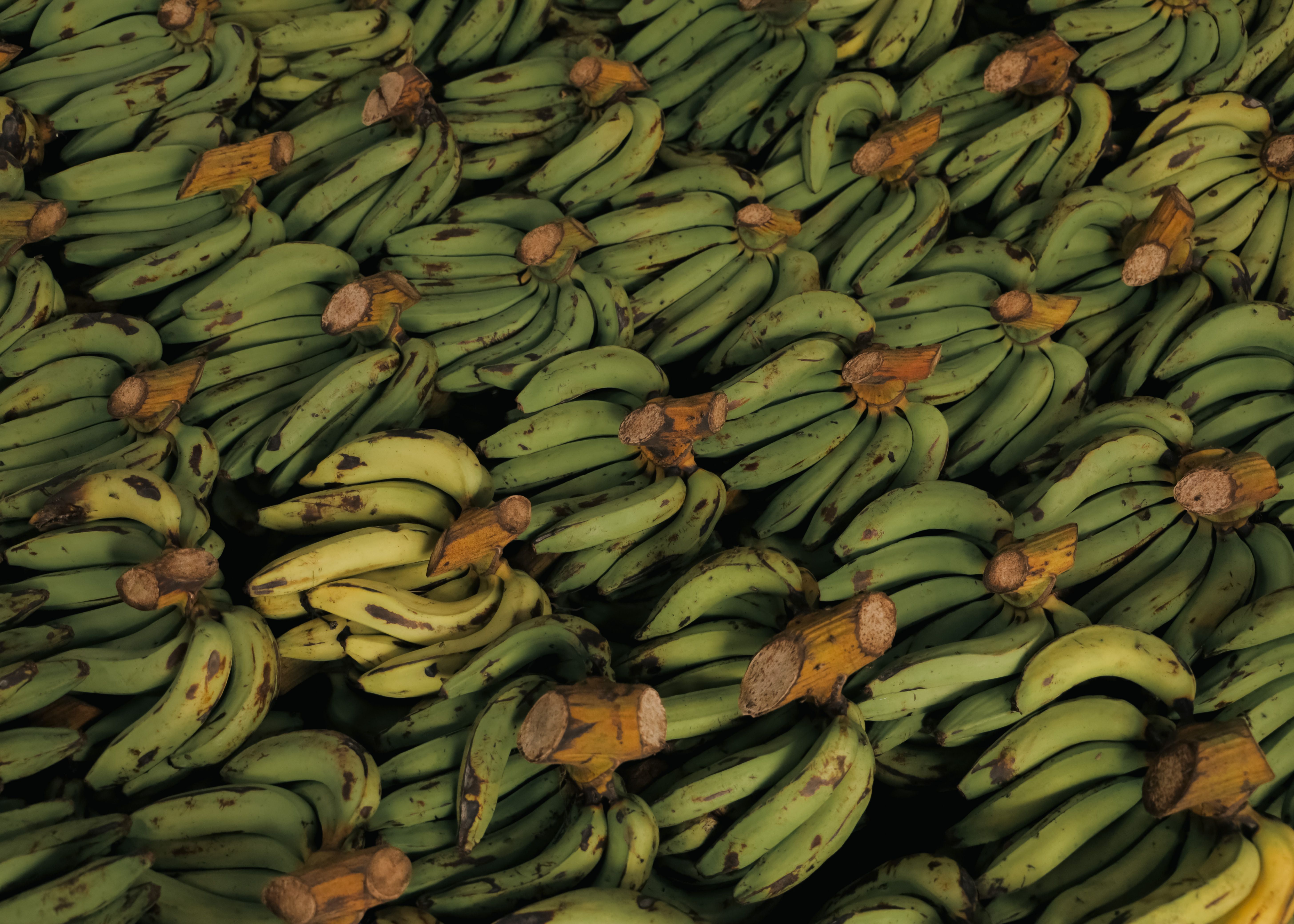
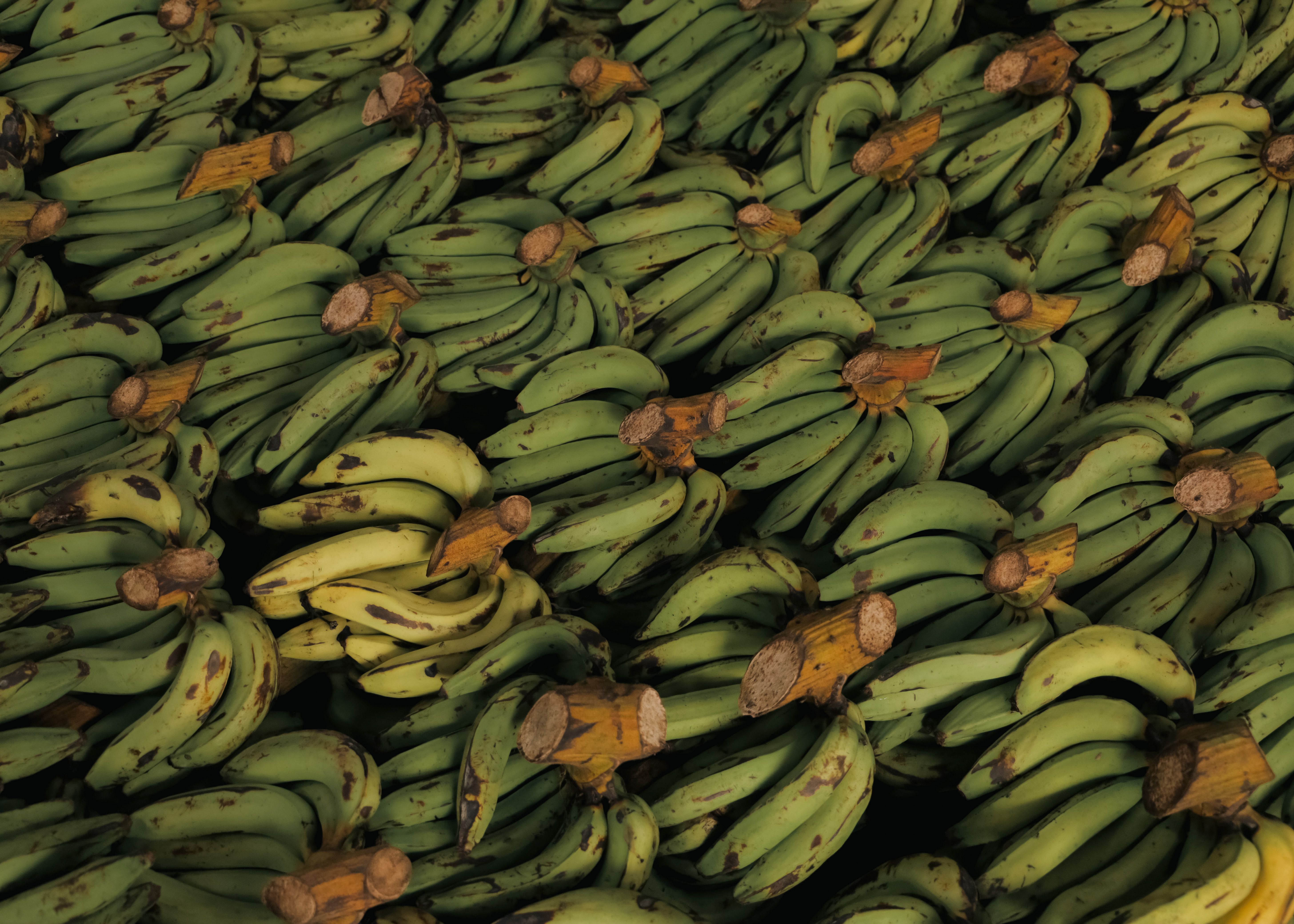
Bananas and plantains underpin food security, rural employment, and agricultural exports across Latin America, a region that produces 80% of the export bananas traded worldwide. Two diseases already established press on those systems: the wilt caused by Fusarium oxysporum f. sp. cubense tropical race 4 (Foc R4T), which persists in the soil for decades and can destroy an entire field, and bacterial Moko (Ralstonia solanacearum race 2). Two others remain absent from the region and could still arrive: banana bunchy top virus (BBTV) and banana blood disease (Ralstonia syzygii subsp. celebesensis).
Facing that double front, the project works in Colombia, Ecuador, Peru, Spain, and Venezuela to develop and validate diagnostic methods for quarantine and officially controlled pathogens, to scale biological control technologies and embed them in sustainable management practices, to validate tolerant varieties and multiply clean planting material, and to build a knowledge management platform that carries those advances to the grower. The purpose is to move from containment toward models of coexistence with and suppression of the pathogens already present, and to get ahead of those that have not yet arrived.
The starting point is a set of molecular protocols validated for the priority pathogens, including rapid field-deployable methods based on loop-mediated isothermal amplification (LAMP) and portable PCR, backed by a regional bank of positive DNA controls. Once an outbreak is identified, management rests on bioinputs based on Trichoderma spp. and Bacillus spp., produced in local mass-production units and applied together with soil amendments, cover crops, and biochar, in strategies tailored to each country's phytosanitary and regulatory situation. Where the pathogen is already established, the route back to production runs through banana and plantain varieties with validated tolerance to Foc R4T and Moko, paired with low-cost clean seed multiplication nuclei. A knowledge management platform, combining in-person and virtual training with an educational chatbot delivered through WhatsApp, carries those advances to the grower.
The project should leave the region with diagnostic protocols validated across countries for five groups of banana pathogens, including field-deployable detection methods so far unavailable anywhere in Latin America and the Caribbean, and a regional bank of positive DNA controls verified through an interlaboratory trial. Building on that base, eight integrated management recommendations for Foc R4T and Moko are anticipated, drawn from semi-commercial trials of 6 to 20 hectares followed over at least three production cycles; at least five promising banana and plantain clones assessed in the field, plus two lines obtained through induced mutation with potential resistance; and two local production units for bioinputs based on Trichoderma spp. and Bacillus spp. The team's ex ante estimate places the benefit at a 40% to 60% reduction in plant mortality in affected areas and savings of close to 25% on agrochemical spending.
Reach rests on two clean seed production nuclei, in Peru and Venezuela, which will bring phytosanitary-quality planting material within range of smallholders, and on a training strategy that should reach at least 6,000 people through virtual and in-person channels, among them a hundred technicians from the national agricultural research institutes and the national plant protection services, with three regional workshops and an educational WhatsApp chatbot in operation with regional reach.
More than 6,000 producers and rural associations in Colombia, Ecuador, Peru, Spain, and Venezuela will receive validated technologies, biosecurity protocols, and digital tools directly, with a commitment that at least 30% of those reached through digital training are women. A second ring forms around that core: at least 100 technicians from the national agricultural research institutes and the national plant protection organizations (NPPOs) of the participating countries, trained in biosecurity, diagnostics, biological control, risk prevention, and sustainable management of banana pathogens. Small and medium producers linked to the field trials and to the clean seed production nuclei in Peru and Venezuela will also gain access to low-cost, phytosanitary-certified planting material. Beyond that perimeter, indirect reach is estimated at more than 15,000 people, including technicians, producers, professionals, and researchers across the banana and plantain value chain in Latin America and Spain.
This project actively contributes to achieving the Sustainable Development Goals, promoting more equitable, resilient, and sustainable regional development.

Mónica Betancourt Vasquez
Sponsors


With the support of



