 Impact
 Initiatives
 Dashboard
 Alliances
 Impact
 Initiatives
 Dashboard
 Alliances


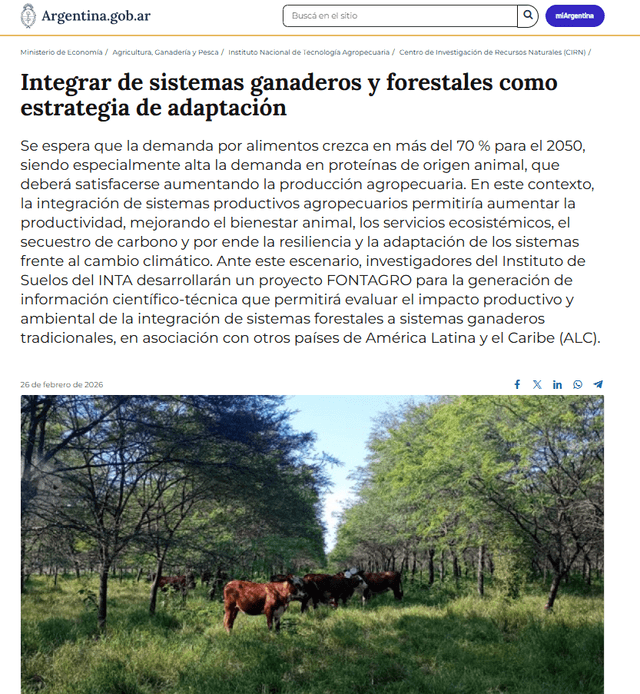
Learn more about this story
Project Webstory
Go to webstory




 Agronomic PracticesClimate changeAppliedTechnologicalAgricultural systems
 2024
2024 Active
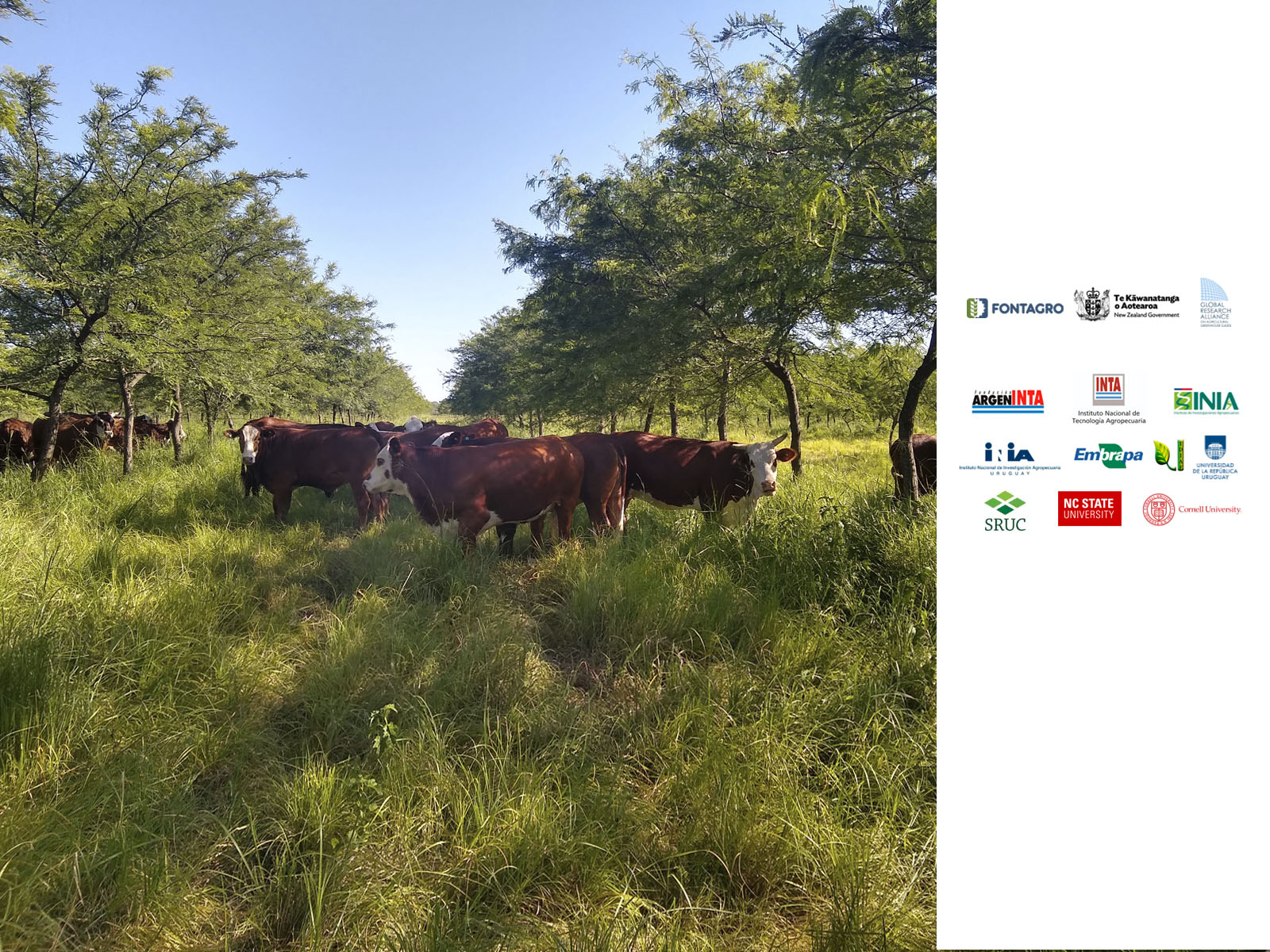
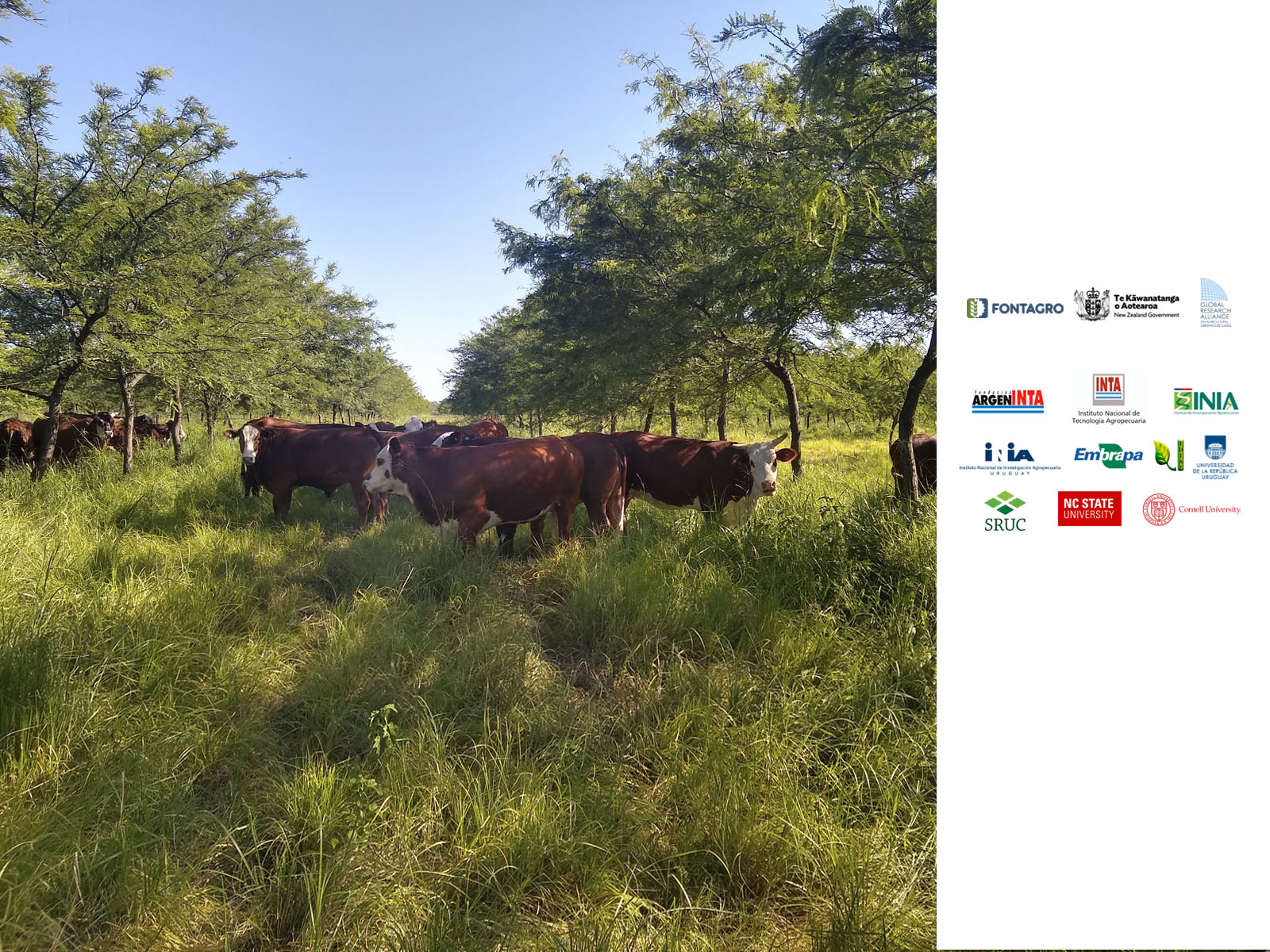
The technological solution proposed by the project consists of integrating livestock systems with forestry components through the implementation of silvopastoral systems (SPS). These systems combine trees, pastures, and livestock under integrated management to increase the productivity and resilience of agricultural systems in the face of climate change. The incorporation of trees enhances carbon sequestration in both soil and biomass, improves soil health and fertility, promotes animal welfare through shade and thermal regulation, diversifies production, and reduces the environmental footprint of livestock farming. In addition, the project will develop regional protocols to measure carbon balance in SPS, enabling comparable results among countries and production systems, while generating scientific information and practical tools to promote more sustainable and climate-smart livestock production in Latin America and the Caribbean.
One of the main achievements of the project has been the consolidation of a regional collaborative network among institutions from Argentina, Brazil, Chile, Uruguay, and the Dominican Republic to promote resilient and sustainable silvopastoral systems. Within this framework, coordination and planning meetings were organized to define experimental sites, common protocols, and monitoring strategies across all participating countries. A particularly important milestone was the organization of the first international in-person workshop, held at INIA La Estanzuela in Uruguay, focused on training in carbon footprint calculation, net carbon balance assessment, and resilience indicators evaluation in silvopastoral systems. This initiative strengthened the technical capacities of researchers and professionals across the region, promoting common methodologies for quantifying carbon sequestration and greenhouse gas emissions. In addition, the project advanced the generation of scientific information on soil carbon, productivity, and ecosystem services, contributing to the development of more sustainable and climate-resilient livestock systems in Latin America and the Caribbean.
The total direct beneficiaries will be 2,510 people, classified as follows according to country. Argentina participates with a total of 462 (18.4%), Brazil with a total of 963 (38.3%), Chile with a total of 323 (12.9%), Uruguay with a total of 664 (26.5%) and the Dominican Republic with a total of 98 (3.9%). Regarding the type of beneficiaries reached, 37 Research Institutes/Experimental Stations, 18 Universities, 247 researchers/professionals/students and 2,230 producers will be involved. It is estimated that indirect and potential beneficiaries include 9,000 in Argentina, 4,000 in Chile, 12,000 in Brazil, 6,000 in Uruguay and 2,000 in the Dominican Republic.
This project actively contributes to achieving the Sustainable Development Goals, promoting more equitable, resilient, and sustainable regional development.



May 6, 2026
.png&w=640&q=100)
April 30, 2026
.png&w=640&q=100)
April 30, 2026
Patricia Carfagno
ArgentinaVanina Cosentino
ArgentinaVerónica Ciganda
UruguayValentina Rubio
UruguaySara Hube
ChileBruno Alves
BrasilGregorio Lagombra
República DominicanaIgnacio Beltrán
Gustavo Sebastián Cambareri
Romina Romaniuk
Marcelo Javier Beltrán
Catalina Molina
Monica Gabriela Pérez
Gabriel Escobar
Ana María Lupi
iliana frasier
Pablo Pathauer
Alejandro Costantini
The tangible impact of science and technology in the field
Sponsors


With the support of