
 Impact
 Initiatives
 Dashboard
 Alliances
 Impact
 Initiatives
 Dashboard
 Alliances


Learn more about this story
Project Webstory
Go to webstory




 Agronomic PracticesLivestock and Protein of the Future (“PI-2”)AppliedTechnologicalGas emissionClimate smart agriculture
 2026
2026 Active
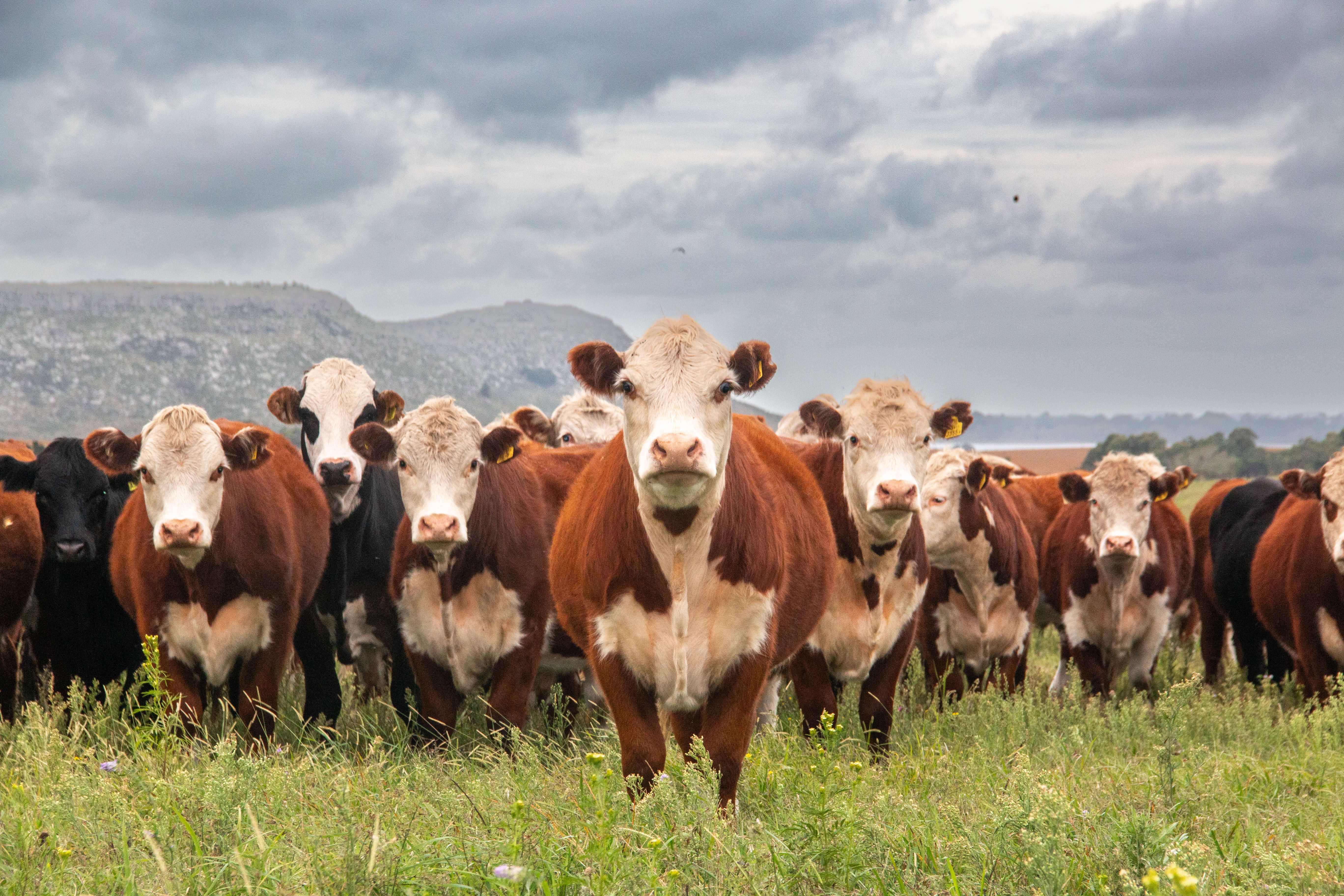
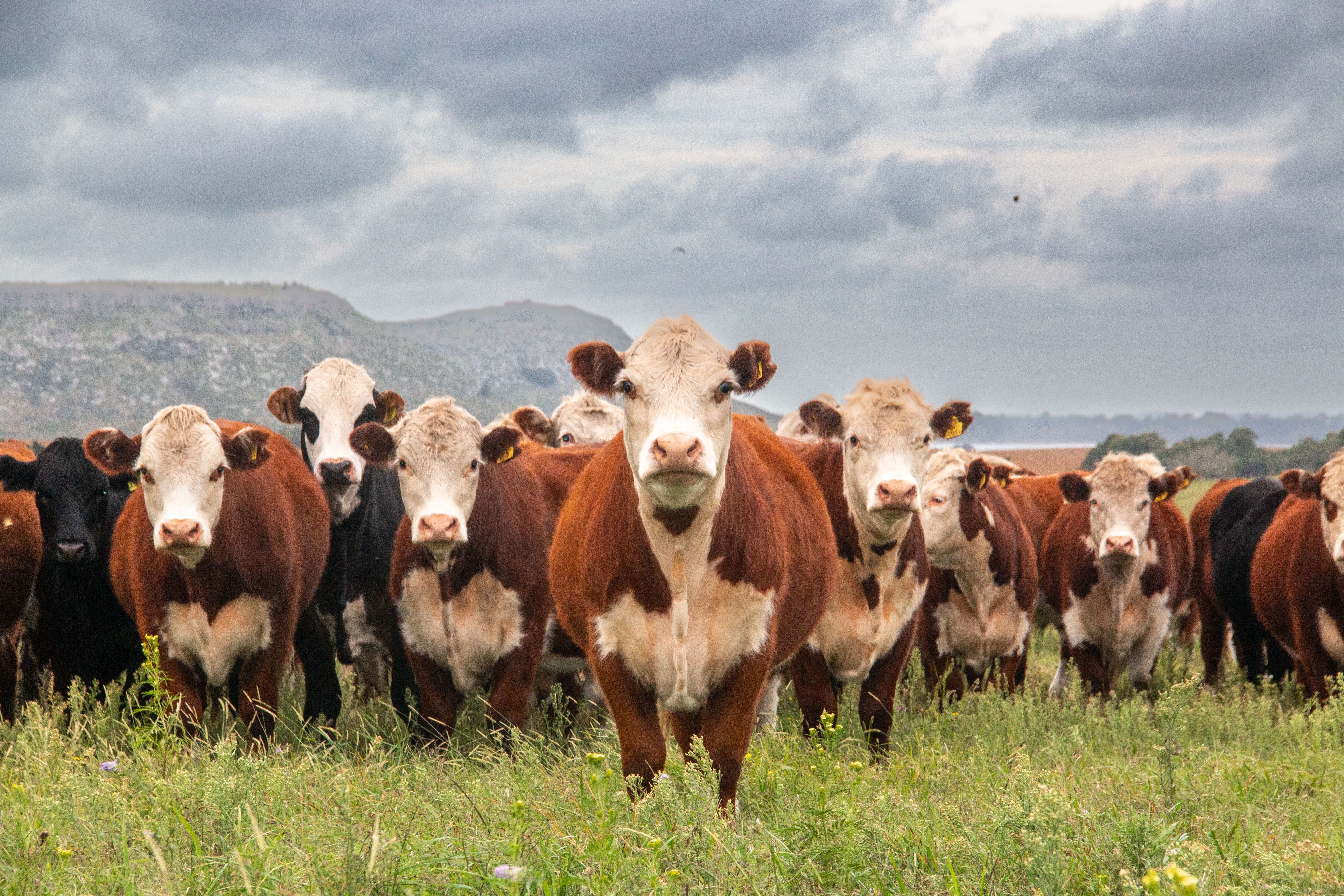
Grassland- and pasture-based cattle systems in Latin America and the Caribbean must produce more for rising demand while cutting their emissions per unit of product. The three territories where the project works illustrate that tension. In the Colombian Orinoquía, cattle frontier expansion over natural land cover coincides with soils that carry intrinsic limitations and with constraints on credit and infrastructure. In Argentina's Flooding Pampa, which holds a substantial share of the national cattle herd, poor drainage, salinity, and low fertility, together with lightly intensified native grassland systems, keep productivity low and emissions per kilogram produced high. In the Dry Chaco, cattle production advanced alongside deforestation and now needs alternatives compatible with soil conservation and biodiversity.
In response, the project validates one sustainable intensification technology package in each environment and scales it to commercial farms, measuring emissions intensity (greenhouse gas emissions per kilogram of product) and the net greenhouse gas balance (methane, nitrous oxide, and carbon dioxide, less the carbon captured in soil and biomass) alongside productivity and economic performance, and leaves local technical capacity and a common measurement protocol in place.
On a working farm, the package comes down to concrete decisions about grazing, fertilization, forage species choice, supplementation, and health and reproductive management, tuned to the potential and the constraints of each patch of soil. In the Flooding Pampa that means managing the field by production zone, fertilizing and choosing forage species accordingly, timing grazing from real-time forage stock monitoring, holding a stocking rate of 2.0 cow equivalents per hectare, breeding by fixed-time artificial insemination, and bringing first service forward to 15 to 18 months of age. In the Dry Chaco it rests on warm-season Chloris gayana pastures, with and without nitrogen fertilization, and on a silvopastoral system with white carob (Neltuma alba), always under rotational grazing and strategic supplementation. In the Orinoquía it brings together the agrosilvopastoral arrangement or improved pasture, adapted grass and legume mixtures, stocking rates matched to forage supply, strategic supplementation, and health and reproductive management; practices that are for the most part already familiar, whose new value lies in combining them, adapting them to the territory, and measuring their joint effect.
In each of the three environments, validation will run against conventional reference management carried out in parallel on the same site, over a baseline measured in the field in the first year. In the Flooding Pampa, the work will measure what site-specific management, fertilization, and a stocking rate of 2.0 cow equivalents per hectare contribute to beef output and emissions intensity. In the Dry Chaco, warm-season pastures with and without fertilization and a silvopastoral system will show how much tree biomass and soil carbon weigh in the balance. In the Orinoquía, the agrosilvopastoral arrangement and improved pasture will be contrasted on productivity and environmental performance. Measurements cover enteric methane, soil and excreta nitrous oxide, and soil organic carbon stocks, with net ecosystem carbon exchange by eddy covariance in the Flooding Pampa and the Orinoquía.
Scaling will take the validated packages to commercial farms: at least 2,500 hectares in the Flooding Pampa, 500 in the Dry Chaco, and 50 model hectares in the Orinoquía. The economic assessment will record cost per kilogram, gross margin, and return, with the gain in gross margin estimated ex ante at 10% or more. Emissions intensity and absolute emissions per hectare will be reported separately, since a fall in the first does not imply a fall in the second when stocking rate rises. The project should close with a publicly available regional monitoring, reporting, and verification (MRV) protocol, eight field days, and modular technical materials.
At least 500 producer families in the Colombian Orinoquía, the Flooding Pampa, and the Dry Chaco of Argentina will gain direct access to affordable sustainable intensification technologies, to technical assistance, and to training on their own land. Around that core, at least 2,000 people will be trained over the life of the project, counted individually and without duplication, through at least eight field days, four in each country, together with courses, seminars, workshops, and virtual or hybrid activities; among them, at least ten members of the scientific and technical staff of the participating organizations. Women and young people will make up at least 30% of those taking part in knowledge management activities. Beyond that register, the results reach technicians, extension agents, advisors, students, professionals, and cattle producer associations in the intervention territories through outreach materials, whose reach is logged separately from the training and adoption indicators.
This project actively contributes to achieving the Sustainable Development Goals, promoting more equitable, resilient, and sustainable regional development.

Sponsors


With the support of


