 Impact
 Initiatives
 Dashboard
 Alliances


 Impact
 Initiatives
 Dashboard
 Alliances

 Technological-Organizational-Institutional
Honduras has been identified as the most vulnerable country in Central America in terms of climate risk, variability and change, and its Dry Corridor faces the most severe land degradation, erosion and extreme drought. For family farming to move toward CSA, it needs strong support from public institutions and adaptation and mitigation strategies that respond to farmers’ needs.
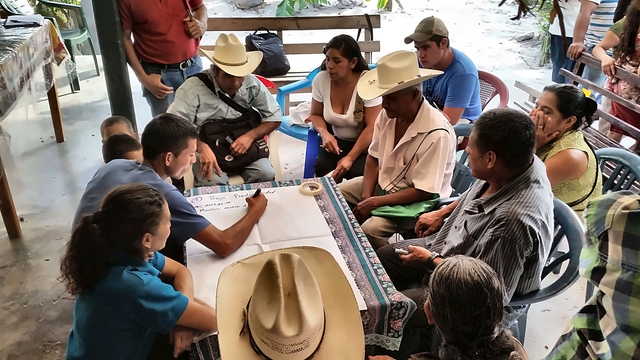
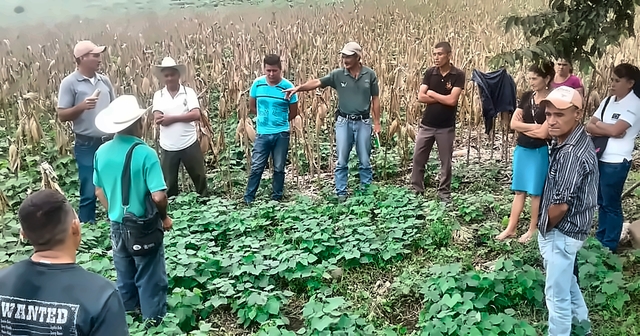
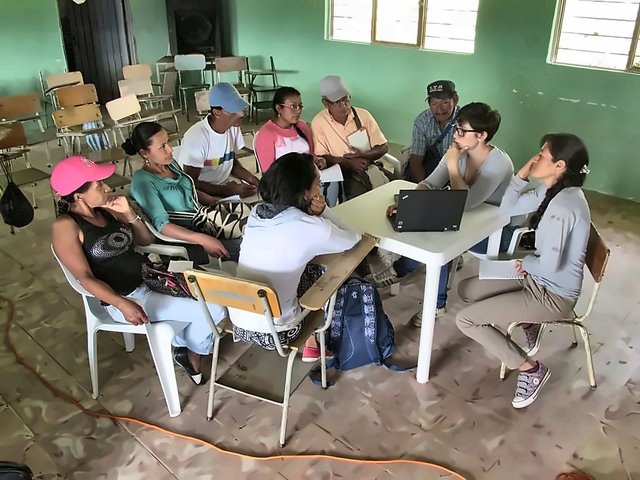
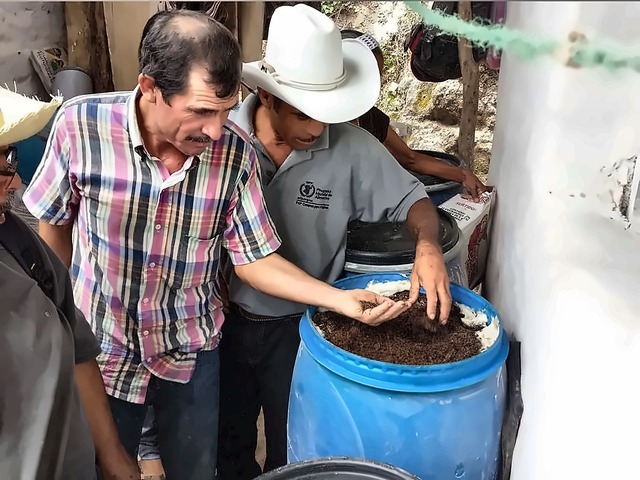
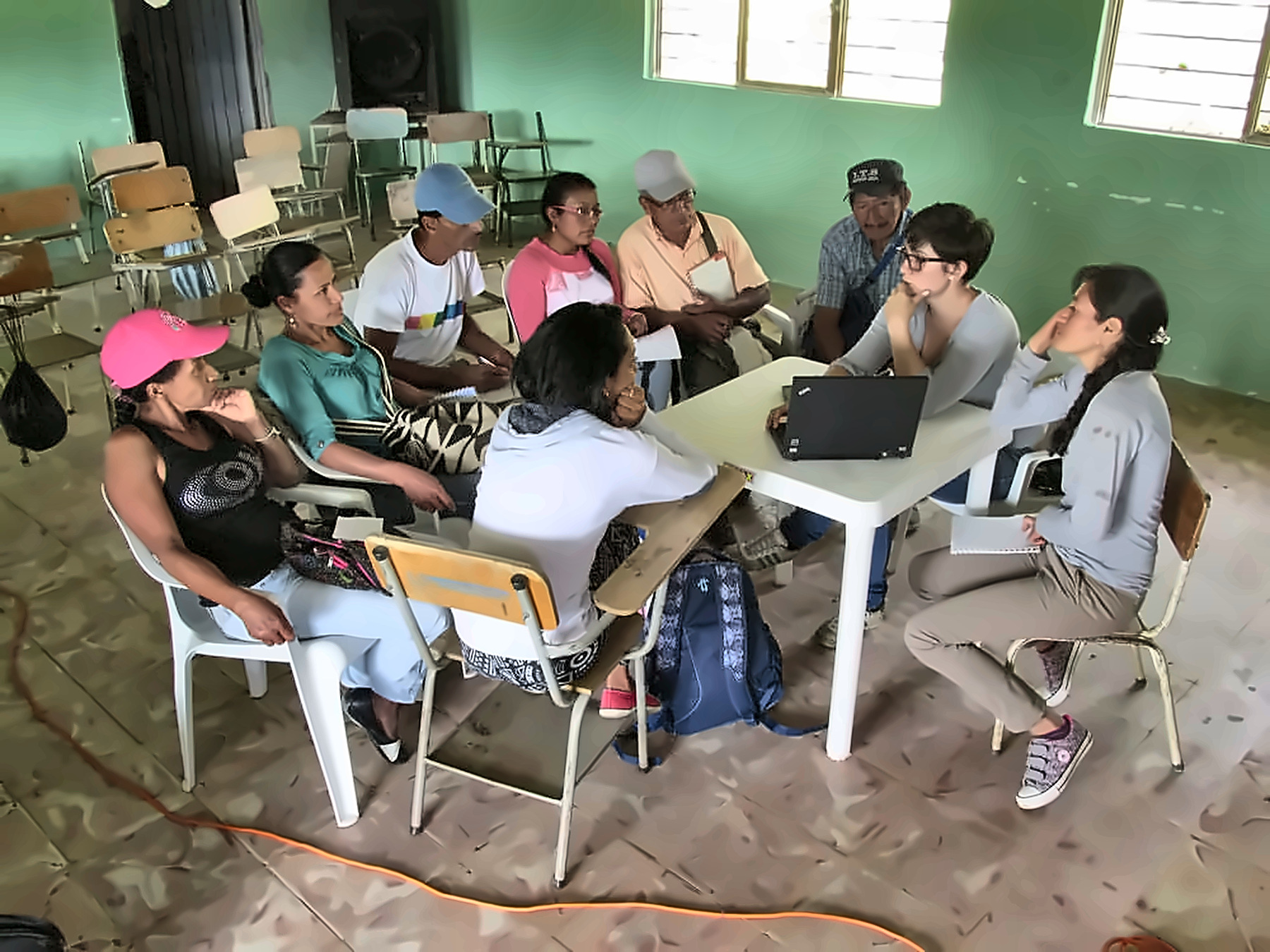
To that end, the project, coordinated by CIAT and implemented in Honduras with DICTA and SAG, is studying how policies, actions and programs for smallholder agriculture support or limit climate adaptation. The study identifies progress, bottlenecks, synergies and tensions in the institutional system. It also analyzes whether national policies and local and community initiatives are driving CSA on the ground. The project also published a policy document summarizing the results achieved in Honduras.
🔗 Blog on fontagro.org (in Spanish) 🔗 Full blog on CCAFS (in Spanish) 📄 Honduras case presentation (in Spanish)