 Impact
 Initiatives
 Dashboard
 Partnerships

 Impact
 Initiatives
 Dashboard
 Partnerships

 Technological-Organizational-Institutional
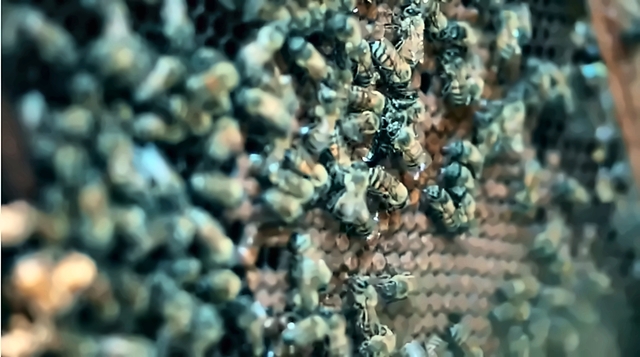
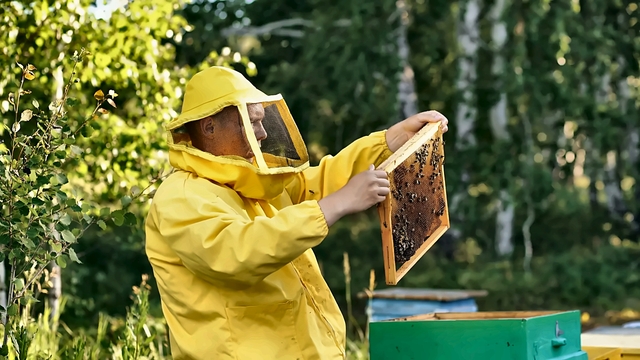
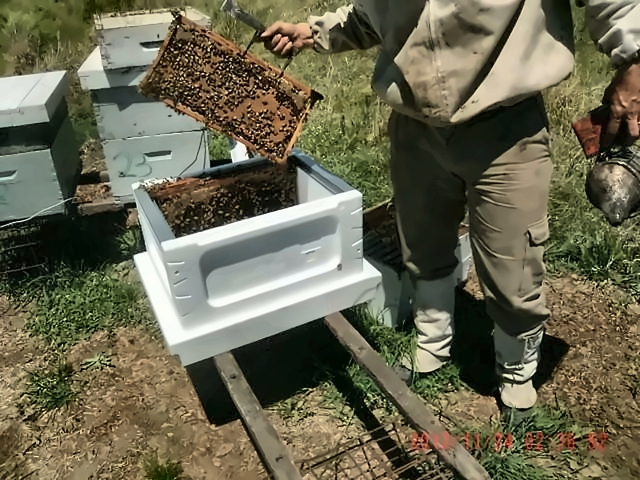
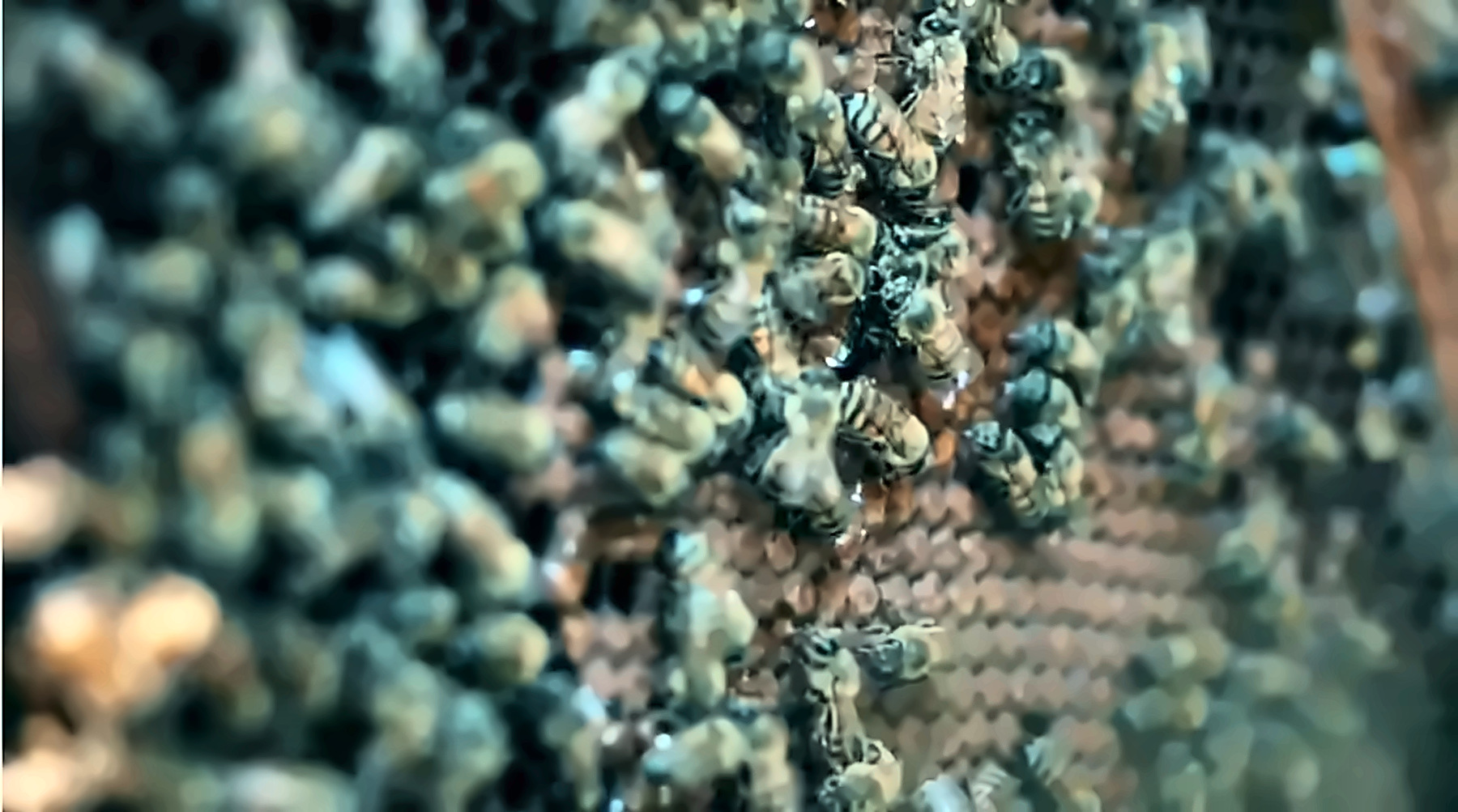
Beekeeping can be a powerful development tool for family farming in Latin America and the Caribbean. There is growing awareness of bees’ role as pollinators, interest in using native forests through non-extractive activities and room to add value to honey and other hive products. To seize these opportunities, the project “Platform to Consolidate Beekeeping as a Development Tool in Latin America and the Caribbean” (FTG/RF-1331-RG), known as REDLAC, is launched. It is executed by Argentina’s National Institute of Agricultural Technology (INTA) through its National Beekeeping Program (PROAPI). The co-executors are Costa Rica’s INTA, the Dominican Institute of Agricultural and Forestry Research (IDIAF) and Uruguay’s National Institute of Agricultural Research (INIA).
Over its three years, the project seeks to optimize the innovation process to boost beekeeping as a development tool. It also aims to validate successful experiences and take them to other interested countries. The work is organized into four components:
- Training for beekeepers, technicians and researchers;
- Innovation, with technology adapted to tropical and subtropical environments;
- Cooperation and coordination with governments, universities and producer associations;
- Communication, so that knowledge reaches thousands of beekeepers.
🔗 Project page (in Spanish) · 🔗 Impact story (in Spanish) · 📄 Project proposal (in Spanish)