
 Impact
 Initiatives
 Dashboard
 Alliances
 Impact
 Initiatives
 Dashboard
 Alliances


Learn more about this story
Project Webstory
Go to webstory




 Pest and Disease ResistanceLivestock and Protein of the Future (“PI-2”)AppliedTechnologicalPests y DiseasesAgriculture
 2026
2026 Active
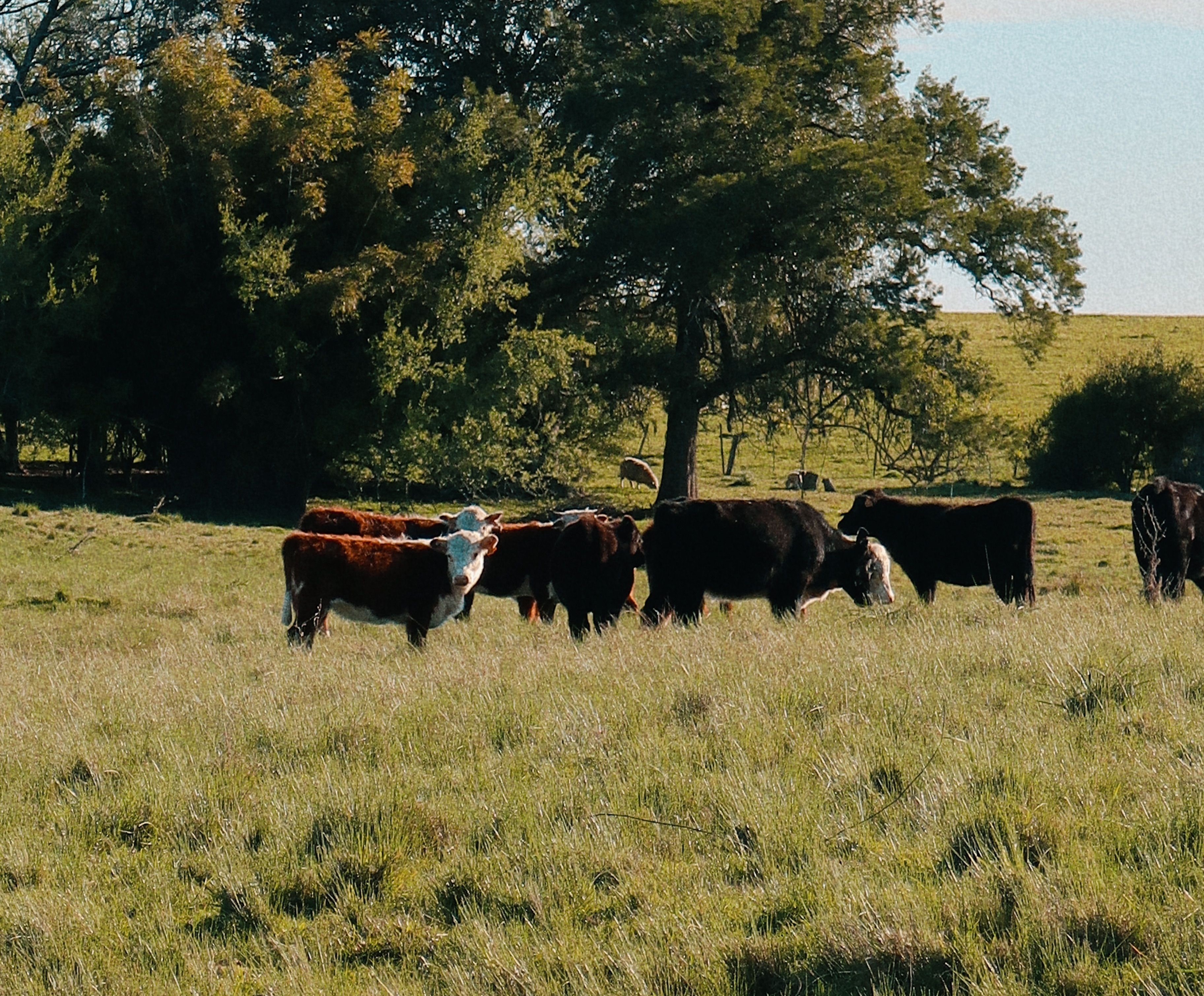
The New World screwworm (Cochliomyia hominivorax) is an obligate parasite of warm-blooded vertebrates: it lays its eggs in wounds and natural body openings, and the larvae develop at the expense of the host's tissue. Infestation cuts meat, milk, and wool production, opens the way to secondary infections, and can kill the animal, with losses falling on rural economies where livestock carries the household income; the species also has zoonotic importance. Recent outbreaks in Central America, Mexico, and the United States exposed specific gaps: not every country has official control programs or surveillance records of the epidemiological situation, and access to control tools is limited, with no preventive vaccine, costly treatment, and emerging signs of chemical resistance.
The response is organized around three pillars: 1) training producers, veterinarians, and extension services to improve early detection, reporting, and on-farm management; 2) applied research on treatments given to animals, wound management technologies, and trapping systems; and 3) stronger regional preparedness, knowledge management, and coordination with animal health authorities.
The technical proposal combines three elements. The first is an in vitro system that measures the susceptibility of larvae to different chemical groups of insecticides and to essential oils, calibrated with doramectin and ivermectin and then cross-checked in animal trials under commercial production conditions. The second is a set of trapping systems for the early detection of the adult fly, selected on prior evidence and operational feasibility, and assessed on capture rate, species specificity, sensitivity, and ease of use in the field. The third is a package of wound-prevention, neonatal inspection, and precision treatment protocols, backed by harmonized technical materials and by a regional network that sustains surveillance and exchange between countries.
The expected results concentrate, on the applied research pillar, on a standardized experimental platform to measure larval susceptibility to different chemical groups: the in vitro system is calibrated with doramectin and ivermectin, dose-response curves are built, and the concentration reached inside the larva is measured, with an added methodology for topical organophosphates, the route most widely used by producers. Those findings are cross-checked against animal trials comparing surgical wounds in treated and control animals on days 3, 7, and 14, which also establish whether Cochliomyia macellaria can serve as a model species. Early detection foresees the validation of one to two trapping systems in endemic and at-risk areas, judged on capture rate, species specificity, sensitivity, and operational feasibility, and on demonstration farms two protocols for wound prevention, neonatal inspection, and precision treatment are validated.
The second block covers training and coordination: two week-long biennial regional courses with around 40 professionals trained, drawn from the technical staff of research institutes and from veterinarians in the official services; three technical guides and operating protocols that harmonize criteria across countries; a regional network devoted to exchange and to coordination with animal health authorities; and four scientific publications. In three cattle-raising regions of Colombia, a monitoring application fed by field reports will make it possible to build a validated epidemiological database, with species confirmed through morphological and molecular identification.
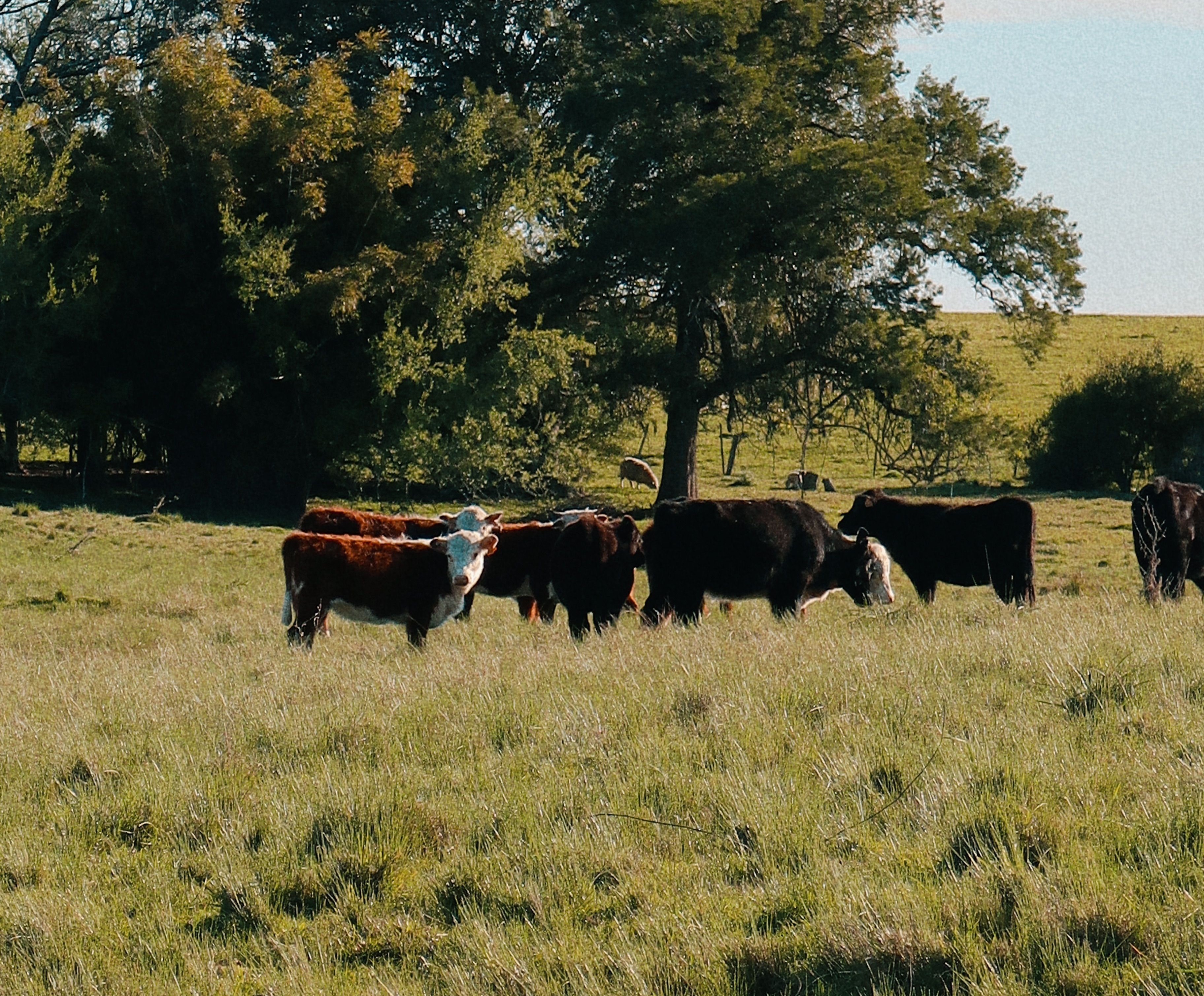
Beef cattle producers at the pilot sites distributed across Argentina, Uruguay, Colombia, and Costa Rica are the direct beneficiaries, together with producers in the other associated countries: they will gain access to wound-prevention, neonatal inspection, and precision treatment protocols validated on demonstration farms. Around 40 professionals, drawn from the technical staff of research institutes and from veterinarians in the official animal health services, will be trained in two week-long biennial regional courses and will join a regional network for technical exchange; the task of carrying the protocols out to producers rests with them, through regional cattle committees and digital extension channels. Farther out, the benefit is indirect: other actors in the beef chain, diagnostic laboratories, the veterinary pharmaceutical industry, regulatory agencies, and those who set public health policy.
This project actively contributes to achieving the Sustainable Development Goals, promoting more equitable, resilient, and sustainable regional development.

Sponsors


With the support of


