Recent outbreaks in Central America, Mexico, and the United States showed how quickly a parasite thought to be contained can return. Four countries are now testing traps, treatments, and surveillance protocols.

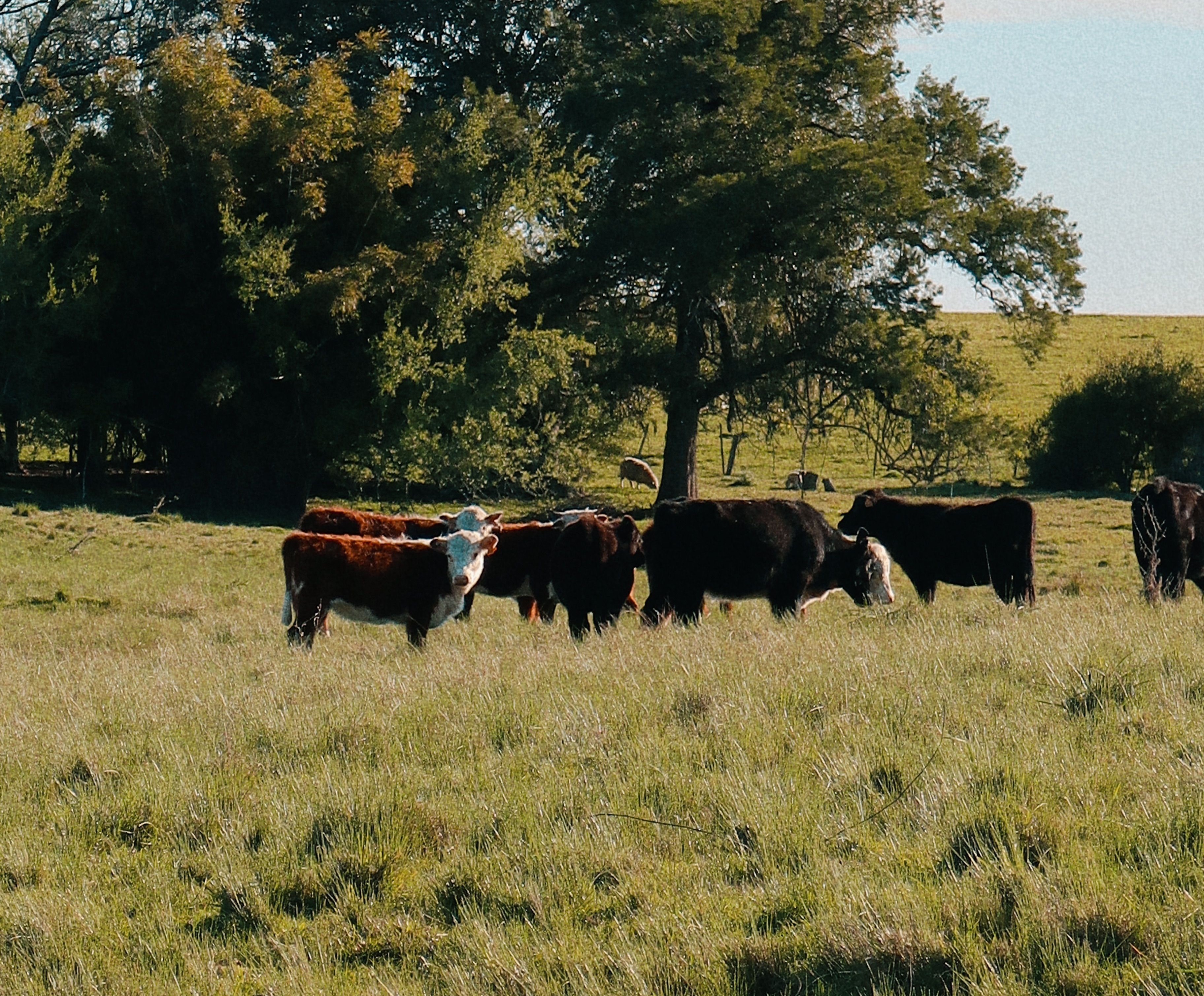
The New World screwworm fly (Cochliomyia hominivorax) remains one of the most damaging parasitic threats to livestock production in the Americas, causing severe impacts on animal welfare, productivity losses, and economic hardship for small- and medium-scale producers. Although regional eradication and suppression efforts have demonstrated technical feasibility, recent outbreaks have highlighted significant gaps in preparedness, surveillance, monitoring, producer engagement, and access to effective management and control tools.
Four countries, three fronts: training, laboratory work, and traps in the field
The initiative combines capacity building and training for producers and animal health services, applied research on treatments administered directly to animals and on emerging control technologies, and strengthened regional coordination and knowledge management. Activities include producer and veterinarian training in wound detection and management; developing tools to improve and expand the use of therapeutic drugs and pharmacological alternatives; validating integrated pest management tools and surveillance and monitoring technologies; and developing policy-relevant guidance to support decision-making at both national and regional levels.

The project does not propose a single technology but three complementary pieces. The first is an in vitro system that exposes larvae to rising concentrations of doramectin and ivermectin, builds dose-response curves, and measures the concentration reached inside the larva, so that the dose given to the animal can be linked to the effect on the parasite; in Colombia, a methodology is added to evaluate topical organophosphates, the control route most widely used by producers. The second is a set of trapping systems for the early detection of adult flies: one or two configurations chosen on prior evidence and operational feasibility, assessed on capture rate, species specificity, sensitivity, and ease of use. The third is a package of wound-prevention, neonatal inspection, and precision treatment protocols, compared on demonstration farms under real production conditions.
 Pest and Disease ResistanceLivestock and Protein of the Future (“PI-2”)AppliedTechnologicalCattle raisingPests y DiseasesAgriculture
The project expects to validate one to two trapping systems for early detection, first through a design and standardization stage and then in endemic and at-risk areas, with final technical recommendations on their performance and integration into epidemiological early-warning tools. It also anticipates a standardized experimental platform to assess larval susceptibility to different chemical groups, calibrated with doramectin and ivermectin and cross-checked against animal trials, from which preventive and therapeutic protocols validated under commercial production conditions will follow. On demonstration farms, two protocols covering wound prevention, neonatal inspection, and precision treatment will be validated. Training anticipates two biennial regional courses with around 40 professionals trained, three standardized technical guides and operational protocols, a regional network of institutions and professionals, and four scientific publications.





Sede Central

Argentina

Argentina
Uruguay

Venezuela


 Impact
 Initiatives
 Dashboard
 Alliances
 Impact
 Initiatives
 Dashboard
 Alliances