 Impact
 Initiatives
 Dashboard
 Alliances


 Impact
 Initiatives
 Dashboard
 Alliances

 Technological-Organizational-Institutional
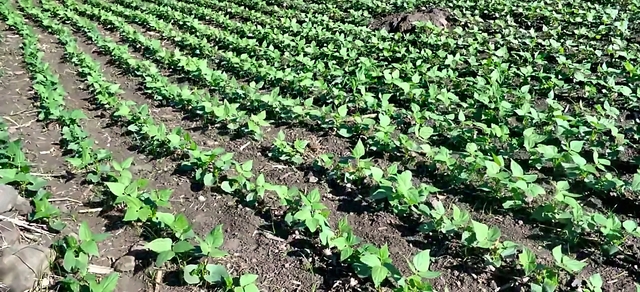
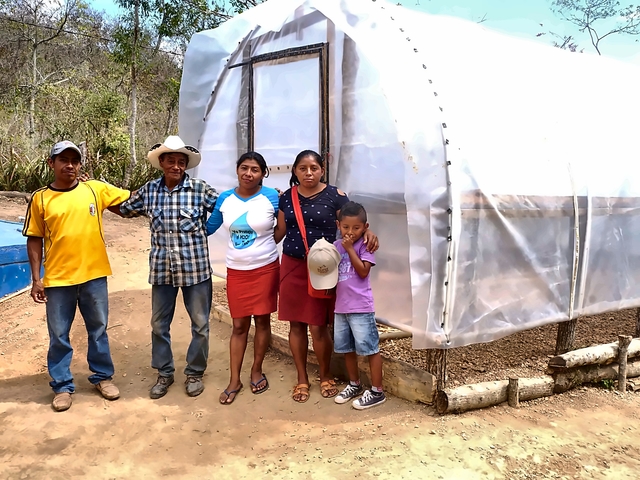
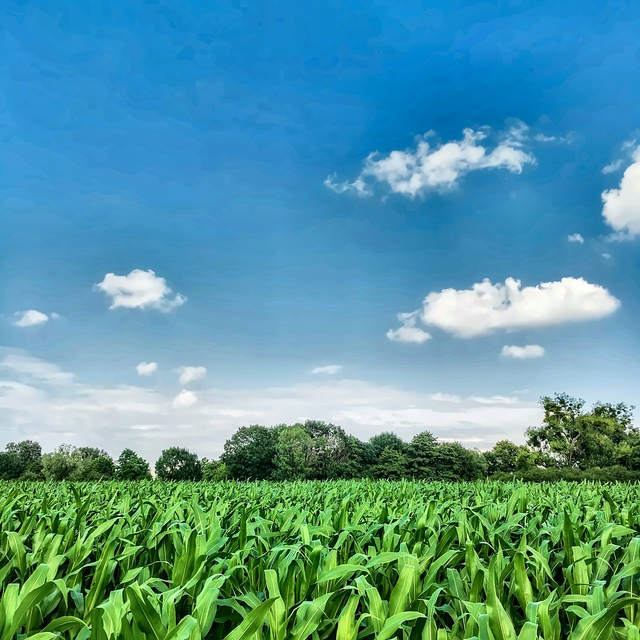
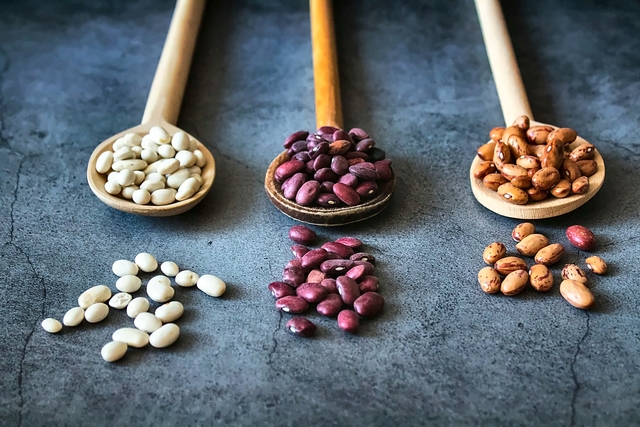
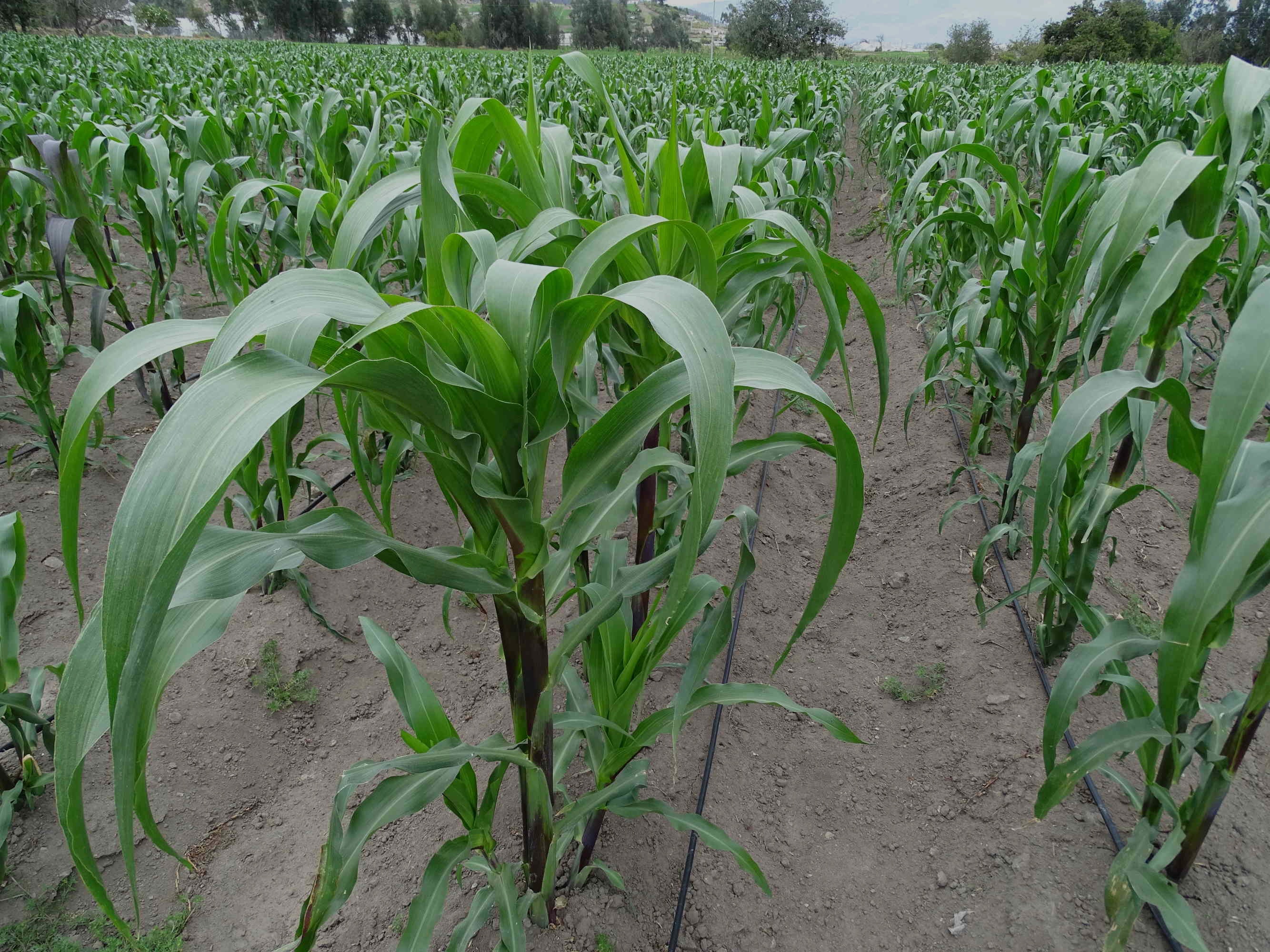
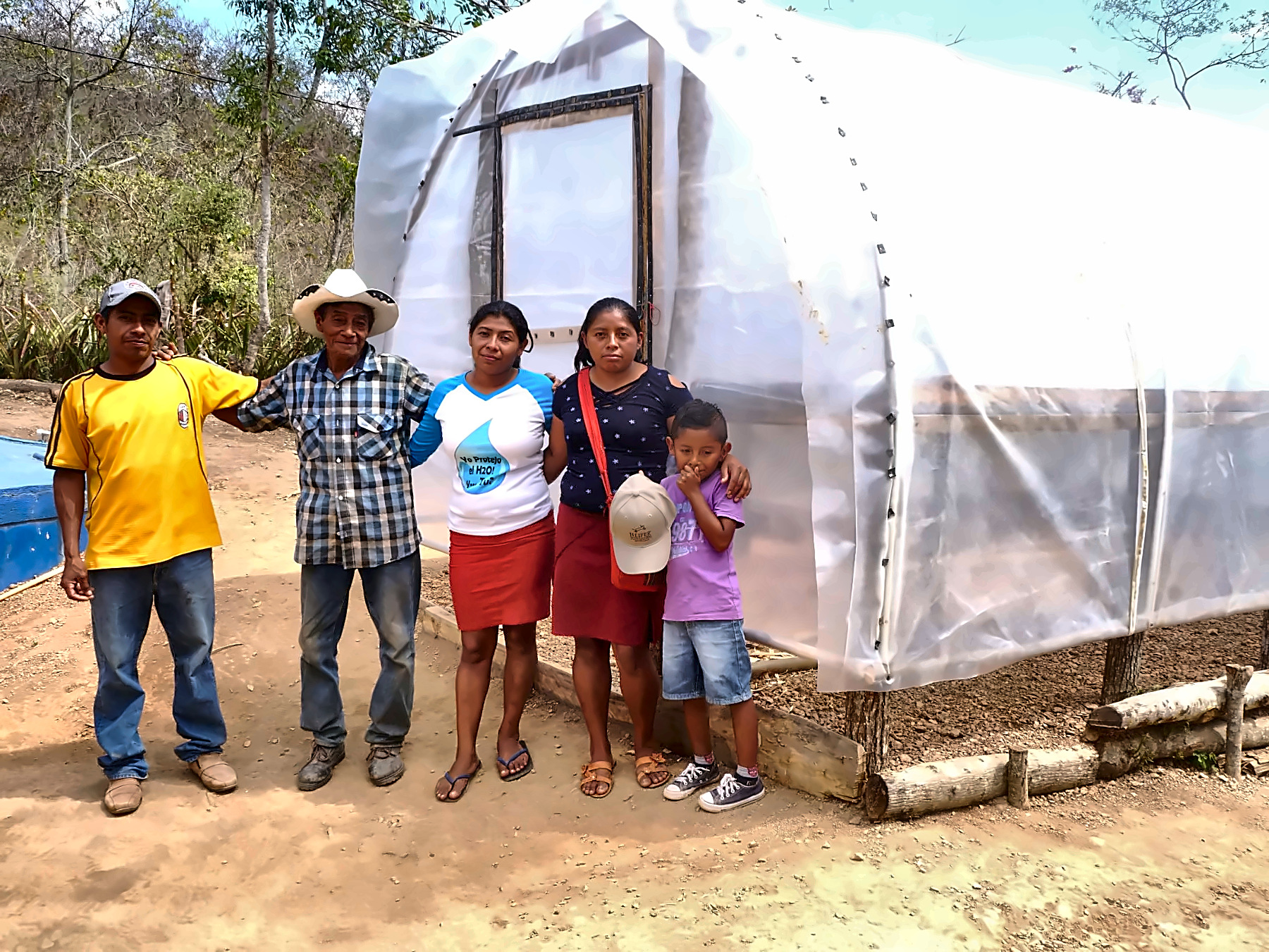
In the Dry Corridor of Nicaragua and Honduras, farming families are recovering and improving their own seeds. Through participatory breeding, the FONTAGRO-supported project “Technological innovations to build resilient livelihoods for farming families in the Dry Corridor” identified and validated landrace and locally adapted varieties in farmer field schools and demonstration plots. According to the 2018 progress poster, 21 maize varieties reached yields of 3,000 kg per hectare, well above the average of 1,667 kg, and 1,176 families were already using varieties more productive than traditional ones.
Seeds are kept in community landrace seed banks, which supply their members and neighbouring communities and sell surpluses. The project also promoted a new spacing between plants and rows for maize and beans: with it, what used to be harvested on one hectare can be obtained on half, using less seed and fewer inputs, freeing land to diversify crops. By the end of the project, 80% of farmers had adopted this practice.
📄 Project poster 2018 (PDF, in Spanish)
🔗 Project page (in Spanish)