
 Impact
 Initiatives
 Dashboard
 Alliances
 Impact
 Initiatives
 Dashboard
 Alliances


Learn more about this story
Project Webstory
Go to webstory




 BioeconomyImpact 2030: Scaling and Innovation (“PI-3”)AppliedTechnologicalPostharvestBioeconomyAgriculture
 2026
2026 Active
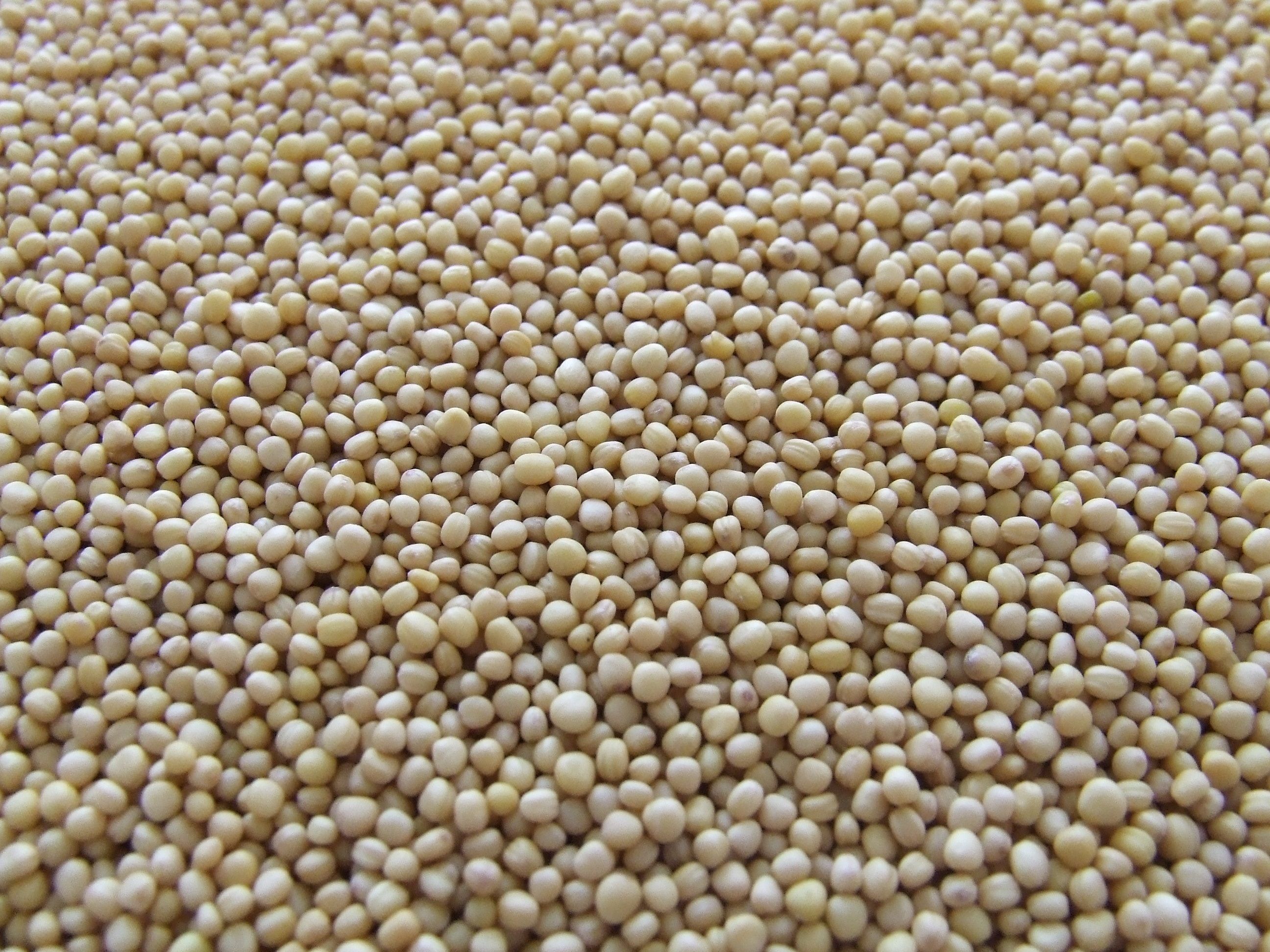
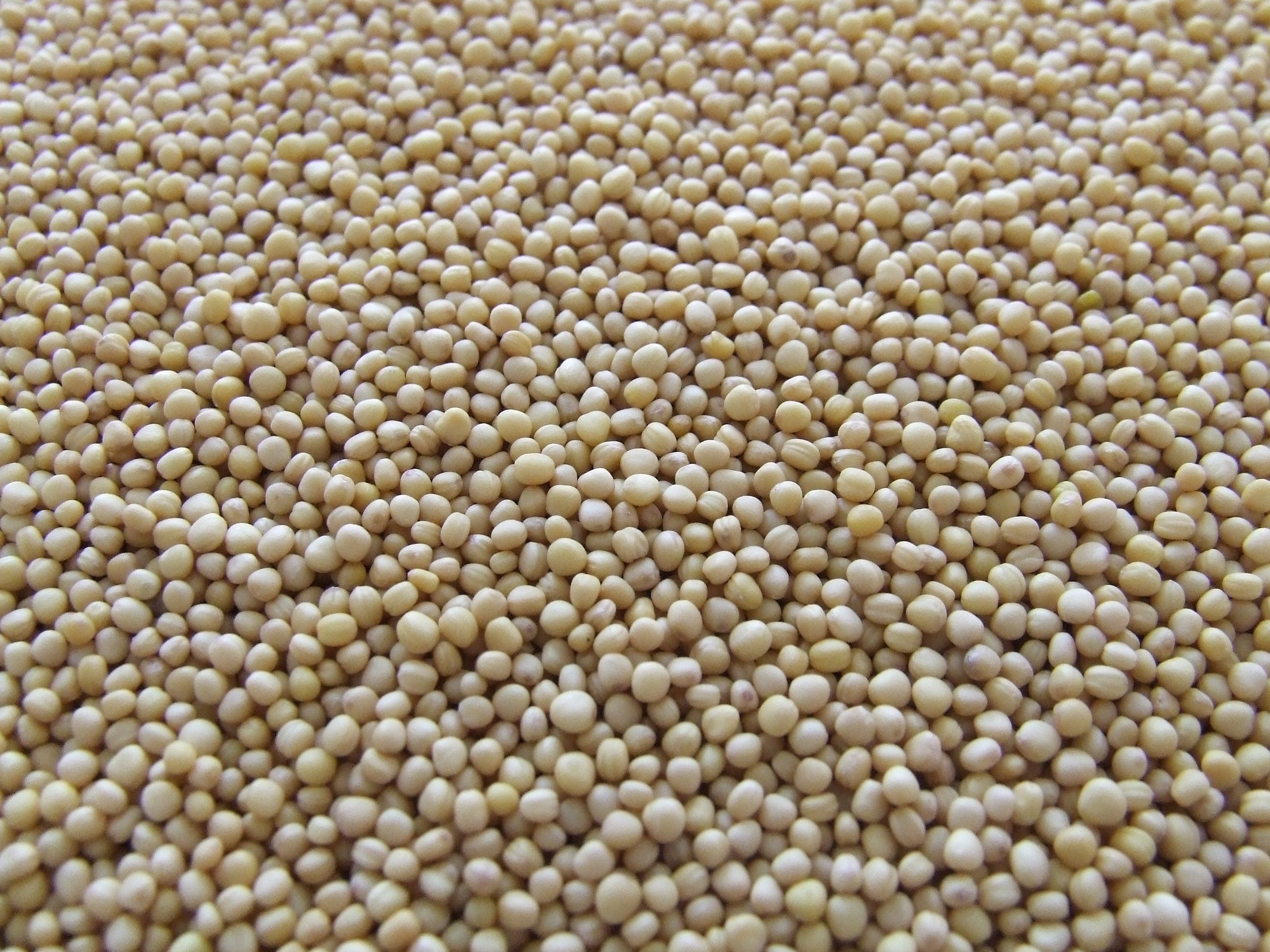
The project sets out to scale up, industrially and regionally, a patented technology that produces high-nutritional-quality soybean flour fit for human consumption through an extrusion and pressing process free of organic solvents, with the aim of improving production sustainability and the nutritional quality of widely consumed foods in Argentina and Uruguay. It builds on developments validated at pilot scale under a national program against hunger, which allowed foods to be formulated first for vulnerable populations. The model it advances is a territorial bioeconomy built on adding value at source: processing soybeans close to where they are grown avoids the waste and occupational risks that come with solvents, and cuts logistics costs and transport emissions.
The pilot plant will become an industrial-scale production unit, with the site, infrastructure, and operating staff contributed by local government, and organizations involved in raw material supply taking part. Validation in a second production setting will strengthen the technology's potential for regional replication. The flour will be combined with quinoa to develop baked goods and other widely consumed foods with verifiable nutritional improvements, compatible with local dietary habits and suited to public food programs and commercial markets.
The core technology is a patented extrusion and pressing process that turns soybeans into flour fit for human consumption: thermal extrusion inactivates antinutritional factors, mechanical pressing separates the oil, and cooling and milling complete the line. Unlike conventional industrial extraction, which relies on hexane, the process dispenses with organic solvents altogether, avoiding the hazardous waste and occupational risks that come with them, and its modular scale allows it to be sited close to growing areas. The resulting flour, at 40% to 48% protein, is combined with quinoa flour in formulations for baked goods and other widely consumed foods. The package reaches the market through a technology-based enterprise model operating under license of a publicly owned technology, territorially anchored and supplied with local raw material.
The project should close the gap between a technology validated at pilot scale and an industrial operation running in steady state. It expects a plant installed, operating, and technically validated, able to produce up to 30 tonnes of solvent-free soybean flour per week, on the order of 1,500 tonnes a year against the five of the baseline, with standard operating procedures, control of batch-to-batch variability, and a preliminary life cycle assessment (LCA) that sets the carbon footprint per tonne, a figure with no reference value today. From that flour, four quinoa-blend formulations are to be developed using French bread as the model matrix, characterized in the laboratory, and validated at semi-industrial scale in independent runs, targeting at least a 30% gain in protein content over the conventional loaf while holding acceptability at or above 85%. The third result is the transfer model: technology readiness level (TRL) raised from the 5 to 6 range toward the range associated with scaling and operational adoption, 40 to 60 professionals, technicians, and operators trained in both countries, a business model projected to break even in under two years, and a roadmap for replicating the technology in other territories.
More than 170,000 children reached by the public school feeding system in Tucumán are the target population for the higher-nutrition foods to be developed, and they make up the largest group of direct beneficiaries. Alongside them stand some 30 technicians and operators involved in bringing the industrial plant into service, and between 40 and 60 professionals, technicians, and operators in Argentina and Uruguay who will be trained in processing, food safety, quality control, and technology transfer, together with researchers and undergraduate and graduate students joining the analysis, formulation, and nutritional evaluation work. Beyond the plant and the school kitchen, the reach extends to producers and cooperatives supplying soybeans and quinoa, to food manufacturers, schools and health facilities, social organizations, and public agencies responsible for food programs: potential beneficiaries would exceed 500,000 people.
This project actively contributes to achieving the Sustainable Development Goals, promoting more equitable, resilient, and sustainable regional development.

Esteban Mariano Pardo
Sponsors

With the support of



