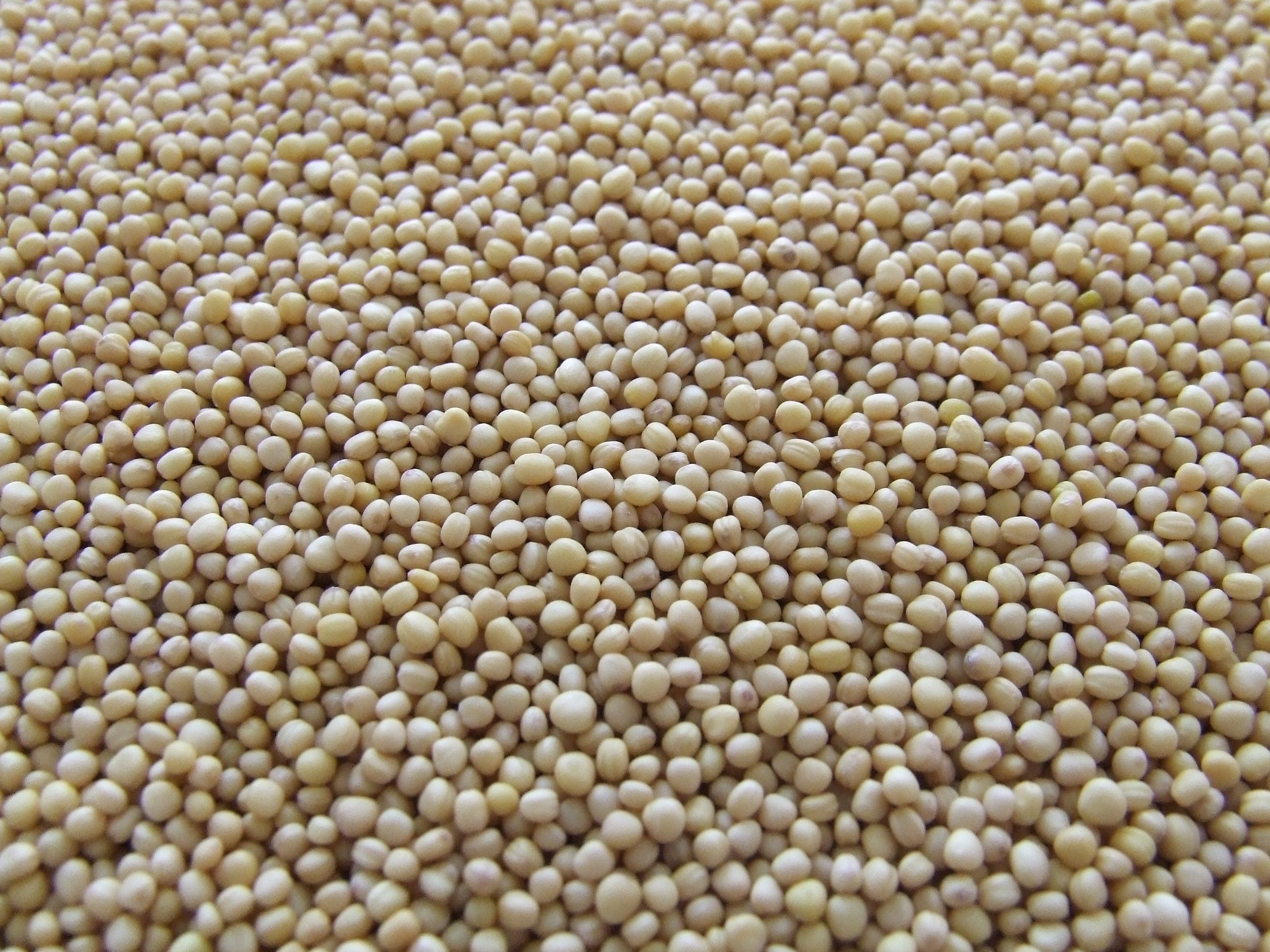
A technology that makes soybean flour fit for human consumption without solvents already works, but only at pilot scale. Argentina and Uruguay set out to take it to industrial scale, and into everyday bread.

In Tucumán, more than 170,000 children receive a meal from the public school feeding system every day. What reaches that plate depends on ingredients that are affordable, available, and accepted by the people who eat them. Soybeans could supply high-quality plant protein, and Mercosur accounts for roughly 50% of world production of the grain, but using them in human food requires processes that inactivate their antinutritional factors. That technology exists, it is patented, and it yields a flour of 40% to 48% protein without organic solvents; tortillas made with it drew 92% satisfaction from primary school students. The obstacle is no longer proving that it works: output stays below five tonnes a year, far short of what a school kitchen needs.
An industrial plant in Tucumán, formulations validated in Uruguay
The project turns the pilot plant into an industrial production unit in Tucumán, through progressive runs that tune temperature, moisture, residence time, pressure, and throughput until output reaches some 30 tonnes of flour a week. A local government contributes the site, the infrastructure, and the operating staff, and nearby cooperatives supply the grain, so the upfront investment does not fall on a company that does not yet exist. In parallel, Uruguay develops and validates the formulations that will put that flour to use, with French bread as the comparison matrix. The two operations hold each other up: without scale there is no food product, and without a validated food product there is no market to sustain the scale.

The soybean carries high-quality protein and also antinutritional factors that rule out eating it untreated. Industry usually deals with them using hexane, a solvent that leaves hazardous waste behind and demands exposure controls for the people running the plant. The process this project is scaling uses none: thermal extrusion inactivates those factors, mechanical pressing separates the oil, and cooling and milling deliver a flour of 40% to 48% protein fit for human consumption. Because it does not depend on a chemical installation, the line is modular in scale and can sit close to growing areas, shortening the haul for the grain. That flour is then blended with quinoa flour in proportions tuned in the laboratory by measuring water absorption, mixing and fermentation times, and dough rheology, until the loaf carries at least 30% more protein than the conventional one and holds sensory acceptability at or above 85%.
 BioeconomyImpact 2030: Scaling and Innovation (“PI-3”)AppliedTechnologicalCrops, Food and MarketsPostharvestBioeconomyAgriculture
The industrial plant will be installed, operating, and technically validated, able to produce up to 30 tonnes of solvent-free soybean flour a week, on the order of 1,500 tonnes a year, against the five tonnes a year of the pilot scale. The flour will be characterized by proximate composition, dietary fiber, urease activity, antinutritional factors, microbiological parameters, and batch-to-batch variability, and the process by energy use per tonne, waste generation, and a preliminary life cycle assessment that will set its carbon footprint. Four soybean and quinoa flour formulations are planned, developed in the laboratory and then validated at semi-industrial scale, with at least 30% more protein than conventional bread and acceptability at or above 85%. Nine knowledge products and training for 40 to 60 professionals, technicians, and operators in both countries are also foreseen.






Argentina

Uruguay

Argentina
Colombia

Argentina


 Impact
 Initiatives
 Dashboard
 Alliances
 Impact
 Initiatives
 Dashboard
 Alliances