 Impact
 Initiatives
 Dashboard
 Alliances
 Impact
 Initiatives
 Dashboard
 Alliances


Learn more about this story
Project Webstory
Go to webstory





 Agronomic PracticesAppliedTechnologicalInnovationStrategy 1. Resilient farmsStrategy 2. Sustainables territories
 2001
2001 Active
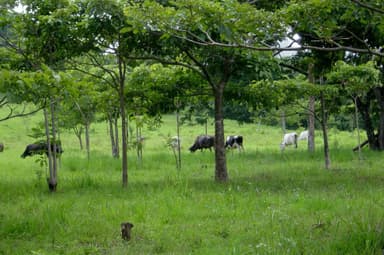
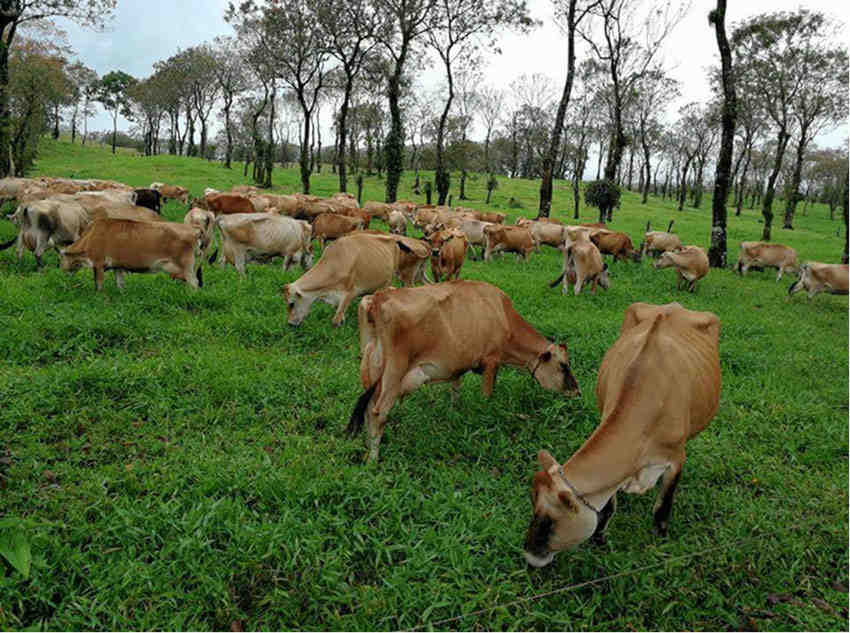
As the best lands in southern South America turn to agriculture, ranching is limited to less suitable lands in which natural vegetation (grasslands and shrubs) is the main forage resource. This project proposes the development of general knowledge and technologies for a more efficient and sustainable livestock use of the natural vegetation of the three most important livestock regions in southern South America: the grasslands of the Río de la Plata, the Monte and the Patagonian steppe. Livestock farms in these regions are going through a deep ecological and economic crisis that makes the development of new production technologies urgent. It is proposed to base the transformation of these production systems on a set of technologies that seek to characterize, understand, and forecast the primary production (forage supply) of the different ecosystems involved.
The general objective of the project was to characterize forage resources in the grasslands of the Río de la Plata and Patagonia at the regional and farm levels, and to develop forecasting systems of primary productivity that are easily accessible to the producer. The goal was to make spatially explicit information about the status and probability of change of forage resources, as well as the impact that the use of such information has on the economy of livestock companies and the sector, available to producers, technicians, officials and politicians.
Use of information provided by remote sensors with field data and simulation models to calibrate the relationship between the Normalized Difference Vegetation Index (NDVI) and the Above-ground Net Primary Productivity (ANPP) for different forage resources and environments. Prospecting systems were developed (based on the historical behavior of the NDVI and climatic variables for the period 1981-2000) and forecasting for farms in different regions and production systems, implementing management strategies that optimize in economic, social and environmental the use of acquired information.
210 ranchers
This project actively contributes to achieving the Sustainable Development Goals, promoting more equitable, resilient, and sustainable regional development.



Regional characterization and establishment of forage resources
Algorithms to estimate the NDVI-PPNA relationship in grasslands
Land cover type classification models
Grassland net primary productivity maps in Patagonia
Development of a forage production prospecting system based on NVI and climatic variables.
Grassland management strategies for the Río de la Plata and Patagonia
Website of the forage resources of the Río de la Plata and Patagonia.
Environmental gradient of grazing in the Rio de la Plata and Patagonia region
Conceptual models of desertification in the Patagonian region
Environmental controls in Patagonia
Effect of grazing on the circulation of nutrients in the grasslands of the Río de la Plata
Relative grass growth rate
José Paruelo
José Paruelo
The tangible impact of science and technology in the field
Sponsors


With the support of