 Impact
 Initiatives
 Dashboard
 Alliances
 Impact
 Initiatives
 Dashboard
 Alliances


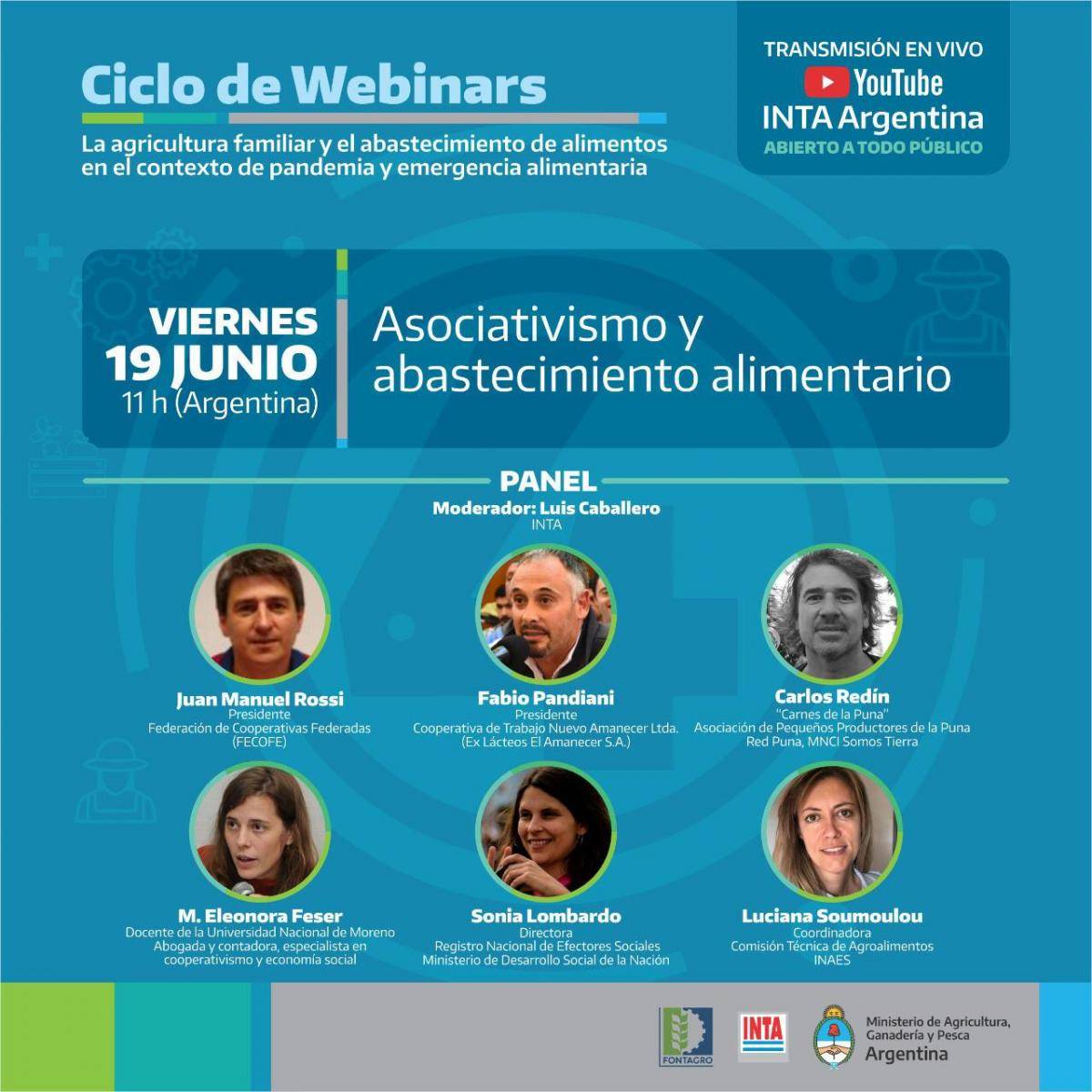
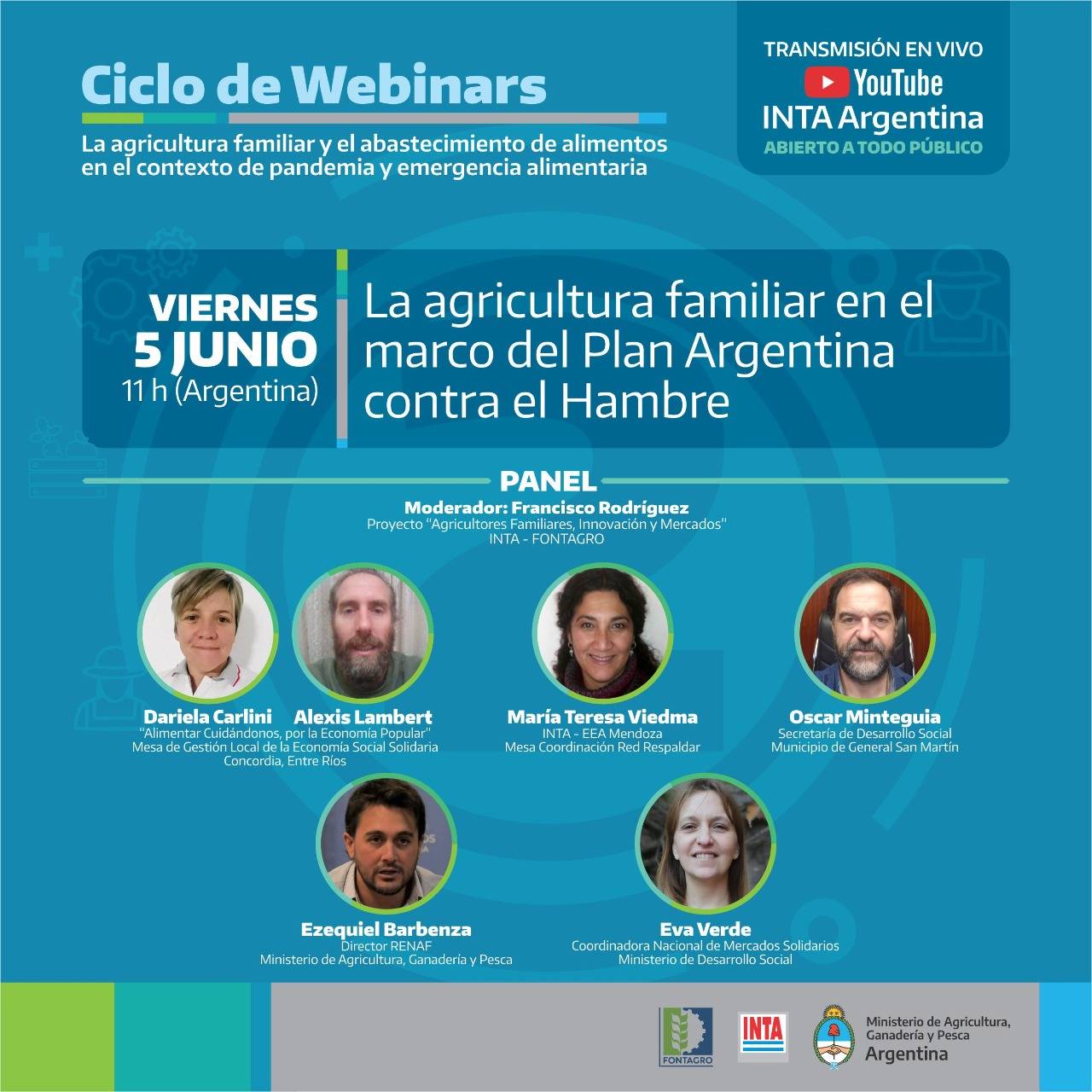
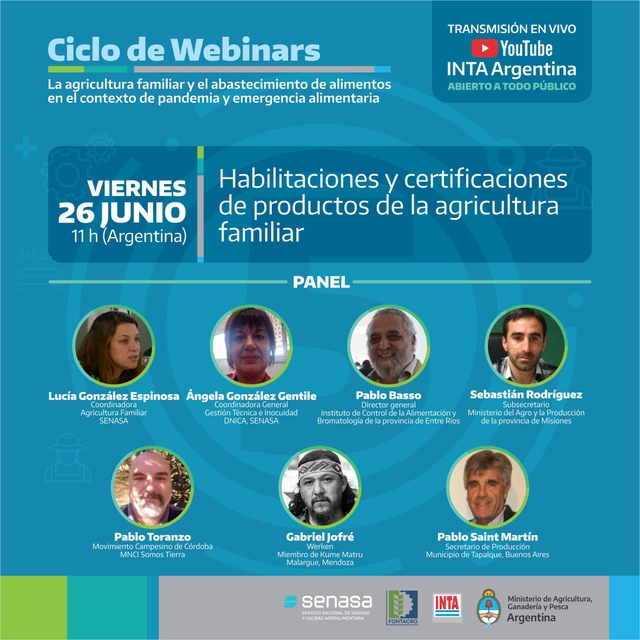
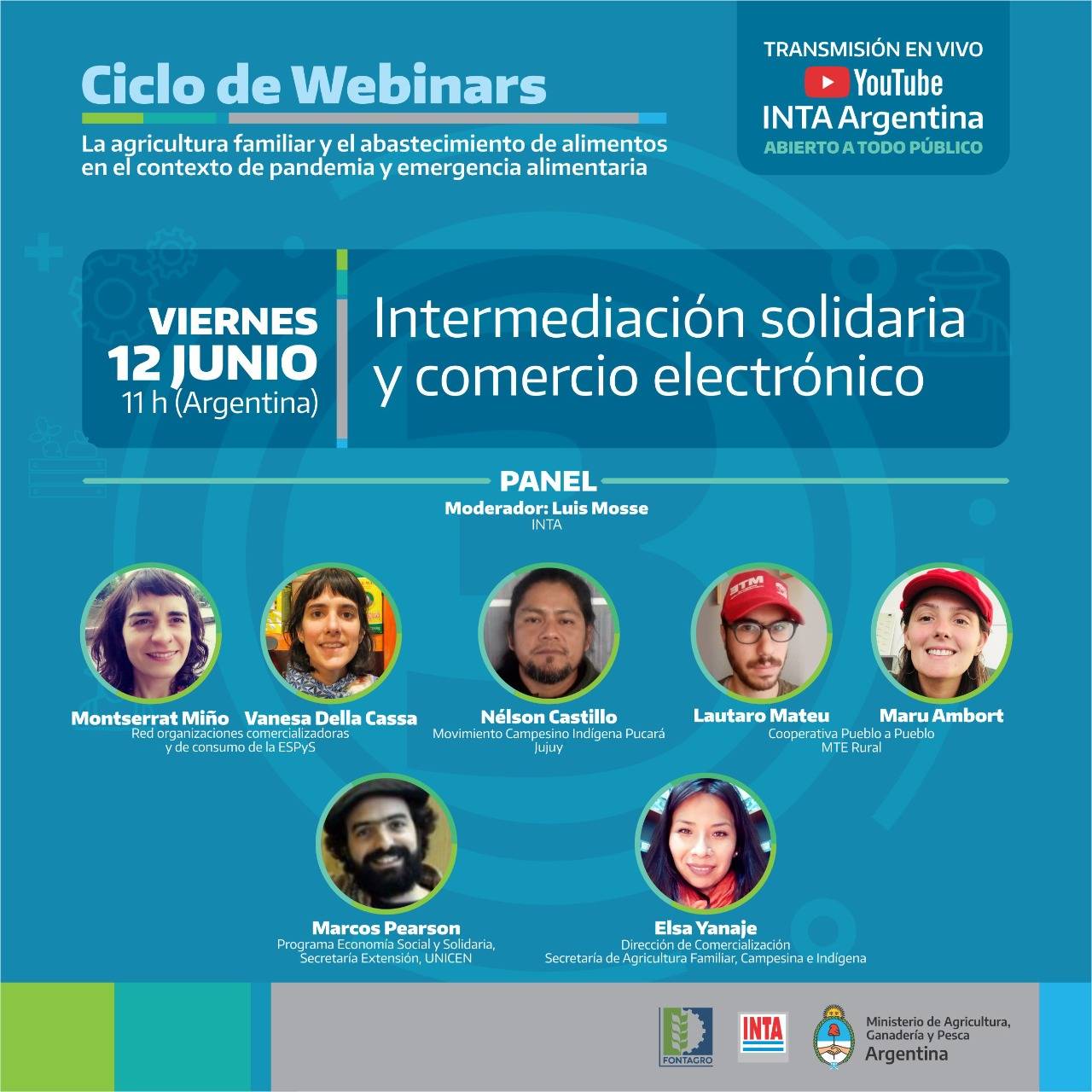
Learn more about this story
Project Webstory
Go to webstory




 Value chainInnovationStrategy 2. Sustainables territoriesAppliedTechnological-Organizational-Institutional
 2016
2016 Closed
The project aims to add value to innovative food production and distribution strategies generated by family farmers. The purpose is to understand and visiblize the productive and commercial innovations of family farmers and consumers in order to enhance them and contribute to the discussion and design of appropriate public policies for their scaling in Argentina, Bolivia and Spain.
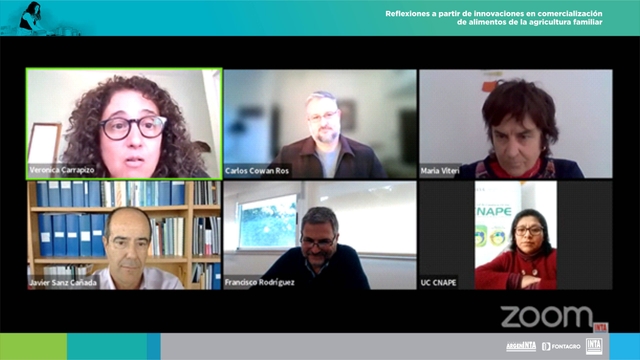
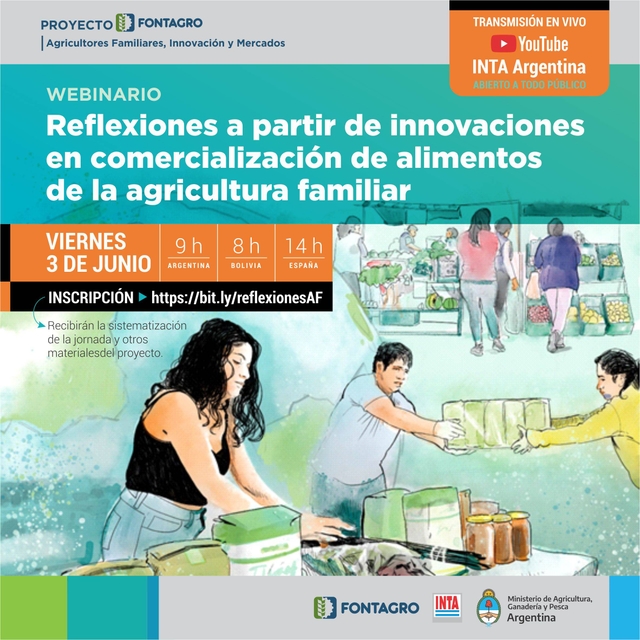
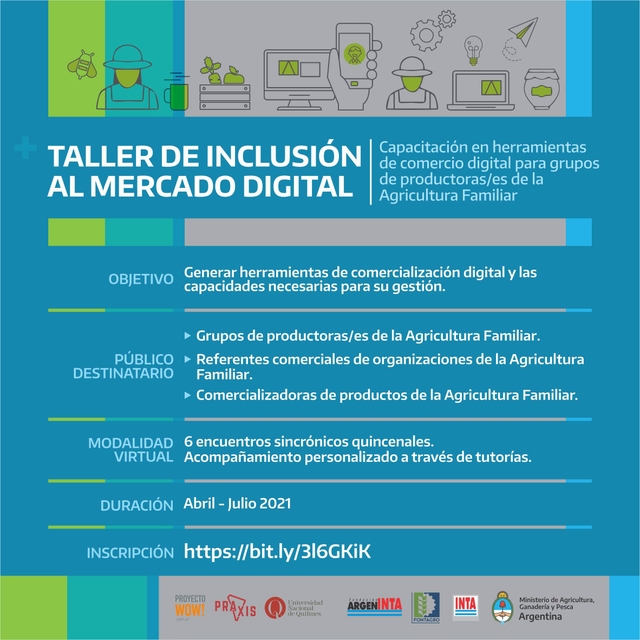
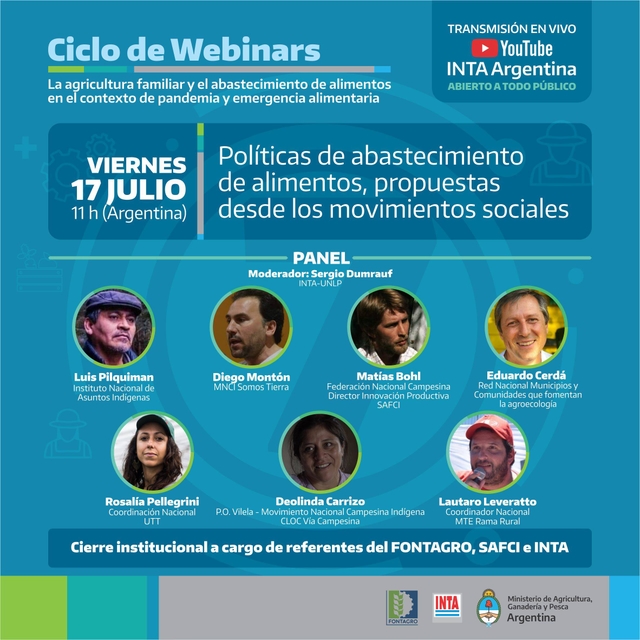
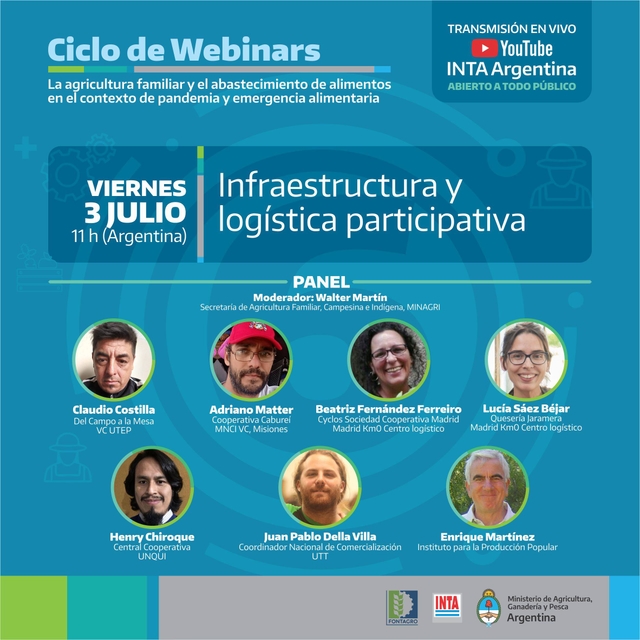
Different activities (comparative study, a seminar and workshops) will be developed in order to analyze the sustainability and replication possibilities of each case study. These studies allow us to generate new knowledge about innovation processes and the common elements that facilitate the processes of adding value and access to markets. The project also aims to develop methodological proposals and technical documents for the strengthening and multiplication of these experiences. Within this framework, different platforms will be developed for the dissemination of innovations aimed at raising awareness among different actors, including political decision-makers, heads of science and technology institutions, and farmer organizations.
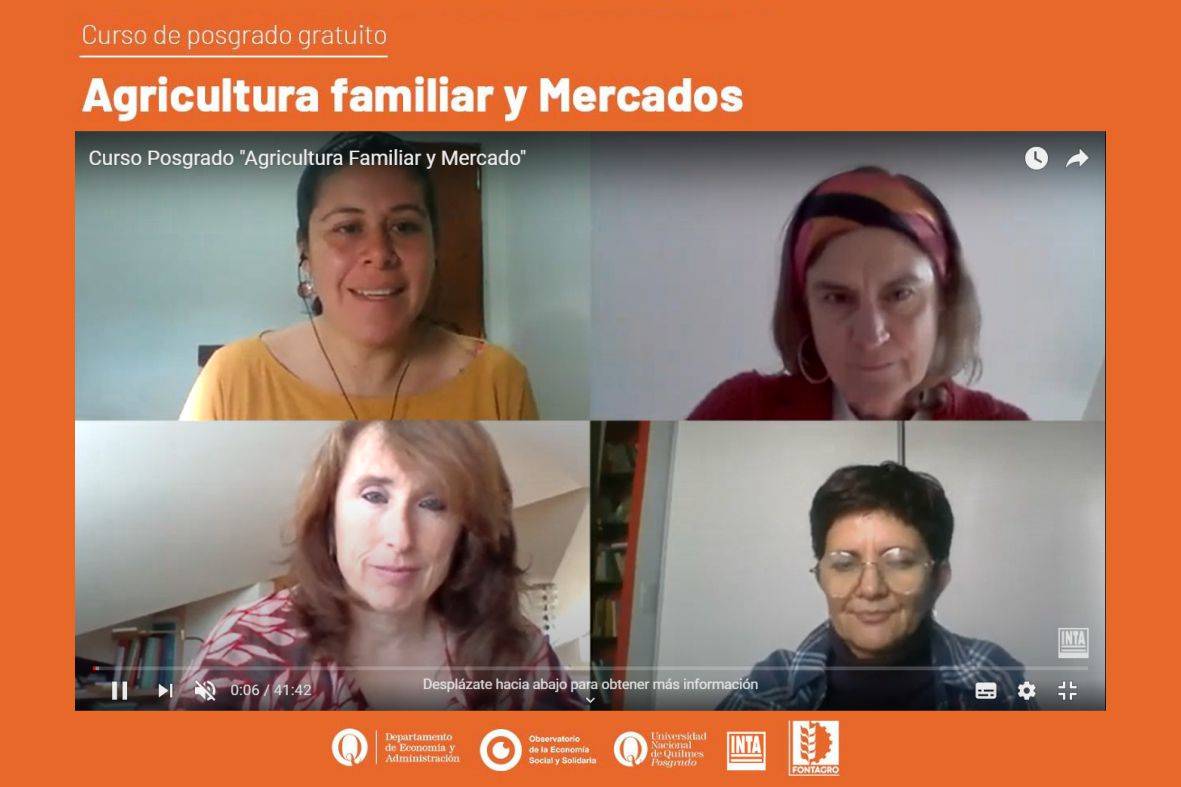
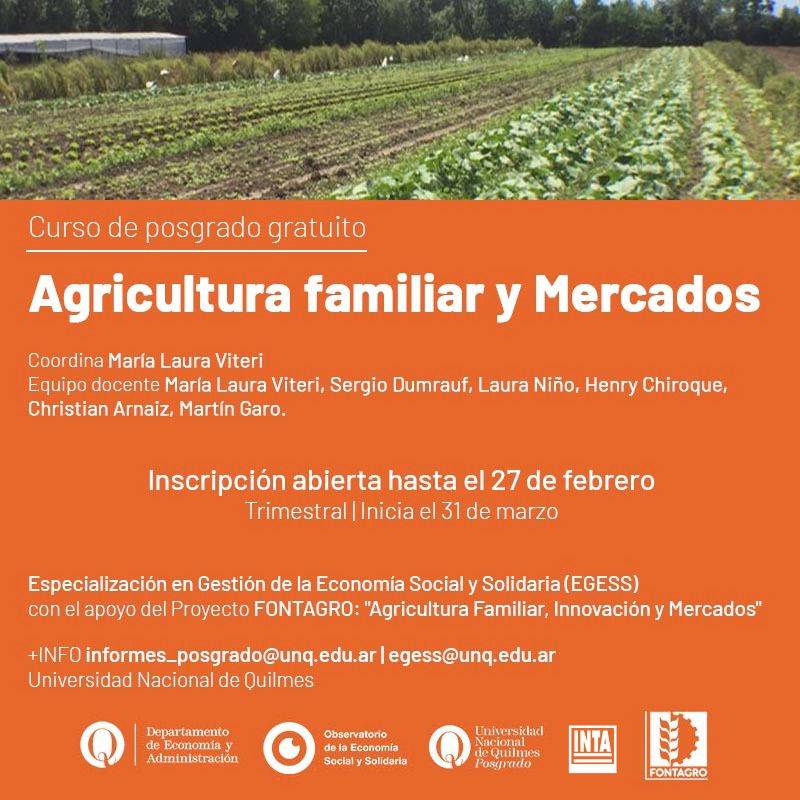
In addition, postgraduate courses about family farming and value-added markets will be organized in Argentina, Bolivia and Spain.
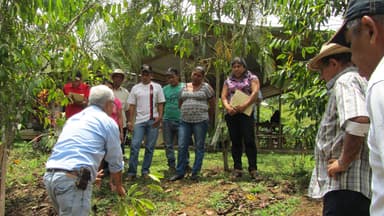
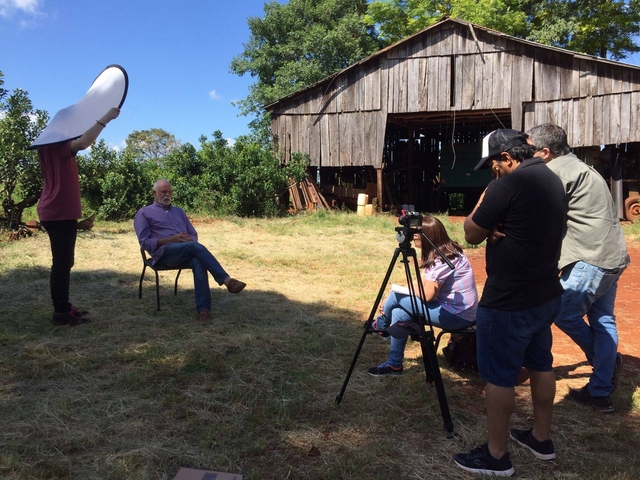
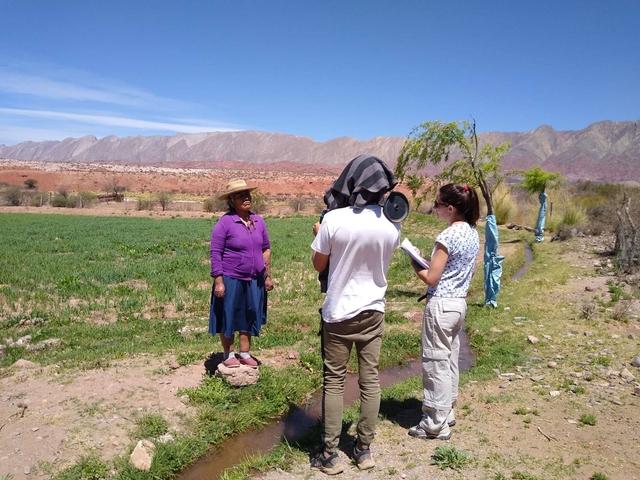
Innovative marketing and value-added experiences implemented by family farmers were studied (14). Qualitative and participatory methodologies were applied. In total, 282 open interviews were conducted with producers, consumers and technicians, 16 focus groups and workshops to analyze experiences, and there were 22 instances of observations at fairs and markets. The comparative analysis of the above will allow identification of the common elements that make innovations sustainable.
Studies show the importance of collective and professionalized practices, the use of ICTs, the efficiency of inclusive territorial governance models and the support of various state agencies, the role of collaborative social networks and the coordination with conscious consumers.
Policy makers, researchers and technicians will increase their knowledge and networks in issues like commercial innovation and value-added family farming.
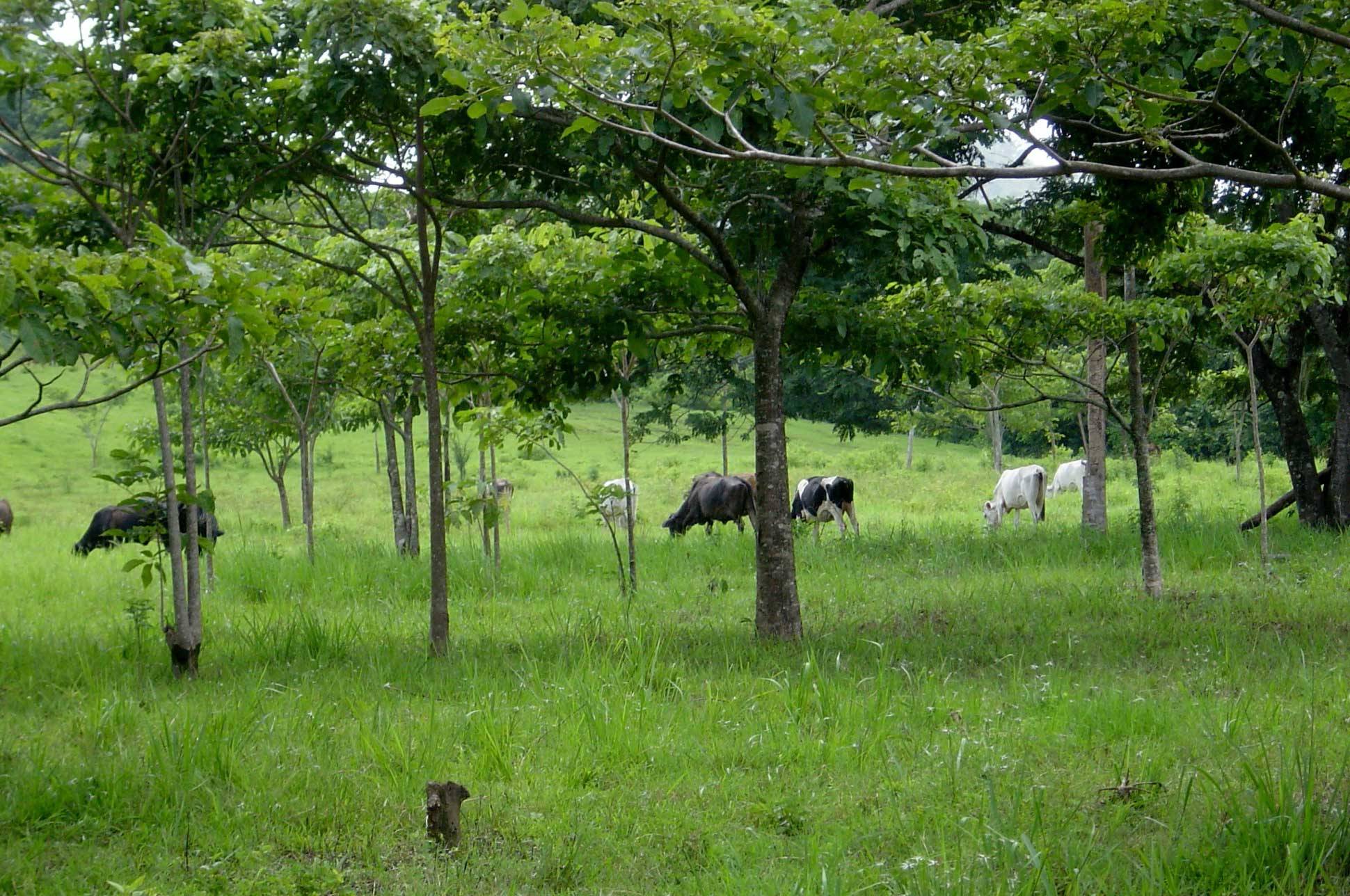
In the context of COVID-19, the environment benefits from short food chains which create new conscious and environmental friendly producers and consumer patterns.
This project actively contributes to achieving the Sustainable Development Goals, promoting more equitable, resilient, and sustainable regional development.

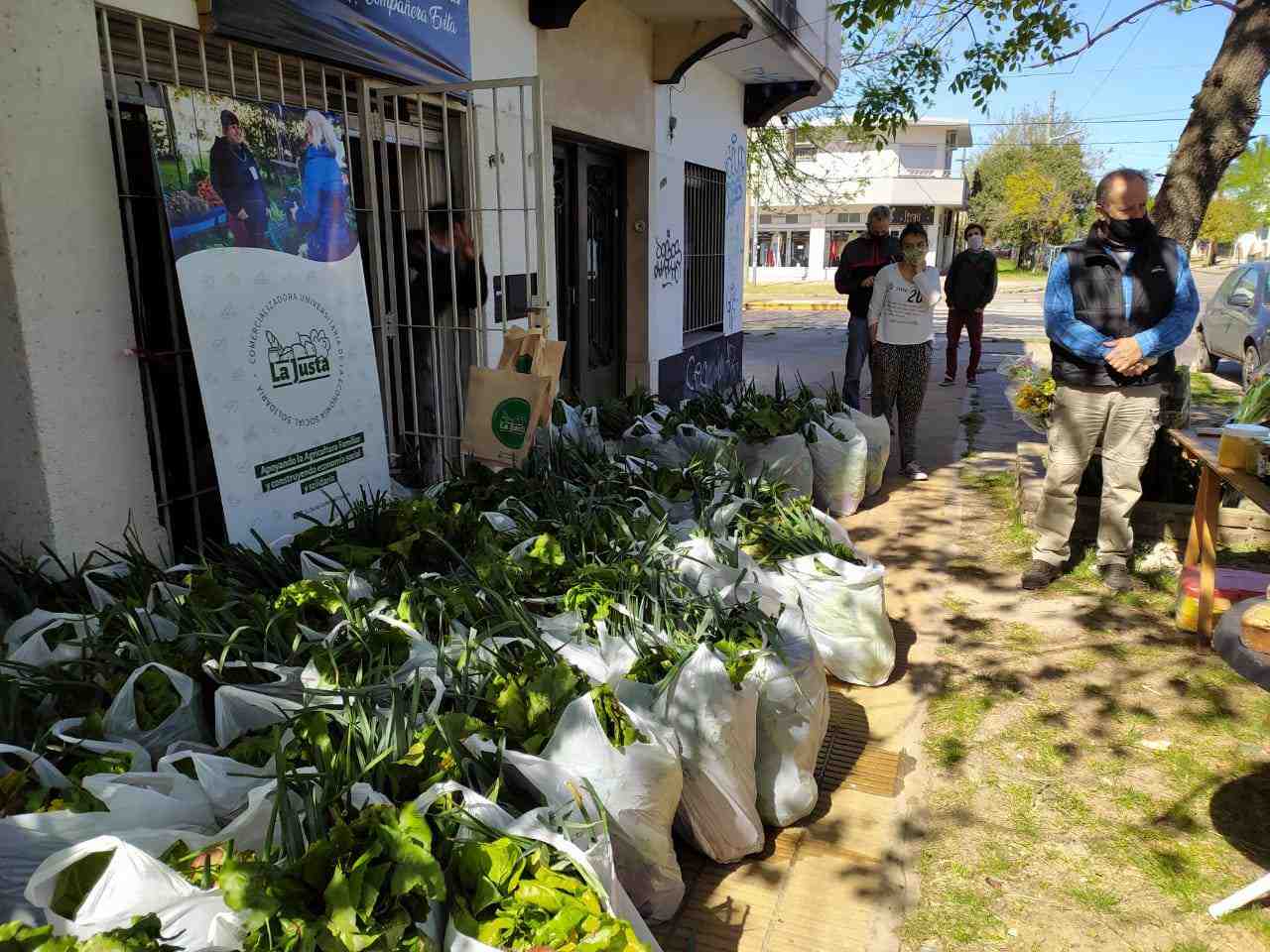
The tangible impact of science and technology in the field
Sponsors


With the support of

Francisco Raúl Rodríguez
ArgentinaMaría Florencia Chavez
ArgentinaJavier Sanz Cañada
EspañaAlejandro Daniel Oviedo
ArgentinaMaría Laura Viteri
ArgentinaDaniela Bustos
ArgentinaAna Müller
ArgentinaJosé Francisco Zelaya
ArgentinaAlejandro Daniel Ríos
ArgentinaMaría Eugenia Barrientos
ArgentinaJavier Gortari
ArgentinaEduardo Malagón
EspañaVerónica Carrapizo
ArgentinaAranguren Cecilia Inés
ArgentinaClaudia Rosana Bogado
ArgentinaMarcela Claudia López
ArgentinaNatalia Drago
ArgentinaCaciano Calcina Alanes
BoliviaTomas García Azcarate
EspañaAna Dorrego Carlón
EspañaSergio Dumrauf
ArgentinaAintzira Oñederra Aramendi
EspañaNancy Coparicona
BoliviaMirene Begiristain Zubillaga
EspañaJaneth Debia Fernández Mamani
BoliviaMaría Laura Cendón
ArgentinaSebastián Grenoville
ArgentinaGonzalo Bravo
ArgentinaMónica Chávez
ArgentinaFederico Miri
ArgentinaGiselle Eliana López
Argentina