 Impact
 Initiatives
 Dashboard
 Alliances


 Impact
 Initiatives
 Dashboard
 Alliances

 Technological-Organizational-Institutional
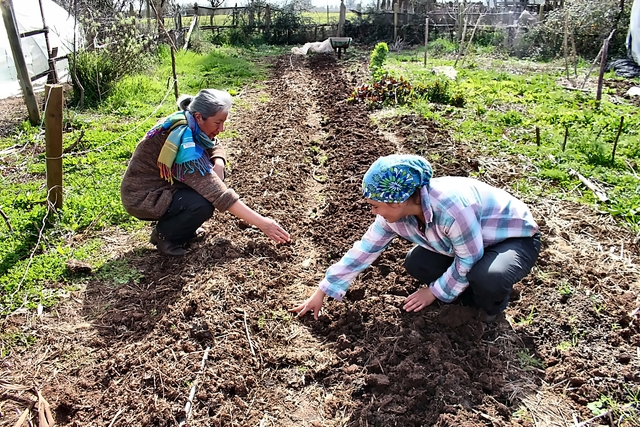
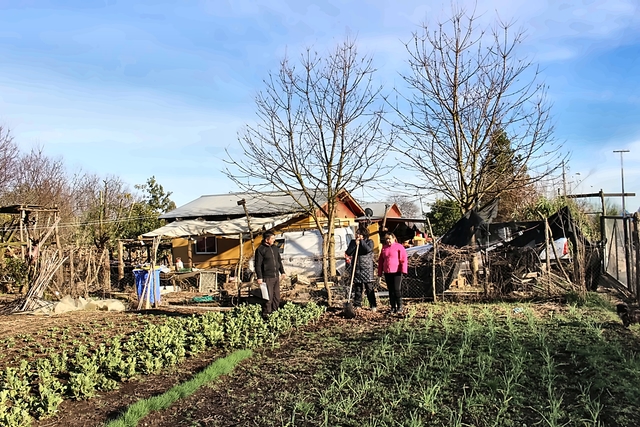
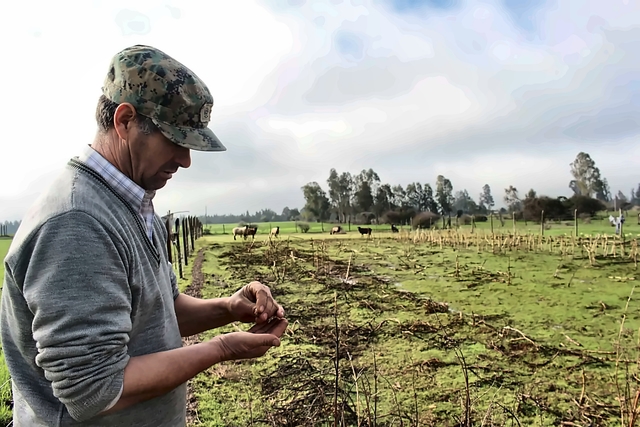
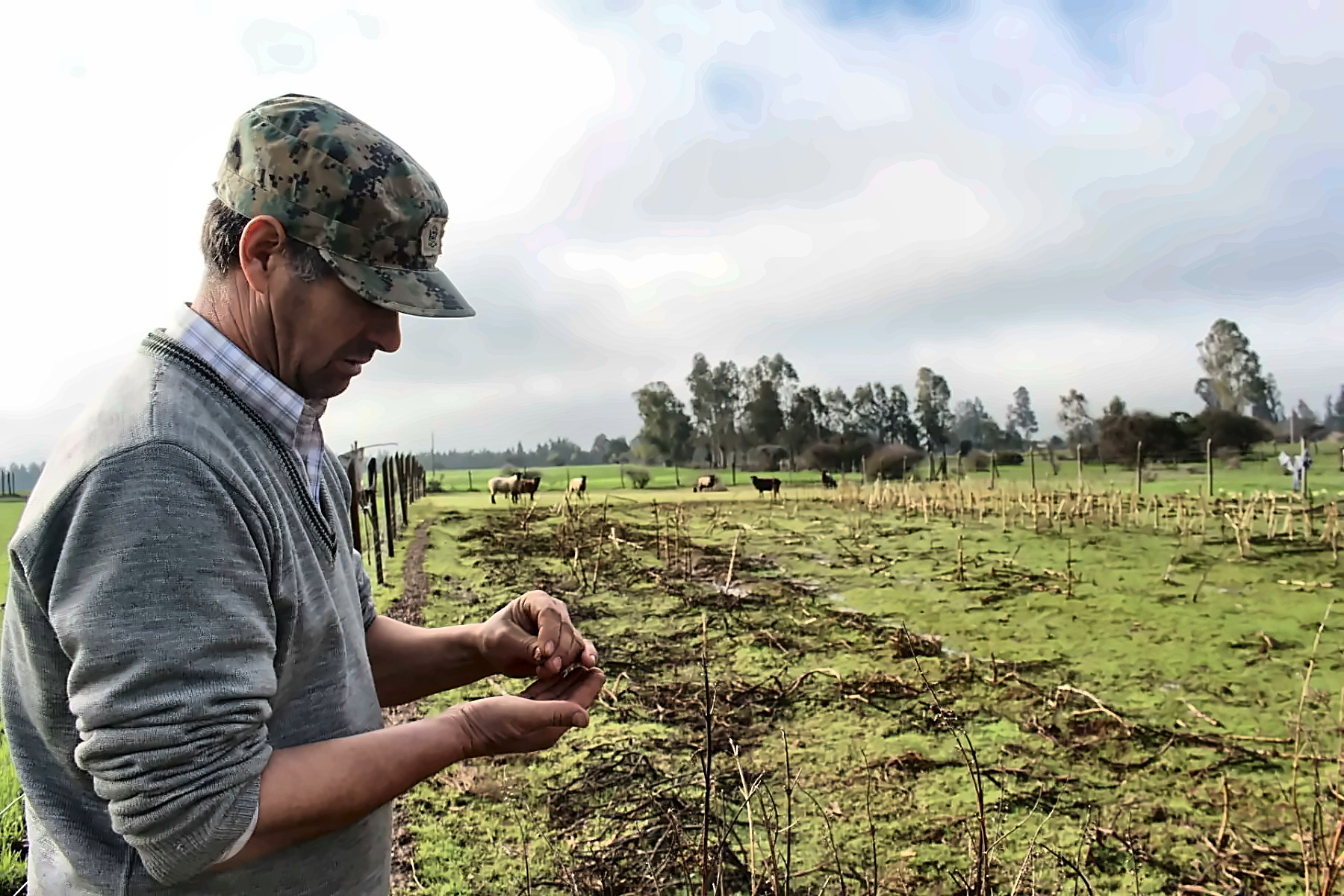
Researchers from four South American countries met to discuss the importance of traditional and improved seeds for competitive family farming, and how to bring this key input closer to the region’s smallholders. This marked the start of the project “Varietal Supply Centres for Traditional Seeds” (FTG/RF-15460-RG), led by Erika Salazar of Chile’s Agricultural Research Institute (INIA), together with CONAGRO (Chile), INTA Argentina, IPTA Paraguay, INIA Uruguay and the University of the Republic (Uruguay). The initiative has an investment of USD 950,966, including USD 366,586 from FONTAGRO, and will benefit 625 smallholder farming families over three years.
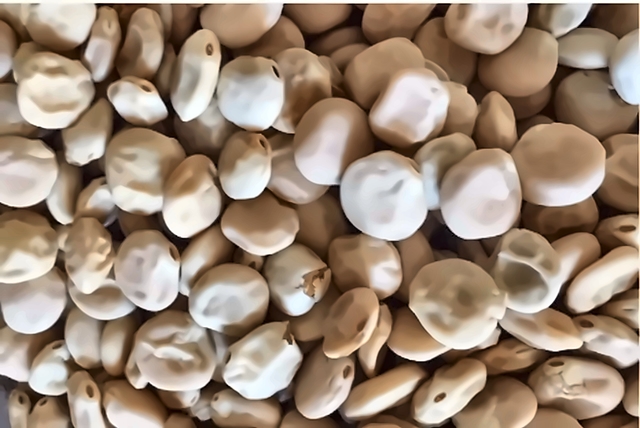
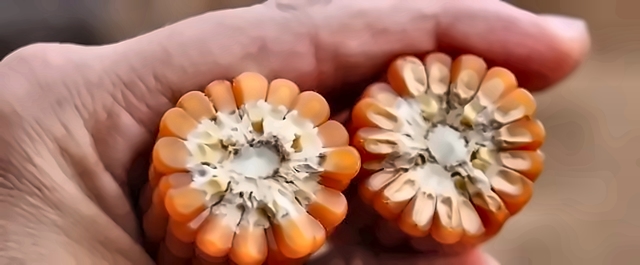
In the region, between 50% and 90% of the production of some crops relies on traditional seeds, which consumers increasingly value but which are often scarce and of uneven quality. The project will link national institutes’ genebanks with rural communities to produce and supply quality seeds with valuable associated information: tomato, beans, maize and squash in Chile; tomato, squash and legumes in Mendoza and Neuquén (Argentina); cassava, maize, beans and cucurbits in Canindeyú and Caaguazú (Paraguay); and landrace seeds with farmer organizations in Uruguay.
🔗 News: Smallholders will have access to a greater diversity of traditional seeds – INIA Chile (in Spanish)
🔗 Project page (in Spanish)
📄 Project proposal (PDF, in Spanish)