 Impact
 Initiatives
 Dashboard
 Alliances
 Impact
 Initiatives
 Dashboard
 Alliances


.jpg&w=640&q=100)


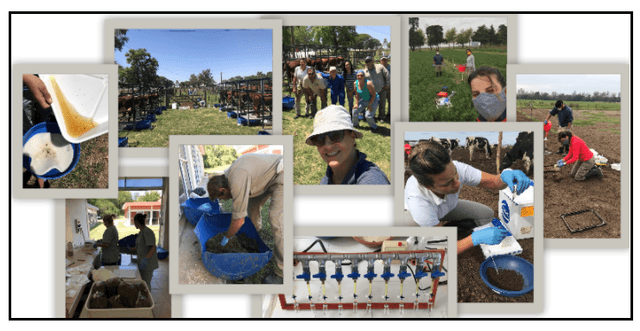
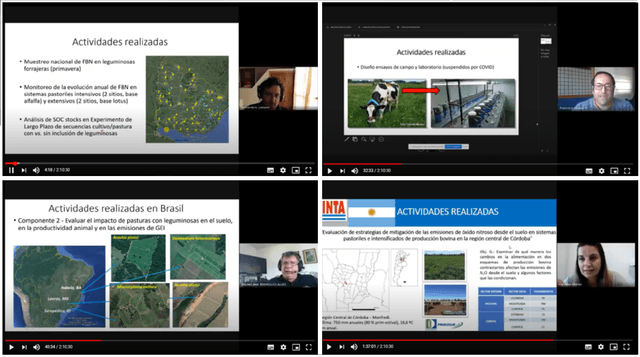

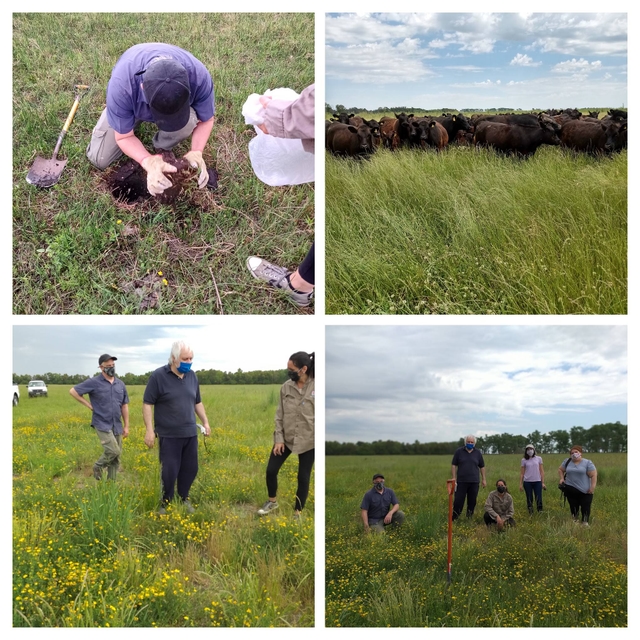


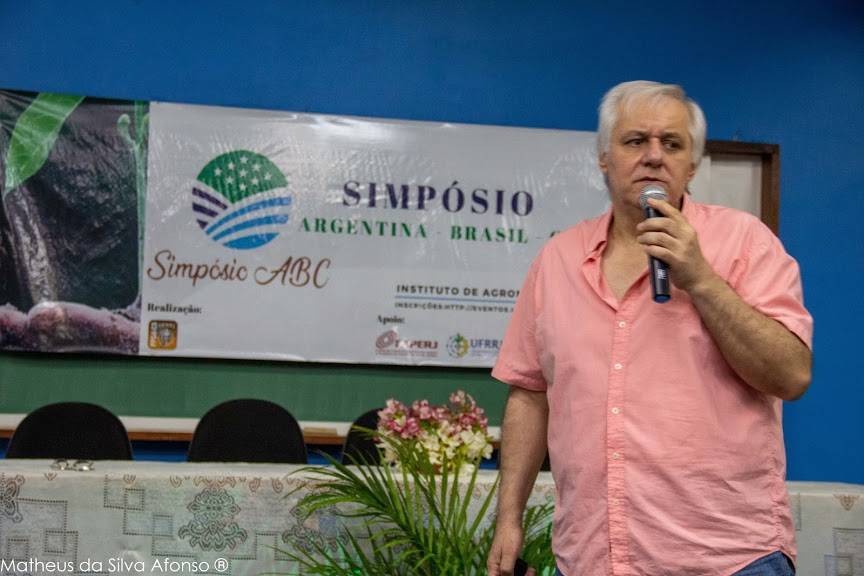
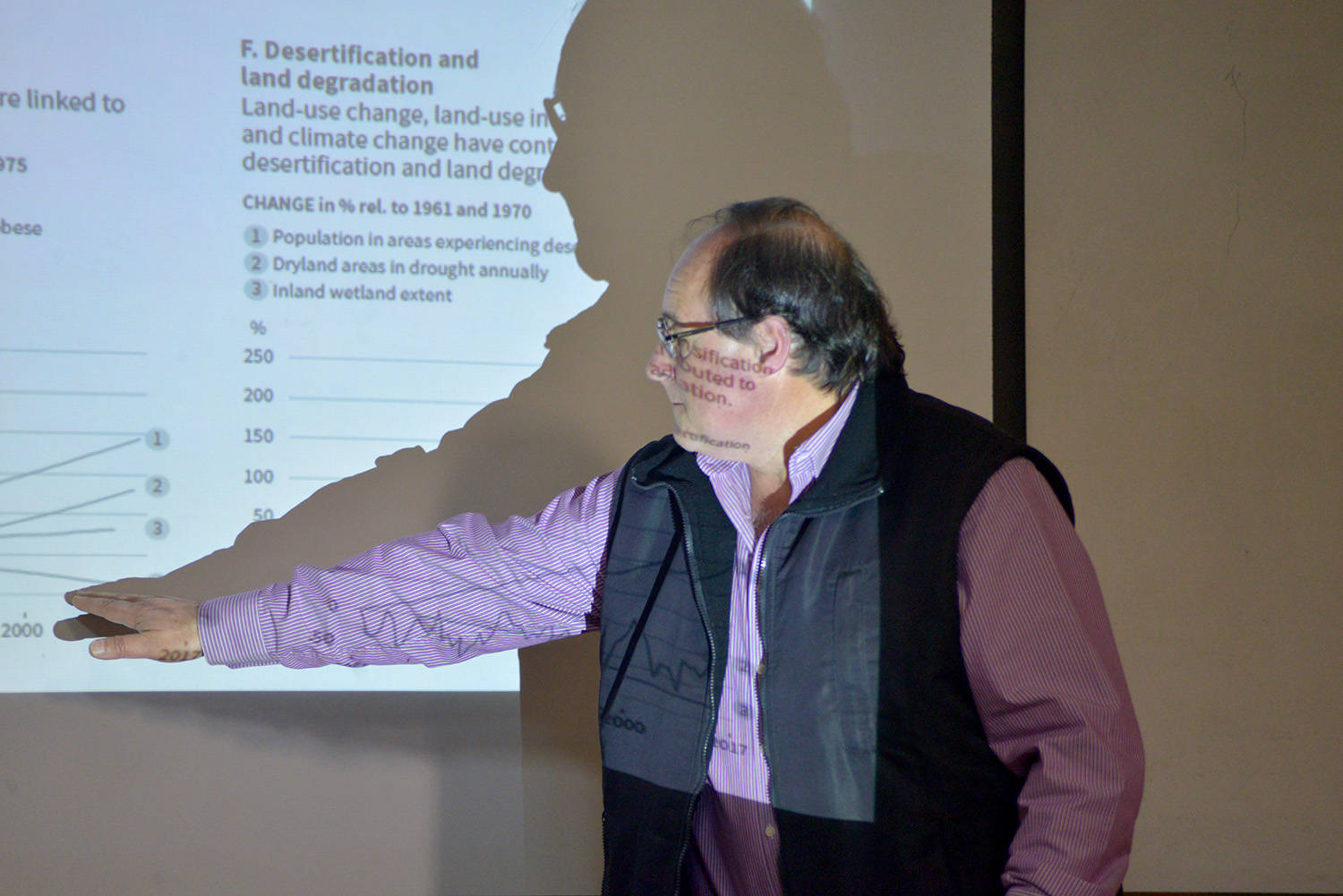

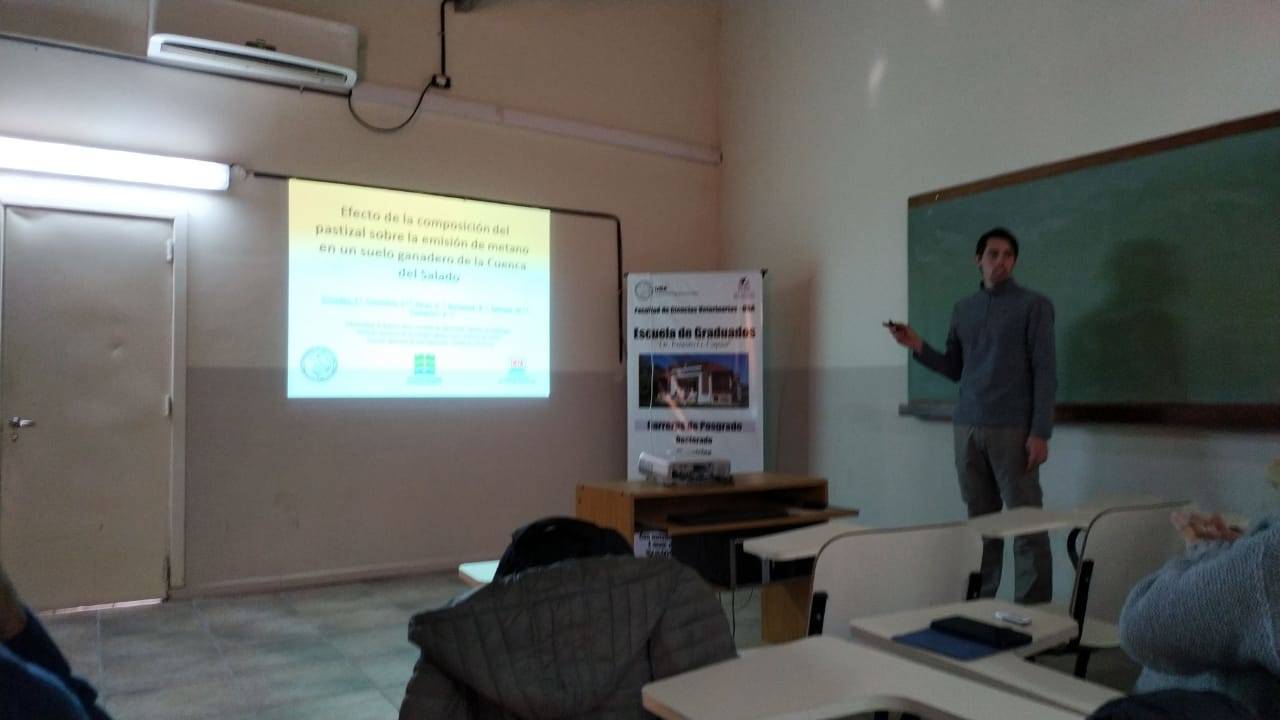
Learn more about this story
Project Webstory
Go to webstory



.png&w=3840&q=100)

 Agronomic PracticesAppliedTechnological-Organizational-Institutional
 2018
2018 Closed
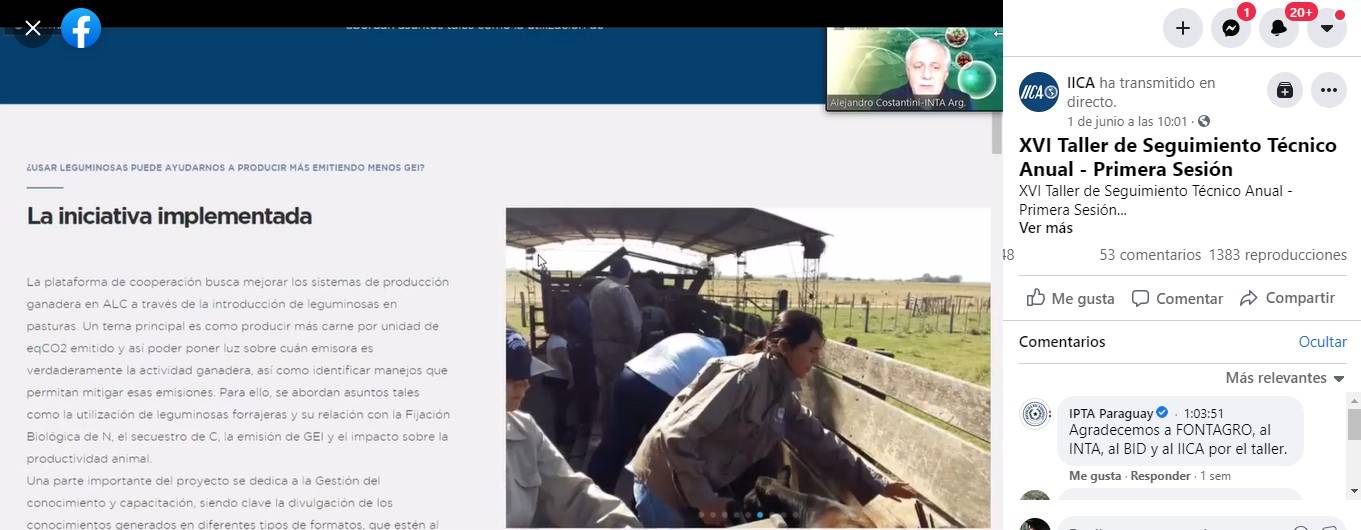
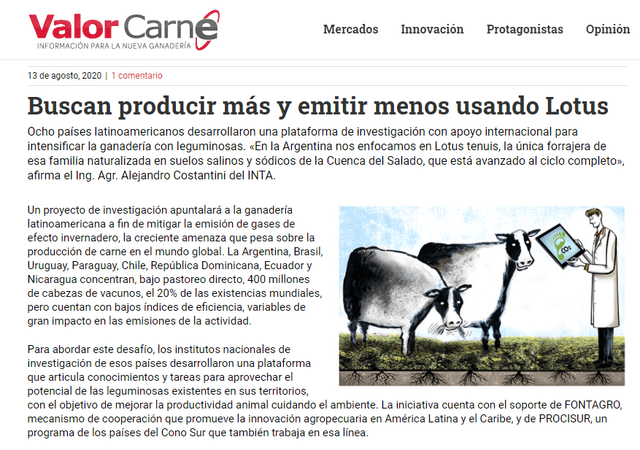
This project brings together eight countries characterized by their high livestock activity for meat and dairy production. They hold an estimated 400 million heads of cattle, representing more than 20% of global stock.
Livestock is produced primarily under direct grazing, in different agroecosystems, with a high diversity of forage resources. Nevertheless, these countries present noticeable similarities: (i) livestock is reared in marginal areas for agriculture, (ii) livestock productivity is low, with poor grazing management and animal loads that are usually less than one animal per hectare, (iii) efficiency rates are low and (iv) livestock is the principal source of greenhouse gas (GHG) emissions in all eight countries.
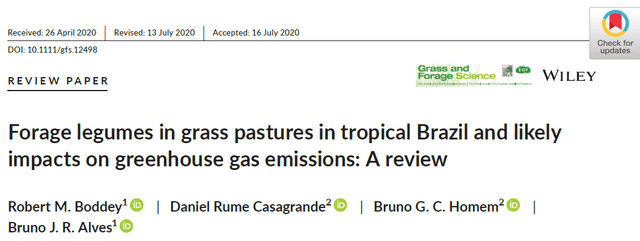
Forage legumes can play a central role through their biological fixation of atmospheric nitrogen (N), the improvement of the nutritional value of the animal’s diet, and reducing greenhouse gas emissions.
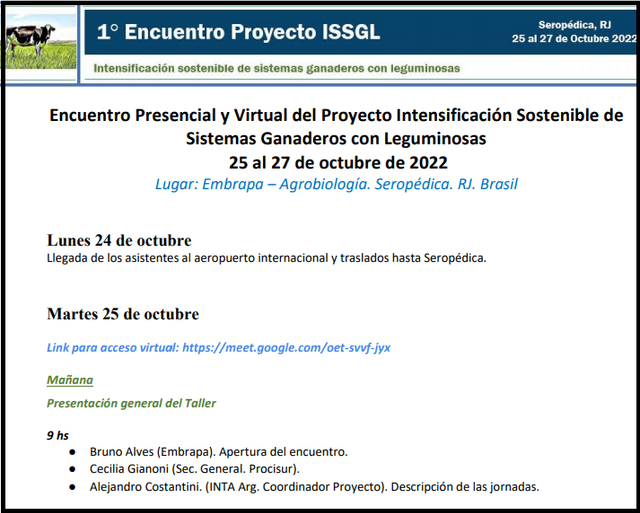
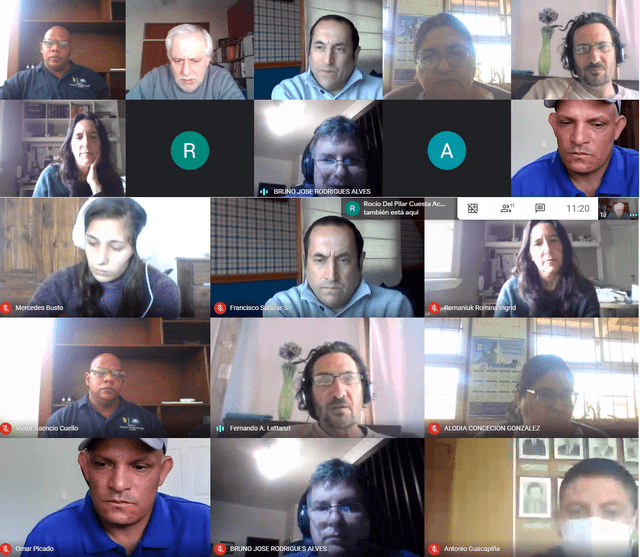
Addressing these challenges and opportunities can be achieved more efficiently through joint effort. Thus, this project aims to establish a regional platform of cooperation to strengthen livestock systems using forage legumes. The project is funded by the New Zealand Government as part of its contribution to the Global Research Alliance on Agricultural Greenhouse Gases (GRA).
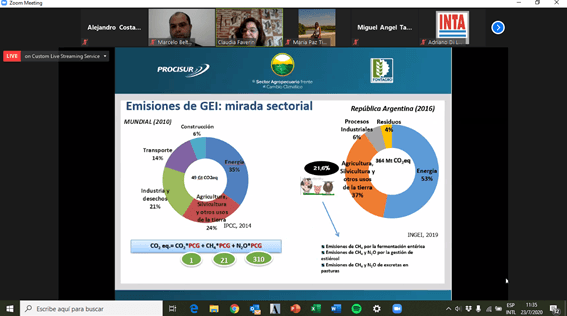
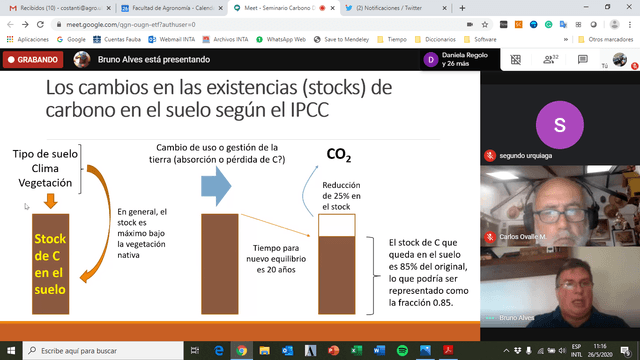
Beef production is crucial for the economies of all platform member countries. Additionally, they can all use legumes as a forage resource. This practice contributes to reducing N fertilizers use, the supply of N to plant nutrition, and the sequestration of carbon from soils. The possibility of mitigating GHG emissions depends on the balance between emissions and carbon sequestration. Savings on fertilizers also implies significant economic, energy and environmental benefits.
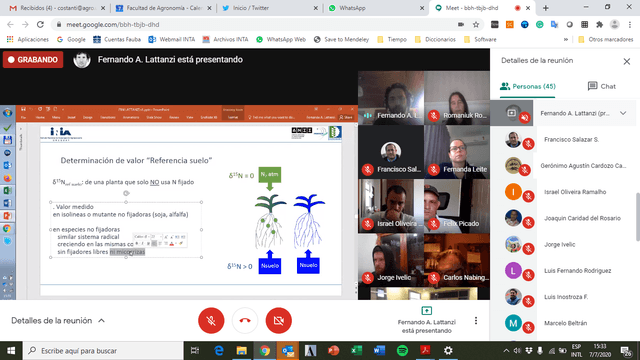
This program trains human resources within a collaborative and complementary setting.
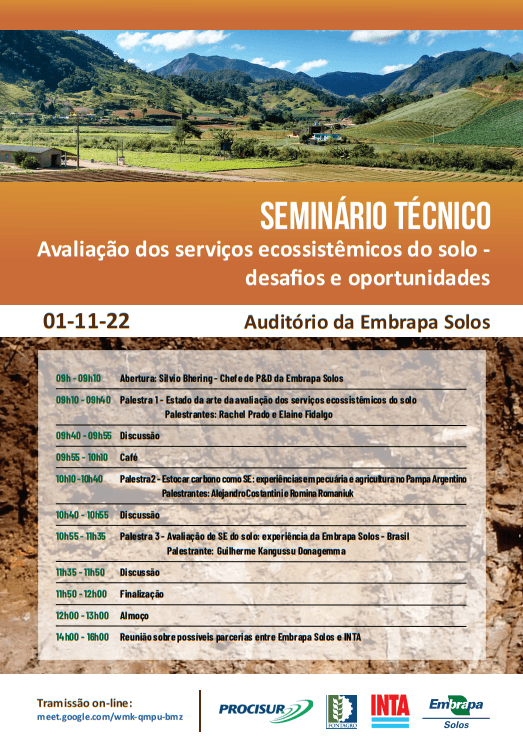
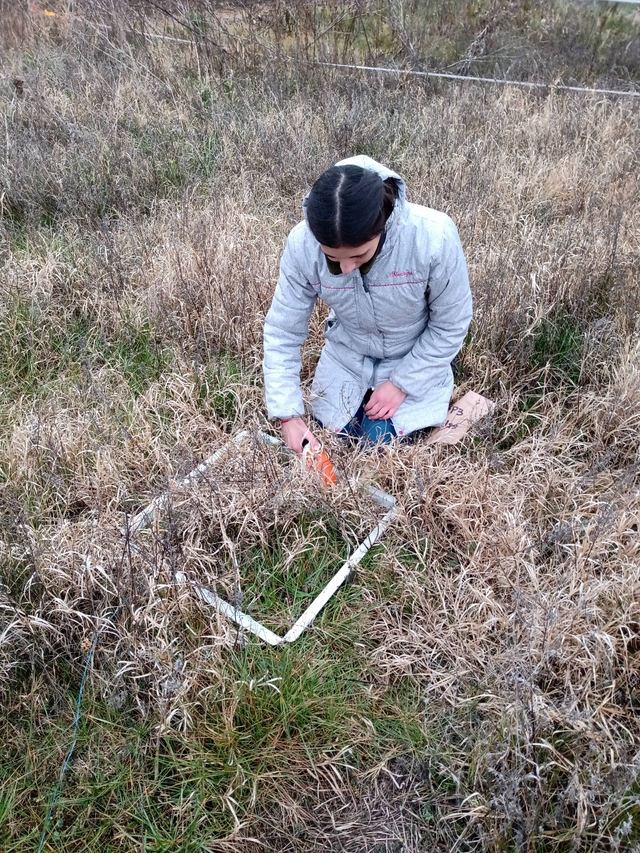
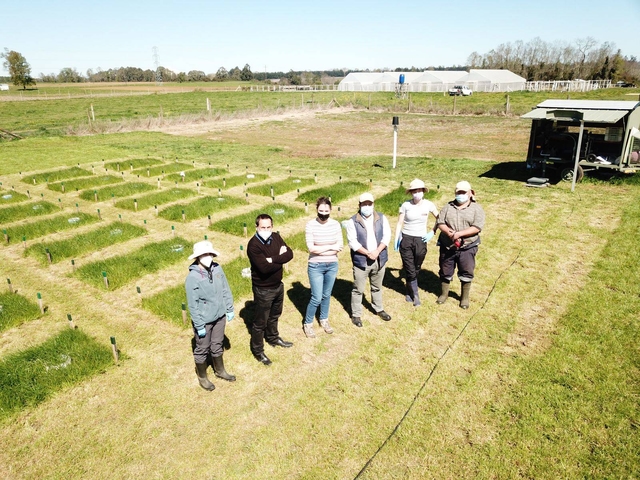
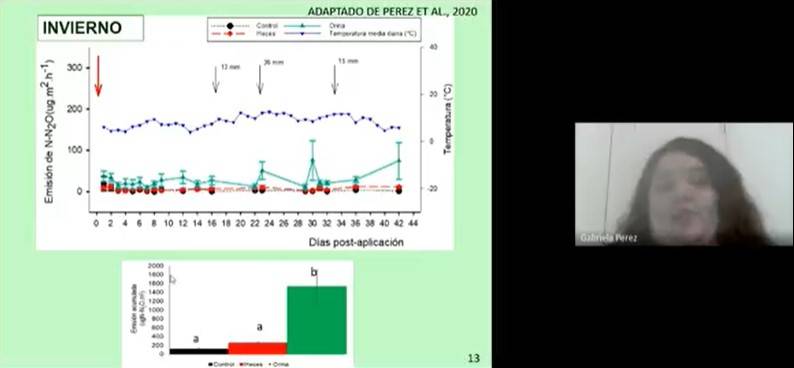
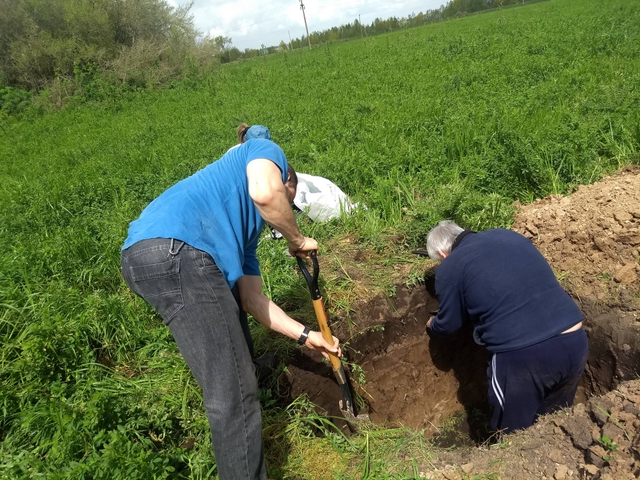
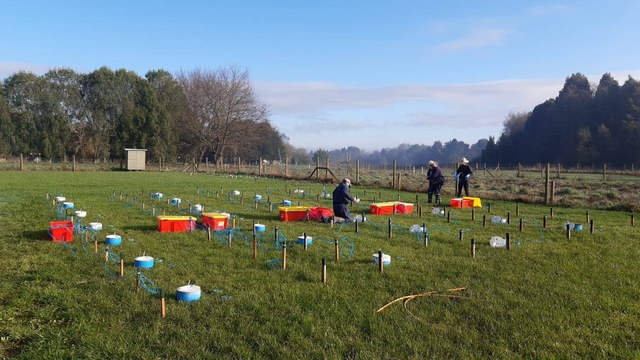
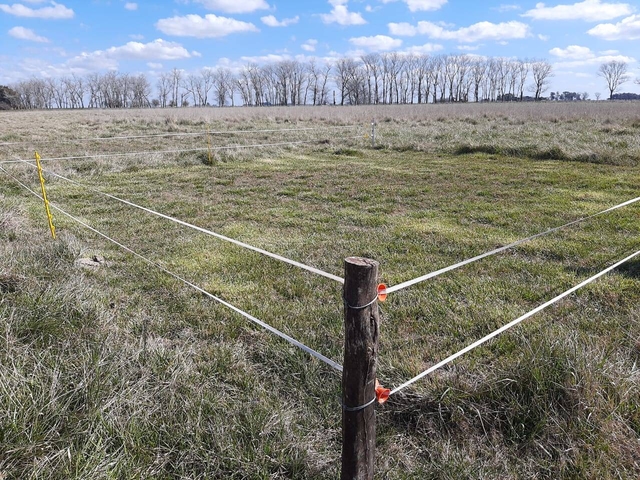
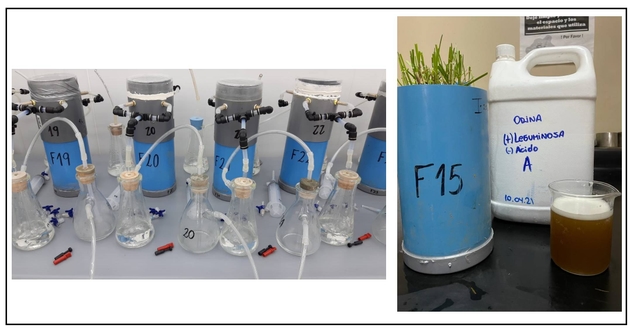
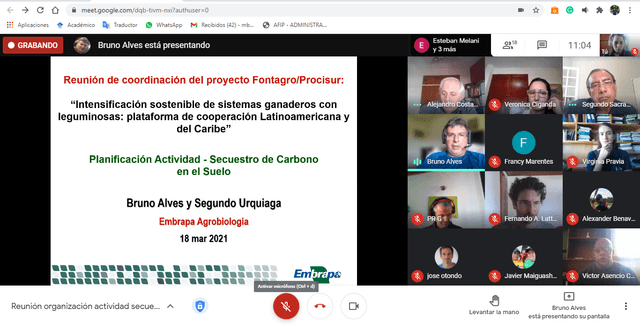
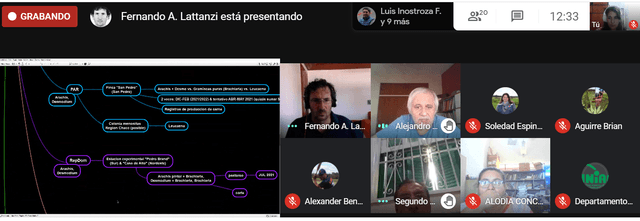
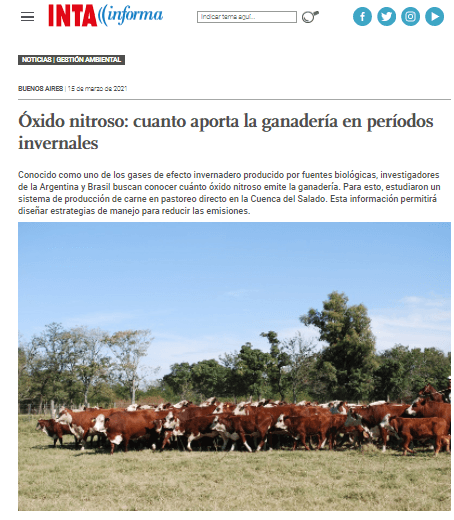
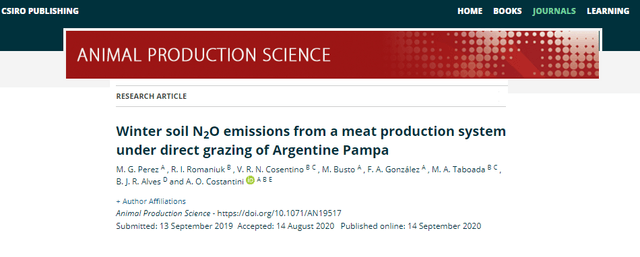
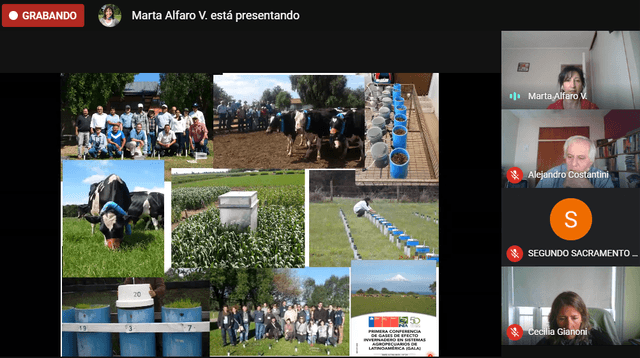
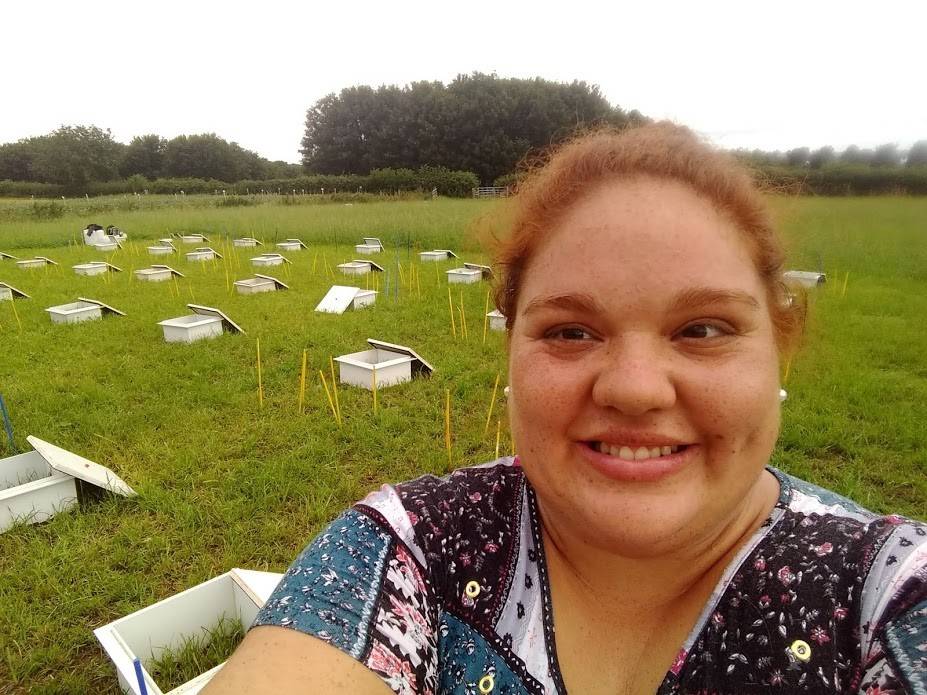
Creation of a cooperative platform to improve livestock production systems in Latin America and the Caribbean through the inclusion of legumes in pastures. This platform is producing a massive amount of data that will be arranged into integrated databases. The approaches are the relationship between biological fixation of N by legumes and edaphoclimatic variables: soil density and carbon and N contents in different profiles; N2O and CH4 emissions from grassland soil with and without legumes; enteric CH4 emissions in cattle for animals fed with and without the inclusion of legumes; and the impact of the inclusion of legumes on animal production.
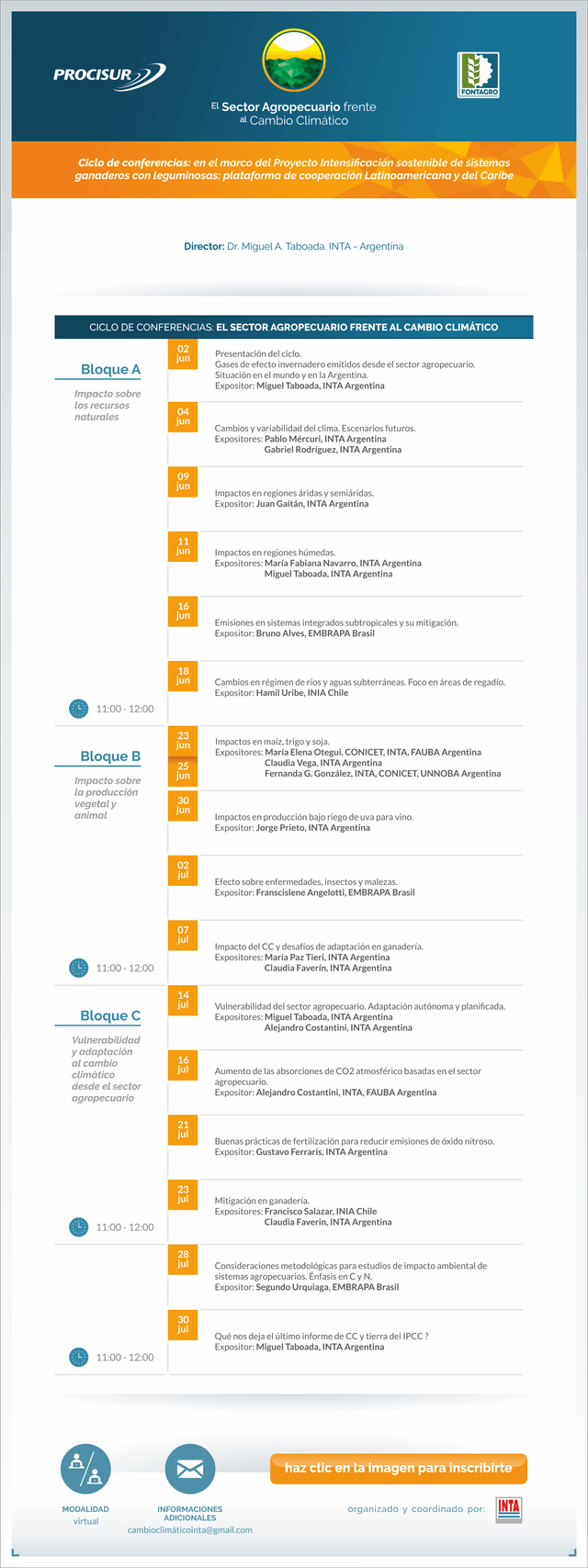
Obtained results are being published in scientific publications, conference presentations, and mass media articles. Annual technical reports are also being produced. In addition, technical-scientific capacities will be strengthened through theses, internships, workshops, and courses.
Among the results obtained so far, an increase in carbon stocks has been observed with the inclusion of legumes in pastures, as well as a differential enteric CH4 emission according to the concentration of condensed tannins in the plants. Therefore, we can infer the importance of managing pastures with legumes to mitigate the effects of climate change linked to the livestock sector, also improving the quality of soil and feed for livestock.
The direct beneficiaries are 2,532 people, including farmers, technicians, researchers, and students of the eight participating countries (Argentina 361, Brazil 163, Chile 333, Ecuador 336, Nicaragua 120, Paraguay 85, Dominican Republic 98, and Uruguay 1,036).
Regarding the type of beneficiaries reached, 37 research institutes will participate with their respective experimental stations, 18 universities, 247 researchers, and 2,230 farmers.
This project actively contributes to achieving the Sustainable Development Goals, promoting more equitable, resilient, and sustainable regional development.





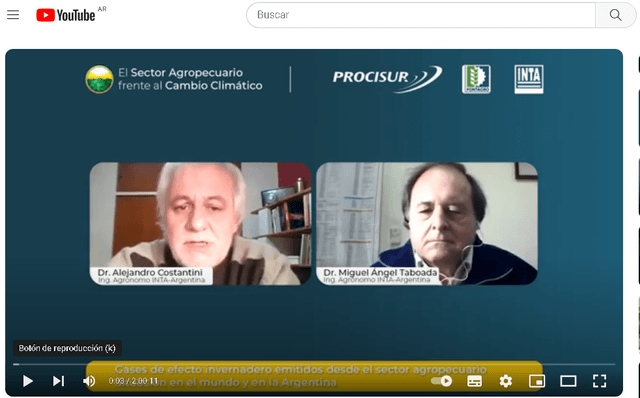
October 27, 2023
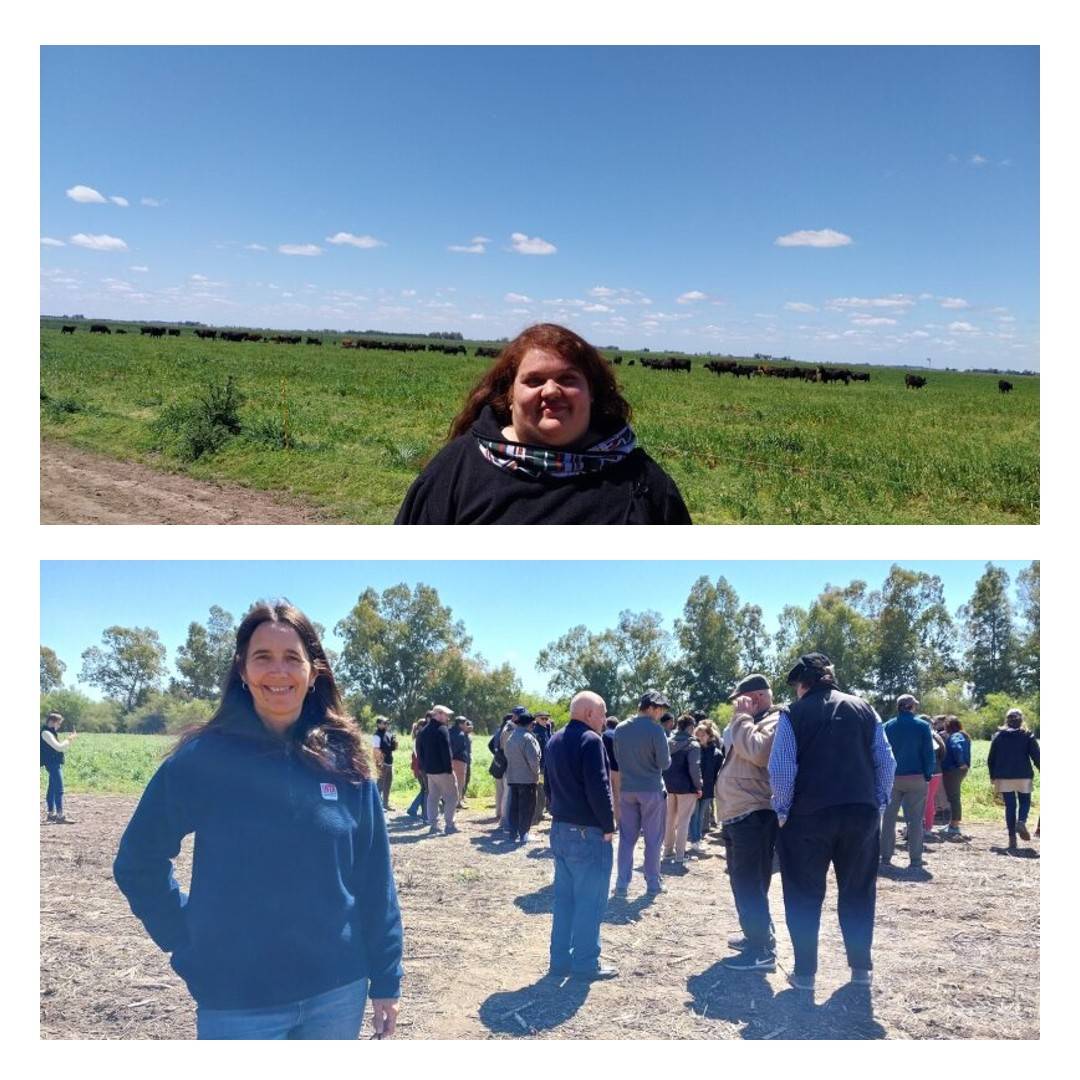
October 19, 2023
.jpg&w=640&q=100)
December 26, 2022

The tangible impact of science and technology in the field
Sponsors


With the support of

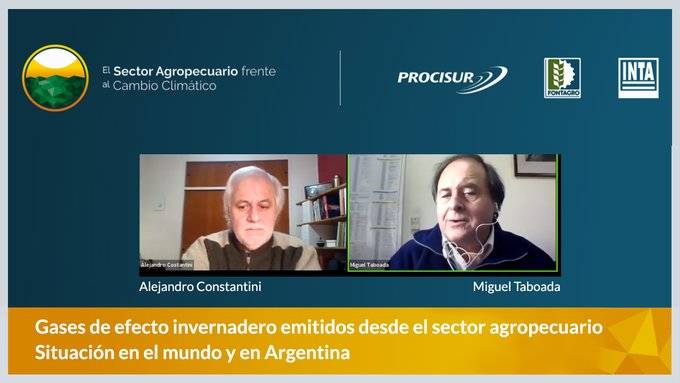
Alejandro Costantini
ArgentinaRomina Romaniuk
ArgentinaFrancisco Salazar Sperberg
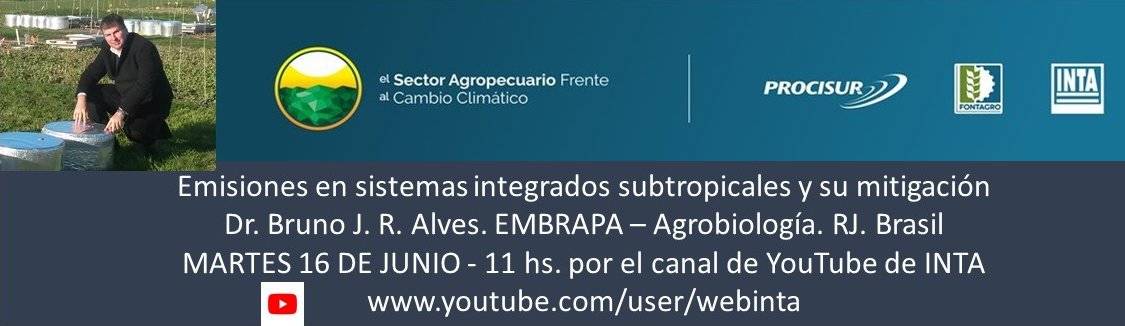
ChileBruno Jose Alves Rodrigues
BrasilSegundo Urquiaga
BrasilAntonio Guacapiña
EcuadorLuis Urbina Abaunza
NicaraguaVictor Ascencio Cuello
República DominicanaJoaquín Caridad del Rosario
República DominicanaAlodia González
ParaguayMarta Alfaro Valenzuela
ChileFernando A. Lattanzi
UruguayAlexander Benavidez Rodríguez
Nicaragua