 Impact
 Initiatives
 Dashboard
 Alliances
 Impact
 Initiatives
 Dashboard
 Alliances


Learn more about this story
Project Webstory
Go to webstory




 Value chainInnovationStrategy 1. Resilient farmsAppliedTechnologicalFamily agricultureAgricultural systemsAgroindustryPostharvest
 1998
1998 Closed
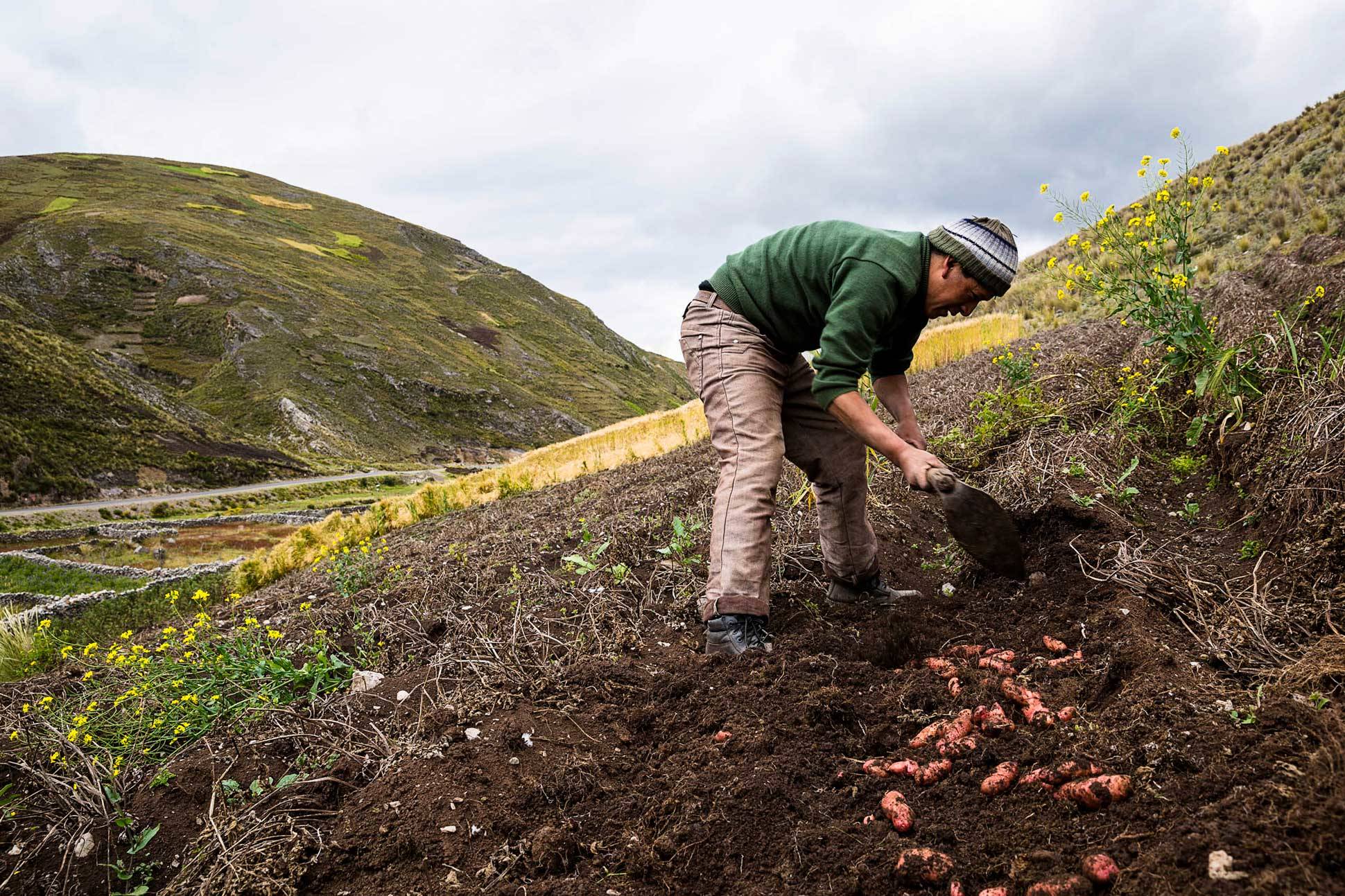
The project structured eight sub-projects with the aim of developing sweet potato products for human and animal consumption, both directly and those resulting from the processing of roots and foliage.
Because of the structure of the project, the technological solutions are several including a number of productive and versatile varieties of sweet potato, suitable for human and animal consumption and industrial processing, ready for multiplication in seedbeds and dissemination to small farmers. There is also an innovative, faster process of somatic embryogenesis of genetically modified plants that can be adopted by several laboratories in the region. A root-curing technology was proposed to improve the conditions of conservation of the product for export. The nutritional work has generated food supplements for children in vulnerable situations that can help reduce malnutrition and strengthen sweet potato value chains.
Highly productive sweet potato clones, suitable for starch and flour production, were identified. A variety released in Cañete, Peru was adopted, covering more than 50% of the cultivated area. Varieties sent to Nicaragua have been multiplied in seedbeds and distributed to thousands of small farmers. A post-harvest root-curing process was made available to exporters for validation in storage chambers. Food insecurity was characterized in five poor areas of Lima and the technical and economic feasibility and nutritional value of an instant mash for children under 3 years of age was evaluated and successfully tested by mothers and children. Twenty-eight transgenic lines of sweet potato with the wheat glutenin gene, regenerated by somatic embryogenesis, were generated. Four varieties were identified with potential for fresh consumption and fried flakes processing. Nineteen accessions were selected as dual purpose crops, foliage for animal feed and roots for human consumption or as foliage producers. Information was generated on the use of sweet potato flour as animal feed.
The project has a number of different target groups and beneficiaries. Firstly, the information generated about the potential of sweet potato varieties for various uses, post-harvest management for export, the nutritional value of poorly nourished baby food, and the use of sweet potato products and sub-products in animal feed benefits researchers, extensionists, policy makers, and sweet potato farmers. Indirectly, the results benefit seed producers, livestock owners, processors of flour and related products, and consumers in general. The international nature of the project has favored intra-regional collaboration and the flow of information between institutions.
This project actively contributes to achieving the Sustainable Development Goals, promoting more equitable, resilient, and sustainable regional development.

Thomas Walker
Estados UnidosGregory Joseph Scott
PerúThe tangible impact of science and technology in the field
Sponsors


With the support of



.jpg&w=384&q=75)