
 Impact
 Initiatives
 Dashboard
 Alliances
 Impact
 Initiatives
 Dashboard
 Alliances


Learn more about this story
Project Webstory
Go to webstory




 Basic GeneticsInnovationBasicTechnologicalFamily agriculturePests y DiseasesGenetic improvement
 2006
2006 Closed
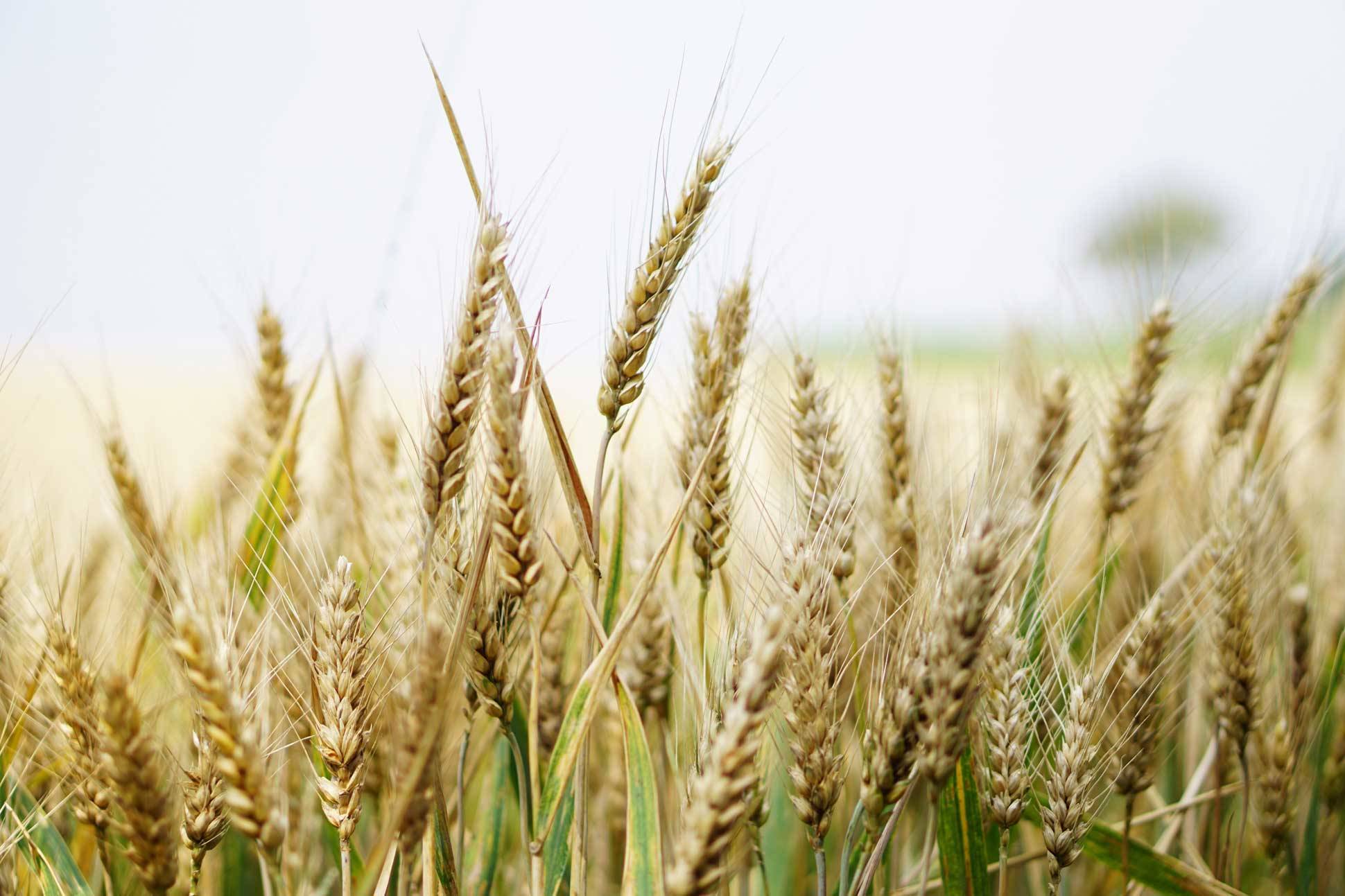
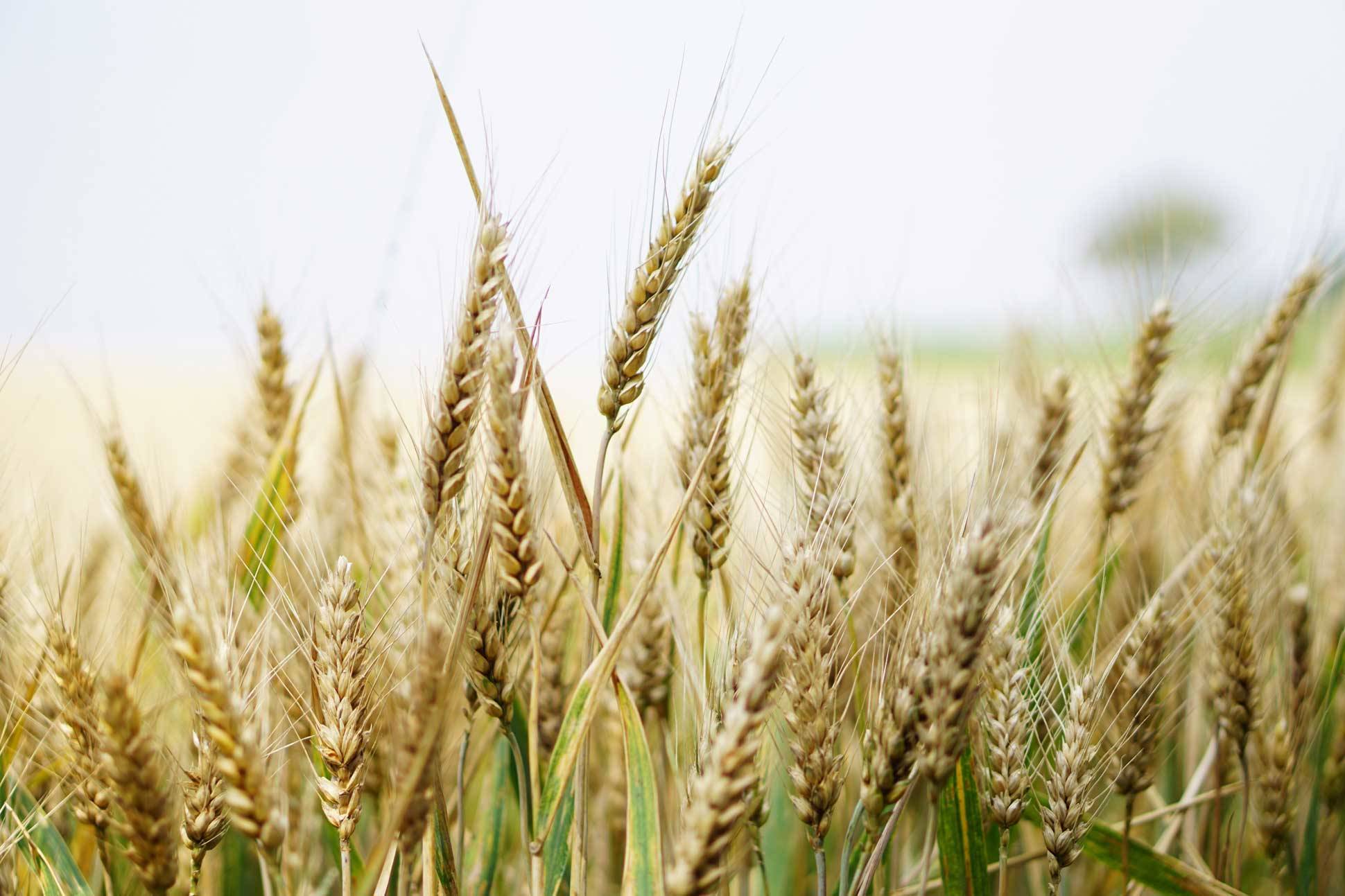
Barley (Hordeum vulgare L.) is a crop of great economic importance in Latin America, especially as a food source in the Andean region (smallholder agriculture) and as a value chain for malted barley in the Atlantic plains (agriculture plus business). Diseases are the main limiting factor in cultivation, significantly affecting yields. The traditional form of control has been through the use of chemical fungicides, economically unfeasible applications in family productions and that also affect business systems. In this context, the development of resistant and durable varieties would be a more efficient, economical and environmentally friendly alternative. Advances in genomics and improvements in research infrastructure in the region would contribute to the development of new germplasm through the accumulation of resistance genes. However, such genomic tools find limitations in Latin America given the heterogeneous distribution of technological resources and trained human resources. The proposal was to provide a solution to such limitations, and to make a qualitative and quantitative leap in the development of disease-resistant barley germplasm through the use of genomics. The objective of the project was the development of barley germplasm adapted and resistant to Yellow Rust (YR) caused by Puccinia striiformis and Spot Blotch (SB) caused by Cochliobolus sativus, using innovative genetic tools and establishing the necessary conditions for development future of new germplasm.
Identification and incorporation of genetic resistance to susceptible cultivars of barley to reduce the losses caused by yellow rust and spot blotch.
Barley researchers from participating countries
This project actively contributes to achieving the Sustainable Development Goals, promoting more equitable, resilient, and sustainable regional development.

Ariel Castro
UruguayFlavio Capettini
UruguaySilvia Germán
UruguayLucia Gutierrez
UruguaySilvia Antonia Pereyra Correa
UruguayThe tangible impact of science and technology in the field
Sponsors


With the support of