
 Impact
 Initiatives
 Dashboard
 Alliances
 Impact
 Initiatives
 Dashboard
 Alliances


Learn more about this story
Project Webstory
Go to webstory





 Agronomic PracticesResilient Crops and Carbon Neutrality (“PI-1”)AppliedTechnologicalAgriculture
 2025
2025 Active
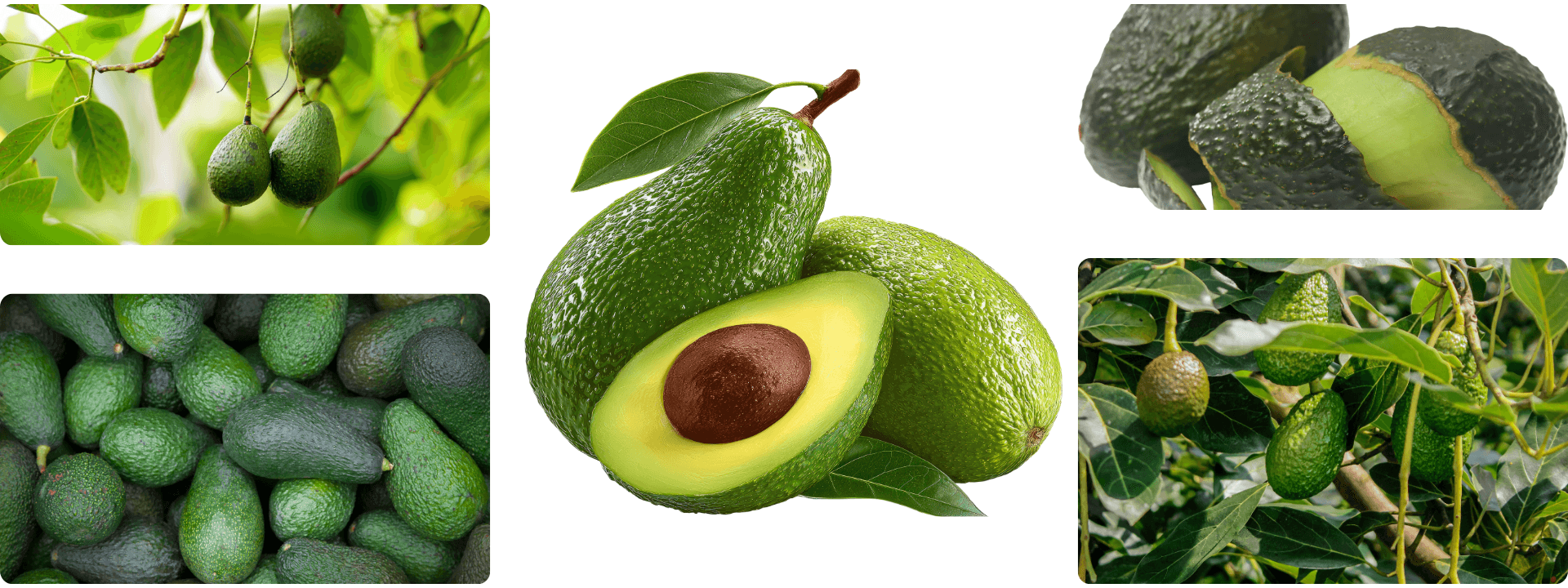
Avocado (palta) cultivation is a strategic agro-export activity in the Andean region, generating significant benefits in terms of territorial economic development, rural employment, and the international positioning of countries such as Peru, Colombia, Ecuador, and Bolivia. However, the presence of cadmium in soils and fruits poses sanitary and commercial risks that threaten access to demanding markets like the European Union. The main objective of the project is to “Determine the cadmium concentration levels and the strategies of mitigation in avocado plantations in countries in the Andean region”. To achieve this, the project is structured around three complementary and synergistic components: 1) Cadmium quantification: Scientific methodologies will be standardized for the collection and analysis of soil, water, leaf, fruit, and agricultural input samples. Sampling campaigns will be conducted in prioritized production areas, and avocado varieties with low cadmium accumulation will be evaluated; 2) Development of cadmium management strategies: bioaccumulation trials will be conducted both in field conditions and laboratory settings. Based on this evidence, differentiated agronomic practices will be developed to reduce cadmium uptake by the plants. 3) Knowledge management: In-person and virtual technical workshops will be held, along with regional experience-sharing activities and a training program for lead instructors. A communication plan will also be developed to raise awareness and train producers and other key value chain stakeholders. The publication of scientific articles and the organization of dissemination events are also foreseen. The intervention includes mapping, bioaccumulation trials, validation of good agricultural practices and knowledge transfer. The initiative will directly benefit 2,000 producers and 200 extension agents across the Andean region, contributing to compliance with international standards, food safety, and the sustainability of inclusive and resilient agrifood systems.
The proposed technological solution consists of the development and implementation of a regional model for the integrated management of cadmium in avocado cultivation, supported by scientific evidence, standardized diagnostic tools, and a strong knowledge management strategy. This solution will combine, on the one hand, harmonized methodologies to quantify the presence of cadmium in soil, water, plant material, and agricultural inputs within the agroecosystem, thereby generating comparable and reliable information across countries; and, on the other hand, it will promote the validation of agronomic management strategies aimed at preventing, reducing, or mitigating the absorption and accumulation of this metal in the crop. In addition, it includes a key capacity-building component through training processes, technical exchange, systematization of experiences, and dissemination of results, targeting both project partners and producers, extension agents, and other stakeholders in the value chain. Taken together, this solution seeks not only to address the cadmium problem from a technical perspective, but also to ensure the appropriation, scaling, and sustainability of the knowledge generated in the Andean region.
As a result of the implementation of Component 1, it is expected that a standardized and jointly agreed methodology will be established among Peru, Ecuador, Colombia, and Bolivia for the quantification of cadmium in the avocado production system. This methodology will include unified sampling and laboratory analysis protocols applicable to soil, leaves, fruits, irrigation water, and fertilizers. By applying this methodology to at least 250 samples distributed across 50 representative plots in the main production areas of the four countries, a regional baseline on cadmium levels in the crop will be generated, taking into account diverse soil and climatic conditions. The results of the multivariate and multi-environment statistical analysis (AMMI) will make it possible to identify the main sources of cadmium, as well as the correlations between soil and agronomic variables and the levels of the metal in different plant tissues, thereby generating solid and comparable scientific information across countries to support decision-making aimed at complying with international food safety standards, particularly those established by the European Union.
Regarding Component 2, it is expected that avocado rootstocks with low cadmium bioaccumulation capacity will be identified through the evaluation of at least 24 rootstocks under controlled conditions in Ecuador, Peru, and Colombia, generating scientific evidence for the selection of genetic material that helps reduce the presence of the metal in fruit intended for export. Likewise, through field trials with soil amendments and balanced fertilization conducted on pilot farms in the four countries, as well as laboratory adsorption trials carried out in Peru and Colombia, it is expected that the effectiveness of different agronomic strategies to reduce cadmium bioavailability and translocation in the crop will be determined. Taken together, these results will make it possible to formulate a validated and jointly agreed proposal of recommended practices and management strategies for the prevention and mitigation of cadmium in avocado, which, in coordination with Component 3 on knowledge management, will be transferred to at least 2,000 producers and 200 extension agents in the Andean region, strengthening the technical capacities of value chain stakeholders and contributing to the sustainability and safety of the sector.
The implementation of the TC will directly benefit 2,000 producers and 200 technology transfer agents and extension officers, as well as other actors in the value chain across the Andean region (Peru, Colombia, Ecuador, and Bolivia), who will gain access to scientific information on the distribution of cadmium in avocado soils and fruits, as well as to prevention and mitigation strategies to reduce its presence. Indirectly, consumers in European Union countries, Latin America, and the Caribbean will also benefit from having access to safer products, free of cadmium and with high nutritional value.
In addition, 30 specialists from the Andean region will benefit through the strengthening of technical capacities in areas such as cadmium dynamics, soil management, and genetics. These professionals will become part of a regional scientific collaboration network, which will facilitate knowledge exchange and their integration into research and innovation initiatives at the international level.
This project actively contributes to achieving the Sustainable Development Goals, promoting more equitable, resilient, and sustainable regional development.

July 7, 2026
Roberto Cosme
William Viera
Mauricio Fernando Martínez
Rogelio Maydana Apaza
Lucidio Burgos
Irvin Gutierrez
Miriam Tames
Diana Marini
Bruno Delfilippi
Romina Gazis-Sergina
Sponsors

With the support of



