 Impact
 Initiatives
 Dashboard
 Alliances
 Impact
 Initiatives
 Dashboard
 Alliances


Learn more about this story
Project Webstory
Go to webstory



 Agronomic PracticesAppliedTechnological-Organizational-Institutional
 2018
2018 Closed
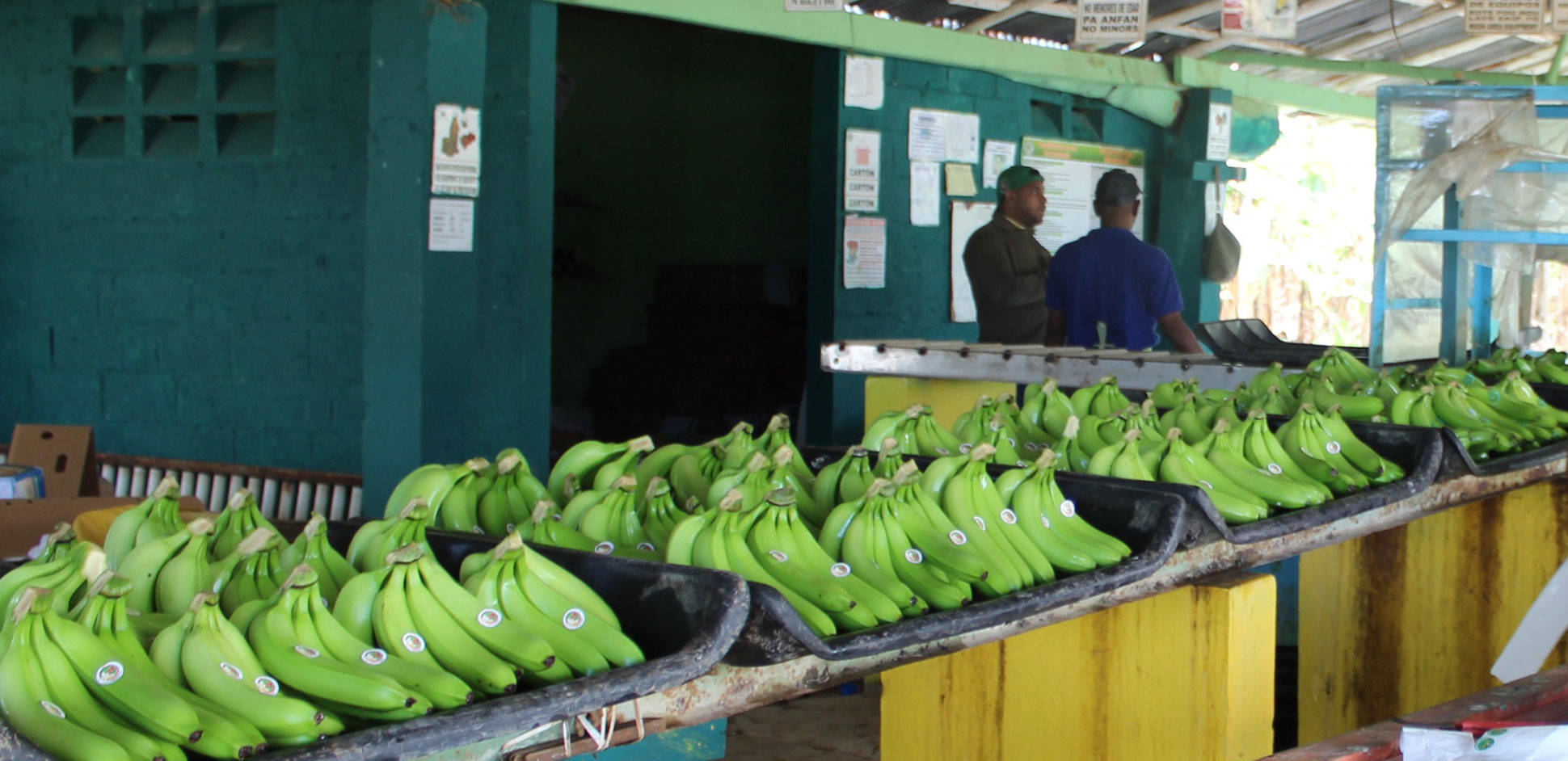
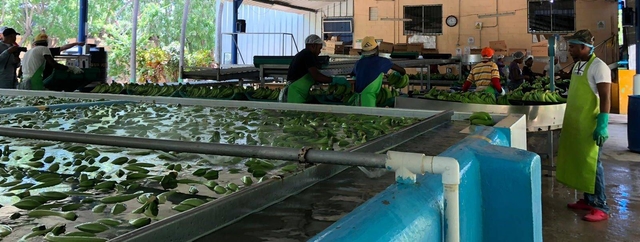
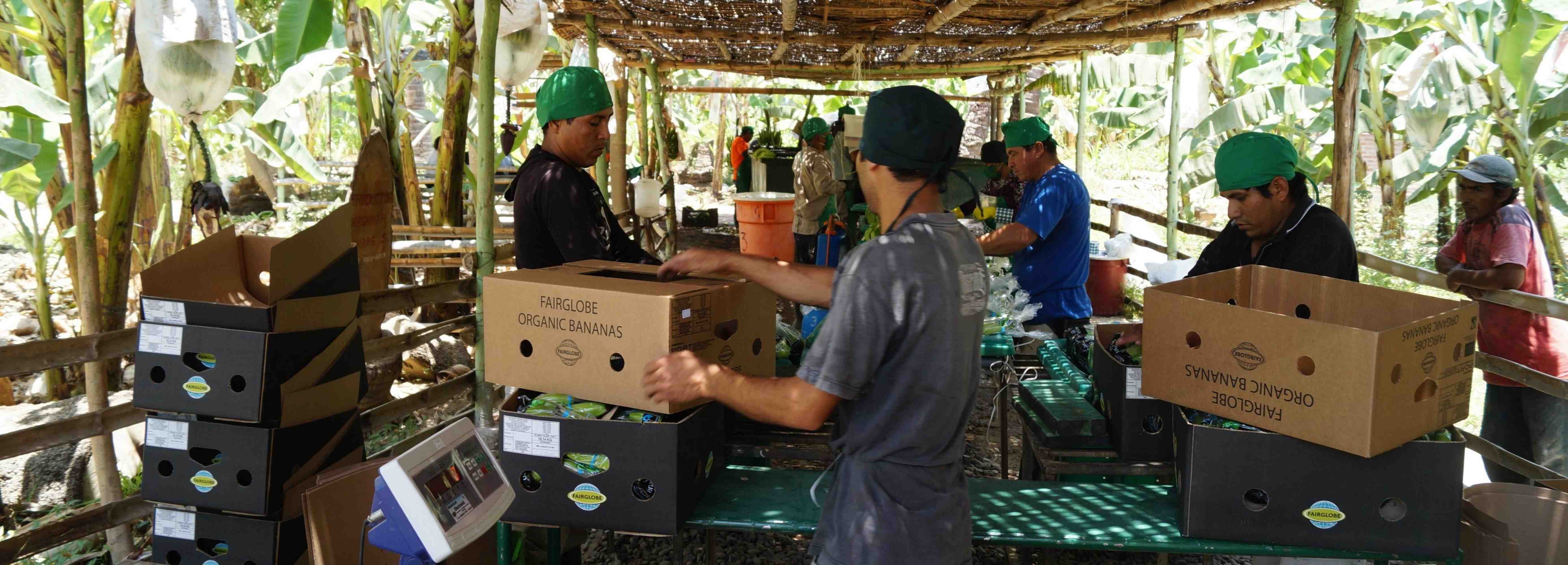
Family organic bananas produced for exportation provide viable livelihoods for thousands of families in Ecuador, Peru, and the Dominican Republic, generating weekly income and employing local labor. These producers are under pressure from increasing losses from bananas being rejected due to red rust caused by Thrips, increasing costs for fertilizers, and greater climatic variability. The FTG-RF-1332-RG project developed ecological intensification strategies such as bagging the banana bud before it opens, monitoring the causes of banana rejects and the frequency of pesticide applications, nutrient balance, and strategic placement of banana plant residues and fertilizers. These promising practices will be promoted among 50 pilot producers in each country who will later serve as the starting point for larger producer groups to expand the use of the practices. The producers and their associations will have the support of an application Ma$ Banano that facilitates data collection from the field uploaded to an online database through a routine of diagnosis, follow-up, and monitoring. Teams in each association and in a sectorial working group will use the data collected in discussions to inform continuous improvement and benchmarking
Ending in 2021 after 24 months of activities in the field, the three national research teams have selected and trained 52 technicians from 12 grower associations and cooperatives in the methods of diagnosis, follow-up, and monitoring of promising practices for the management of red rust thrips and soil health. The seven videos forming the basis of training are available under “Youtube Fontagro Banano Escalamiento”. Each national research team, in close consultation with grower associations and cooperatives, have identified 50 pilot producers (23%, 6%, and 18% female for Ecuador, Peru, Dominican Republic) who, over a year of work, will pursue the integration of red rust management and soil health practices into their routines through the use of the app Ma$ Banano. They will work with their associations to scale the practices and the use of the app Ma$ Banano to the other producers. The app, available since January 2022 in the Google Play Store under the name Más Banano CP LANREF, was validated by the research teams in the 4 months before its launch. Prior inscription with app administrators is required to ensure data privacy and security.
Throughout the 42-month project, the direct beneficiaries of the project are 2,400 producers (25% women) (800 Dominican Republic, 800 Peru and 800 Ecuador) and 12 BOFX organizations (5 Dominican Republic, 4 Peru and 3 Ecuador).
In the years following the end of the project, it is projected that indirect beneficiaries will reach 7,500 producers and 25 organizations in the three countries.
This project actively contributes to achieving the Sustainable Development Goals, promoting more equitable, resilient, and sustainable regional development.

September 4, 2019
Domingo Rengifo
República DominicanaAntonio Bustamante
EcuadorAridio Pérez
República DominicanaEwddy Pérez
República DominicanaAura Paulino
República DominicanaCharles Staver
Estados UnidosJuan Carlos Rojas Llanque
PerúUlises Vegas
PerúEsdwin Núñez
PerúKarina Zúñiga
PerúRosa Elena Corozo
EcuadorGustavo Mora Aguilera
MéxicoJuan José Coria
MéxicoEduardo Guzmán Hernández
MéxicoOscar Eder Flores Colorado
MéxicoThe tangible impact of science and technology in the field
Sponsors
With the support of



.png&w=384&q=75)