
 Impact
 Initiatives
 Dashboard
 Alliances
 Impact
 Initiatives
 Dashboard
 Alliances


Learn more about this story
Project Webstory
Go to webstory




 Agronomic PracticesResilient Crops and Carbon Neutrality (“PI-1”)AppliedTechnologicalAgriculture
 2025
2025 Active
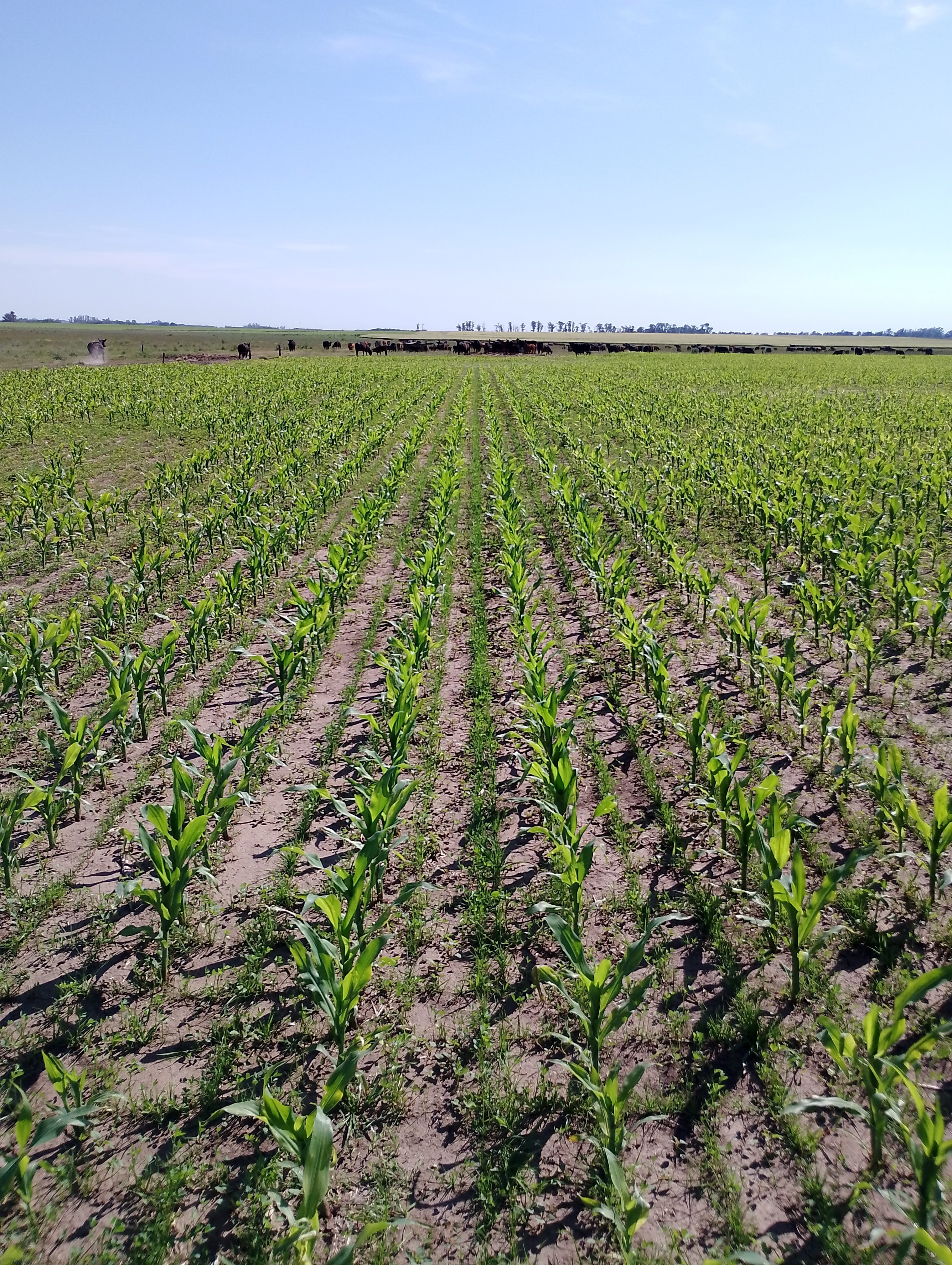
This project proposes an international technical cooperation initiative to advance regenerative agriculture in Argentina and Paraguay through a public–private partnership involving INTA (Argentina), IPTA (Paraguay), and Bayer Crop Science, with the support of FONTAGRO. Building on the experience of the Bayer Forward Farming initiative, the project will design and implement on-farm pilot sites integrating sustainable practices such as diversified crop rotations, cover crops, precision digital agriculture, and the introduction of new crops. These pilot farms will serve as living laboratories to assess productivity, environmental, and sustainability indicators, generating robust scientific evidence and replicable methodologies adapted to different agroecological contexts. The initiative will also foster dialogue between public and private stakeholders to develop recommendations for scaling up regenerative practices across the region. The project will produce regional public goods—including protocols, open-access databases, and technical–scientific publications—while strengthening local capacities through training, extension, and producer networks. Expected outcomes include increased agricultural productivity and profitability, improved soil health, reduced environmental footprint, and enhanced biodiversity. Ultimately, the project will contribute to FONTAGRO’s goals in sustainability, innovation, and food security, serving as a reference model for a more resilient agri-food transition in Latin America and the Caribbean.
The project brings together a strategic public–private partnership among INTA (Argentina), IPTA (Paraguay), and Bayer Crop Science to drive the transition toward regenerative agriculture. Building on the experience of the Bayer Forward Farming initiative, the approach consists of designing and implementing pilot experimental areas directly on farmers’ fields. These sites integrate and validate sustainable practices such as diversified crop rotations, cover crops, digital precision agriculture, and the introduction of new crops. Through a rigorous experimental design, productive, environmental, and sustainability indicators are monitored to generate robust scientific evidence. This approach enables the development of replicable methodologies adapted to different agroecological contexts, facilitating the scaling of technologies that regenerate soils and optimize resource use.
The project is expected to demonstrate empirically that it is possible to increase agricultural productivity and profitability while improving soil health, reducing the environmental footprint, and promoting biodiversity. It will generate high-value regional public goods, including standardized management protocols, open-access databases, and technical and scientific publications to support decision-making. In addition, human capacities will be strengthened through the training of a network of more than 50 technicians, researchers, and extension agents, ensuring effective knowledge dissemination. Finally, the initiative will promote science–society dialogue to integrate these practices into public policies, consolidating a resilient and sustainable production model for the Southern Cone.
This project will directly and indirectly strengthen approximately 334,000 agricultural holdings in Argentina (of which around 251,000 are small- and medium-scale), as well as about 260,000 smallholder farmers in Paraguay, representing 91% of the country’s farms.
This project actively contributes to achieving the Sustainable Development Goals, promoting more equitable, resilient, and sustainable regional development.





.png&w=640&q=100)
September 8, 2026
Sponsors


With the support of


