A regional model to validate regenerative practices, improve productivity, reduce environmental footprint, and strengthen capacities in Argentina and Paraguay.

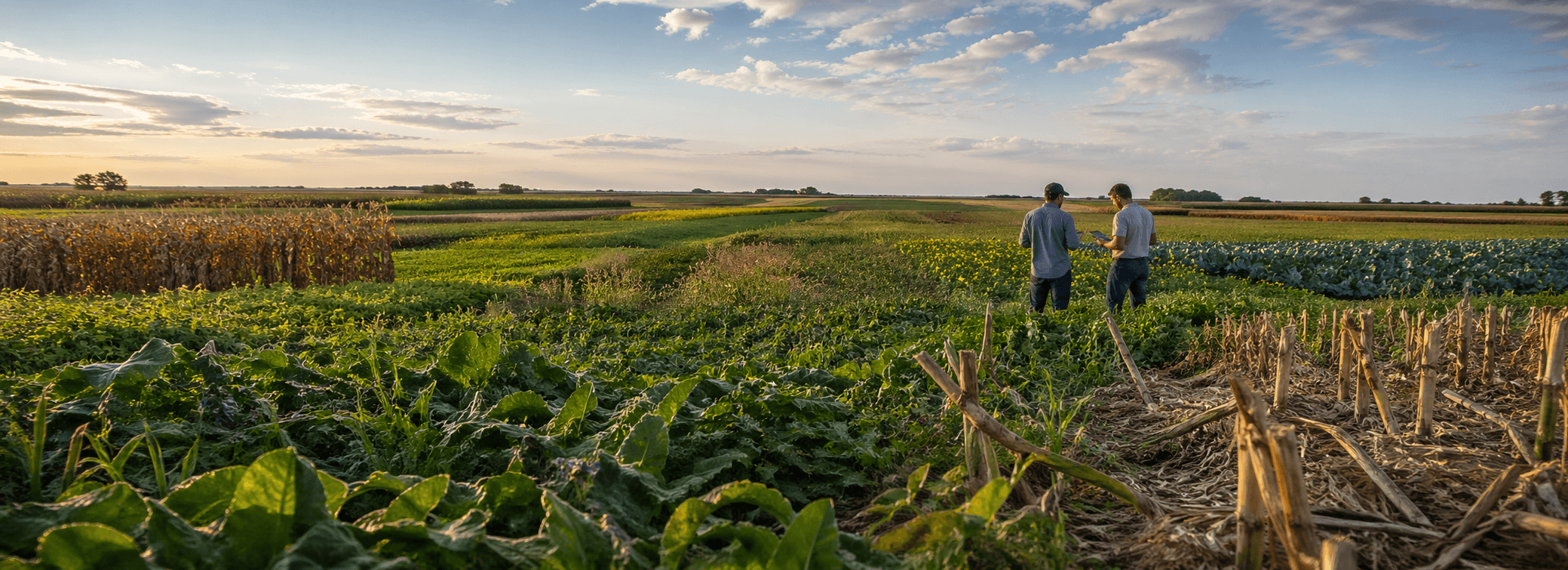
Agricultural systems in Argentina and Paraguay face the challenge of increasing productivity with a lower environmental footprint, restoring soils, improving biodiversity, and generating objective information to support production decisions and public policies. In this context, regenerative agriculture emerges as a strategy to maintain or increase yields with lower input use, promote carbon capture, reduce GHG emissions, and strengthen the sustainability of production systems. The project will bring together public and private capacities to validate regenerative practices in pilot plots, generate comparable evidence, and scale lessons learned to other Southern Cone countries.
Validation of regenerative practices in pilot farms to increase agricultural productivity and sustainability in Argentina and Paraguay
The initiative seeks to increase the productivity of agricultural systems through regenerative practices in Argentina and Paraguay, with potential scaling to other Southern Cone countries. To this end, it will evaluate the impact of regenerative agriculture systems on agronomic, economic, and environmental indicators through pilot areas, experimental design, plots with treatments and controls, periodic monitoring, and statistical analysis. It will also disseminate the knowledge generated and strengthen regional capacities through scientific and technical communication, workshops, courses, field days, open-access materials, and a web portal within the FONTAGRO platform.

The technological solution consists of designing and implementing regenerative agriculture pilot areas in Argentina and Paraguay, where a portfolio of agronomic practices adapted to local agroecological, historical, productive, and socioeconomic conditions will be validated. In each country, at least two pilot sites will be implemented and, in each site, at least two treatments will be evaluated: one control and other treatments including regenerative practices. The portfolio may include crop diversification and rotation, cover crops, no-tillage or minimum soil disturbance, permanent soil cover, integrated soil fertility management, and integrated pest, disease, and weed management. The evaluation will be conducted through experimental design, monitoring of productive, environmental, and sustainability indicators, statistical analysis, and the use of Bayer’s Field-View software for field data capture. The results will allow comparisons between regenerative and conventional systems.
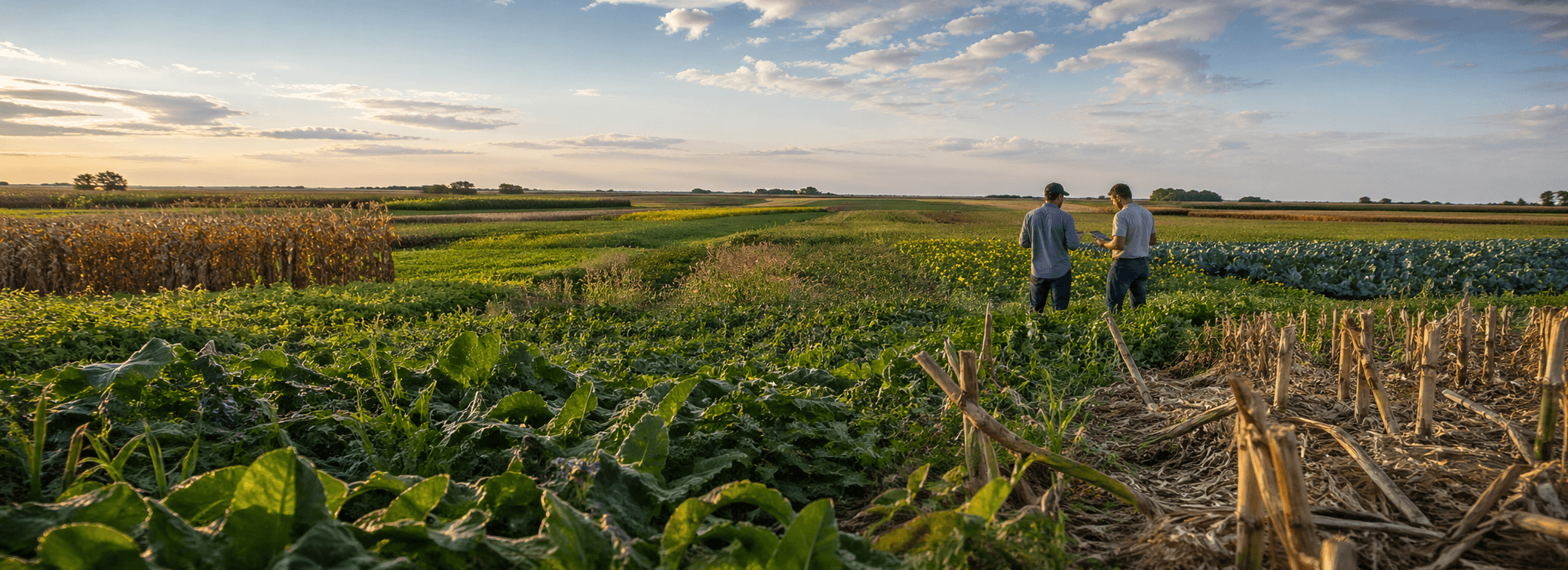
"“Agriculture will have to sustainably produce more food from less land.”"— P. R. Hobbs, K. Sayre, and R. Gupta - 2008
 Agronomic PracticesResilient Crops and Carbon Neutrality (“PI-1”)AppliedTechnologicalCropsAgriculture
The project is expected to implement regenerative agriculture pilot areas in Argentina and Paraguay to evaluate impacts on agronomic, economic, environmental, and sustainability indicators. It will generate geolocated and characterized baselines by country, experimental design and monitoring protocols, country-level databases with indicators for each pilot site and annual updates, progress reports, a final technical note with results and discussion for both countries, a draft scientific publication, and policy recommendations for scaling the model. The project is also expected to strengthen regional capacities through workshops, BayGAP training with Bayer, open-access materials, guides, videos, social media content, field days, and a web portal within FONTAGRO.







Sede Central

Argentina
Paraguay

Argentina


 Impact
 Initiatives
 Dashboard
 Alliances
 Impact
 Initiatives
 Dashboard
 Alliances