
 Impact
 Initiatives
 Dashboard
 Alliances
 Impact
 Initiatives
 Dashboard
 Alliances


%201.09.25%E2%80%AFp.m..png&w=640&q=100)
.jpg&w=640&q=100)
Learn more about this story
Project Webstory
Go to webstory




 Agronomic PracticesAppliedTechnological-Organizational-Institutional
 2022
2022 Active
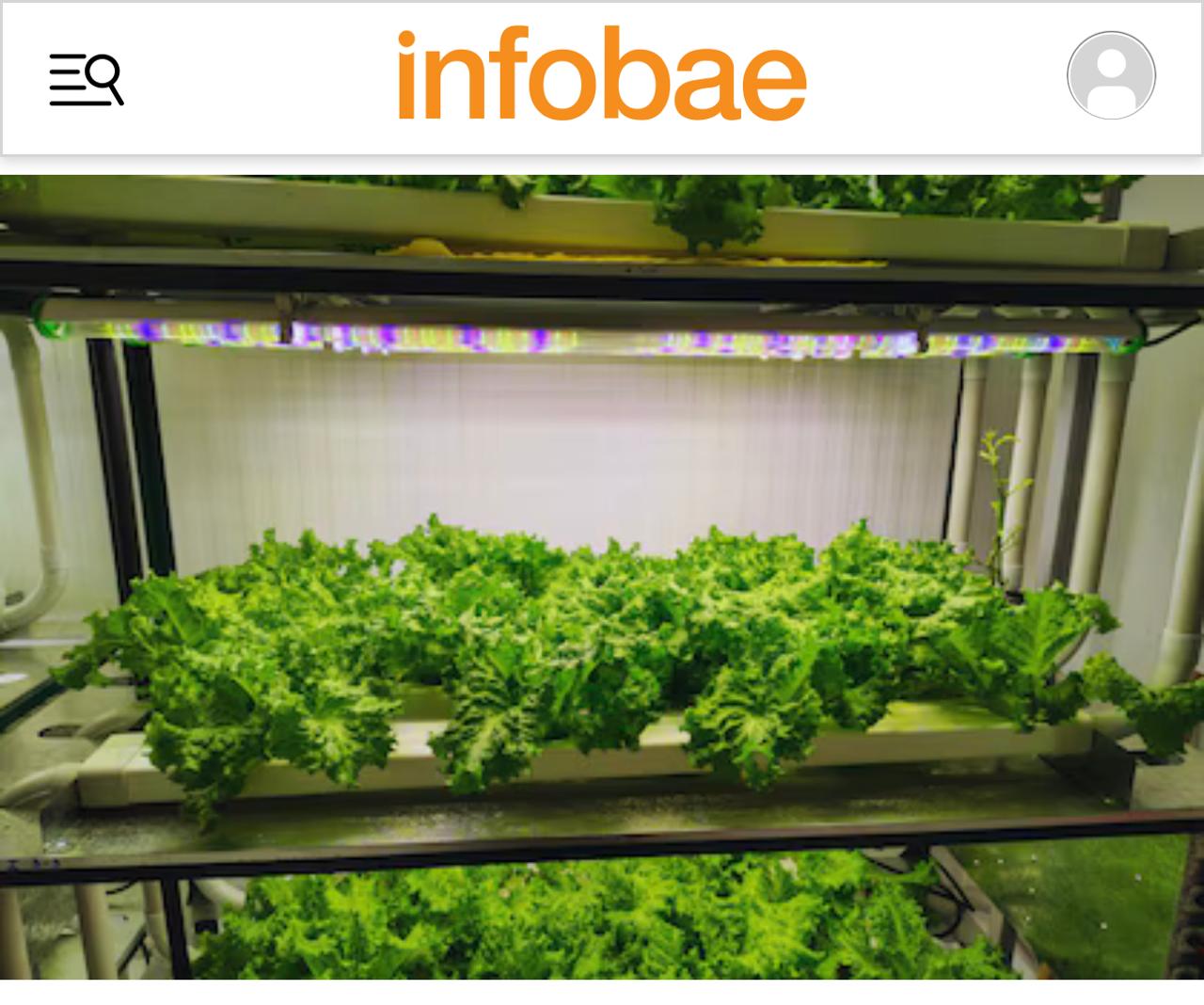
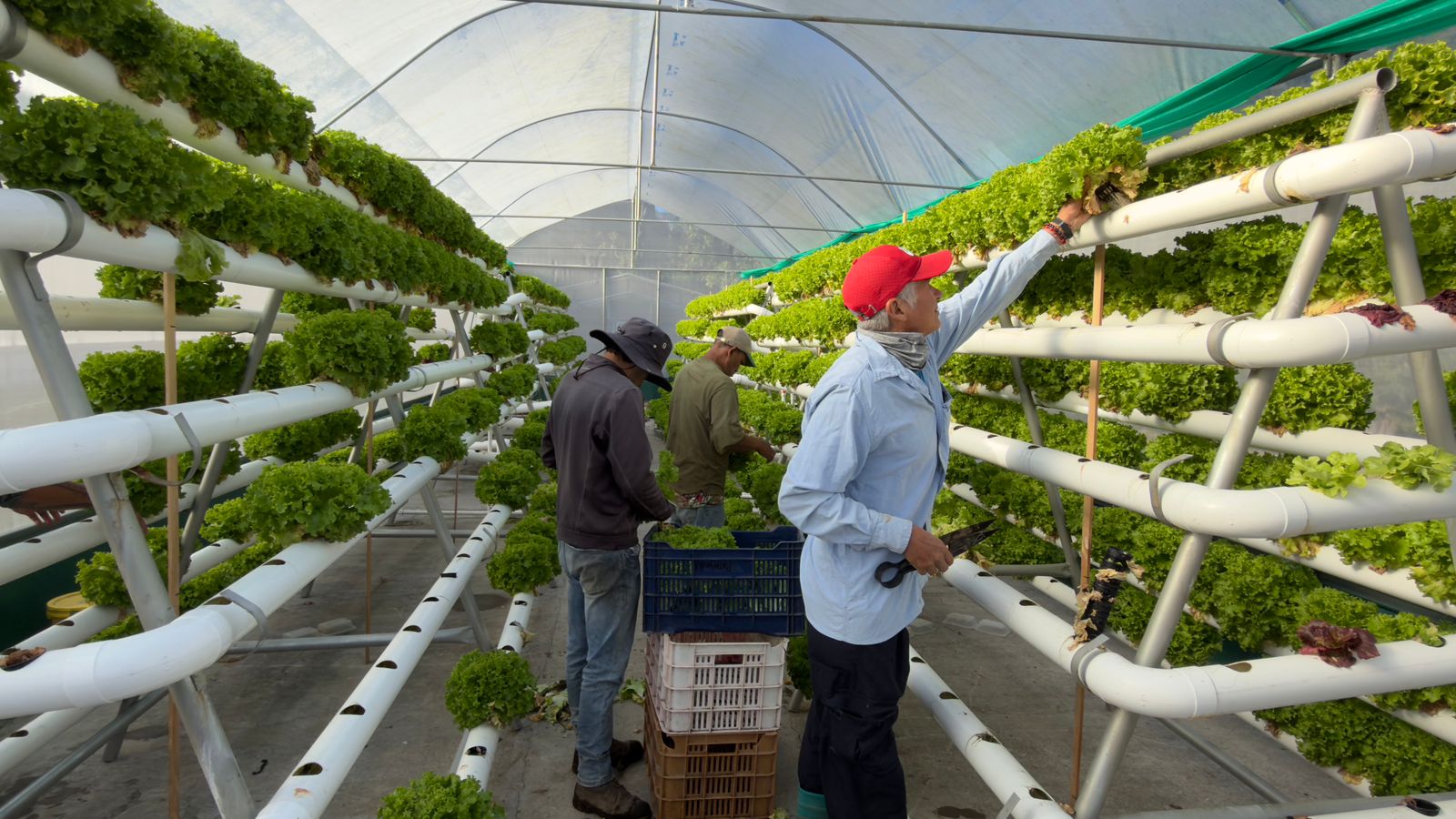
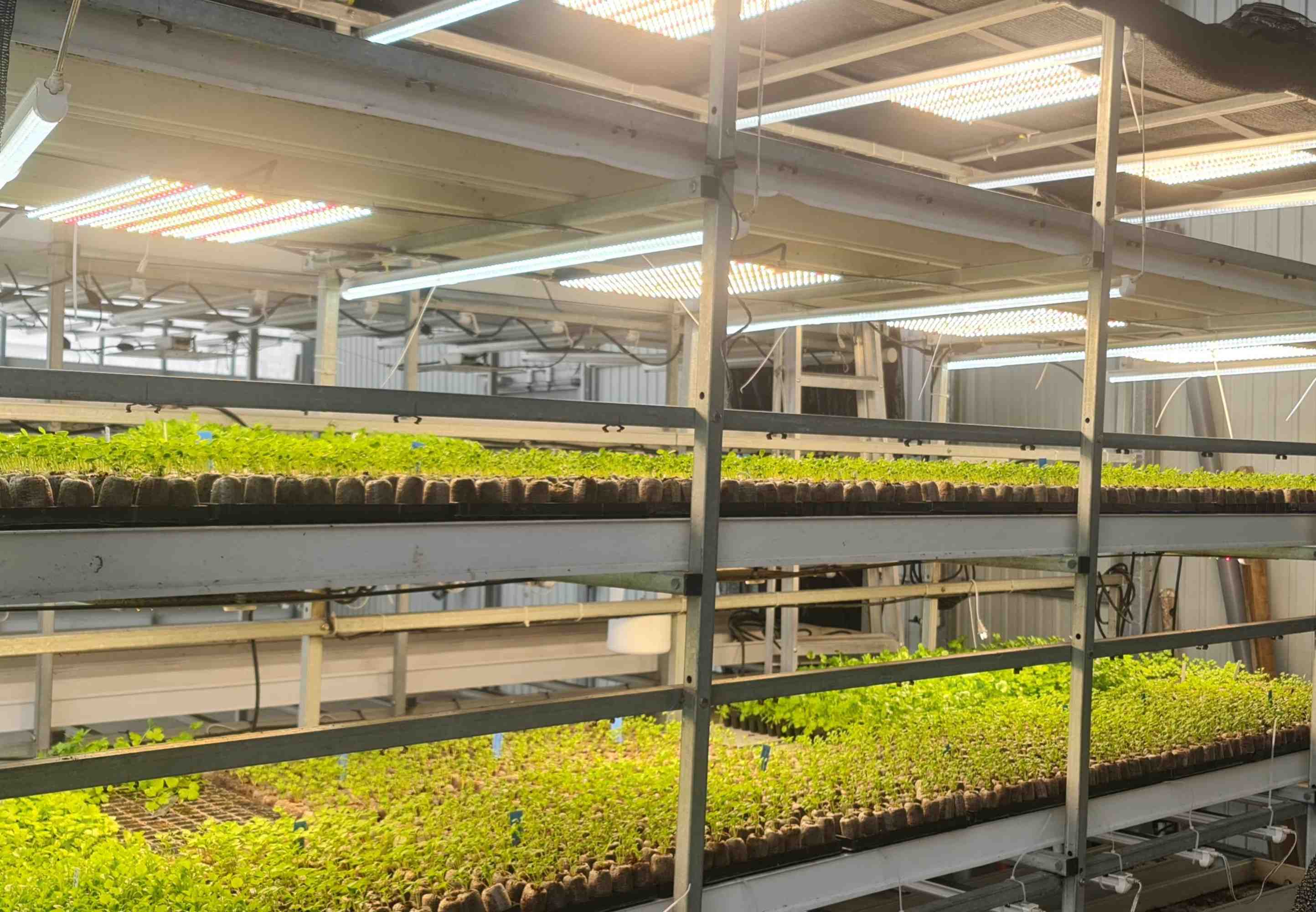
The rapid growth of the global population, which could reach 10 billion by 2050, has increased the need to produce food efficiently and effectively. Furthermore, it is estimated that during the next 50 years the effects produced by climate change, added to the main challenges of humanity in conditions of uncertainty (unemployment, pandemics, wars, etc.), will play a fundamental role in the development of modern agriculture. In Latin America and the Caribbean (LAC), it is urgent to develop innovative alternatives that optimize the efficiency of agricultural production. Vertical Farming (VF) is emerging as a sustainable and effective alternative for intensive crop production in LAC, in addition to guaranteeing food security and satisfying the increasing needs of the world’s population. VF is an innovative technology for growing food in a sustainable and intensive way, making efficient use of water resources, reducing the distances between the production and supply areas, providing fresh and safe food products while using fewer pesticides and contributing to the food autonomy of the population. The general objective of this project is to comprehensively evaluate vertical farming systems as a sustainable alternative to intensive crop production which favors competitiveness, food security and its implementation in LAC. The specific objectives of the project are: i) To technically and agronomically validate VF technological alternatives in different environments, ii) To determine the economic and financial feasibility of VF systems, and iii) To manage knowledge about VF technologies and strengthen the capabilities in the region. The initiative seeks to increase food production by maximizing the available cultivation surface, to produce more plants in the same space. It is expected that this project will generate regional precedents for different VF system alternatives (controlled environment, protected and/or semi-protected environment) and contribute to the production of food while reducing the use of water resources and phytosanitary products, guaranteeing safer food in less time.
The general objective of the project is to comprehensively evaluate vertical farming systems as a sustainable alternative for the production of intensive crops, which favor competitiveness, food security and their implementation in LAC.
It is expected that the validation of controlled, protected or semi-protected AV systems will be highly reproducible, with the linkage and potential adaptation of the system to the different species prioritized for cultivation in climatic conditions of the four countries in the region. Production is expected to increase by at least 25% compared to conventional production units.
The direct beneficiaries will be at least 2,000 intensive crop producers from the countries participating in the project, and the indirect beneficiaries are estimated to reach an additional 6,500. Moreover, the project will reach at least 80 researchers and technicians from public institutions, at least 75 students, 30 local marketers and other private sector actors in the project countries.
This project actively contributes to achieving the Sustainable Development Goals, promoting more equitable, resilient, and sustainable regional development.


Javier Pitti Caballero
PanamáStephanie Quirós Campos
Costa RicaJavier Antonio Madriz Arrieta
Costa RicaHugo Montero Gónzalez
Costa RicaKatherine Bonilla Mora
Costa RicaKathya Lines Gutiérrez
Costa RicaOscar Bonilla Arrazola
Costa RicaLuis Alfonso Sánchez Chacón
Costa RicaPedro Federico Rizzo
ArgentinaGermán Darío Aguado
ArgentinaErnesto Martín Uliarte
ArgentinaJosé Angel Herrera
PanamáAnovel Barba Alvarado
PanamáLiliam Marieth Marquínez Batista
PanamáSilvia Chavarría Martínez
PanamáMadeleyne Parra Fuentes
ColombiaLumey Pérez
ColombiaRommel León
ColombiaAlfonso Orozco
ColombiaEnder Correa
ColombiaJosé Alberto Yau Quintero
PanamáGabriel Enrique Pisi
ArgentinaLuisa Fernanda Guzman Sanchez
ColombiaFrancisco Carrascal Pérez
ColombiaLeddy Ropero Barbosa
ColombiaEdwin Andrés Villagran Munar
ColombiaJuan Camilo Gómez Correa
ColombiaJulio Ernesto Muñoz Falcon
ColombiaJuan Carlos Fuentes Benites
ColombiaElías David Florez Cordero
ColombiaJosé Hoyos
ColombiaAgustín Jiménez
PanamáMaika Lorena Barría Castro
Noemí Quintero
Milagros Vaña
Maritza Domínguez Hernández
Edwin Andrés Villagran Munar
Rommel León
Lumey Pérez
The tangible impact of science and technology in the field
Sponsors


With the support of



