
 Impact
 Initiatives
 Dashboard
 Alliances
 Impact
 Initiatives
 Dashboard
 Alliances


%2011.04.30%E2%80%AFa.m..png&w=640&q=100)
Learn more about this story
Project Webstory
Go to webstory




 Basic GeneticsResilient Crops and Carbon Neutrality (“PI-1”)AppliedTechnologicalAgricultureAgricultural systemsGenetic improvement
 2025
2025 Active
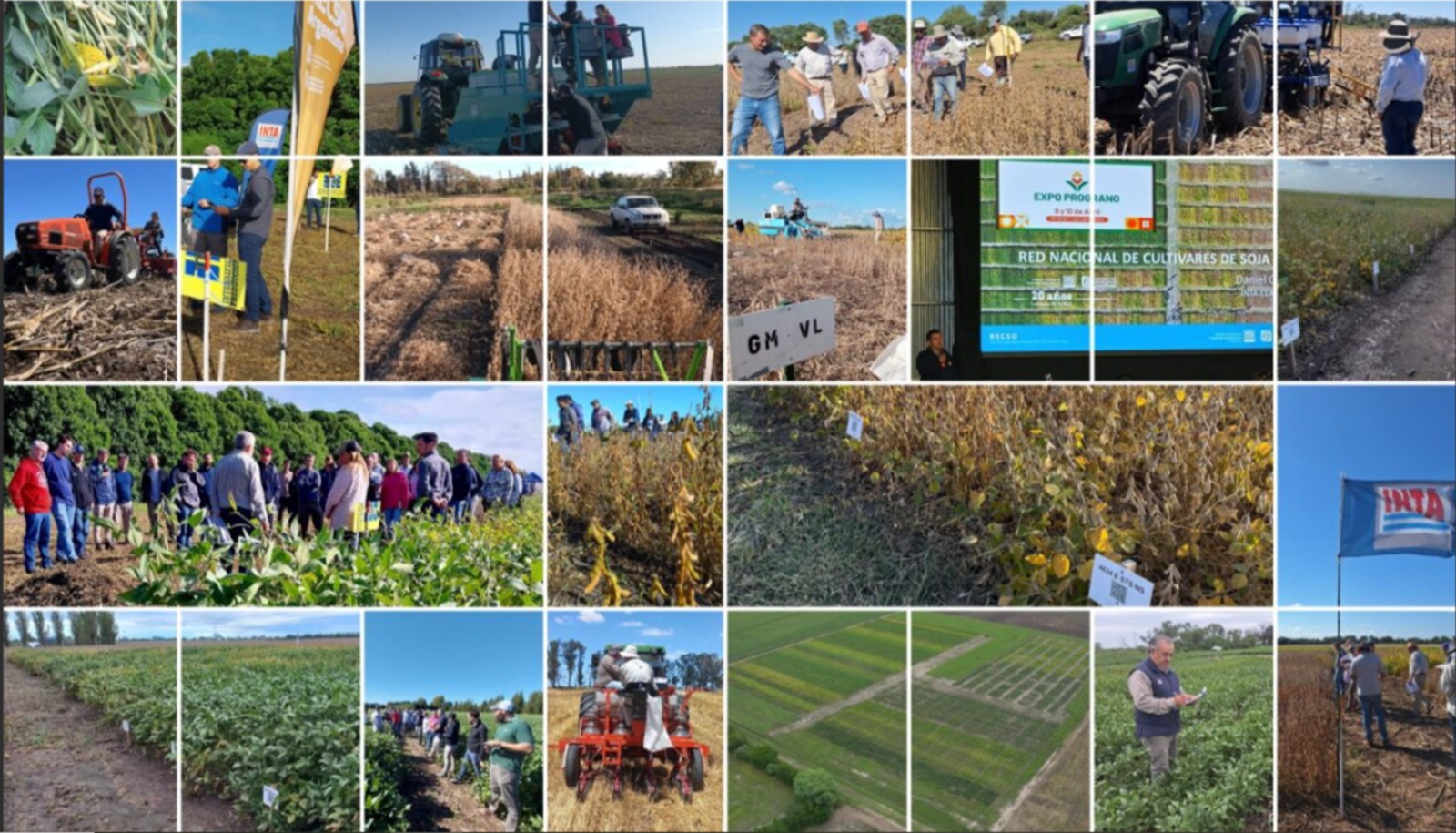
Soybean is a strategic crop for food security and economic development in the Americas. As the expansion of cultivated area is increasingly constrained, future production growth will rely primarily on yield improvements driven by genetic gains and better use of genotype-by-environment interactions. However, significant yield gaps persist between attainable potential and on-farm results, a challenge exacerbated by increasing climate variability. In this context, the project proposes the establishment of the Regional Soybean Cultivar Evaluation Network (RRECSO-Americas), building on the public-private RECSO model developed in Argentina and on regional and international experiences. The three-year initiative will involve Argentina, Uruguay, Paraguay, Colombia, and Peru, with the strategic participation of the University of Florida in the development of advanced predictive models. The project will implement a regional network of comparative trials under unified protocols, develop digital decision-support tools, and include a strong knowledge transfer component to ensure that results reach producers, technical advisors, researchers, and other value-chain actors, contributing to sustainable productivity gains and strengthened soybean breeding across the region.
The proposed technological solution consists of the development and implementation of an integrated regional platform for soybean cultivar evaluation, analysis, and recommendation, based on a network of comparative field trials conducted under standardized experimental protocols. This network will generate objective, harmonized, and high-quality information on cultivar performance across diverse environments, enabling the identification of superior genotypes and favorable genotype-by-environment interactions for each region. The solution integrates agronomic, soil, and climate databases, combining field trial data with historical climate series and satellite-based information. This integrated approach supports the calibration and validation of predictive crop simulation models, which will be used to assess management scenarios—such as sowing date, maturity group, and plant density—and to reduce production uncertainty under increasing climate variability.
As a result, an open-access digital decision-support platform will be developed, providing environment-specific recommendations on cultivar selection and agronomic management. This tool will ensure effective knowledge transfer to farmers, technical advisors, and institutions, contributing to the reduction of yield gaps, improved resource-use efficiency, and enhanced sustainability and competitiveness of soybean production at the regional level.
The project will deliver an operational regional network of comparative soybean trials based on unified protocols and reliable data on cultivar performance across diverse production environments. As a result, superior genotypes and more efficient management practices will be identified, contributing to reduced yield gaps and lower production uncertainty under increasing climate variability. In addition, an open-access digital platform integrating trial results and predictive models will be developed, providing environment-specific recommendations to support decision-making. The project will strengthen technical capacities among institutions, advisors, and farmers, promote innovation adoption, and generate regional public goods that enhance productivity, sustainability, and competitiveness of the soybean value chain in Latin America.
The direct beneficiaries of the project are approximately 5,000 soybean producers from the participating countries (Argentina, Uruguay, Paraguay, Colombia, and Peru), as well as seed companies, technical advisors, and research and extension staff from the national agricultural research institutes (INTA, INIA, AGROSAVIA, IPTA, among others), who will gain access to objective and standardized information to improve varietal selection and agronomic management. Indirect beneficiaries include all actors along the soybean value chain—industry, exporters, and logistics providers—as well as academic institutions, students, and society at large, through enhanced food security, sustainable productivity gains, reduced production risk, and strengthened regional competitiveness, contributing to the generation of open-access regional public goods
This project actively contributes to achieving the Sustainable Development Goals, promoting more equitable, resilient, and sustainable regional development.


Cristian Angel Vissani
Juan Cruz Molina
Jhon Larzábal
Alfredo Urunaga
Luis Martín Ingar de la Cruz
Sponsors


With the support of



