 Impact
 Initiatives
 Dashboard
 Alliances
 Impact
 Initiatives
 Dashboard
 Alliances


Learn more about this story
Project Webstory
Go to webstory





 Integrated Pest ManagementTechnologicalSustainable intensificationStrategy 1. Resilient farms
 2012
2012 Closed
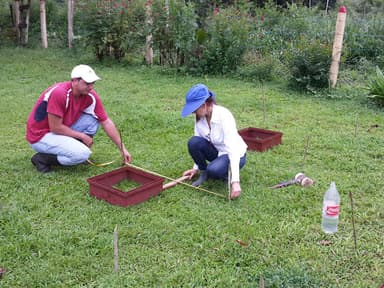
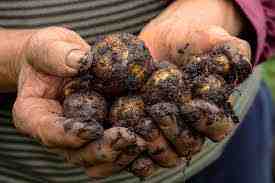
Potato is the main food of the Andean settlers. The Andean weevil (Premnotrypes spp.) and potato moths (Phthorimaea operculella, Symmetrischema tangolias, Tecia solanivora) are the key pests that limit production and harvest quality in Bolivia, Ecuador and Peru. To contribute to the solution of the problem, CIP and its collaborators within the framework of the project financed by FONTAGRO: CGIAR # 0604/06 “Development and application of ecological practices in pest management to increase the sustainable production of potatoes by farmers in low resources in the Andean regions of Bolivia, Ecuador and Peru ”developed an Integrated Management strategy with new ecological tools to reduce the use of insecticides. This new project intends to continue with the diffusion of these technologies through the formation of an Integrated Pest Management Network. The specific objectives of the project were: 1) the establishment of an inter-institutional platform for IPM in Peru, 2) the promotion of IPM with the involvement of the private sector, 3) the training of 'multiplier' actors and 4) coordinate and establish a monitoring system for impact analysis.
Implementation of a new Integrated Potato Pest Management program for the Andean region, which includes the use of plastic barriers, toxic attractants, increased functional diversity and the use of Bt talc for moth control in storage, which proved to be as efficient as chemical control, with the added benefits of protecting natural enemies and the environment.
This project actively contributes to achieving the Sustainable Development Goals, promoting more equitable, resilient, and sustainable regional development.






Thomas Miethbauer

Jurgen Kroschel

Verónica Cañedo
Jesus Alcazar

Pablo Carhuapoma Ramos
Henry Juarez

Marc Sporleder
Octavio Zegarra
Thomas Miethbauer
The tangible impact of science and technology in the field
Sponsors


With the support of