
 Impact
 Initiatives
 Dashboard
 Alliances
 Impact
 Initiatives
 Dashboard
 Alliances




Learn more about this story
Project Webstory
Go to webstory




 Agronomic PracticesAppliedTechnological
 2022
2022 Active
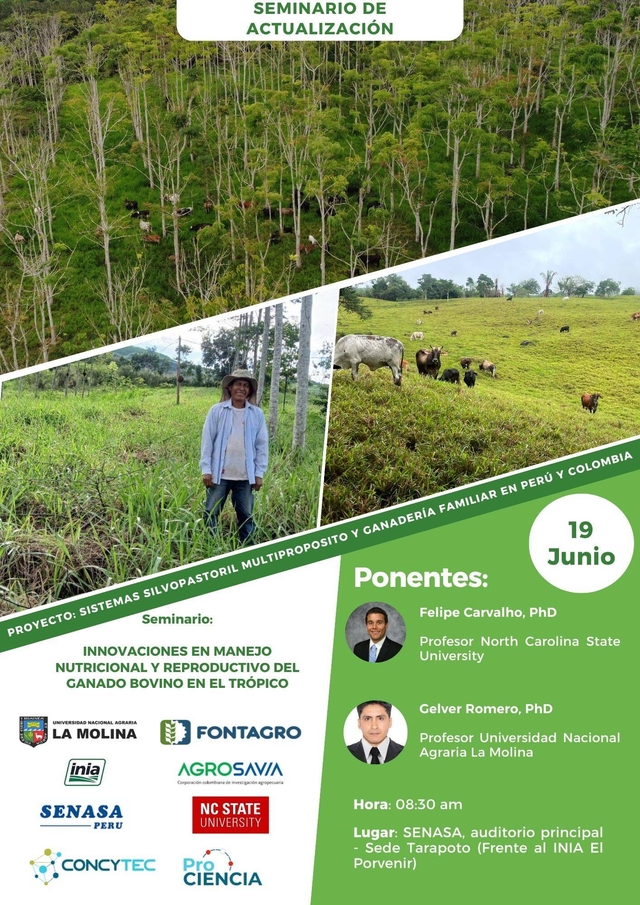
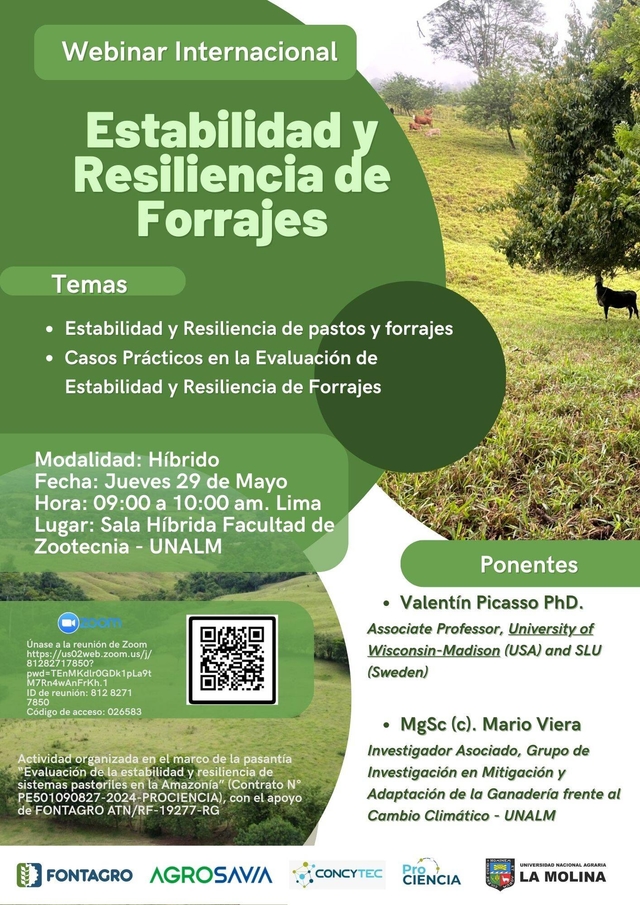
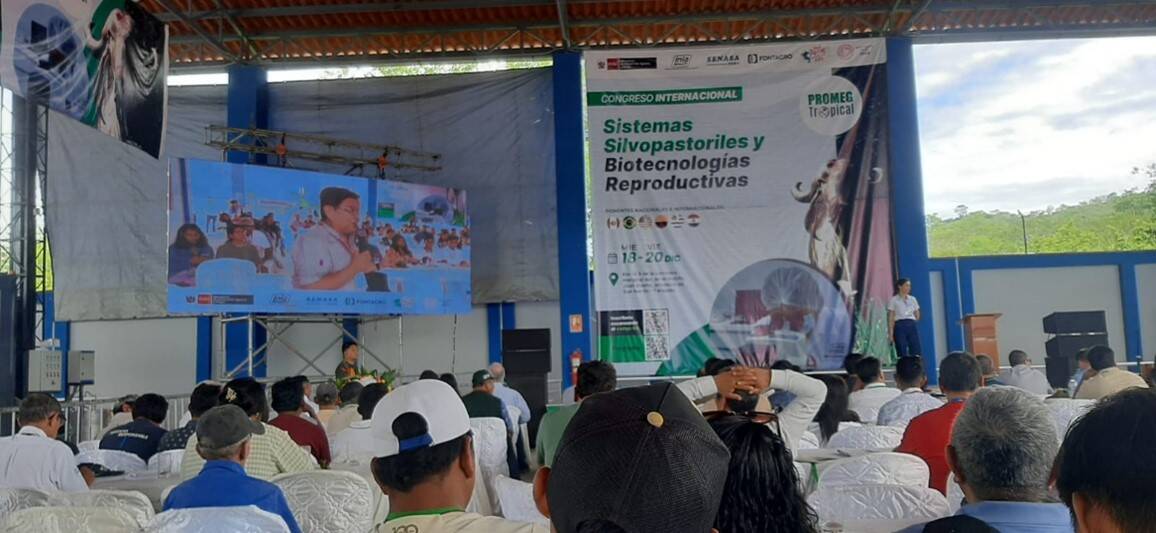
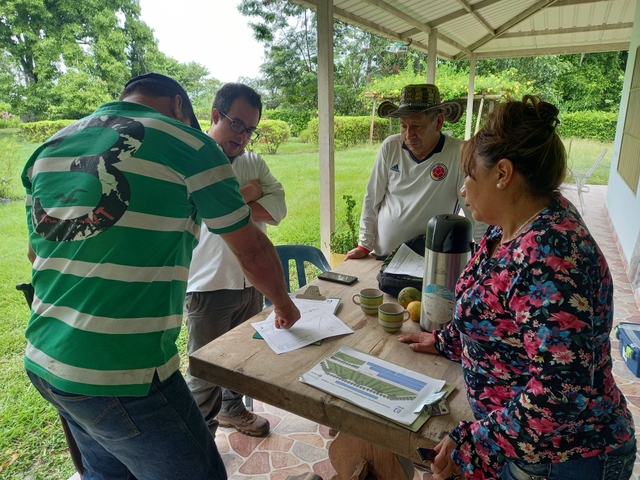
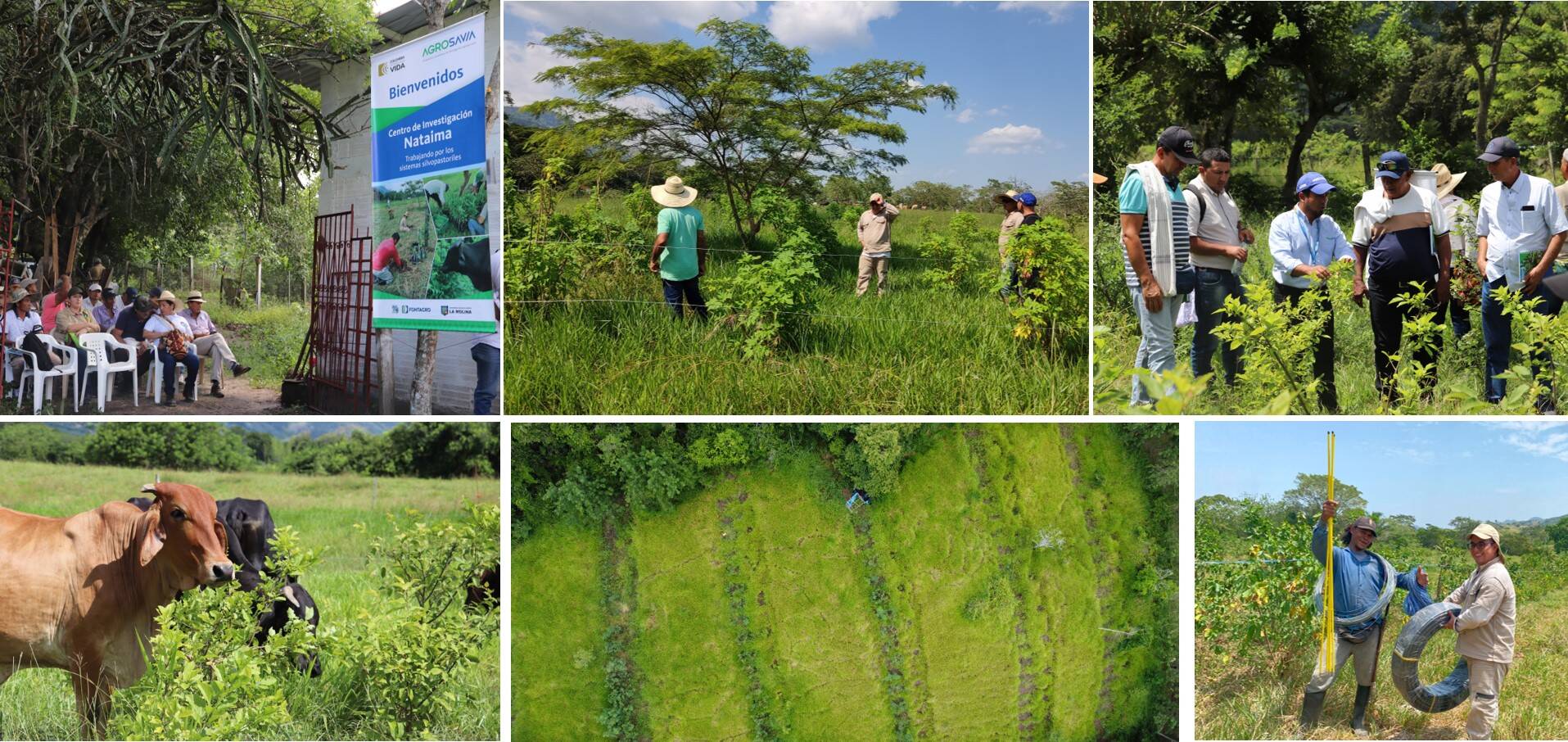
In the Peruvian and Colombian Amazon, most of the rural population is engaged in agriculture, which includes cattle farming as a mainly family activity. Livestock farming has generated low sustainability in land use, mainly due to deforestation of forests for pasture. Livestock production is responsible for 80% of deforestation in the Amazon region and is responsible for the release of 340 million tons of atmospheric carbon each year, equivalent to 3.4% of current global emissions. This demonstrates the need to take action and promote sustainable land use practices such as silvopastoral systems to improve productivity and prevent the advance of deforestation in this region. The project will implement and monitor Multipurpose Silvopastoral Systems (MPSS) that generate information to design and propose incentive systems. In addition, a regional innovation platform will be developed for the promotion of silvopastoral practices in family farming that will reduce the environmental impact of livestock farming as a climate change adaptation and mitigation strategy, improving milk production and the profitability of the farmers.
Multipurpose Silvopastoral Systems (MPSS) that generate alternative uses and functions of trees or shrubs, such as forage, seed or fruit production, wood, provision of shade for livestock or as a soil enhancer.
Livestock producers from the Peruvian and Colombian Amazon.
This project actively contributes to achieving the Sustainable Development Goals, promoting more equitable, resilient, and sustainable regional development.






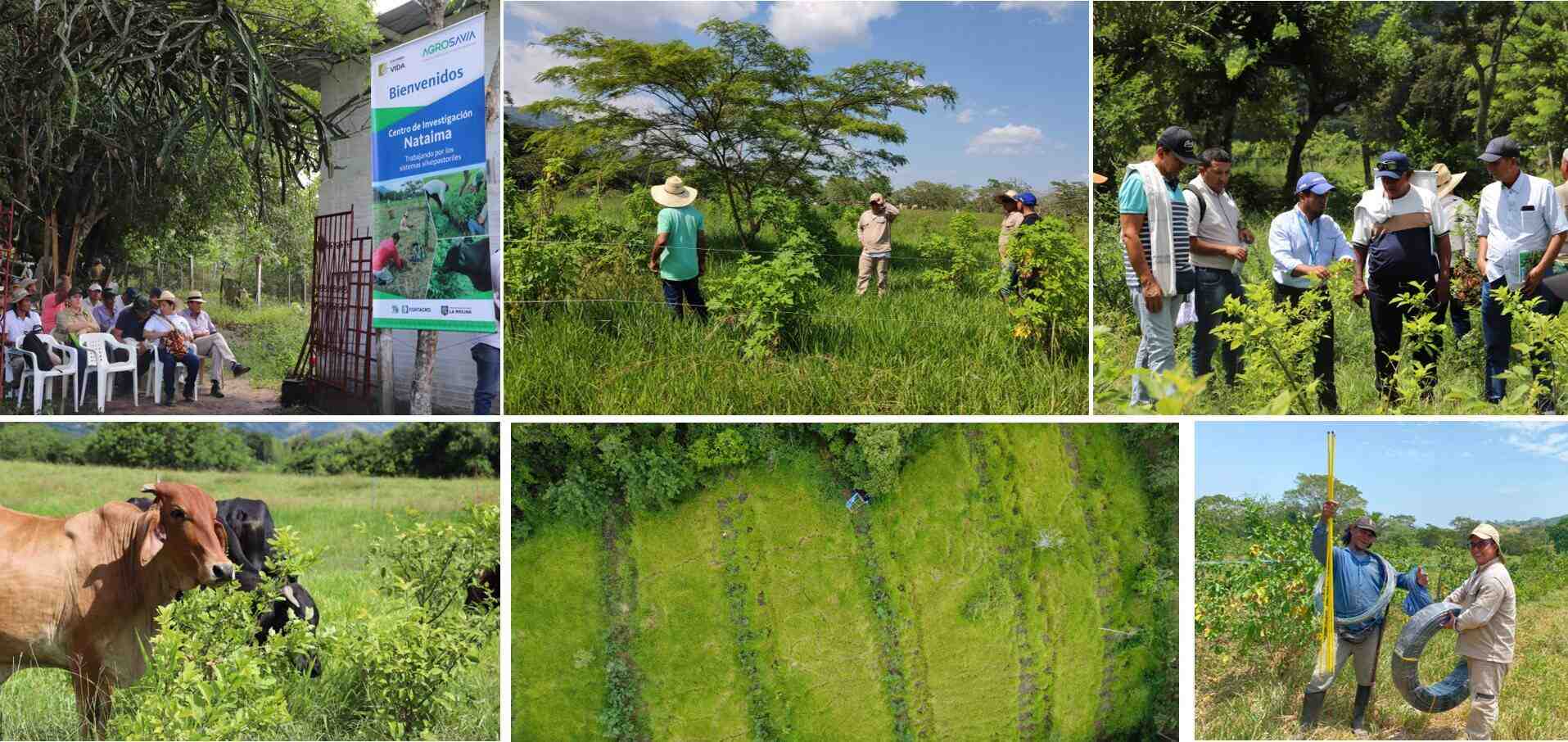
The tangible impact of science and technology in the field
Sponsors


With the support of

Nelson Pérez Almario
ColombiaCarlos Alfredo Gomez Bravo
PerúChristian Thomas Carvajal Bazurto
ColombiaLisania Melisa Fernandez Curi
PerúÓscar Eduardo Orjuela Franco
ColombiaAna Ligia Gomez Laveriano
ColombiaDagoberto Criollo Cruz
ColombiaEduardo Leuman Fuentes Navarro
PerúJulio Cesar Alegre Orihuela
PerúMaria Helena Souza De Abreu
Perú