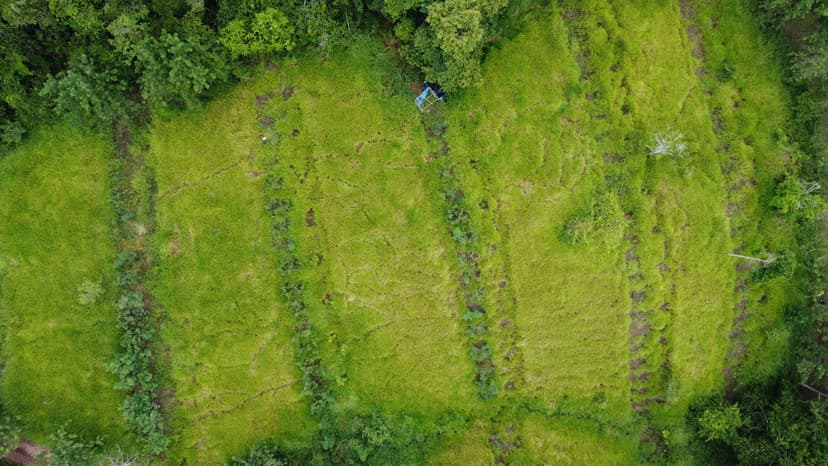
In the Colombian lowland tropics and the Peruvian Amazon, extensive livestock farming is one of the main economic activities. It is characterized by the use of grass monocultures, tree felling, and loss of biodiversity. Soil degradation and compaction (3.5/kg/cm2) occur, and forage supply can drop by up to 70% during dry periods. The poor quality of forage generates greater environmental pollution due to high enteric methane emissions and a reduction in animal husbandry parameters, with milk production reaching 5.2 liters per cow per day. Although SSPs offer several benefits, the costs of high-density models prevent widespread adoption. SSPs with low-density native woody species are part of the solution.
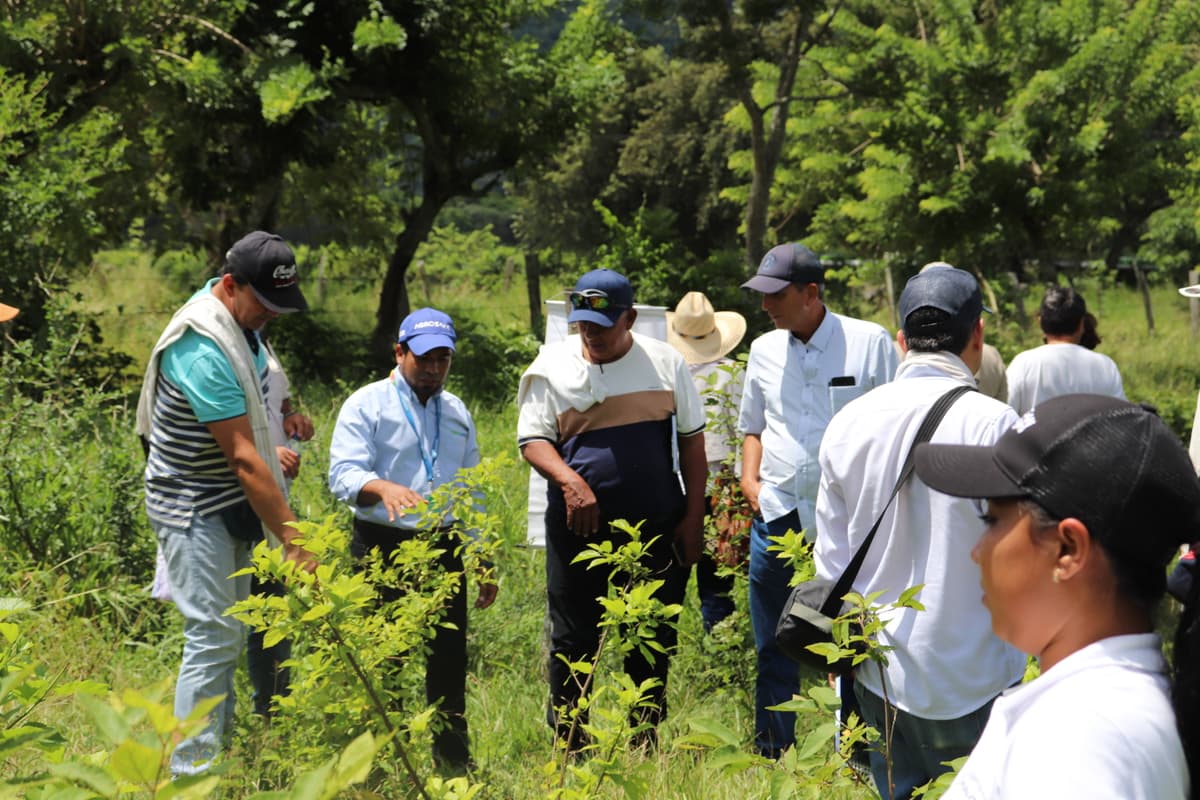
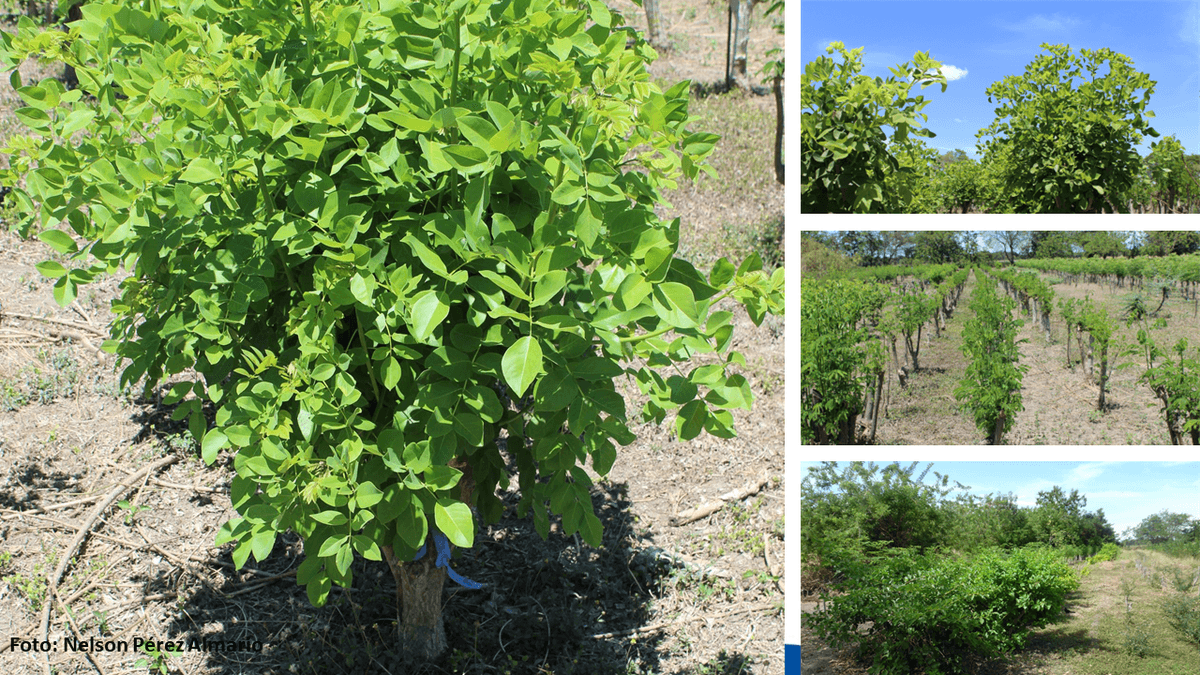
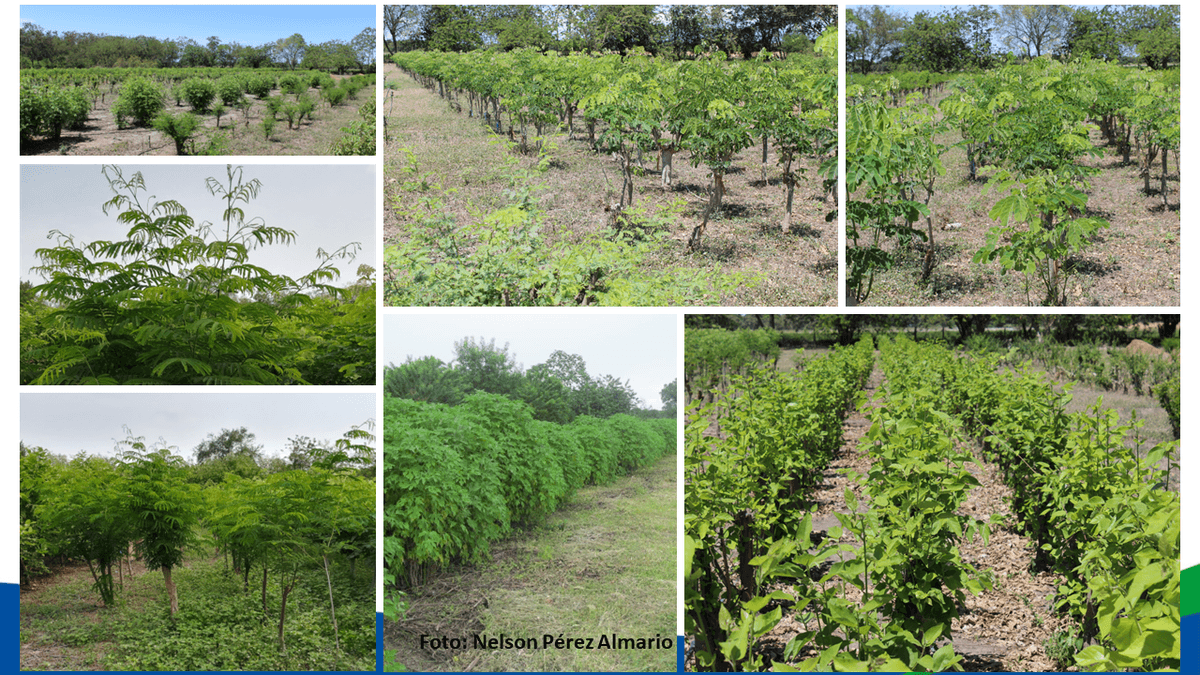
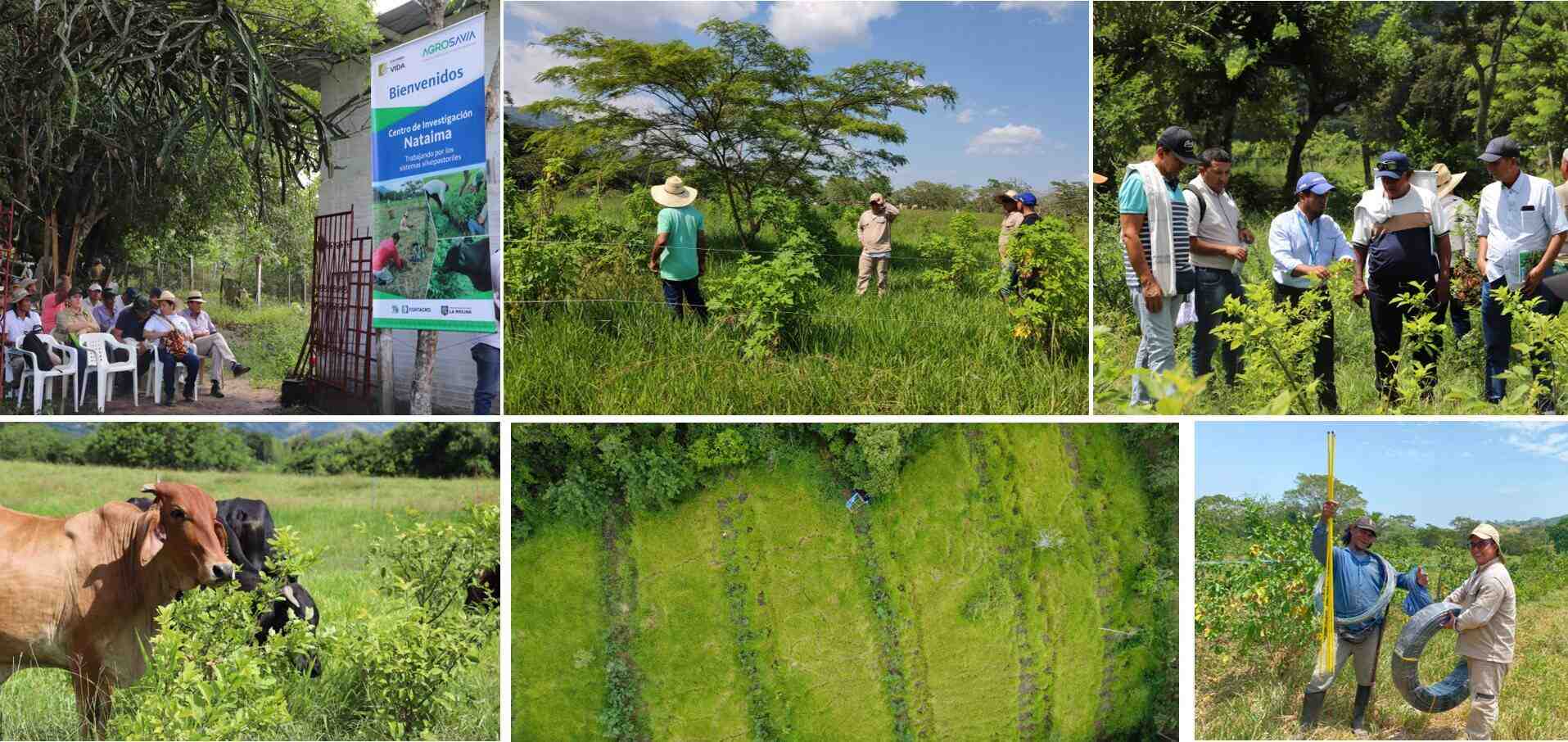
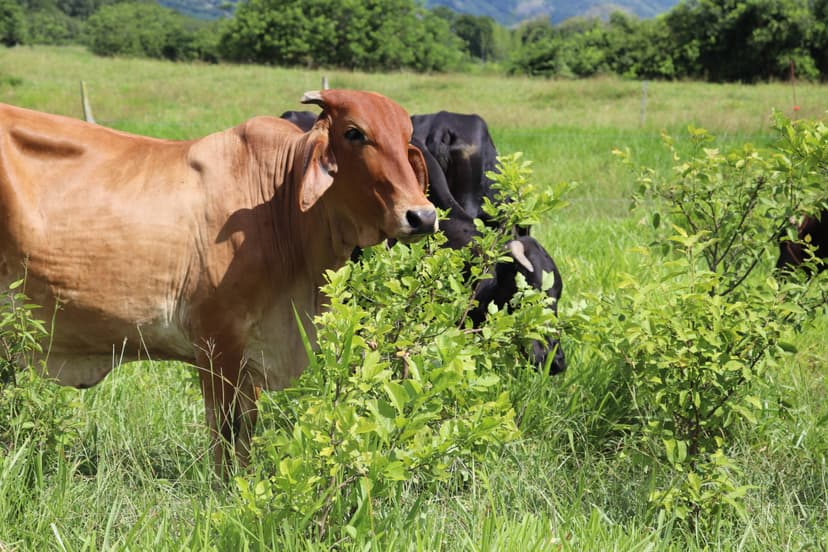
Multipurpose Silvopastoral Systems (MPSS) integrate three plant components (grasses, shrubs and trees) distributed across different strata within the livestock system. The planting density of woody species is between 1,000 and 2,000 plants per hectare, which adjusts to the economic needs of the farmer, reduces establishment and management costs, and facilitates the adoption and appropriation of the technology. Likewise, the process is accompanied by training strategies and publications on key aspects for the replication of the MPSS and the generation of a network of farms with silvopastoral systems for the linking of producers, technicians, academics, unions, and regional institutions.
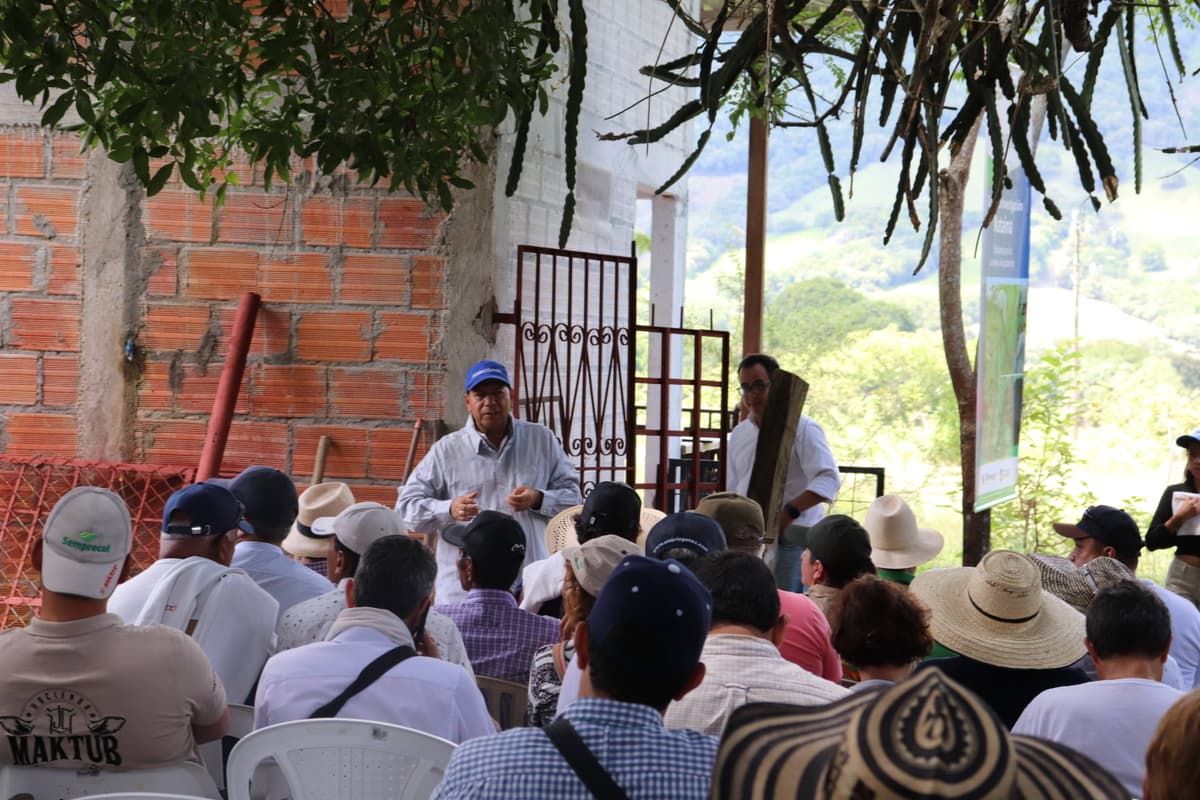
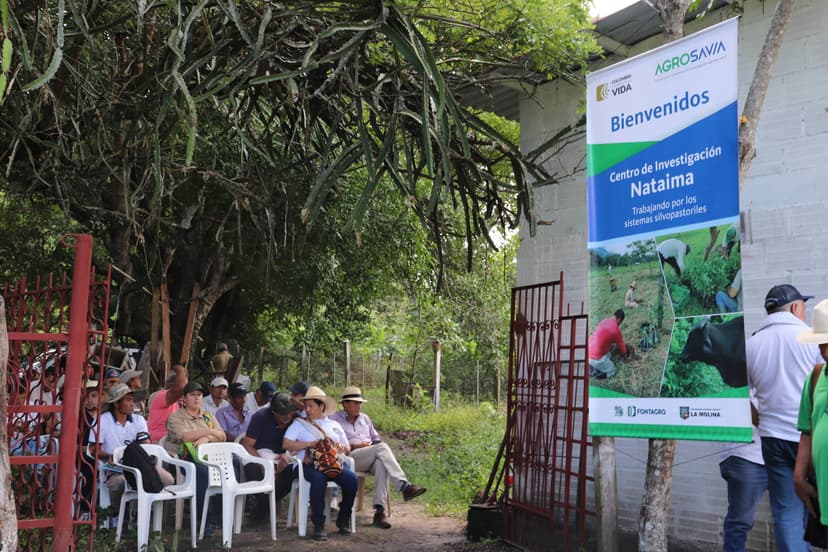
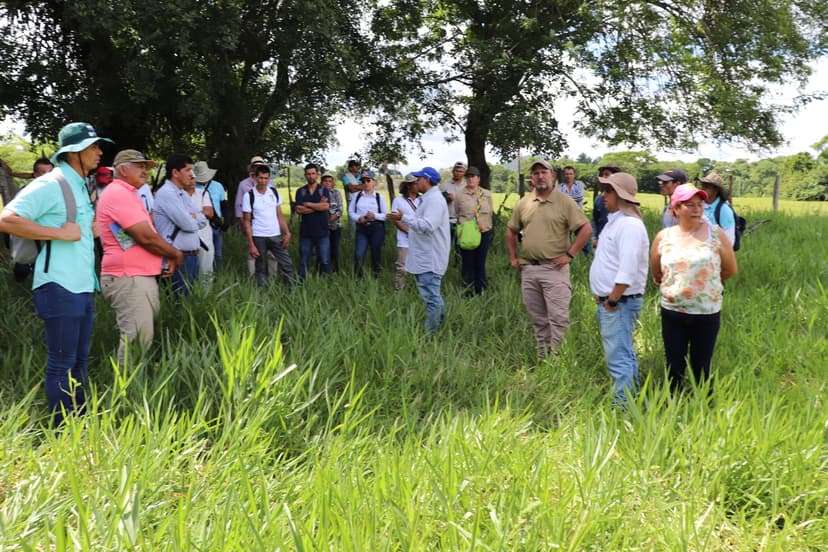
In Peru and Colombia, 45 cattle families were selected, and 38.01 ha of SSPM were established on their farms. On farms evaluated in Colombia, dual-purpose cows grazing SSPM increased daily milk production per animal by 21.1%. Milk fat, protein, and total solids increased by 15.6%, 7%, and 6.6%, respectively. Forage supply increased by 22.7% per hectare (2160.4 kg DM/ha) compared to pasture-only pastures. In Peru, forage biomass was higher in silvopastoral systems (1818.1 kg DM/ha) than in conventional systems (1276.7 kg DM/ha). Crude protein content increased to 20%, NDF was reduced (45.5%), and digestibility improved with the inclusion of Leucaena. As of July 2025, 18 training spaces have been developed, with a total of 405 in-person attendees and 3,747 virtual events.





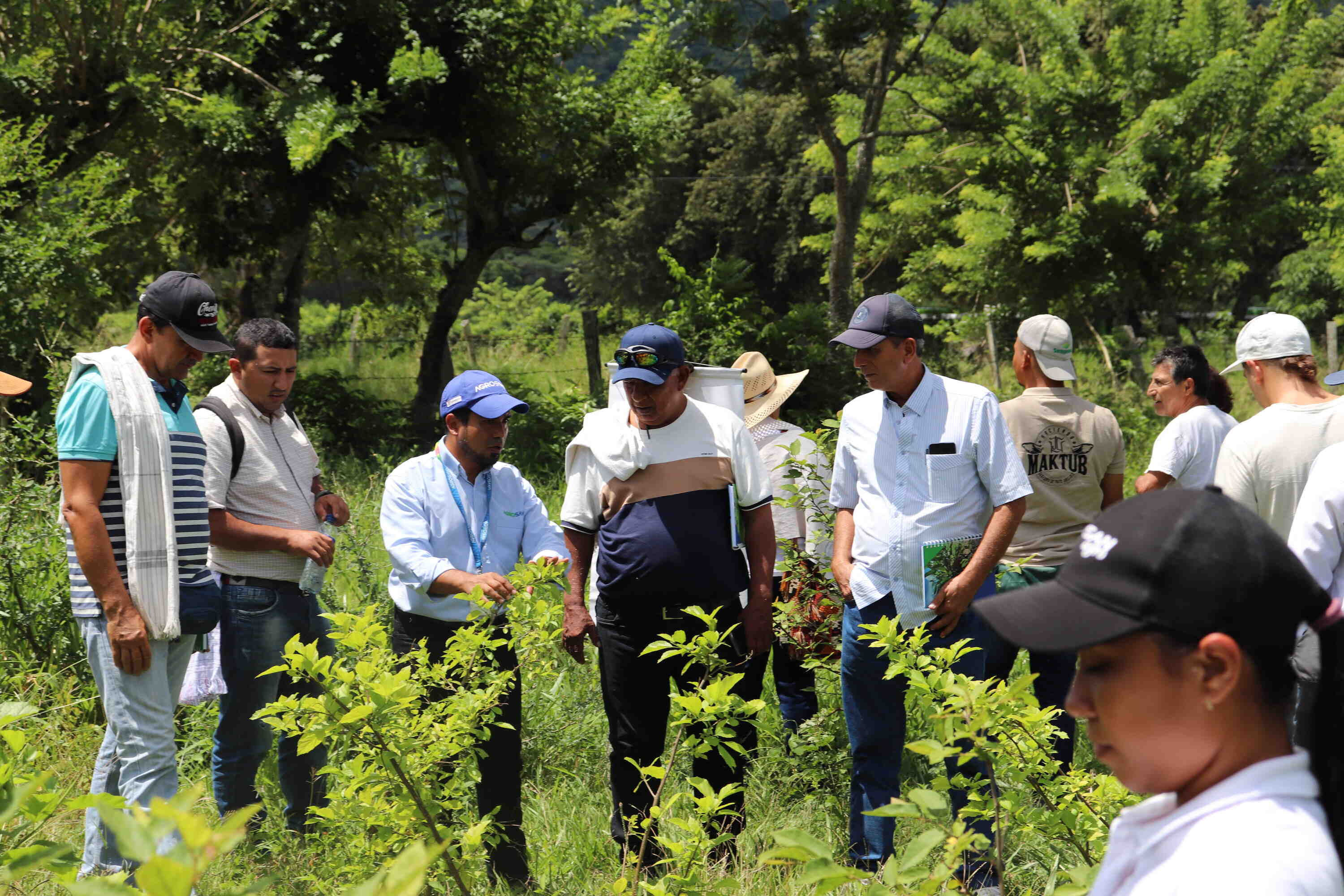
 Agronomic Practices







.png&w=3840&q=100)


.png&w=640&q=75)


 Impact
 Initiatives
 Dashboard
 Alliances
 Impact
 Initiatives
 Dashboard
 Alliances