 Impact
 Initiatives
 Dashboard
 Alliances

 Impact
 Initiatives
 Dashboard
 Alliances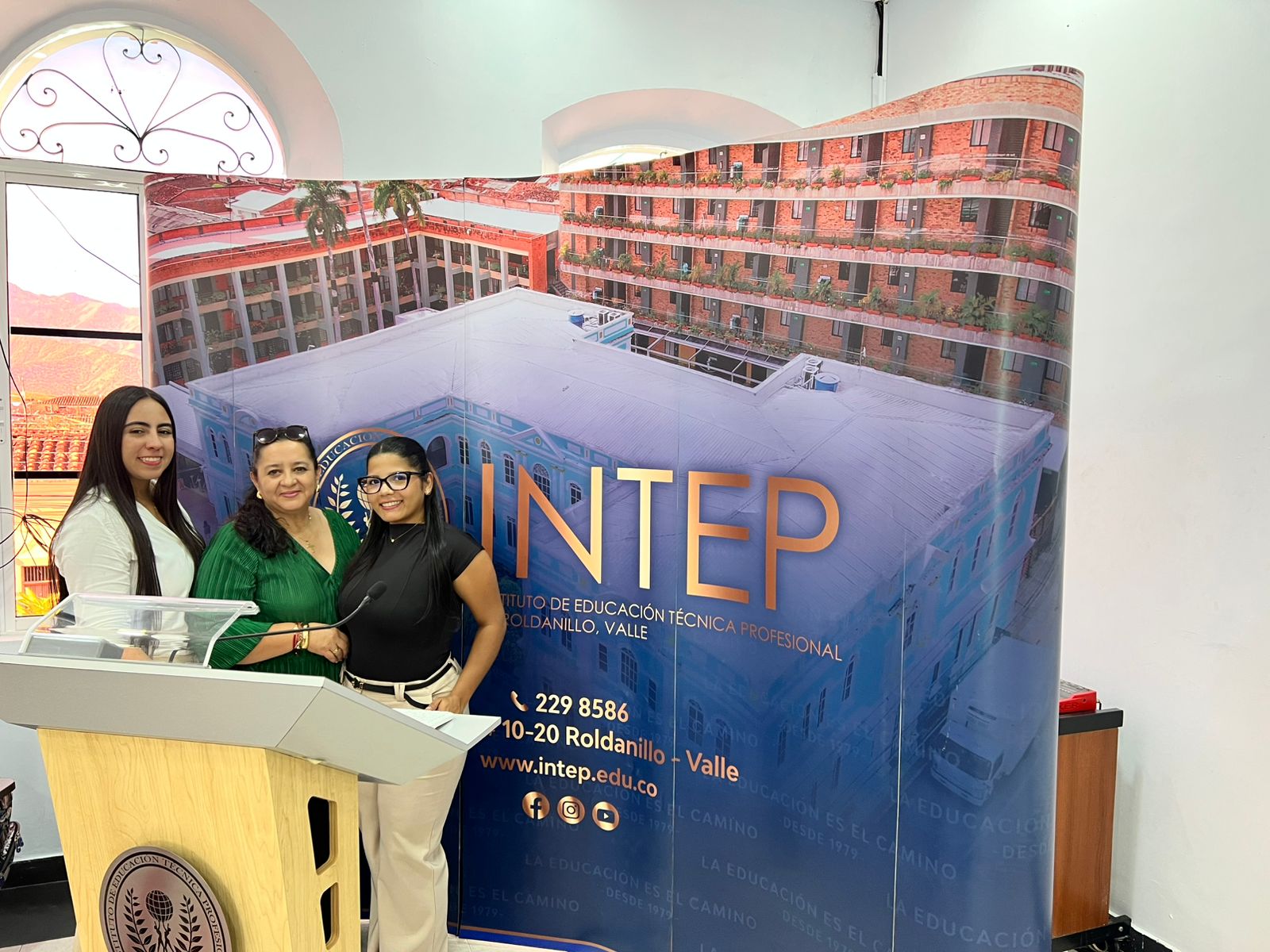

 Technological
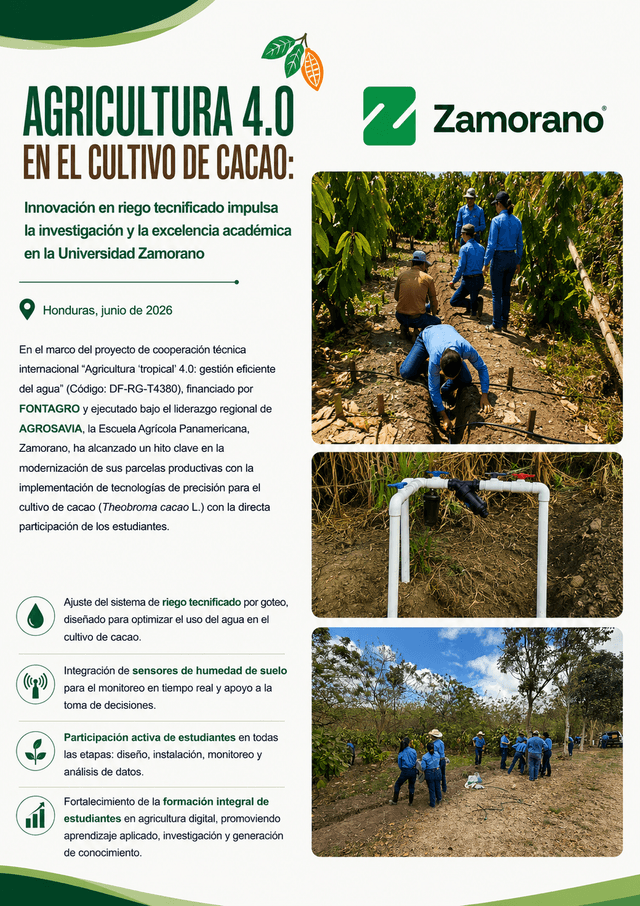
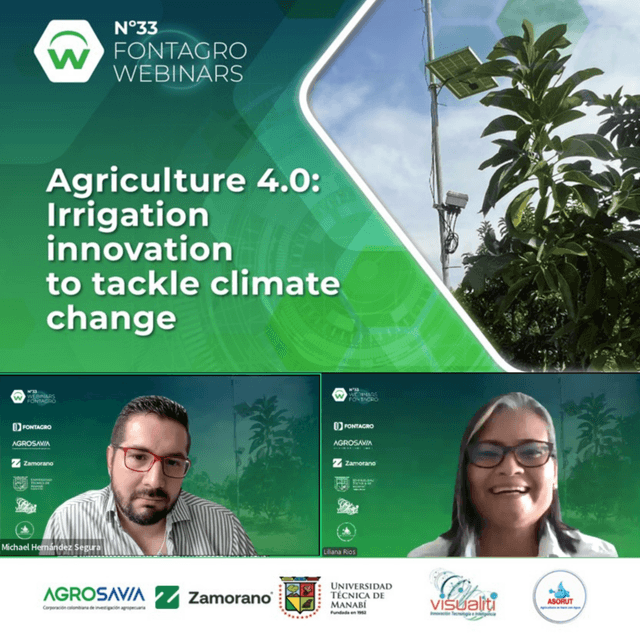
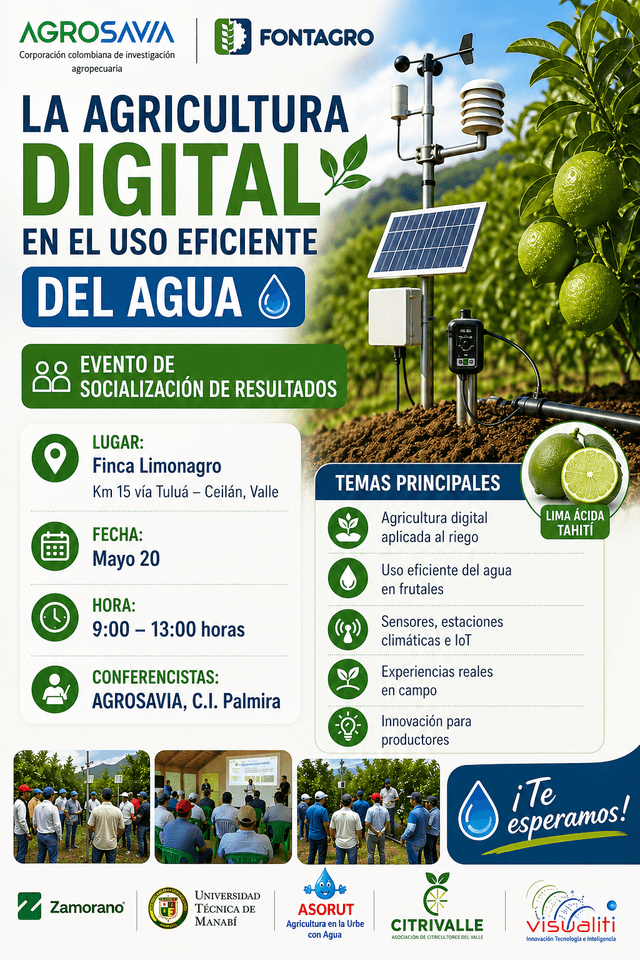
Within the framework of the “Tropical Agriculture 4.0: Efficient Water Use” project, significant progress has been made in agricultural research and the training of professionals committed to the efficient use of water resources. This project is a regional joint effort executed by AGROSAVIA - Colombia, the Technical University of Manabí - Ecuador, Zamorano University - Honduras, in collaboration with Visualti SAS and ASORUT from Colombia.
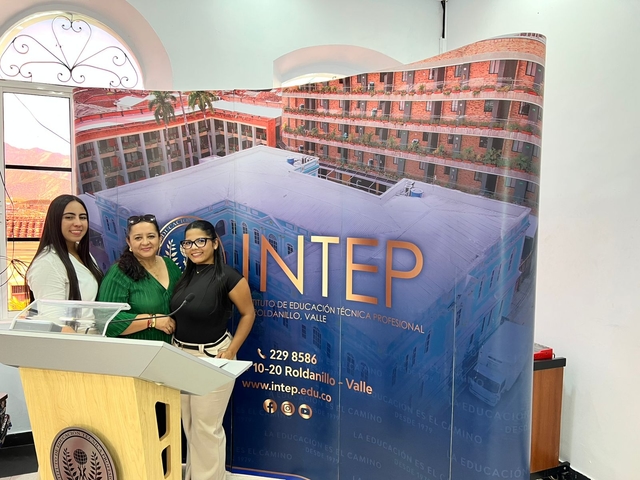
A noteworthy milestone is the work of students Manuela González and Isamar Cardona from the Technical Professional Education Institute of Roldanillo, Valle del Cauca, Colombia. They presented their thesis titled “Quantification of Water Use Efficiency and Profitability of Fruit Crops in Traditional and Technified Systems of Northern Valle del Cauca.” Their research focuses on evaluating the efficiency of water use and the profitability of fruit crops in different irrigation systems, providing valuable perspectives for agricultural development with results such as:
- Water Use Optimization: The research highlights that, although there is technified irrigation infrastructure (such as drip and micro-sprinkler systems), technical criteria are needed to optimize water management, which could increase efficiency and productivity in crops.
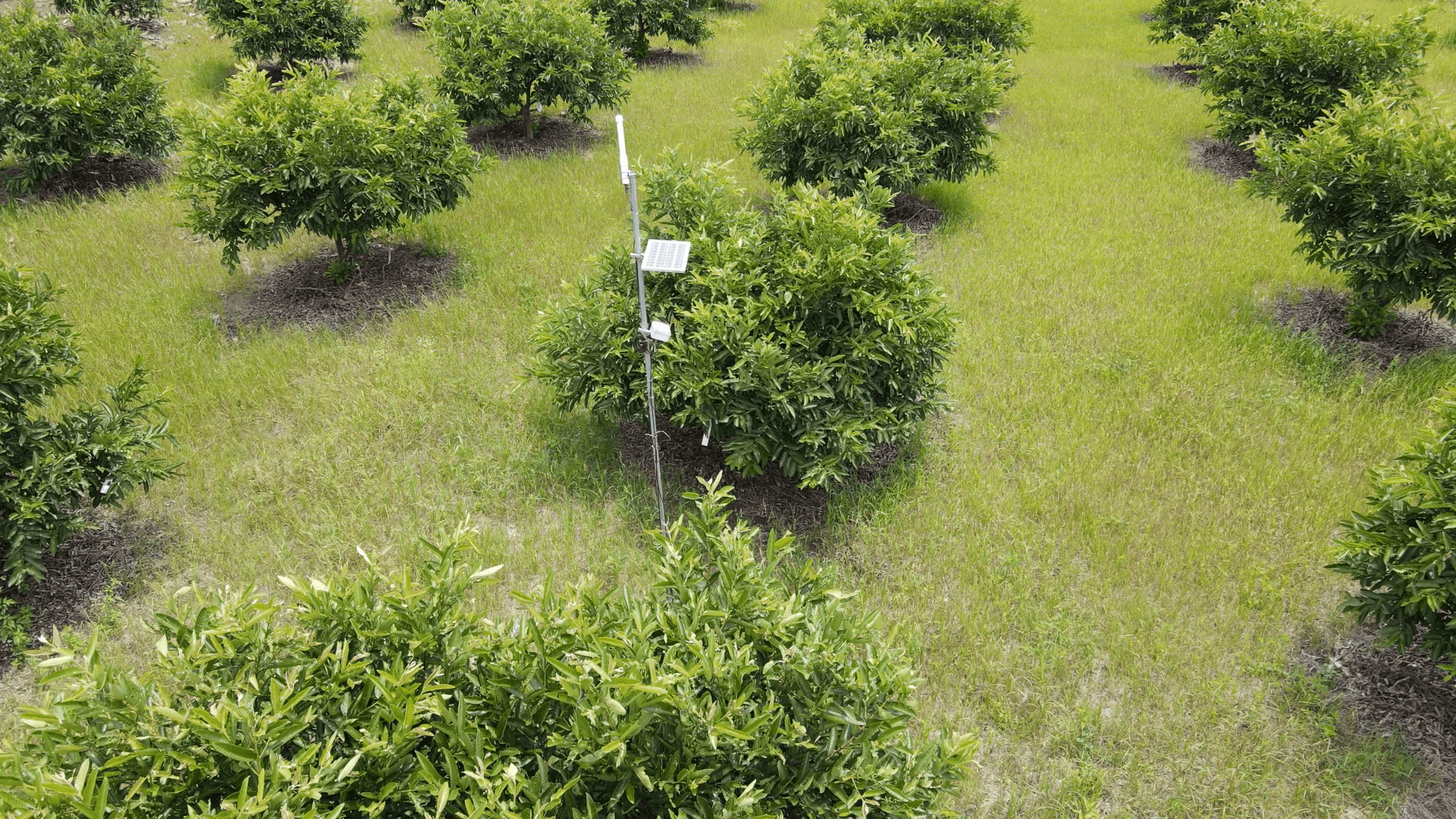
- Improvement of Irrigation Scheduling: Soil moisture monitoring has allowed the identification of periods of water deficit, highlighting crucial opportunities to refine irrigation scheduling and ensure more efficient water use.
- Precision Agriculture: The implementation of precision agriculture tools not only promises more efficient water use but also the reduction of operational costs associated with irrigation, enhancing decision-making about when and how much to irrigate.
- Strategic Alliances: Collaborations between entities such as AGROSAVIA and ASORUT underscore the need to bridge the gap between the potential of available technologies and their implementation in the field, highlighting the importance of strengthening the transfer of technical knowledge to producers.
Additionally, at Zamorano University in Honduras, students David Antonio Peña Noriega and Andy Ariel Moya Orellana presented their thesis on the “Diagnosis of Current Water Use in Irrigation for Papaya, Tahiti Lime, and Cacao Cultivation,” achieving the following results:
- Soil Moisture Management: Soil moisture remained generally close to field capacity, providing a solid framework for optimizing irrigation and demonstrating opportunities for improvement in papaya.
- Fruit Growth: An inverse relationship was found between soil moisture and fruit growth; lime exhibited the greatest growth, followed by papaya and cacao, indicating areas for improvement in irrigation management.
- Uniformity in Irrigation Systems: With an acceptable flow uniformity (>85%), opportunities for additional improvements in irrigation systems were identified, particularly for papaya cultivation.
- Effective Monitoring: The use of FDR sensors for monitoring has allowed effective tracking of soil moisture dynamics, ensuring more informed and effective irrigation decisions.
This project represents a crucial step toward implementing sustainable agricultural practices and efficient water use in the region. By contributing to the academic training of future professionals and enhancing agricultural production, it lays the groundwork for a more resilient and productive future in agriculture.
.jpeg&w=640&q=100)