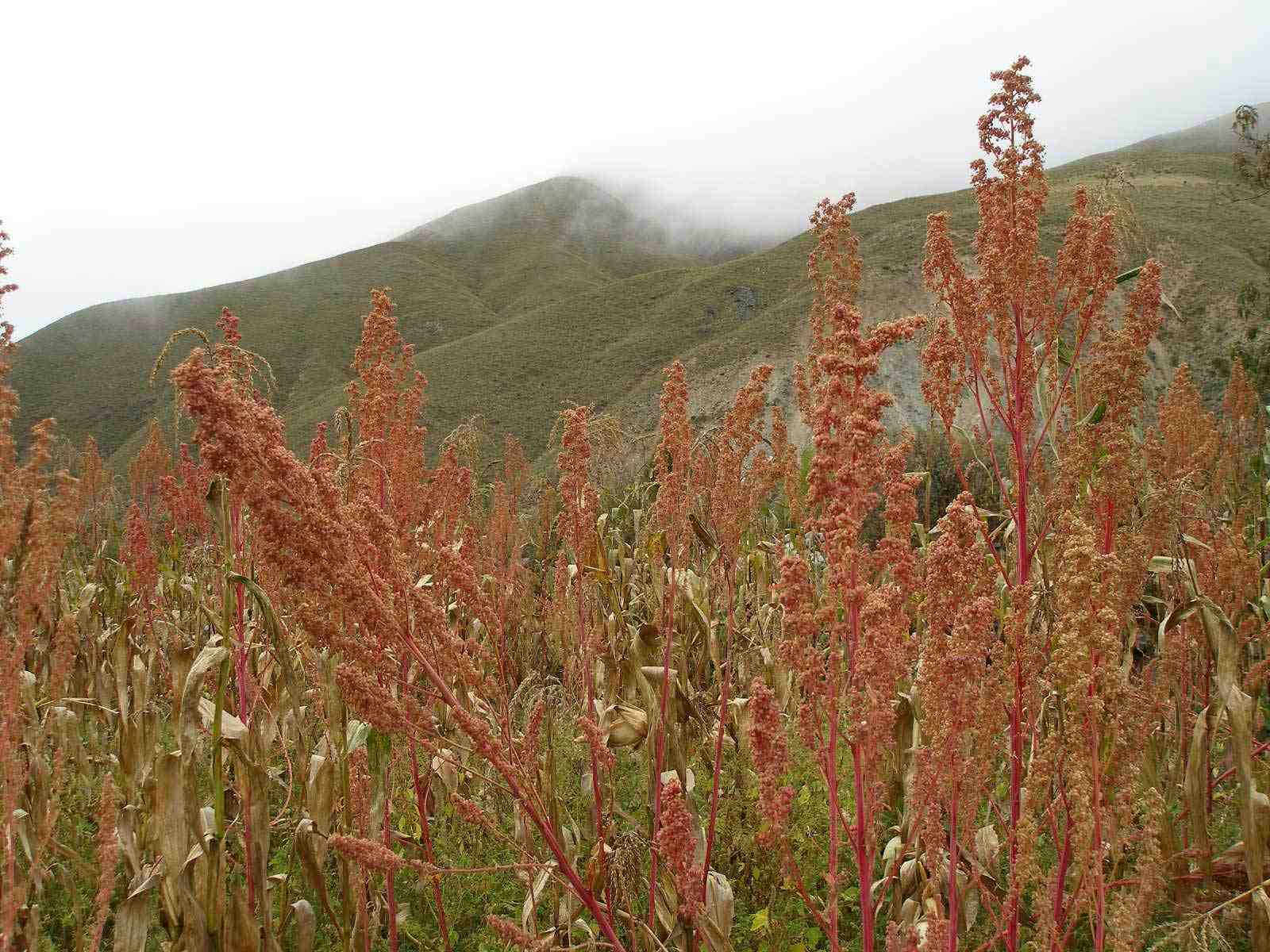
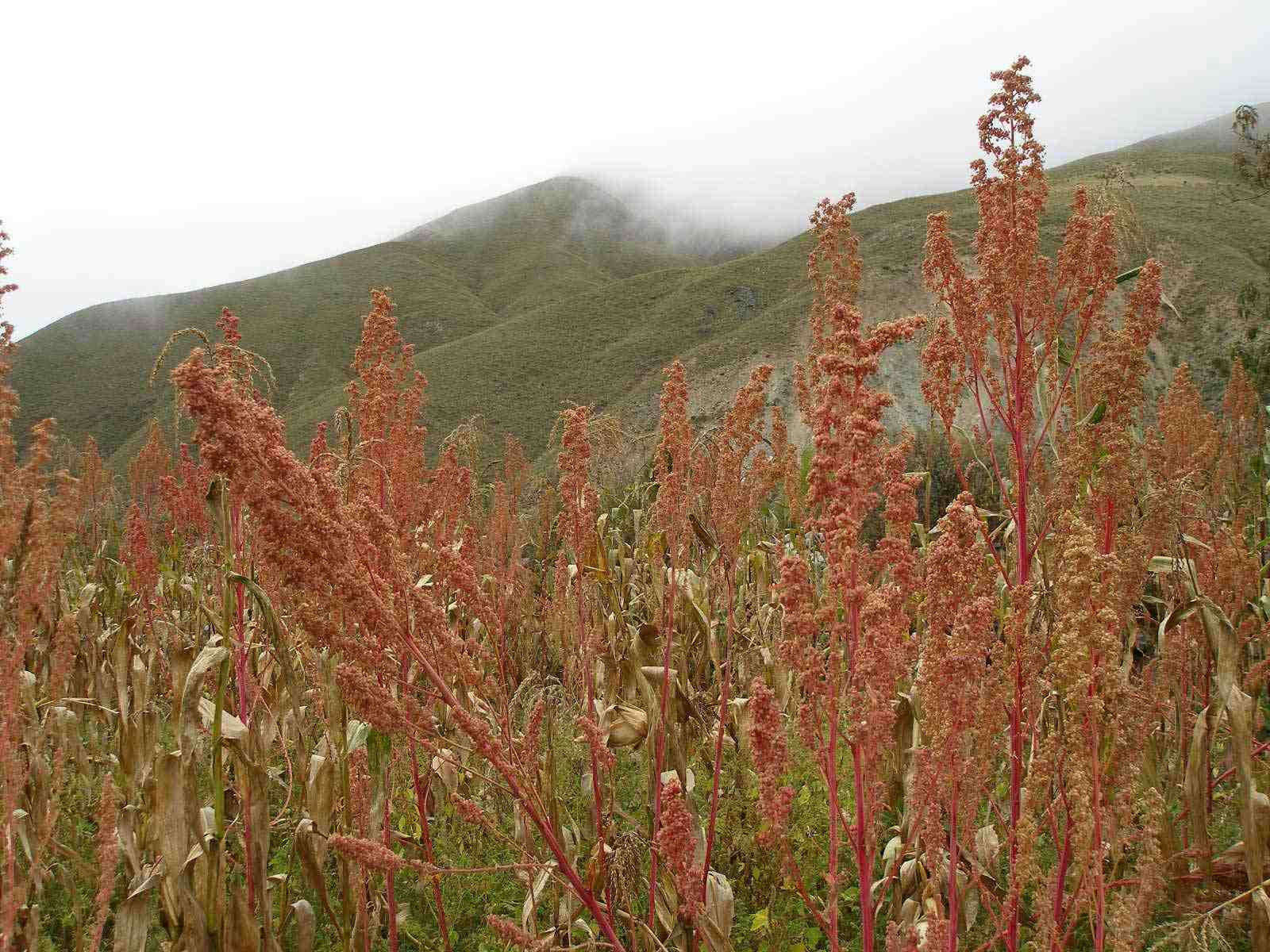
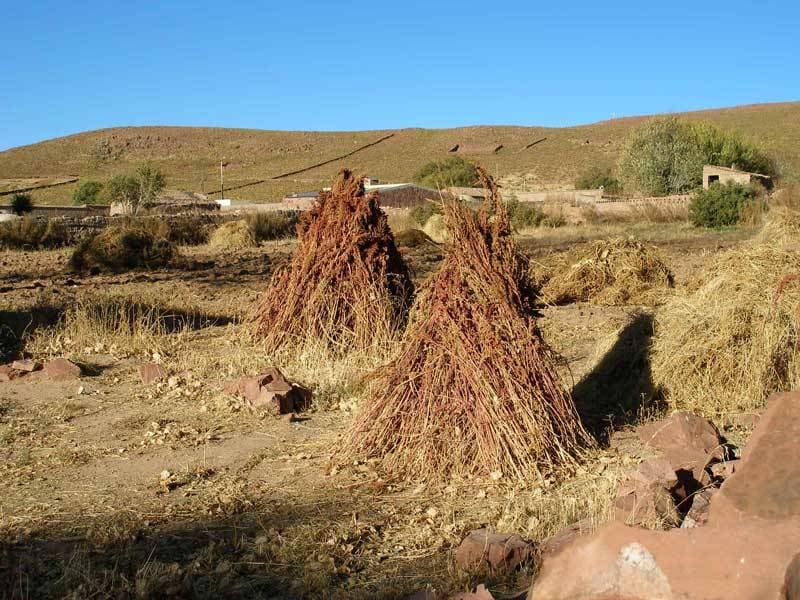
NOA quinoa has been cultivated for thousands of years; its existence, however, was ignored even by scientific atlases. Moreover, no germplasm of native quinoa had been conserved.
Still, a few NOA Native People farmers continued growing varieties inherited from their ancestors.
Some researchers collected these germplasms between 1970 and 1990, but inadequate maintenance led to their loss.
Meanwhile, the importation of commercial seeds increased the risk that Peruvian and Bolivian varieties would supersede NOA quinoa.
Studying the local biodiversity became imperative.
In the first stage, the team assessed and confirmed the possibility of recovering quinoa production using local genetic material.
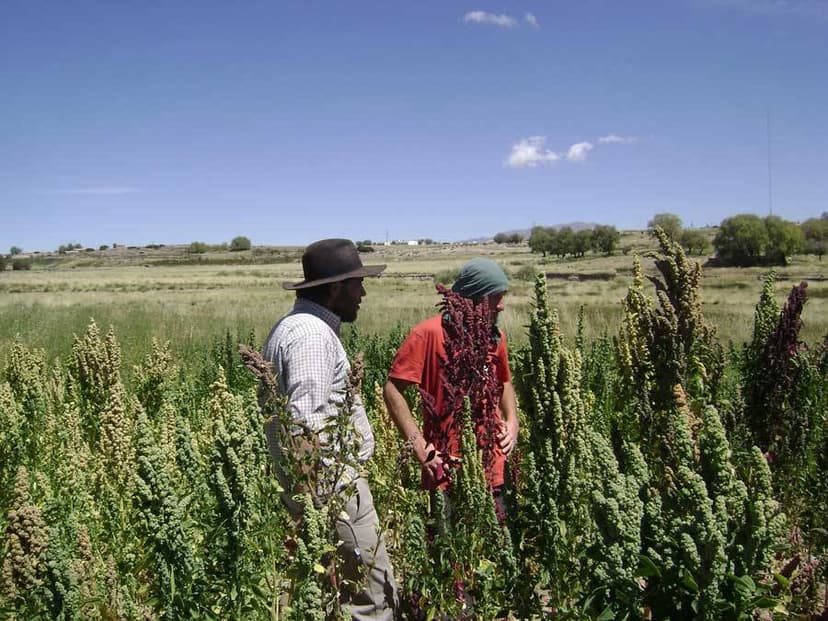
Then, FAUBA collected and profiled native varieties from a vast territory with a great diversity of climates.
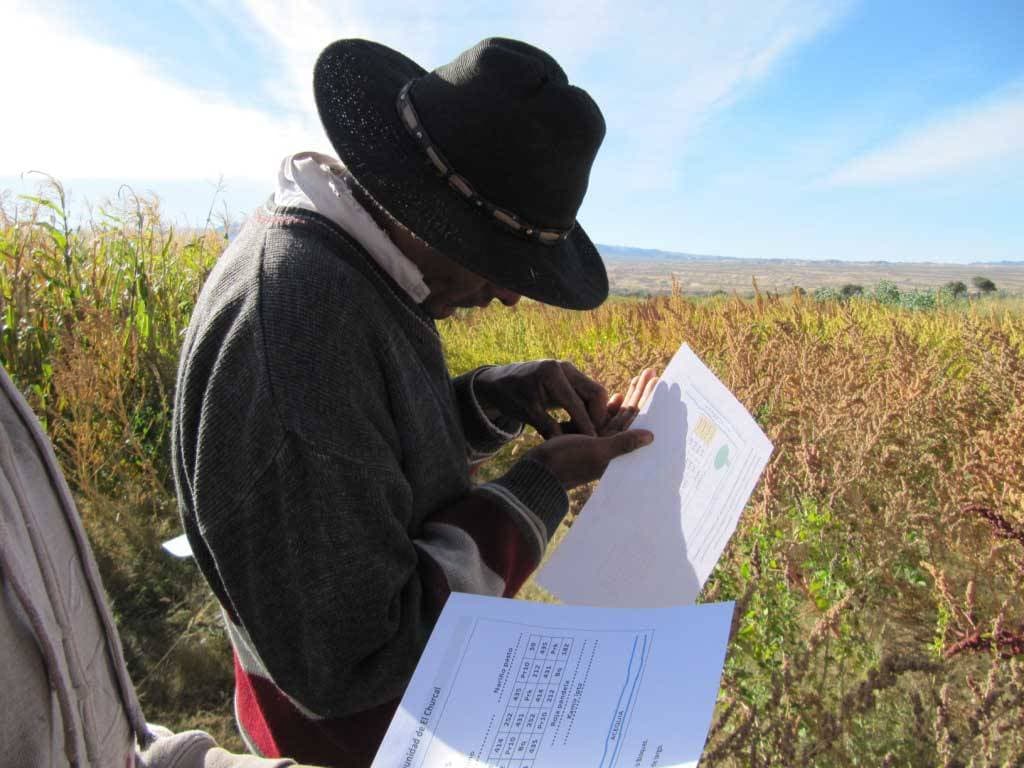
34 varieties were profiled using the descriptors for quinoa supplied by Bioversity International; in addition, together with farmers, the team assessed 12 native varieties in three contrasting environments to evaluate their agronomic performance.
At the same time, microsatellite markers were used on 35 varieties to determine the genetic profiles in the collection.
In 2015, studying 21 varieties selected from a wide range of environments, researchers observed quinoa’s wide range of variability and found that NOA varieties possess a nutritional value comparable to that of leading varieties.
Finally, multivariate analysis was used to identify genetic patterns that make it possible to develop foods with specific nutritional profiles.
92 native quinoa cultivars from NOA are conserved in INTA’s National Germplasm Bank in Buenos Aires.
Materials with high levels of nutrients and good agronomic traits were sent to genetic improvement programs for the development of new varieties.
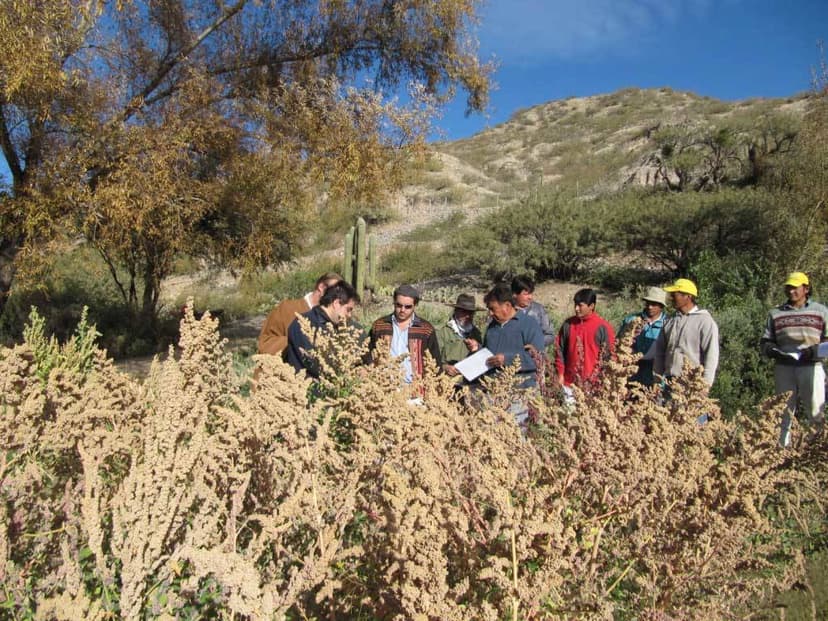
The team trained researchers, technicians and farmers; promoted use, and educated consumers on the importance of native varieties.
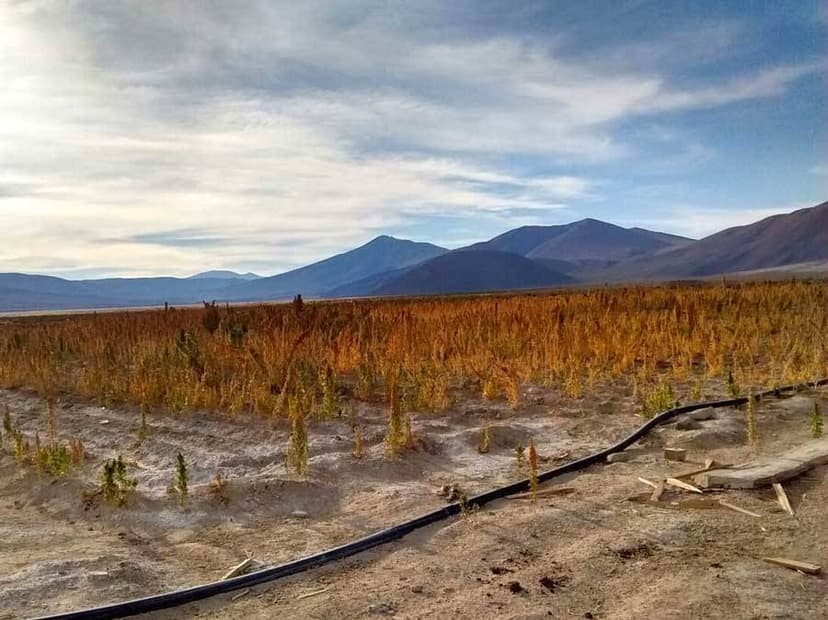
The scenario changed from a few scattered plantations with scarcely any crops in 2006 to almost 100 productive family units covering 1,245 cultivated ha.
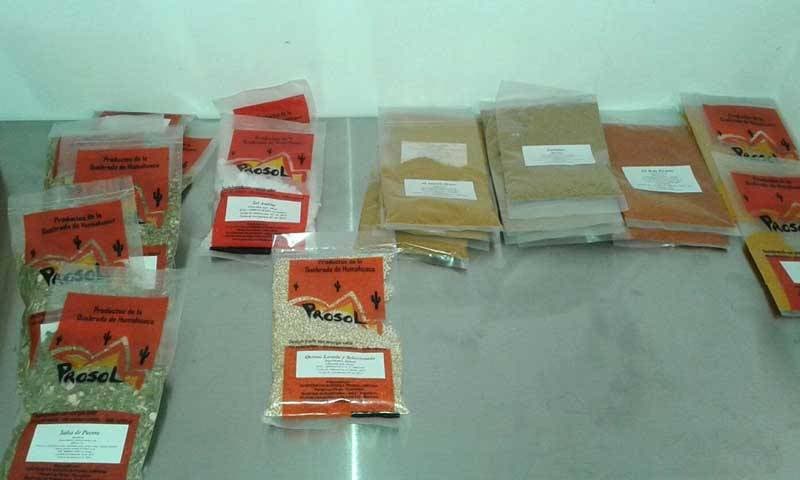
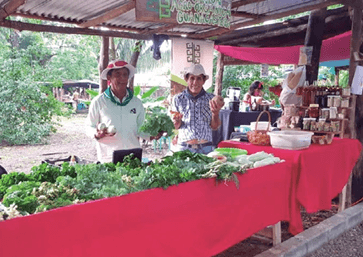
Cultivation for culinary purposes was expanded, thus increasing the availability of quinoa for the local population.




 Agronomic Practices










 Impact
 Initiatives
 Dashboard
 Alliances
 Impact
 Initiatives
 Dashboard
 Alliances


_10_51_03.png&w=750&q=75)