In Argentina, greenhouse horticultural production has grown significantly since the 1980s, with key areas in Buenos Aires, Corrientes, Salta, and Jujuy. This expansion has improved yields and product quality. However, it has also increased the intensive use of inputs, leading to pesticide dependence and environmental issues. Despite these challenges, the country has developed sustainable pest management methods, addressing barriers such as costs and climate change.
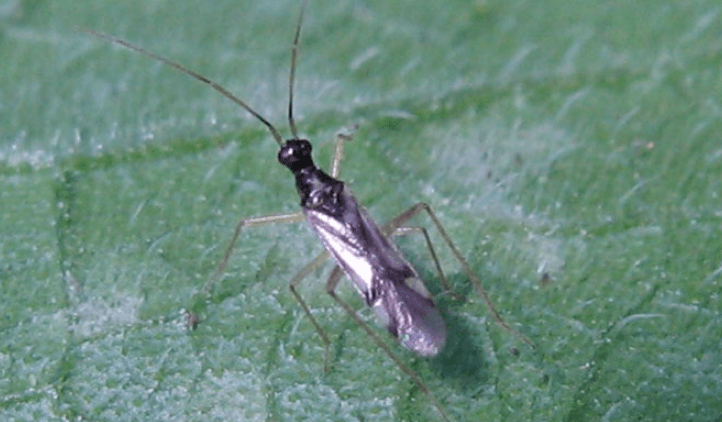
The implementation of integrated pest and disease management (IPM) in greenhouse horticultural crops in Argentina, based on biological control, has had a positive impact on the local bioeconomy. The strategy focuses on reducing pesticide use, adopting natural approaches for pest control, and utilizing technologies compatible with biological control. Monitoring and specific protocols have improved efficiency, reduced costs, and significantly lowered the environmental impact on commercial farms.
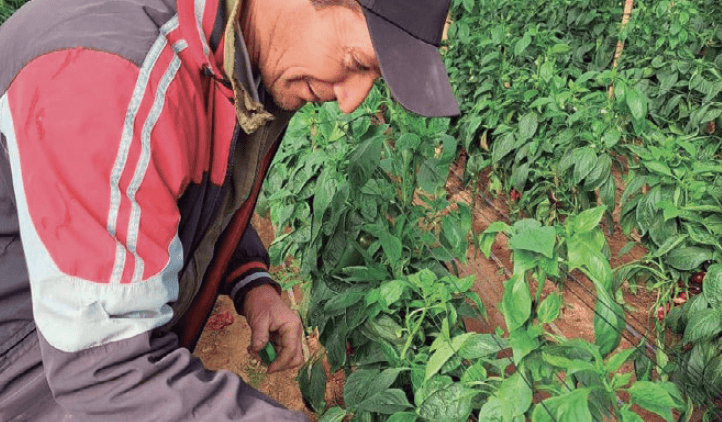
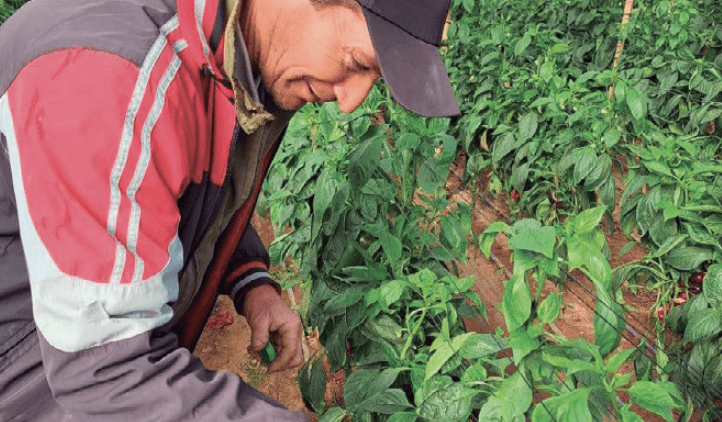
The Argentine experience in integrated pest and disease management in greenhouse tomato and pepper crops provides valuable lessons for its adaptation and replicability in other contexts. Considering local factors such as climate and soil, along with interinstitutional collaboration, was key to the success of this initiative. Ongoing farmer training, access to bioinputs and pesticides compatible with biological control, and periodic evaluations of economic and environmental impacts helped optimize practices. Despite initial skepticism about reducing pesticide use, commercial farm trials showed that maintaining high yields was possible. The integration of biological agents, selective pesticides, and cultural practices, along with proper monitoring, led to successful management. This experience in Argentina offers a roadmap for adopting sustainable agricultural practices in other regions, emphasizing the importance of collaboration, training, and continuous evaluation.
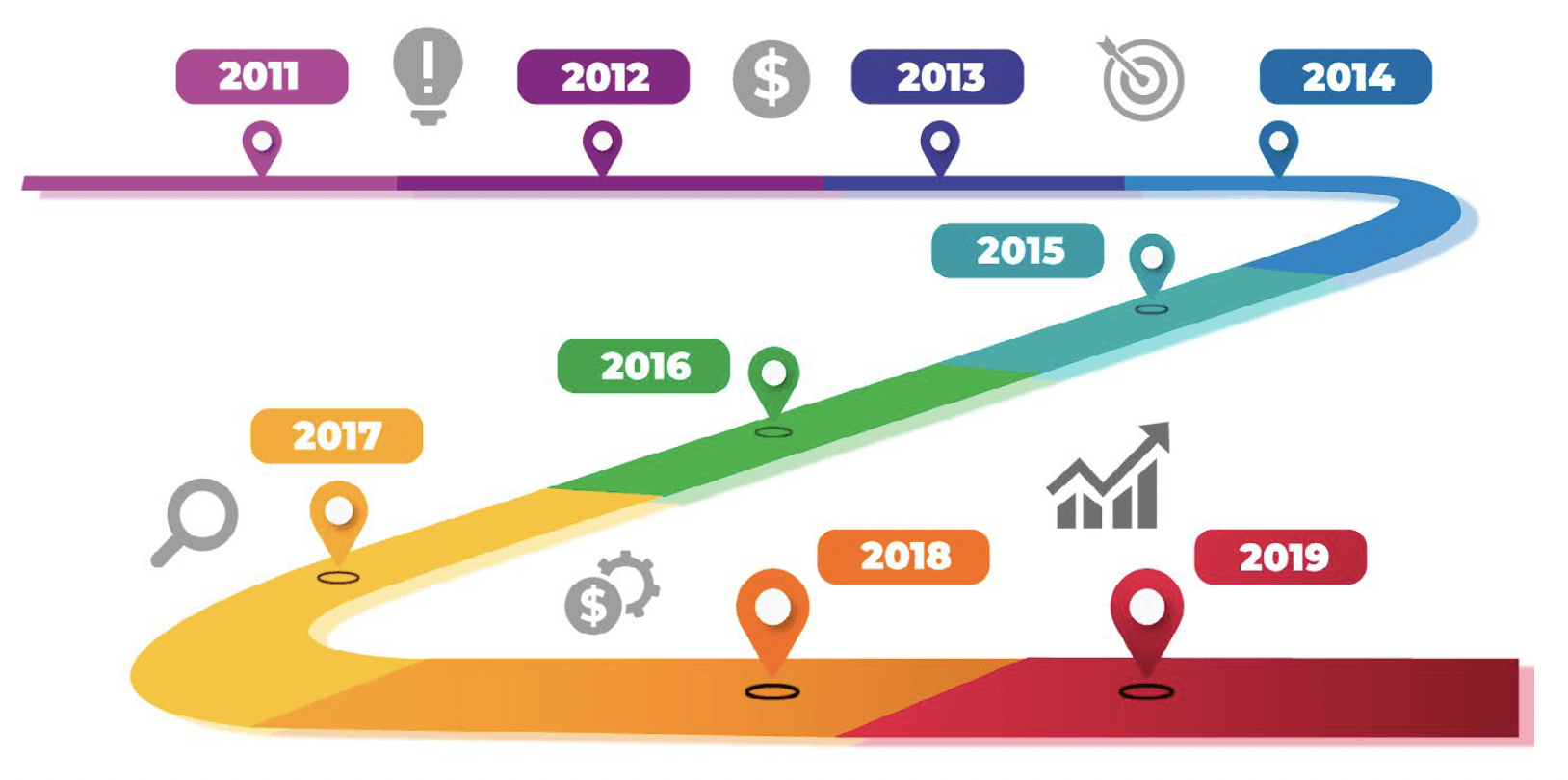
Discover how innovation drives sustainability in this interactive timeline highlighting key milestones
From Innovation to Sustainability: A Timeline




 Bioeconomía








 Impact
 Initiatives
 Dashboard
 Alliances
 Impact
 Initiatives
 Dashboard
 Alliances



_10_51_03.png&w=750&q=75)