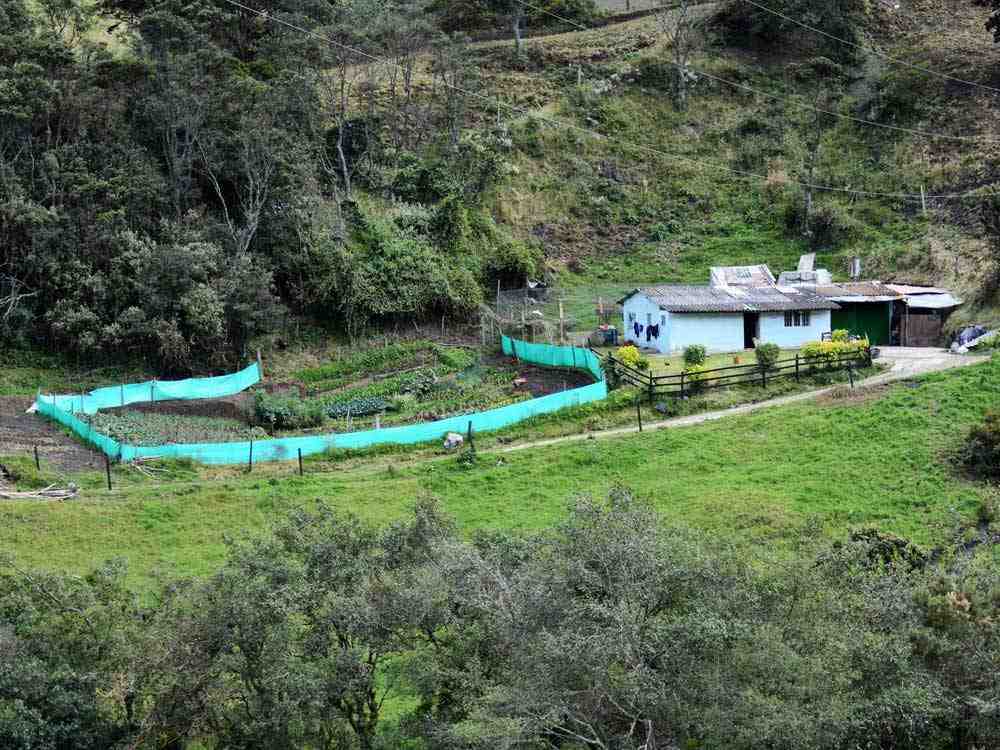
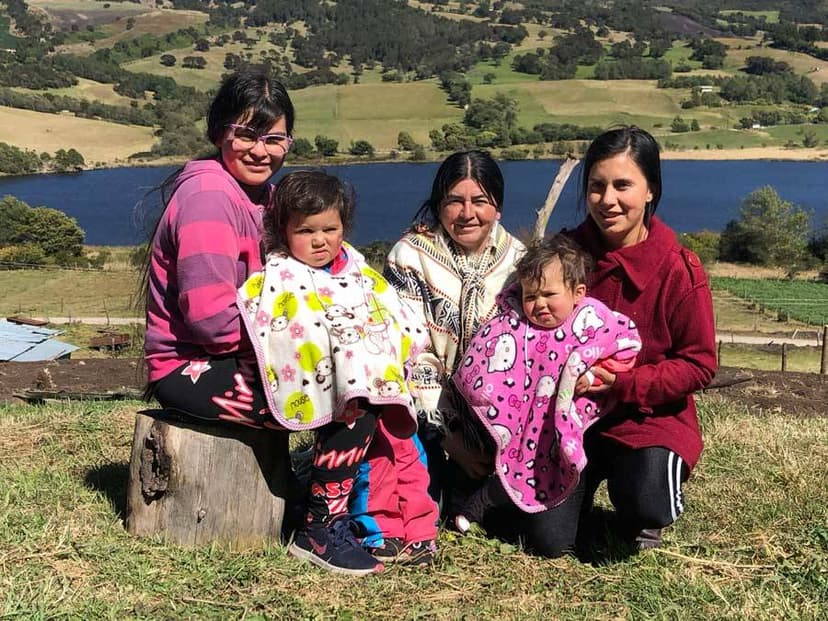
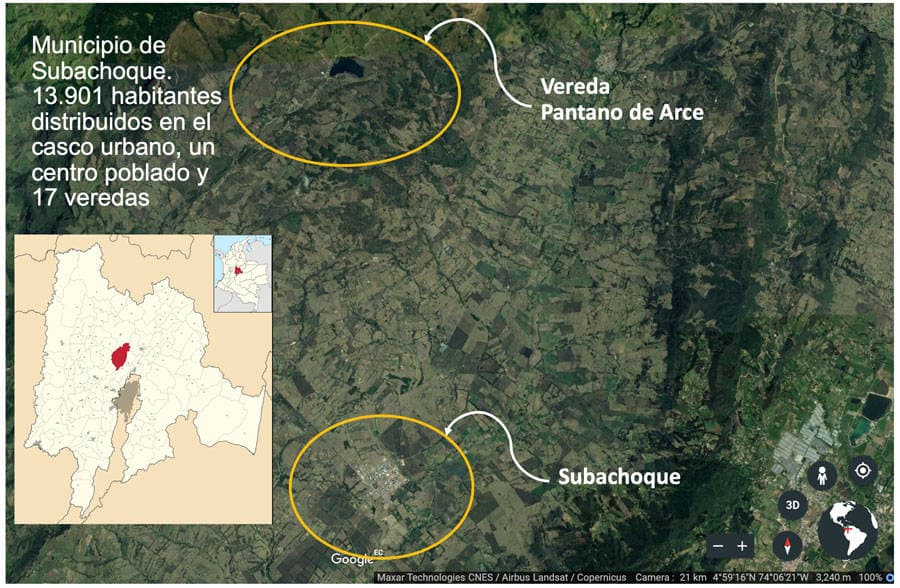
The Vereda Pantano de Arce (Colombia) lies in an ecosystem once rich in water sources and species, at 3,100 meters above sea level. However, the expansion of potato monoculture and pastures has dramatically degraded the native vegetation. The resulting lack of food variety has caused a nutritional deficit in its people, whose diet relies mostly on potatoes and dairy products. An urgent need to reverse this situation has led local farmers to find ways to multiply their sources of nutrients while restoring the former wealth of indigenous varieties.
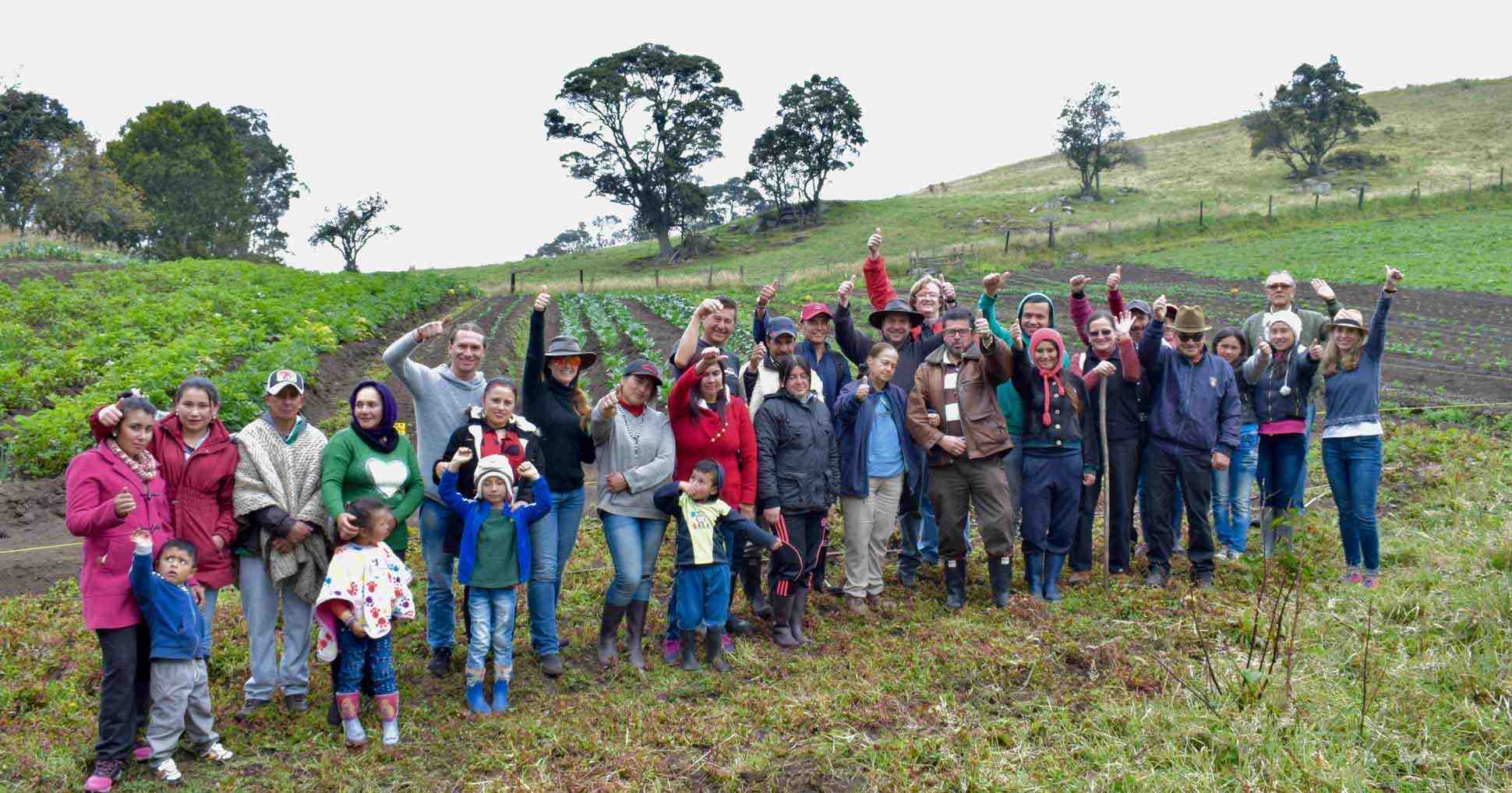
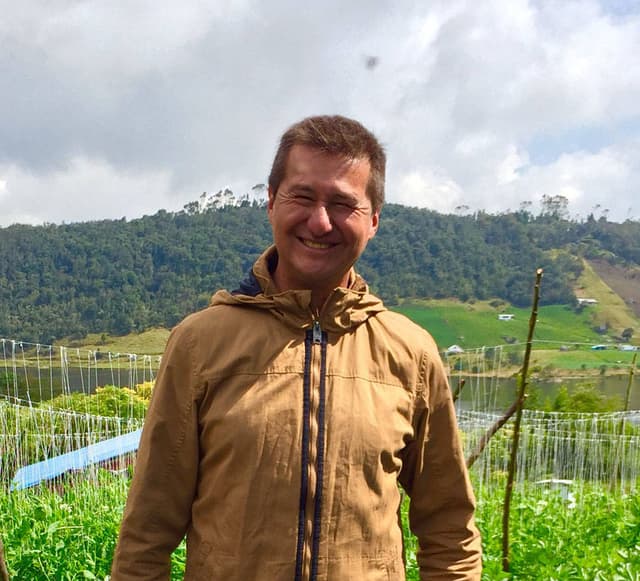
In 2015, after an awareness-raising campaign about the importance of more varied nutrition and ecosystems, the farmers in Pantano de Arce began training in how to grow a wider range of species without using agrochemicals.
They tested and applied a technological package that includes adding compost to soils and using allelopathic plants, identified tubers and vegetables resistant to diseases such as late blight, and developed environmentally friendly methods for the control of the white worm (Premnotrypesvorax).
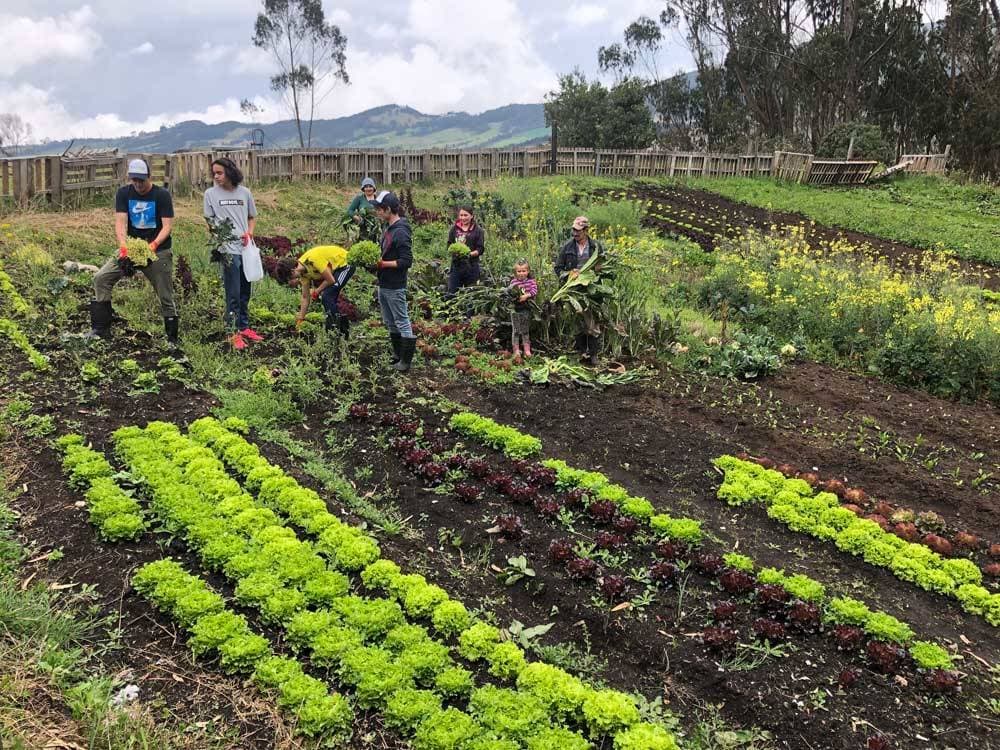
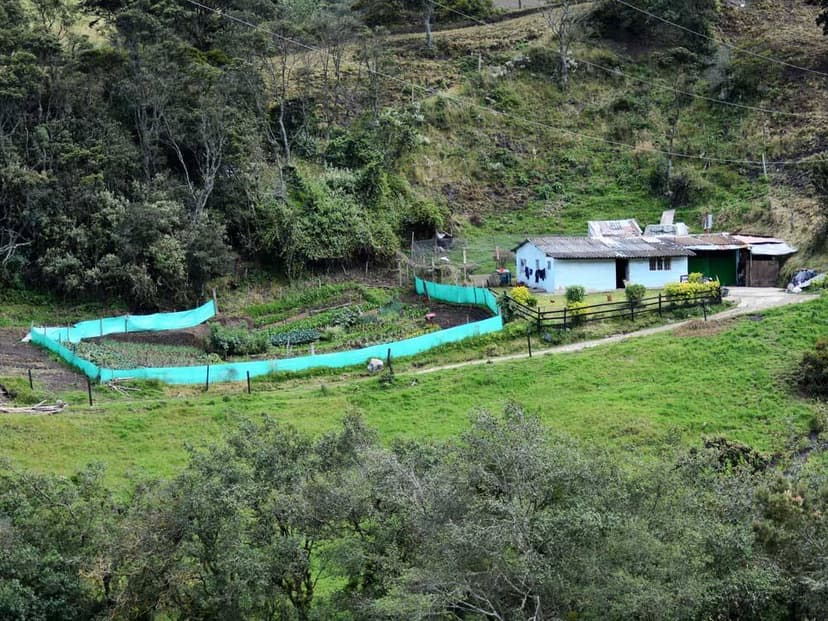
As a community-strengthening strategy, they created Páramo Farms, granting families access to collective use of land to produce food of nutritional diversity and quality.
The farmers have implemented two ways to guarantee the sustainability of the project: applying for international organic certification and developing a healthy snacks business.
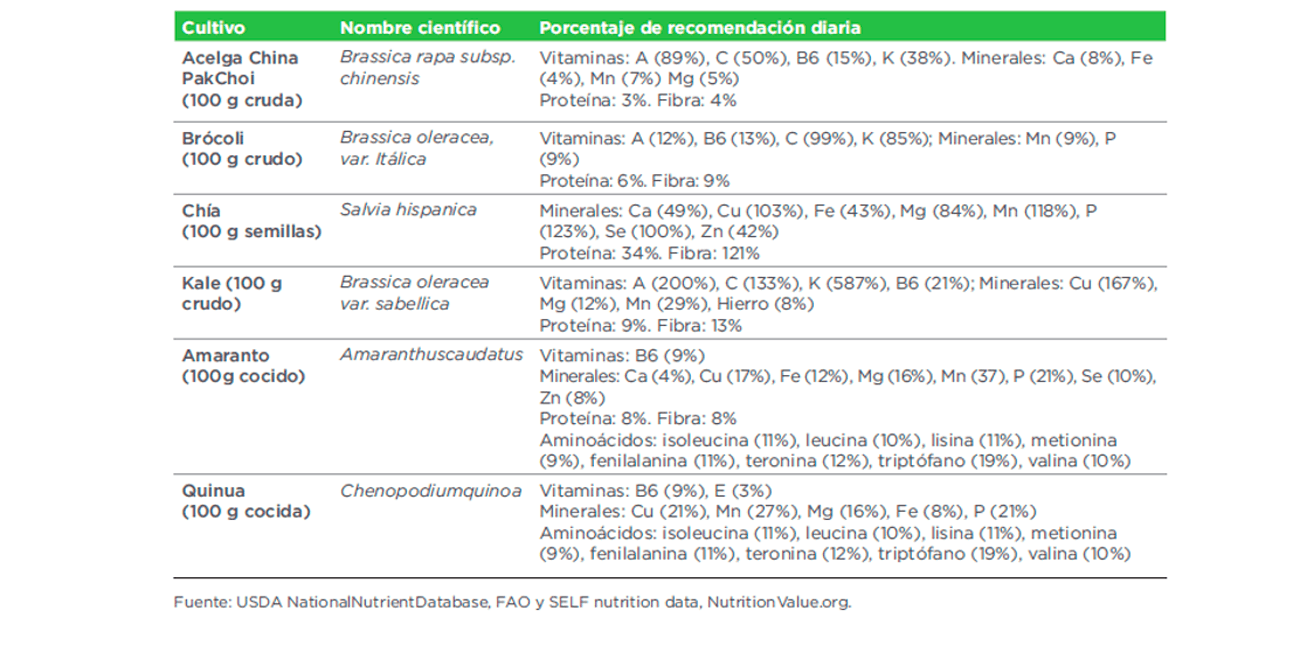
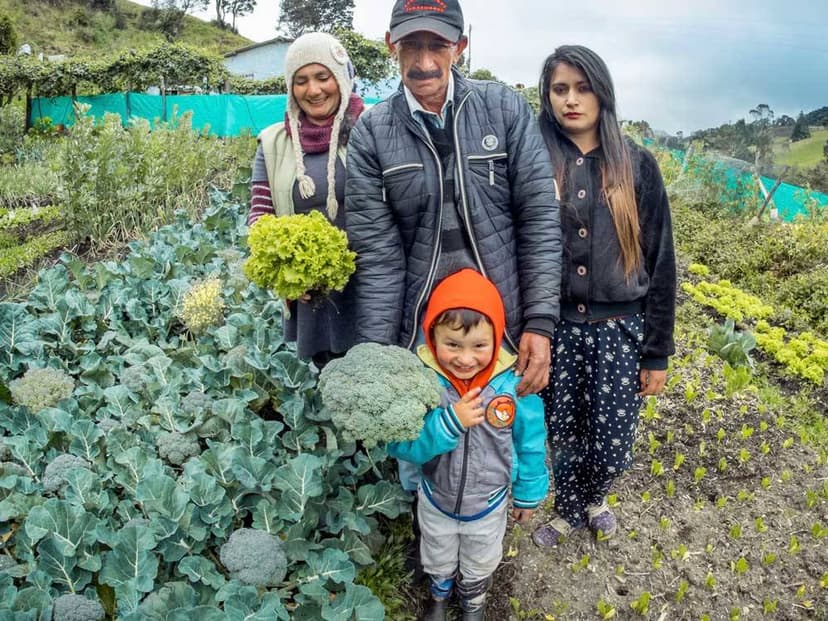
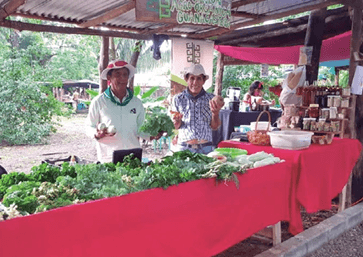
In two years, the farmers have managed to produce 23 types of vegetables and Andean grains, among which are eight varieties of native potatoes with a high iron, zinc and antioxidant content; "Superfoods" such as kale and broccoli; and ancestral grains considered essential for food security by the FAO. They have planted some 22,000 trees of 12 native species to reforest the area.
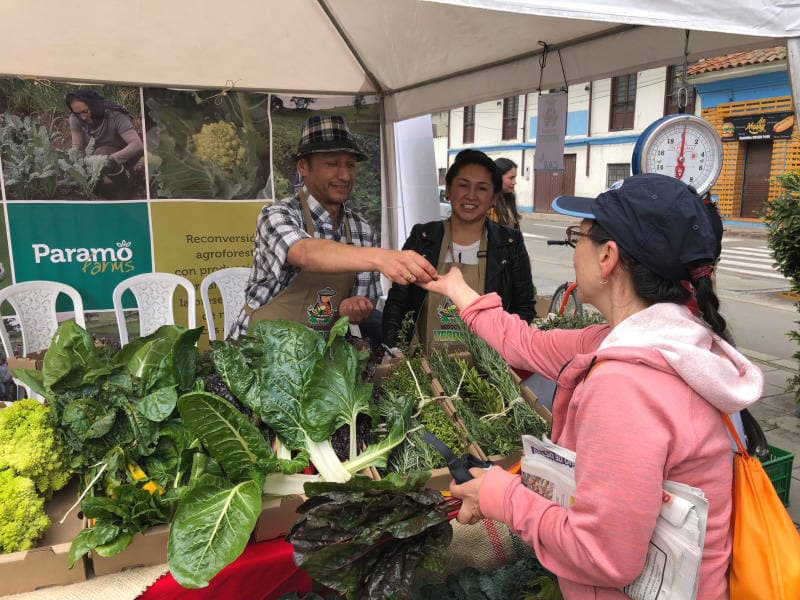
These changes have had an impact on the economy too: part of what is harvested is marketed directly or as snacks, thus extending benefits to a greater number of families.
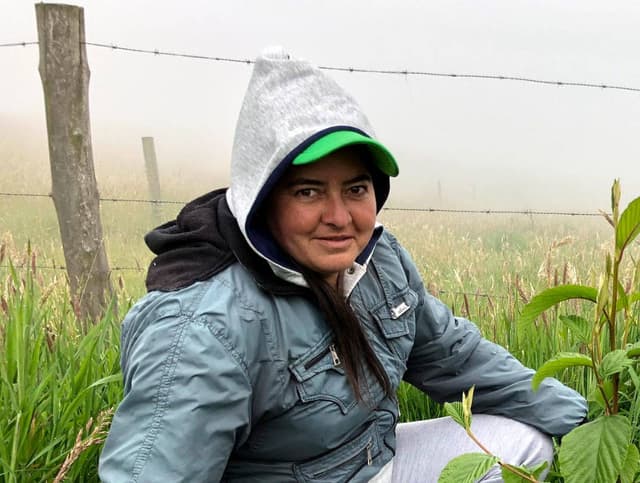
Finally, hiring women workers from the community has brought about empowerment as well as social strengthening.
Nutrients under scrutiny
Nutrition value of crops produced by ASOARCE




 Value chain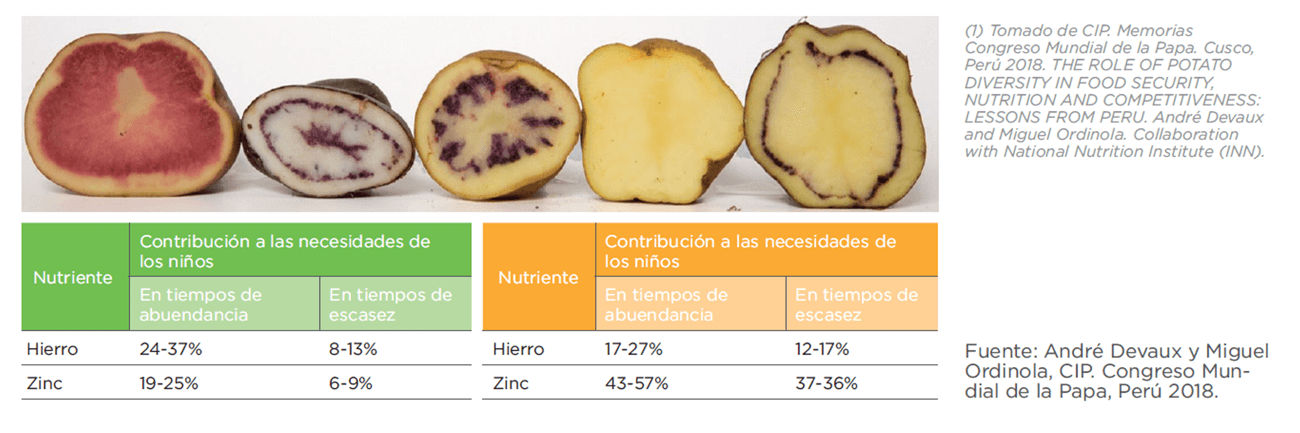









 Impact
 Initiatives
 Dashboard
 Alliances
 Impact
 Initiatives
 Dashboard
 Alliances




_14_01_3111.png&w=750&q=75)